
Katana Langley: The Art of Japanese Swordsmithing in British Columbia
Share
The morning mist clings to the Fraser Valley as a collector carefully unwraps a piece of history. The distinctive curve of a katana catches the first rays of sunlight streaming through his Langley workshop window. This isn't just another sword. It's a bridge between ancient Japanese craftsmanship and modern Canadian appreciation for the samurai's most iconic weapon. In Langley, British Columbia, a growing community of enthusiasts, collectors, and martial artists has discovered what Japanese warriors knew centuries ago: a katana is more than steel and steel. It's a testament to human artistry and dedication.
The township of Langley has become an unexpected hub for katana appreciation in Western Canada. From the historic Fort Langley National Historic Site to the modern subdivisions spreading across the valley, residents have embraced Japanese sword culture with remarkable enthusiasm. Local martial arts dojos report increasing enrollment in iaido and kendo classes, while collectors gather at community centers to share their latest acquisitions and discuss the finer points of blade geometry and steel composition. The katana Langley community represents one of Canada's most passionate collecting regions, where traditional Japanese swordsmithing meets contemporary Canadian craftsmanship appreciation. The Ultimate Guide to Canada Swords: The Rising Japanese Swords: The Soul Buy Swords Online Canada:
Table of Contents
- The Historical Journey: From Feudal Japan to Langley
- Legendary Blades and Their Wielders
- The Art of Katana Craftsmanship
- Our Curated Collection: Featured Katana
- A Collector's Guide to Choosing Your Katana
- Understanding Steel: The Heart of Every Blade
- Why Canadian Collectors Choose Katana Canada
- Frequently Asked Questions
- Related Resources
The Historical Journey: From Feudal Japan to Langley
The katana's story begins in the late Heian period (794-1185), when Japanese swordsmiths revolutionized blade-making by developing the curved, single-edged design that would define samurai warfare for centuries. These master craftsmen, working in mountain forges with techniques passed down through generations, created weapons that were simultaneously tools of war and works of art. The differential hardening process, known as hamon, created blades with hard cutting edges and flexible spines: a marriage of function and beauty that captivates collectors worldwide.
In feudal Japan, the katana represented more than mere weaponry. It embodied the soul of the samurai, their honor, and their commitment to bushido: the way of the warrior. The famous swordsmith Masamune, active in the late 13th and early 14th centuries, elevated katana crafting to an art form. His blades, characterized by their wild hamon patterns and exceptional cutting ability, remain legendary even today. The spiritual significance of these weapons extended beyond their practical use; they were blessed in Shinto ceremonies and treated as sacred objects.
The journey from ancient Japan to modern Langley represents more than geographical distance. It reflects the universal appeal of exceptional craftsmanship. In the 1970s, as martial arts films gained popularity in North America, Western audiences began appreciating Japanese sword culture. This interest evolved from casual fascination to serious collecting, with communities like Langley developing sophisticated networks of enthusiasts who study everything from historical blade signatures to proper maintenance techniques.
Today's katana Langley collectors continue this tradition of reverence and study. Local groups meet monthly to examine authentic pieces, discuss historical significance, and share maintenance techniques. The Fort Langley Museum occasionally displays historical Japanese artifacts, including sword guards and fittings, connecting local history with global cultural exchange. This cross-cultural appreciation demonstrates how the katana's appeal transcends geographical boundaries, uniting people through shared admiration for masterful craftsmanship.
Legendary Blades and Their Wielders
The mythology surrounding famous katana extends far beyond their historical origins, weaving through popular culture and capturing imaginations across generations. Consider the legendary Honjo Masamune, once considered the finest Japanese sword ever created. This blade, crafted by the master swordsmith Masamune, disappeared during World War II and remains one of Japan's most sought-after cultural treasures. Its mystique stems not just from its legendary sharpness, but from its symbolic importance as a piece of living history.
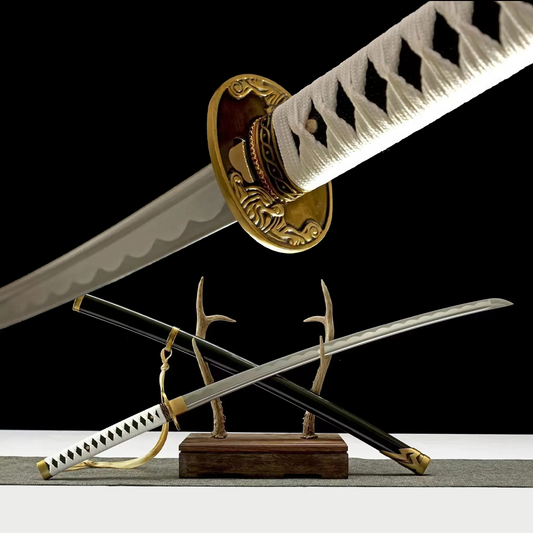
In contemporary culture, fictional katana have achieved equally iconic status. The Kill Bill series brought samurai sword culture to mainstream Western audiences, with Hattori Hanzo's blade becoming a symbol of artistic revenge and remarkable precision. The Kill Bill Katana Sword from our collection captures this cinematic legacy, featuring authentic construction that honors both the film's aesthetic and traditional Japanese craftsmanship.
The world of anime has created its own legendary blades, each with distinct personalities and powers. From the butterfly-themed elegance of Shinobu Kocho's weapon in Demon Slayer to the weathered reliability of Michonne's katana in The Walking Dead, these fictional swords represent different aspects of the warrior spirit. The psychological connection between wielder and weapon remains constant, whether in historical accounts of samurai choosing their swords or modern stories of heroes discovering their destined blade.
Ghost of Tsushima's Jin Sakai katana represents a modern interpretation of traditional samurai weaponry, blending historical accuracy with contemporary storytelling. The game's attention to authentic sword techniques and ceremonial importance has introduced a new generation to katana culture, demonstrating how digital media can preserve and transmit traditional values.
These legendary weapons, both real and fictional, share common themes of honor, sacrifice, and the pursuit of perfection. They remind us that a katana is never just a tool. It's an extension of its wielder's soul, a physical manifestation of their dedication to their craft or cause. In the Japanese sword collecting community, owners often speak of feeling connected to this broader tradition, understanding that their modern replicas carry forward centuries of cultural significance and artistic achievement.
The Art of Katana Craftsmanship
Traditional katana construction represents one of humanity's most sophisticated metallurgical achievements, combining multiple steel types in a single blade through techniques that remain largely unchanged for centuries. The process begins with tamahagane steel, created in clay furnaces called tatara, where iron-bearing sand and charcoal are smelted for up to 72 hours. Master smiths then sort this raw steel by carbon content, selecting specific pieces for different parts of the blade.
The most common construction method, sanmai, uses hard steel (hagane) for the cutting edge, medium-carbon steel (shingane) for the core, and low-carbon steel (kawagane) for the outer layers. This complex structure creates a blade that maintains a sharp edge while absorbing impact without breaking: a crucial balance that took Japanese smiths centuries to perfect. The folding process, where steel is repeatedly heated, hammered flat, and folded, eliminates impurities and creates the subtle grain patterns visible in finished blades.
The differential hardening process, achieved by applying clay to the blade before heating, creates the hamon: the visible temper line that distinguishes authentic katana from mass-produced imitations. This technique produces a hard edge capable of holding razor sharpness while maintaining a flexible spine that prevents the blade from snapping under stress. The resulting curve, or sori, develops naturally during this cooling process, giving each katana its characteristic graceful arc.
Modern reproductions like those in our collection honor these traditional techniques while incorporating contemporary quality control standards. The Jin Sakai Katana – Ghost of Tsushima Edition exemplifies this approach, featuring 1060 carbon steel construction that provides excellent performance for both display and practice. The attention to detail in the tsuba (guard), tsuka (handle), and saya (scabbard) reflects the same aesthetic principles that guided historical craftsmen.
Ray skin (samegawa) wrapping on the handle provides both functional grip and traditional appearance, while the careful balance between blade and handle ensures proper weight distribution. These elements combine to create weapons that honor the spiritual and practical aspects of traditional katana while meeting modern collectors' expectations for quality and authenticity. The katana Langley enthusiasts particularly appreciate these details, as they represent the perfect fusion of historical accuracy and contemporary craftsmanship standards.
Our Curated Collection: Featured Katana
Our carefully selected katana collection represents the finest examples of traditional Japanese swordsmithing adapted for modern collectors and practitioners. Each piece undergoes rigorous quality inspection to ensure authentic construction methods, proper materials, and exceptional finishing that honors the centuries-old tradition of katana crafting.
The Jin Sakai Katana – Ghost of Tsushima Edition
This meticulously crafted replica captures the essence of feudal Japan's legendary warriors while incorporating modern steel technology. The blade features:
• 1060 carbon steel construction providing excellent durability and edge retention • Hand-forged differential hardening creating an authentic hamon pattern • Traditional ray skin handle wrapping with silk cord for secure grip • Museum-quality lacquered scabbard with authentic bronze fittings • Full-tang construction ensuring structural integrity and proper balance
⭐⭐⭐⭐⭐ "Received this beauty in Calgary last month. The balance is perfect for iaido practice, and the quality exceeds expectations for the price point. Highly recommend for serious practitioners." - David M., Calgary, AB
The Shinobu Kocho Katana – Demon Slayer Edition
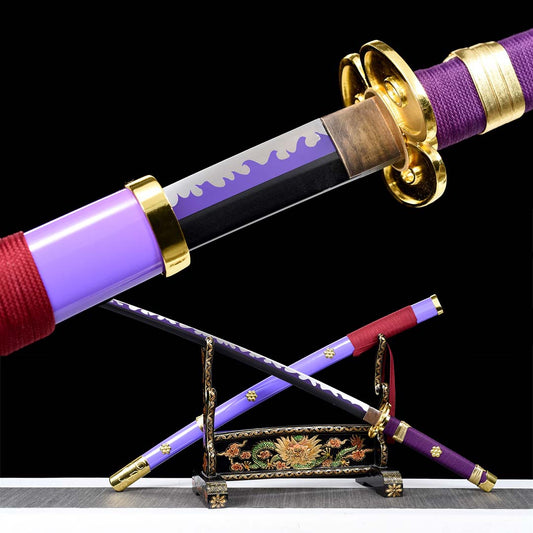
Inspired by the elegant Insect Hashira, this blade combines anime aesthetics with functional construction:
• 1060 carbon steel blade with butterfly-themed guard and pommel details • Specialized purple and white color scheme matching the character's iconic design • Full-tang construction suitable for both display and light cutting practice • Authentic Japanese ray skin handle with traditional wrapping techniques • Custom display stand included for proper presentation
⭐⭐⭐⭐⭐ "My daughter practices kendo and absolutely loves this katana. The butterfly motif is beautifully executed, and the steel quality is impressive. Fast delivery to Vancouver!" - Michelle L., Vancouver, BC
The Legendary Kill Bill Katana Sword
This iconic replica brings Quentin Tarantino's vision to life with museum-quality construction:
• Damascus steel pattern creating distinctive wave-like blade appearance • Hand-forged construction with authentic differential hardening • Traditional Japanese fittings including brass tsuba and menuki • Real ray skin handle wrapping providing superior grip and authenticity • Carbon steel core ensuring exceptional cutting performance and durability
The craftsmanship evident in this piece reflects the legendary Hattori Hanzo workshop's attention to detail, making it a centerpiece for any serious collection.
The Michonne Katana Sword and Michonne Katana – Premium Edition
These companion pieces represent different approaches to the same iconic design from The Walking Dead series:
Standard Edition Features: • 1095 high-carbon steel construction for superior edge retention • Weather-resistant finish simulating the post-apocalyptic aesthetic • Wrapped handle with tactical grip suitable for extended use • Authentic Japanese construction techniques with modern durability
Premium Edition Enhancements: • Hand-forged Damascus steel with complex folding patterns • Museum-quality lacquer work and premium metal fittings • Collector's certificate and custom presentation box • Enhanced balance and weight distribution for martial arts practice
⭐⭐⭐⭐⭐ "The premium Michonne katana arrived in Edmonton perfectly packaged. The Damascus pattern is stunning, and the balance makes it perfect for tameshigiri practice. Worth every penny!" - Robert K., Edmonton, AB
Elite Collection: Hiroshima Katana and Kiryu Katana
Our premium collection represents the pinnacle of modern katana craftsmanship, incorporating traditional techniques with contemporary metallurgy:
Hiroshima Katana Specifications: • Hand-forged Damascus steel with over 10,000 layer construction • Traditional clay tempering creating complex hamon patterns • Museum-quality fittings crafted from authentic materials • Lifetime craftsmanship guarantee and authenticity certificate • Custom fitting service available for martial arts practitioners
Kiryu Katana Excellence: • Premium carbon steel core with Damascus outer layers • Traditional Japanese polishing techniques revealing grain structure • Hand-carved wooden scabbard with traditional lacquer finishing • Silk-wrapped handle with authentic ray skin and brass fittings
⭐⭐⭐⭐⭐ "Purchased the Kiryu katana for my 30th anniversary collection milestone. The craftsmanship rivals pieces I've seen in Japanese museums. Truly exceptional work." - James T., Toronto, ON
Custom Options: Katana Customizer
For collectors seeking truly unique pieces, our customization service allows personal touches while maintaining traditional authenticity:
• Blade length and curvature adjustments
• Custom hamon patterns and steel selection
• Personalized engraving and family crest incorporation
• Choice of handle wrapping colors and materials
• Custom scabbard design with personalized artwork
This service connects modern collectors with the traditional relationship between swordsmith and client, creating heirloom pieces that reflect personal taste while honoring historical craftsmanship standards.
A Collector's Guide to Choosing Your Katana
Selecting the right katana requires understanding both personal preferences and technical specifications that determine a blade's quality, functionality, and value. Whether you're beginning your collection or adding to an established inventory, several key factors will guide your decision toward a katana that meets your specific needs and budget.
First, consider your intended use. Display pieces prioritize aesthetic beauty and accurate historical details, while functional katana for martial arts practice require superior steel quality and proper balance. Many collectors start with display pieces to appreciate craftsmanship details before progressing to functional blades as their knowledge deepens.
Steel composition directly affects performance and maintenance requirements. 1060 carbon steel offers excellent durability and edge retention while remaining relatively easy to maintain, making it ideal for beginners. 1095 steel provides superior hardness and cutting ability but requires more careful maintenance to prevent corrosion. Damascus steel combines multiple steel types, creating distinctive patterns while offering balanced performance characteristics.
Blade geometry significantly impacts handling characteristics. The curvature (sori) should feel natural when held, while the blade's width and thickness affect both cutting performance and visual appeal. Traditional proportions create balanced weapons that feel alive in the hand, while non-standard dimensions may indicate poor craftsmanship or inappropriate design choices.
Authentication features separate quality reproductions from decorative pieces. Look for proper hamon patterns created through differential hardening, not etched or painted imitations. Full-tang construction ensures structural integrity, while folded steel construction indicates traditional forging methods. Quality pieces include authentic materials like ray skin handles and silk wrapping rather than synthetic substitutes.
Consider your display environment when selecting pieces. Humidity levels affect steel condition, while lighting can highlight or obscure important details. Proper display stands not only showcase your collection but also protect valuable pieces from damage. Many Japanese sword enthusiasts create dedicated rooms with controlled environments and specialized lighting to properly present their katana.
Budget allocation should account for both initial purchase and ongoing maintenance costs. Entry-level pieces provide excellent introduction to collecting, while premium pieces offer investment potential and superior craftsmanship. Remember that authentic katana represent significant investments that typically appreciate over time when properly maintained and documented.
Understanding Steel: The Heart of Every Blade
The steel composition of a katana fundamentally determines its performance, maintenance requirements, and overall quality. Understanding different steel types helps collectors make informed decisions and properly care for their investments.
1060 carbon steel contains approximately 0.60% carbon, creating an excellent balance between hardness and flexibility. This composition allows for sharp edges while maintaining durability under stress, making it ideal for both display and light practice. The steel responds well to traditional hardening techniques, producing authentic hamon patterns that enhance both beauty and functionality.
1095 carbon steel, with its higher 0.95% carbon content, achieves superior hardness and edge retention. This composition mirrors the carbon levels found in historical Japanese blades, providing exceptional cutting performance. However, the increased carbon content requires more careful maintenance to prevent corrosion and brittleness in cold temperatures.
Damascus steel represents a modern interpretation of traditional folding techniques, combining different carbon steels to create distinctive wave patterns. While not historically accurate for Japanese swords, Damascus construction offers excellent performance characteristics and stunning visual appeal. The folding process eliminates impurities and creates complex grain structures visible on the finished blade.
The differential hardening process, regardless of base steel type, creates the most important quality indicator: the hamon. This visible temper line results from clay application during heating, causing different cooling rates across the blade. Authentic hamon patterns indicate proper heat treatment and traditional construction methods.
Modern quality control ensures consistency impossible in historical production. Computer-controlled furnaces maintain precise temperatures, while mechanical hammers provide uniform compression. These improvements don't diminish traditional techniques but rather enhance their reliability and safety.
Maintenance requirements vary by steel type but follow common principles. Regular cleaning prevents corrosion, while proper oil application protects exposed steel. Storage in controlled environments prevents humidity damage, while periodic inspection identifies potential problems before they become serious.
Why Canadian Collectors Choose Katana Canada
Canadian collectors and martial arts practitioners have discovered significant advantages in choosing Katana Canada for their sword acquisitions. As a Canadian company, we understand the unique needs of collectors from Victoria to St. John's, providing personalized service that reflects our shared cultural values and outdoor appreciation.
Our Canadian customer service team provides expert guidance in both French and English, ensuring clear communication throughout the purchasing process. This bilingual support proves invaluable when discussing technical specifications or addressing specific collector concerns. Payment in Canadian dollars eliminates exchange rate uncertainty and foreign transaction fees that often surprise collectors when purchasing from international retailers.
Canadian buyers enjoy the absence of customs fees and import duties that typically add substantial costs to international sword purchases. This transparent pricing structure allows collectors to budget accurately without unexpected additional charges at delivery. Shipping is free across Canada: each sword is made to order and delivered to your door in about 3 to 4 weeks, duties included.
Our commitment to the Canadian collecting community extends beyond individual sales to support for local martial arts schools, collector groups, and cultural organizations. We regularly sponsor iaido tournaments and kendo demonstrations across the country, fostering the growth of Japanese sword appreciation in Canadian communities. The katana Langley collecting scene particularly benefits from our proximity and understanding of regional preferences and climate considerations.
The expertise of our team reflects years of involvement in Canadian martial arts communities and collecting circles. This deep understanding of local preferences, climate considerations, and cultural contexts enables us to recommend pieces that truly suit Canadian collectors' lifestyles and interests.
Quality assurance standards meet the expectations of discerning Canadian collectors who value craftsmanship and authenticity. Each piece undergoes thorough inspection before shipping, ensuring that every katana meets our strict standards for construction quality, aesthetic beauty, and functional performance.
Frequently Asked Questions
Q: How can I verify the authenticity of katana Langley pieces compared to mass-produced replicas?
Authentic katana exhibit several key characteristics that distinguish them from mass-produced decorative pieces. First, examine the hamon (temper line) carefully: genuine differential hardening creates subtle, natural variations in the pattern, while fake hamon appear painted or etched with artificial regularity. The blade geometry should demonstrate proper curvature and thickness distribution that results from traditional forging methods. Full-tang construction, where the blade steel extends completely through the handle, indicates structural integrity essential for authentic pieces. Real ray skin (samegawa) handle wrapping feels distinctly textured compared to synthetic imitations, while traditional silk cord binding shows slight irregularities that machine-made alternatives lack. Quality pieces also include proper weight distribution that creates balance points approximately one hand-width from the guard. Documentation from reputable dealers, including information about steel composition and construction methods, provides additional authentication. Our pieces at Katana Canada include detailed specifications and authenticity guarantees, ensuring collectors receive genuine reproductions that honor traditional Japanese craftsmanship standards rather than decorative wall-hangers. Japanese sword enthusiasts in the Fraser Valley particularly value these authentication features when building their collections.
Q: What steel compositions work best for different types of katana collections and practice needs?
Steel selection depends primarily on intended use and maintenance commitment. For display collections, 1060 carbon steel offers excellent corrosion resistance while maintaining authentic appearance and reasonable pricing. This composition provides sufficient hardness for impressive hamon patterns without requiring intensive maintenance schedules. Martial arts practitioners benefit from 1095 carbon steel's superior edge retention and cutting performance, though this higher carbon content demands more careful maintenance to prevent rust and brittleness. Damascus steel combinations create stunning visual appeal through their distinctive folding patterns while offering balanced performance characteristics suitable for both display and practice. Beginners should generally start with 1060 steel pieces to develop maintenance skills before progressing to higher-carbon alternatives. Climate considerations also affect steel choice: Canadian collectors in humid coastal regions may prefer slightly lower carbon content for easier maintenance, while those in dry prairie climates can successfully maintain higher-carbon blades. The differential hardening process remains more important than base steel composition for creating authentic katana characteristics. Professional practitioners requiring cutting performance should prioritize 1095 or Damascus construction, while collectors focused on historical accuracy and display should consider steel compositions that match their preferred historical period.
Q: What are the proper dimensions and sizing considerations for katana selection?
Traditional katana dimensions follow established proportions that create balanced, functional weapons while accommodating different body types and preferences. Blade length typically ranges from 60 to 73 centimeters (approximately 24 to 29 inches), with most falling between 67-70 centimeters. The nagasa (cutting edge length) should complement your height and arm length: taller practitioners generally prefer longer blades, while shorter users find better control with more compact dimensions. Handle length varies from 25 to 30 centimeters, providing space for two-handed grips while maintaining proper balance points. Total weapon length typically measures 95-105 centimeters when scabbarded. Weight distribution affects handling more than absolute weight: properly balanced katana feel lighter than their actual weight suggests. Most authentic reproductions weigh between 900-1,200 grams, with balance points located 10-15 centimeters from the guard. Blade curvature (sori) typically measures 15-20 millimeters, creating the characteristic arc that defines katana geometry. Handle diameter should accommodate your grip size comfortably: too thin reduces control, while excessive thickness causes hand fatigue. For display purposes, dimensions matter less than aesthetic proportions and craftsmanship quality. Martial arts practitioners should test handling characteristics whenever possible, as personal preferences vary significantly. Our Canadian customer service team can provide specific dimensional guidance based on your intended use and physical requirements.
Q: How should Canadian collectors maintain their katana in different climate conditions?
Canadian climate variations require adaptive maintenance approaches to preserve katana condition across seasonal changes. Winter heating systems create extremely dry indoor conditions that can crack wooden scabbards and cause metal components to contract, potentially affecting blade alignment. Use humidifiers to maintain 40-50% relative humidity in display areas, and inspect scabbard fit regularly during heating season. Spring humidity increases demand vigilant corrosion monitoring: inspect blades monthly for any discoloration or surface changes. Apply light oil coats (choji oil or mineral oil alternatives) to exposed steel surfaces, avoiding over-application that attracts dust and debris. Summer heat and humidity require increased inspection frequency, particularly for pieces stored in basements or upper floors where temperature fluctuations are most pronounced. Coastal collectors face additional salt air exposure that accelerates corrosion processes: monthly cleaning and oil application becomes essential. Prairie collectors benefit from naturally dry conditions but must monitor for dust accumulation and temperature shock from rapid weather changes. Never store katana in unheated spaces like garages or sheds where condensation and freezing temperatures can cause permanent damage. Proper storage involves horizontal positioning in stable temperature environments, away from direct sunlight and heating sources. Handle your pieces regularly to distribute natural oils from skin contact, but always clean hands first to avoid transferring acids and salts. Professional maintenance services available through specialized dealers can address complex issues beyond routine care capabilities. The katana Langley collecting community often shares seasonal maintenance tips and climate-specific storage solutions through local collector meetings.
Q: What display options work best for katana collections in Canadian homes?
Effective katana display combines aesthetic presentation with practical protection, accommodating Canadian home styles and climate considerations. Wall-mounted displays work excellently for single pieces or small collections, using specialized hangers that support the scabbard without stressing blade mountings. Choose interior walls away from exterior temperature variations and direct sunlight that can fade wrapping materials and damage wood finishes. Horizontal displays in custom cases provide museum-quality presentation while protecting against dust and humidity fluctuations common in Canadian homes. Glass-fronted cabinets allow full appreciation while maintaining controlled environments: include silica gel packets to manage moisture levels. For larger collections, dedicated rooms with specialized lighting create impressive displays that showcase craftsmanship details. LED lighting prevents heat damage while providing excellent illumination for blade patterns and fittings. Avoid fluorescent lighting that can fade organic materials over time. Consider security implications for valuable pieces: discrete displays in private areas reduce theft risks while allowing personal enjoyment. Room selection should prioritize stable temperatures and minimal humidity fluctuations: avoid basements prone to dampness and upper floors subject to heat buildup. Rotating displays allow collectors to enjoy different pieces while reducing exposure time for any single katana. Include proper identification placards with historical information and technical specifications that educate viewers and demonstrate collecting expertise. Professional mounting services ensure proper support and alignment that prevents damage while maximizing visual impact.
Q: Are there legal considerations for owning katana in Canada that collectors should understand?
Canadian law generally permits katana ownership for legitimate collecting, martial arts practice, and educational purposes, though specific regulations vary by province and municipality. Federal regulations classify katana as edged weapons rather than prohibited devices, allowing possession with proper justification and storage. However, concealed carry remains illegal across Canada, and transportation requires adherence to specific guidelines. Always transport katana in closed cases or wrappings that clearly indicate artistic or sporting purposes rather than weapon intent. Some municipalities impose additional restrictions on blade length or require registration for pieces exceeding certain dimensions: check local bylaws before purchasing. Martial arts practitioners benefit from clear documentation of training affiliation and legitimate practice purposes. Keep purchase receipts and authenticity certificates that demonstrate collector intent and legitimate acquisition. International travel with katana requires advance coordination with border services and airline security: many collectors choose to ship pieces rather than carry them personally. Insurance considerations become important for valuable collections: specialized coverage through collector insurance companies provides better protection than standard homeowner policies that may exclude edged weapons. Educational use in schools or public demonstrations typically requires advance permission and safety protocols. Commercial sales require business licenses and compliance with provincial regulations governing edged weapon retailers. Inheritance of katana collections generally proceeds without complications when proper documentation exists. Responsible ownership includes secure storage that prevents access by unauthorized individuals, particularly children. Join legitimate collector organizations that provide legal guidance and advocate for reasonable regulations that protect both public safety and collector rights.
Related Reads
For collectors interested in deepening their understanding of Japanese sword culture, several specialized resources provide valuable insights into historical development, technical specifications, and collecting strategies.
To explore the broader context of Japanese sword evolution, our comprehensive guide The History of the Katana – From Samurai Symbol to Modern Icon traces these weapons from their origins through their transformation into cultural symbols. This detailed examination covers the social and technological factors that shaped katana development over centuries.
Understanding the relationship between different sword types enhances appreciation for katana's unique characteristics. Our Timeline of the Japanese Sword – Tachi, Katana, Wakizashi provides chronological context that illustrates how weapons evolved alongside changing warfare and social structures.
For collectors planning purchases or customization projects, our Katana Parts Explained – A Complete Customization Guide offers detailed technical information about components, materials, and traditional construction methods. This resource proves invaluable when evaluating potential acquisitions or discussing specifications with craftsmen.
Proper maintenance ensures long-term preservation and functionality of your collection. Our comprehensive Care for a Katana – Cleaning, Oiling & Storage Tips covers seasonal maintenance schedules, environmental protection strategies, and troubleshooting common preservation challenges.
Anime enthusiasts may enjoy exploring Tanjiro Kamado's Katana – The Story Behind the Black Blade, which examines how traditional sword lore influences contemporary storytelling and design aesthetics.
These resources complement hands-on collecting experience with scholarly research and practical guidance, supporting the development of expertise that enhances both enjoyment and investment value of your katana collection.
Conclusion
The journey from ancient Japanese forges to modern katana Langley collections represents more than geographical distance. It embodies the universal human appreciation for exceptional craftsmanship, dedication to perfection, and the spiritual connection between maker and user that defines authentic katana. Whether drawn by historical fascination, martial arts practice, or aesthetic appreciation, collectors in Langley and across Canada join a global community united by respect for these remarkable weapons.
Each katana in our collection carries forward centuries of tradition while meeting contemporary standards for quality and authenticity. From the accessible elegance of our Best Katana to the museum-worthy craftsmanship of our premium pieces, every sword represents the continuing evolution of an ancient art form adapted for modern appreciation.
The growing community of Canadian collectors demonstrates that geographical boundaries cannot contain the appeal of masterful craftsmanship. In workshops across the Fraser Valley, practitioners maintain their blades with the same reverence that guided historical samurai, understanding that proper care preserves not just steel and wood, but cultural heritage and artistic achievement.
Your katana collection becomes a bridge between past and present, connecting you to centuries of Japanese artistry while expressing your personal aesthetic and values. Choose pieces that speak to your spirit, care for them with dedication worthy of their craftsmanship, and take pride in preserving these remarkable examples of human creativity and skill for future generations to appreciate and enjoy.
 Save $90