
Sanemi Shinazugawa: The Wind Hashira
Share
The wind howls through the moonlit forest as scarred hands grip the hilt of a battle-worn katana. Sanemi Shinazugawa stands ready, his white hair dancing in the breeze that seems to respond to his very presence. This is the Wind Hashira – a warrior forged by tragedy, tempered by loss, and driven by an unbreakable will to protect humanity from the demons that stalk the night.
Table of Contents
- The Scarred Warrior: Sanemi's Origins and Legacy
- Wind Breathing: The Devastating Art of Aerial Combat
- The Wind Hashira's Blade: Design and Symbolism
- Authentic Demon Slayer Collection: Featured Katana
- Collector's Guide to Demon Slayer Swords
- Steel Craftsmanship: Understanding Quality Materials
- Why Choose Katana Canada for Your Collection
- Frequently Asked Questions
The Scarred Warrior: Sanemi's Origins and Legacy
Sanemi demon slayer story begins not with glory, but with unspeakable tragedy. Born into a large family, Sanemi Shinazugawa's childhood was shattered when his mother was transformed into a demon and killed most of his siblings. This devastating event forged the core of his character – a fierce protector driven by the desperate need to prevent others from experiencing his pain.
The scars that cover Sanemi's body tell the story of countless battles against demonkind. Each mark represents not just survival, but a conscious choice to place himself between humanity and the forces of darkness. Unlike many Hashira who discovered their calling through training or family tradition, Sanemi's path was carved through personal loss and an almost supernatural determination to survive.
What makes Sanemi particularly compelling among the Hashira is his complex relationship with his surviving brother, Genya. Their fractured bond adds emotional depth to his character, revealing that beneath his aggressive exterior lies a heart capable of profound love and equally profound pain. This internal conflict drives much of his character development throughout the series.
His ascension to the rank of Wind Hashira wasn't achieved through noble birthright or exceptional early talent, but through sheer tenacity and an almost reckless willingness to face death head-on. This background shapes not only his fighting style but also his approach to life – direct, uncompromising, and brutally honest about the harsh realities of their world.
The cultural significance of Sanemi's character extends beyond the Demon Slayer universe. He represents the Japanese concept of "giri" – duty and obligation – taken to its extreme. His willingness to sacrifice everything, including his relationship with his brother, for the greater good resonates deeply with traditional samurai values while exploring the psychological cost of such dedication.
Wind Breathing: The Devastating Art of Aerial Combat
Wind Breathing stands as one of the most aggressive and dynamic fighting forms among the Breathing Styles. Developed to harness the power and unpredictability of wind itself, this technique transforms the wielder into a whirling force of destruction capable of creating devastating aerial attacks and defensive maneuvers.
The fundamental principle behind Wind Breathing lies in its emphasis on speed, agility, and the ability to strike from unexpected angles. Practitioners learn to move like the wind itself – sudden, powerful, and impossible to predict. Sanemi's mastery of this style allows him to create powerful gusts and cutting winds that can slice through demon flesh with terrifying efficiency.
Each of the Wind Breathing forms carries names that evoke the natural phenomena they mimic. From "Dust Whirlwind Cutter" to "Idaten Typhoon," these techniques demonstrate the style's connection to the raw, untamed power of atmospheric forces. The breathing pattern itself requires practitioners to develop exceptional lung capacity and control, enabling them to sustain high-intensity combat for extended periods.
What sets Sanemi demon slayer techniques apart from other Wind Breathing users is his integration of his own unique blood demon art enhancement. His rare blood type acts as an intoxicating drug to demons, allowing him to temporarily disorient his opponents while simultaneously enraging them. This dangerous technique exemplifies Sanemi's willingness to use his own body as a weapon, regardless of the personal cost.
The visual spectacle of Wind Breathing in action cannot be understated. When Sanemi unleashes his techniques, the air itself seems to bend to his will, creating visible currents and pressure waves that devastate everything in their path. This dramatic flair has made Wind Breathing one of the most recognizable and beloved fighting styles in the Demon Slayer universe.
Training in Wind Breathing requires not just physical conditioning but also a deep understanding of air currents, pressure systems, and the ability to read environmental conditions. Masters must learn to feel the slightest changes in wind direction and use them to their advantage, turning the very atmosphere into both weapon and ally.
The Wind Hashira's Blade: Design and Symbolism
The katana wielded by Sanemi Shinazugawa represents far more than a simple weapon – it embodies the essence of wind itself and reflects the complex nature of its wielder. The blade's design incorporates elements that speak to both traditional Japanese swordsmithing and the unique requirements of demon slaying.
Sanemi's Nichirin blade exhibits the characteristic green coloration associated with Wind Breathing practitioners. This verdant hue isn't merely aesthetic; it represents the living, breathing nature of wind and the vital force that drives all atmospheric movement. The color serves as an immediate visual identifier of the wielder's breathing style and creates an intimidating presence on the battlefield.
The tsuba (guard) of Sanemi demon slayer katana features intricate windmill patterns that serve both symbolic and practical purposes. These designs echo traditional Japanese motifs associated with wind and movement while providing optimal balance for the rapid, spinning techniques characteristic of Wind Breathing combat. The craftsmanship required to create such detailed metalwork speaks to the skill of the swordsmiths who forge weapons for the Demon Slayer Corps.
Perhaps most striking is the condition of Sanemi's blade itself. Unlike the pristine weapons of some Hashira, Sanemi's katana bears the marks of countless battles. Nicks, scratches, and wear patterns tell the story of a weapon that has seen real combat, wielded by a warrior who values function over form. This battle-worn appearance perfectly reflects Sanemi's own scarred and weathered exterior.
The blade's geometry is optimized for the quick, slashing movements that define Wind Breathing techniques. A slightly curved edge provides the perfect balance between cutting power and maneuverability, while the traditional single-edge design allows for the precise control necessary to execute complex aerial maneuvers. The weight distribution enables rapid direction changes mid-strike, essential for mimicking the unpredictable nature of wind patterns.
For collectors and enthusiasts, understanding these design elements helps appreciate the thoughtful integration of form and function that makes Demon Slayer weapons so compelling. Each aspect of Sanemi's katana serves a purpose, whether practical, symbolic, or aesthetic, creating a harmonious whole that perfectly embodies the character who wields it.
Authentic Demon Slayer Collection: Featured Katana
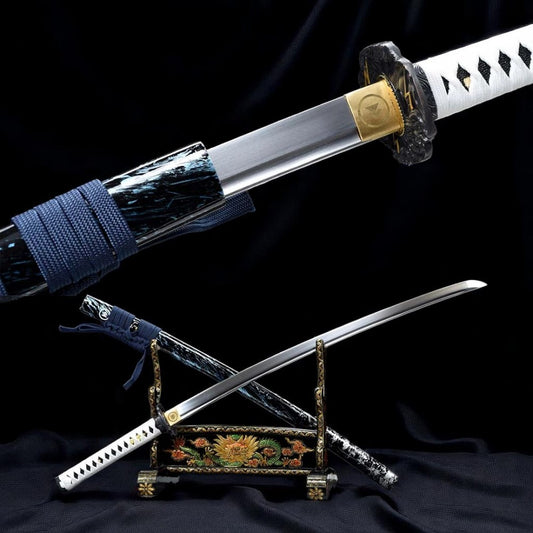
1060">Sanemi Shinazugawa Katana Sword
At , this exceptional replica captures the essence of the Wind Hashira's legendary blade with remarkable attention to detail and authentic materials.
Key Features: • Forged from premium 1060 carbon steel for exceptional durability and edge retention • Authentic green-tinted blade finish reflecting Sanemi's Wind Breathing mastery • Hand-crafted tsuba featuring traditional windmill patterns inspired by the original design • Full-tang construction ensuring superior balance and structural integrity • Complete with traditional wrapping and authentic mounting hardware
⭐⭐⭐⭐⭐ "The quality exceeded my expectations completely. The weight distribution feels perfect for display, and the craftsmanship details are incredible. Every element matches what I've seen in the anime." - Michael T., Calgary, AB
Shinazugawa Sanemi Mini Katana – Demon Slayer Edition
Perfect for collectors with limited space or those seeking an affordable entry into Demon Slayer collecting, this detailed miniature version is priced at and includes a display stand.
Key Features: • Precisely scaled recreation of Sanemi's iconic katana design • Durable construction suitable for long-term display • Includes custom wooden display stand for immediate showcase potential • Authentic color scheme and design elements from the original • Ideal for desktop displays or compact collections
⭐⭐⭐⭐⭐ "This mini katana is perfect for my office desk. The detail work is impressive for the size, and having the stand included made it ready to display immediately." - Sarah L., Toronto, ON
Shinobu Kocho Katana – Demon Slayer Edition
While representing a different Hashira, this stunning piece showcases the exceptional quality standards maintained across the entire Demon Slayer collection.
Key Features: • Premium 1060 carbon steel construction with superior tempering • Unique butterfly-inspired design elements reflecting Shinobu's Insect Breathing style • Exceptional attention to decorative details and authentic color work • Professional-grade mounting and traditional Japanese wrapping techniques • Museum-quality finish suitable for serious collectors
⭐⭐⭐⭐⭐ "The butterfly motifs are absolutely gorgeous, and the blade quality is professional grade. It's become the centerpiece of my anime sword collection." - David R., Vancouver, BC
Complete Mini Collection Set
For enthusiasts looking to build a comprehensive collection, our mini katana series offers exceptional value with multiple character options:
Agatsuma Zenitsu Mini KatanaHashibira Inosuke Mini KatanaTanjiro Second Generation Mini KatanaTanjiro-Third Generation Mini KatanaKochou Shinobu Mini Katana
Each mini katana includes its own display stand and represents authentic design elements from the respective character's weapon. These pieces work beautifully as individual displays or as part of a complete Demon Slayer Corps collection.
⭐⭐⭐⭐⭐ "I started with just Tanjiro's mini katana and ended up collecting the whole set. The consistency in quality across all pieces is remarkable, and they look amazing displayed together." - Jennifer M., Montreal, QC
The attention to detail in each piece reflects our commitment to providing authentic representations that honor both the source material and traditional Japanese swordsmithing techniques. Whether you're drawn to Sanemi's fierce determination or prefer to explore other characters from the Demon Slayer universe, each sword in our collection offers exceptional value and craftsmanship worthy of any serious collector.
Collector's Guide to Demon Slayer Swords
Building a meaningful Demon Slayer sword collection requires understanding both the characters behind the blades and the quality factors that separate authentic replicas from mass-produced imitations. The key to successful collecting lies in focusing on pieces that demonstrate both artistic merit and structural integrity.
When evaluating potential additions to your collection, consider the character significance first. Sanemi's blade, for example, represents one of the most emotionally complex characters in the series, making it a cornerstone piece for serious collectors. The Wind Hashira's journey from tragedy to heroism creates a narrative depth that enhances the sword's display value beyond mere aesthetic appeal.
Material quality stands as the most critical factor in long-term collection value. Look for pieces constructed from legitimate carbon steel rather than decorative stainless steel alternatives. Carbon steel not only provides authentic weight and balance but also develops a natural patina over time that enhances the piece's character. The difference in hand feel between carbon and stainless steel is immediately apparent to anyone who handles both materials.
Display considerations should influence your selection process from the beginning. Consider your available space, lighting conditions, and security requirements before making purchases. Wall-mounted displays work beautifully for full-size pieces, while desktop stands accommodate mini collections effectively. Proper lighting can dramatically enhance the visual impact of your collection, highlighting the intricate details that make each piece special.
Authentication and provenance matter significantly in the collectibles market. Purchase from reputable dealers who provide detailed specifications about materials, manufacturing processes, and design accuracy. Legitimate vendors will readily discuss the differences between their products and cheaper alternatives, helping you make informed decisions about your investments.
Storage and maintenance protocols extend the lifespan of your collection significantly. Even decorative pieces benefit from basic care routines, including regular cleaning, proper humidity control, and protection from direct sunlight. Develop these habits early to prevent damage that could diminish both aesthetic appeal and potential future value.
Steel Craftsmanship: Understanding Quality Materials
The foundation of any exceptional katana lies in the steel from which it's forged, and understanding these materials helps collectors make informed decisions about their investments. Modern reproductions typically utilize three primary steel types, each offering distinct characteristics and price points.
1060 carbon steel represents the gold standard for functional and display katana replicas. This medium-carbon steel contains approximately 0.60% carbon, providing an optimal balance between hardness and flexibility. Swords forged from 1060 steel can achieve impressive sharpness while maintaining the structural integrity necessary for long-term durability. The material allows for proper heat treatment and tempering, resulting in blades that capture the essential characteristics of traditional Japanese swords.
1095 carbon steel, containing roughly 0.95% carbon, offers higher hardness potential but requires more sophisticated heat treatment to prevent brittleness. While capable of achieving superior edge retention, this material demands expertise in the forging process that not all manufacturers possess. When properly executed, 1095 steel produces exceptional display pieces with impressive visual and tactile qualities.
Damascus steel construction involves folding and forge-welding multiple steel types to create distinctive patterned blades. While visually striking, authentic damascus work requires master-level smithing skills and significantly increases production costs. Many commercial "damascus" pieces actually feature etched patterns on standard steel, so careful evaluation of construction methods is essential.
The tempering process significantly impacts the final blade characteristics regardless of base material. Proper differential hardening creates the hamon (temper line) visible on quality pieces while ensuring optimal flexibility in the blade spine. This traditional Japanese technique requires precise temperature control and timing that separate quality reproductions from mass-produced alternatives.
Heat treatment quality becomes apparent through several observable characteristics. Properly treated blades exhibit subtle color variations along the edge, demonstrate appropriate flexibility when carefully flexed, and produce clear, resonant tones when gently struck. These indicators help collectors assess the craftsmanship level of potential acquisitions.
Why Choose Katana Canada for Your Collection
As a Canadian company, Katana Canada understands the unique needs and preferences of collectors across the country. Our commitment to quality extends beyond product selection to encompass every aspect of the customer experience, from initial consultation through long-term collection building.
Our Canadian customer service team provides bilingual support in both French and English, ensuring that every collector receives assistance in their preferred language. This personalized approach allows us to understand your specific collecting goals and recommend pieces that align with your interests and budget requirements.
Payment in Canadian dollars eliminates currency conversion uncertainty and simplifies budgeting for collection additions. This transparent pricing structure means the amount you see is exactly what you'll pay, without hidden fees or fluctuating exchange rates affecting your purchasing decisions.
The advantage of no customs fees streamlines the acquisition process significantly. International purchases often involve unpredictable duties and delays that can complicate collection building, but our Canadian operations eliminate these concerns entirely. Your purchases arrive efficiently without additional border-related expenses.
Our product selection reflects careful curation rather than simple inventory accumulation. Each piece undergoes evaluation for accuracy, quality, and value before earning a place in our catalog. This selective approach ensures that every option meets our standards for both aesthetic appeal and structural integrity.
The expertise of our team extends beyond sales to encompass genuine enthusiasm for Japanese swordsmithing traditions and anime culture. Our staff can discuss not only product specifications but also the cultural and historical contexts that make these pieces meaningful to collectors. This knowledge base helps customers make informed decisions about their collections.
Frequently Asked Questions
Q: How can I verify the authenticity and quality of Demon Slayer katana replicas?
Authentic Demon Slayer katana replicas should demonstrate several key characteristics that distinguish them from mass-produced imitations. First, examine the construction materials – genuine pieces utilize carbon steel rather than decorative stainless steel, providing appropriate weight and balance. The blade should exhibit proper geometry with authentic curvature and edge angles that reflect traditional Japanese swordsmithing principles. Color accuracy is crucial; each character's blade should display the correct hue associated with their breathing style, achieved through proper finishing techniques rather than simple paint application. Look for detailed tsuba work featuring accurate motifs and patterns specific to each character. Reputable manufacturers provide detailed specifications about steel type, heat treatment processes, and construction methods. Additionally, authentic pieces often include traditional elements like proper habaki (blade collar) construction and accurate handle wrapping using traditional materials and techniques.
Q: What materials and steel types are used in quality Demon Slayer sword reproductions?
Quality Demon Slayer reproductions primarily utilize 1060 carbon steel, which contains approximately 0.60% carbon content, providing an optimal balance between hardness and flexibility for both functional and display applications. This steel type allows for proper heat treatment and differential hardening techniques that create authentic visual characteristics while maintaining structural integrity. Some premium pieces feature 1095 carbon steel with higher carbon content for enhanced edge retention, though this requires more sophisticated manufacturing processes. The handle construction typically employs traditional ray skin (samegawa) wrapping covered with cotton or silk cord (tsuka-ito) applied using authentic Japanese wrapping techniques. Quality pieces feature brass or iron tsuba with hand-finished details rather than cast aluminum alternatives. The scabbard (saya) construction utilizes hardwood, often magnolia or cherry, with traditional lacquer finishes that protect the wood while providing authentic appearance. Avoid pieces constructed from stainless steel, as these cannot achieve the proper weight distribution, balance, or authentic appearance that serious collectors demand.
Q: What size and dimension considerations should guide my katana selection?
Traditional katana dimensions follow established proportions that balance functionality with aesthetic appeal, and quality reproductions should maintain these relationships. Full-size katana typically measure between 39-43 inches in overall length, with blade lengths ranging from 27-30 inches. The blade width (mihaba) should measure approximately 1.2-1.4 inches at the base, tapering gradually toward the point. Handle length usually falls between 10-12 inches, providing adequate grip space while maintaining proper balance point. Mini katana offer space-conscious alternatives, typically scaling down to 15-18 inches overall length while preserving accurate proportional relationships. Consider your display space carefully – wall-mounted presentations require adequate clearance for safe installation and viewing, while desktop displays need stable surfaces capable of supporting the piece's weight. Weight expectations for full-size pieces range from 2-3 pounds depending on construction methods and materials. Remember that authentic proportions contribute significantly to the piece's visual impact and authenticity, so avoid pieces with obviously distorted dimensions even if they claim screen accuracy.
Q: How should I properly care for and maintain my Demon Slayer katana collection?
Proper maintenance ensures your collection retains both aesthetic appeal and structural integrity over time. Begin with appropriate storage conditions – maintain consistent temperature and humidity levels to prevent metal corrosion and wood warping. Avoid direct sunlight exposure, which can fade colored finishes and damage wrapping materials. Handle pieces with clean, dry hands or cotton gloves to prevent oil transfer that can cause corrosion over time. Regular cleaning involves gentle wiping with appropriate materials – use soft, lint-free cloth for metal surfaces and avoid abrasive cleaners or polishing compounds that can damage finishes. For carbon steel pieces, apply a thin coat of appropriate oil (choji oil or similar) to prevent rust formation, particularly in humid environments. Inspect wrapping materials periodically for signs of wear or loosening, addressing issues promptly to prevent damage progression. Display stands should provide stable support without creating pressure points that could damage the blade or fittings. Rotate displayed pieces occasionally if exposed to ambient lighting to ensure even aging. Never attempt to sharpen decorative pieces, as this can damage the blade geometry and finish. When cleaning becomes necessary, use traditional Japanese maintenance techniques and materials to preserve authenticity.
Q: What display options work best for showcasing Demon Slayer katana collections?
Effective display options depend on your space, collection size, and security requirements, but several proven approaches maximize visual impact while protecting your investment. Wall-mounted displays using traditional katana stands (katana-kake) provide dramatic presentation while conserving floor space. These should feature quality wood construction with appropriate support points that distribute weight evenly without creating pressure marks. Horizontal displays work well for single pieces or small collections, while angled presentations add visual interest and improve viewing angles. Desktop stands accommodate mini collections effectively, allowing close examination of detail work while fitting in smaller spaces. Glass display cases offer superior protection from dust and handling while maintaining visibility – choose models with adjustable shelving and adequate depth for proper sword placement. Lighting considerations dramatically affect presentation quality; LED strip lighting provides even illumination without heat generation that could damage materials. Avoid fluorescent lighting, which can distort colors and create harsh shadows. Multiple display levels create visual interest in larger collections – combine wall-mounted pieces with cabinet displays for dynamic arrangements. Security measures become important for valuable collections; consider lockable cases or alarm systems for high-value pieces. Rotation displays allow you to feature different pieces periodically while storing others safely. Remember that proper display enhances not only aesthetic appeal but also preservation by protecting pieces from environmental damage.
Q: Are there legal considerations for owning katana replicas in Canada?
Canadian law generally permits ownership of katana replicas and decorative swords, but several important considerations affect legal compliance and safe ownership practices. Federal regulations prohibit certain weapon types, but traditional katana designs typically fall outside restricted categories when purchased as collectibles or decorative items. Provincial regulations may vary, so verify local laws before making purchases, particularly regarding transport and storage requirements. Intent matters significantly in legal interpretations – pieces clearly intended for collection, display, or martial arts practice generally receive different treatment than those intended as weapons. Proper storage demonstrates responsible ownership and may affect legal standing if questions arise. Many collectors invest in locked display cases or secure storage systems that clearly indicate decorative intent while providing security. Transport considerations include keeping pieces in appropriate cases with clear identification as collectibles rather than weapons. Some venues prohibit weapons regardless of intent, so research local policies before attending events or conventions. Age restrictions may apply to certain purchases, particularly for items with sharp edges or specific construction characteristics. Documentation proving legitimate collecting purpose can support legal ownership if questions arise. Consider consulting local law enforcement or legal professionals if uncertain about specific regulations in your area. Remember that responsible ownership includes proper storage away from children and clear communication about the pieces' decorative rather than functional purpose.
Related Reads
For more insights into the Demon Slayer universe, explore our comprehensive guide Demon Slayer Swords: The Ultimate Guide to Nichirin Blades and Their Legendary Wielders, which delves deep into the lore behind each Hashira's weapon. You might also enjoy learning about Tanjiro Kamado's Katana – The Story Behind the Black Blade, exploring the unique characteristics that make the protagonist's sword so distinctive.
Discover more about the complex relationships within the Demon Slayer Corps in Inosuke Hashibira: The Beast Within – Powers, Story & Sword Style, or explore the emotional journey of Zenitsu Agatsuma – Lightning Hidden in Fear: Story, Sword & Evolution. For those interested in the series' most compelling characters, don't miss Nezuko Kamado: Demon Slayer's Silent Flame – Backstory, Powers & Legacy.
Conclusion
Sanemi demon slayer represents everything compelling about the Demon Slayer universe – the triumph of human determination over overwhelming darkness, the complexity of heroism born from tragedy, and the beauty of weapons that embody their wielders' spirits. His journey from broken child to Wind Hashira resonates with collectors not just as entertainment, but as a powerful narrative about resilience and sacrifice.
The katana that bears his name carries this emotional weight while showcasing the finest traditions of Japanese swordsmithing adapted for modern collecting. Whether you choose the full-size Sanemi Shinazugawa Katana Sword or begin your collection with the accessible Shinazugawa Sanemi Mini Katana, you're acquiring more than decorative art – you're preserving a piece of storytelling that has captivated millions worldwide.
At Katana Canada, we understand that collecting represents more than acquisition; it's about connecting with stories that inspire us and preserving craftsmanship that honors both fictional narratives and real cultural traditions. Every piece in our Demon Slayer collection reflects this commitment to quality and authenticity.
Start your journey today and discover why Canadian collectors trust us to provide pieces worthy of the heroes who inspired them.
 Save $90