Choosing the Steel
Introduction
When choosing a katana in 2025, one of the most important decisions you'll make is the type of steel used in the blade. Steel impacts everything: sharpness, durability, flexibility, aesthetics, and price. In this comprehensive guide, we compare the four most common steels found in modern katanas — 1060 Carbon Steel, 9260 Spring Steel, T10 Tool Steel, and Damascus — so you can make the right decision based on your needs and budget.
Quick Summary: 1060 = budget & balance, 9260 = flexible for training, T10 = professional-level sharpness, Damascus = visual artistry.
1. 1060 Carbon Steel – Balanced and Reliable
Composition: High-carbon steel with 0.60% carbon content. Characteristics: Excellent edge retention, easy to sharpen, and moderately flexible. Best for: Beginners, display, occasional practice.
1060 remains a classic choice in 2025 that delivers consistent performance without breaking the bank. It's ideal for those looking for a well-rounded blade with reliable cutting ability and proven durability across decades of use.
2. 9260 Spring Steel – Built for Impact
Composition: Silicon-alloy spring steel with enhanced resilience properties. Characteristics: Extremely flexible and resistant to breaking under stress. Can bend significantly and return to original shape. Best for: Cutting practice, martial arts training, outdoor use.
9260 katanas are engineered to withstand rigorous use and remain popular in 2025 among practitioners who prioritize structural integrity over polish or edge retention. This steel type has proven its worth in intensive training environments.
3. T10 Tool Steel – Precision and Hardness
Composition: Tungsten-alloy high-speed tool steel with superior carbon content. Characteristics: Very hard, exceptional edge retention, distinctive hamon line development. Best for: Advanced users, serious collectors, precision cutting applications.
T10 continues to be prized in 2025 for its clean cuts and razor-sharp finish that maintains its edge longer than other steel types. It requires careful handling and regular maintenance, but delivers top-tier performance for experienced users.
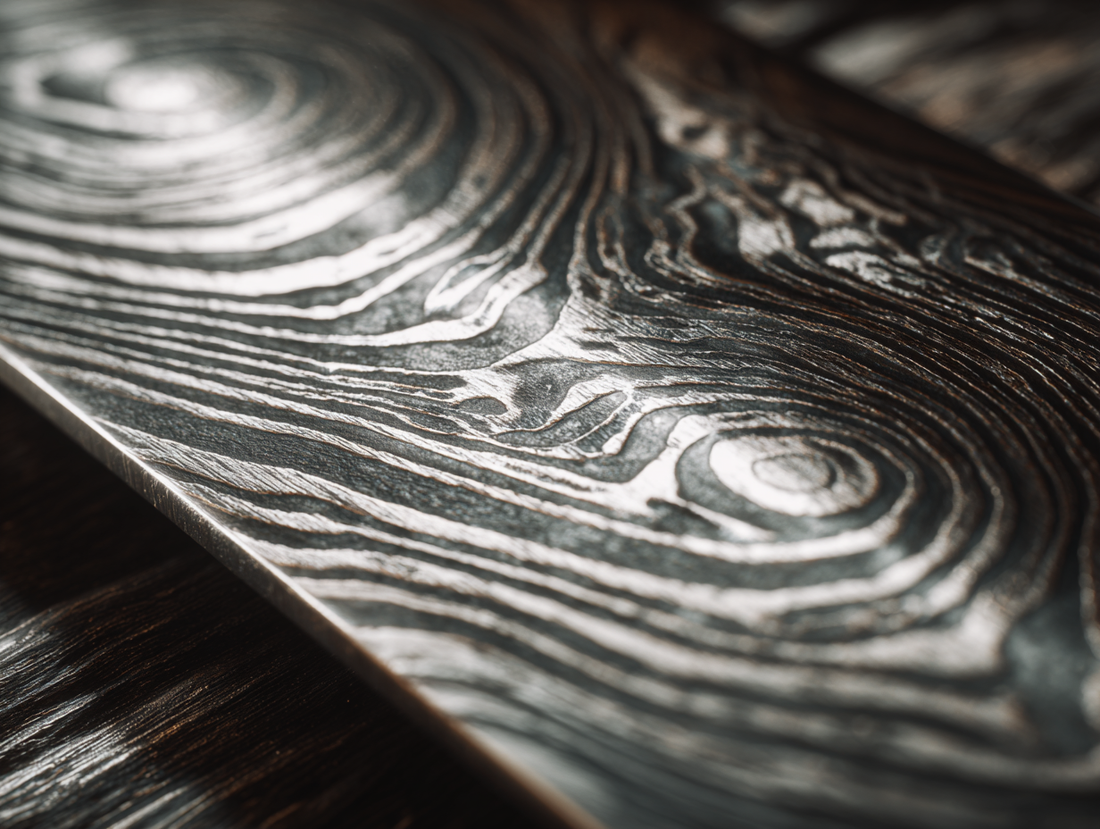
4. Damascus Steel – Unique and Decorative
Composition: Multiple layers of different steel types forge-welded together through traditional techniques. Characteristics: Distinctive wave-like patterns, balanced hardness and flexibility depending on the core steel composition. Best for: Collectors, display pieces, aesthetic appeal, ceremonial use.
Damascus steel remains visually stunning in 2025 and continues to captivate collectors worldwide. While performance varies based on its internal core composition, it's often chosen for its symbolic value, historical significance, and unique individuality that makes each blade one-of-a-kind.

How to Choose the Right Steel (Updated for 2025)
| Steel Type | Edge Retention | Flexibility | Ideal For |
|---|---|---|---|
| 1060 Carbon | ★★★☆☆ | ★★★☆☆ | Beginner, multipurpose use |
| 9260 Spring | ★★☆☆☆ | ★★★★★ | Practice, outdoor, heavy-duty use |
| T10 Tool | ★★★★★ | ★★☆☆☆ | Experienced users, serious collectors |
| Damascus | ★★★☆☆ | ★★★☆☆ | Display, artistic value, light cutting |

Conclusion
Choosing the right katana steel in 2025 depends entirely on your specific goals and intended use. If you're a first-time buyer, 1060 offers a reliable and proven entry point with decades of satisfied users. If you plan on regular cutting practice or intensive training, 9260 may be your most dependable ally. For pure sharpness and superior edge control, T10 remains unmatched among enthusiasts. And for those who want a piece of functional art with historical significance, Damascus delivers elegance with cutting capability.
Explore all our blade options in the Katana Customizer or browse our complete Katana Collection.
 Save $90