
Mini Katana: The Perfect Introduction to Japanese Sword Collecting
Share
The morning sun catches the polished steel of a miniature katana, its reflection dancing across the walls of a collector's study. At just twelve inches long, this diminutive blade carries the same reverence and mystique as its full-sized ancestors - the legendary swords that shaped a nation's history and forged the soul of the samurai. In your hands rests not merely a decorative piece, but a tangible connection to centuries of Japanese artistry, philosophy, and martial tradition.
Table of Contents
- The Historical Legacy of Miniature Japanese Blades
- Symbolism and Spiritual Significance
- Authentic Design Elements and Craftsmanship
- Featured Mini Katana Collection
- Collector's Guide to Choosing Your First Mini Katana
- Understanding Steel Types and Quality
- Why Choose Katana Canada
- Frequently Asked Questions
The Historical Legacy of Miniature Japanese Blades
The tradition of creating minikatana extends far beyond mere novelty - it represents a sacred practice rooted in Japanese culture spanning over four centuries. During the Edo period (1603-1868), master swordsmiths began crafting these scaled-down replicas as ceremonial gifts, training aids for young samurai, and devotional offerings to Shinto shrines dedicated to Hachiman, the god of war and culture. Buy Swords Online Canada: Minikatana: The Art of
These miniature blades, known as kozuka when referring to utility knives or mamorigatana when created as protective talismans, served multiple purposes in feudal Japanese society. Wealthy merchants and nobles commissioned them as symbols of status and connection to the warrior class, while master swordsmiths used them to demonstrate their techniques and train apprentices in the fundamental principles of blade geometry and steel folding.
The most renowned example comes from the legendary swordsmith Kotetsu (1593-1670), whose miniature works were prized by the Tokugawa shogunate. His tiny blades, no longer than eight inches, displayed the same meticulous attention to hamon (temper line) and hada (grain structure) as his full-sized masterpieces. These pieces often featured intricate kozuka handles adorned with family crests and served as both functional tools and artistic expressions.
During the Meiji Restoration (1868), when the samurai class was officially dissolved and sword-carrying banned, minikatana became even more significant. They allowed former warriors and their descendants to maintain connection to their heritage without violating new laws. Families passed these heirloom pieces through generations, preserving techniques and honoring ancestors who had served with honor on ancient battlefields.
Symbolism and Spiritual Significance
Beyond their historical importance, minikatana embody profound spiritual and philosophical concepts central to Japanese culture. The katana has always represented more than a weapon - it symbolizes the soul of the samurai, embodying virtues of honor, discipline, courage, and loyalty that formed the foundation of bushido, the way of the warrior.
In traditional Japanese belief, every blade possesses a spirit called tamashii. This spiritual essence doesn't diminish with size; a properly crafted minikatana carries the same reverence and protective power as its full-sized counterpart. Many collectors report feeling a sense of calm and focus when handling these pieces, attributing it to the meditative precision required in their creation.
The three fundamental virtues represented by the katana - gi (rectitude), rei (respect), and makoto (sincerity) - remain present regardless of the blade's dimensions. Master craftsmen approach miniature katana creation with the same ritual purification and focused intention used for full-sized swords. This process, known as misogi, involves spiritual cleansing through meditation, cold water ablution, and offerings to kami (spirits) believed to guide the smith's hands.
The curved design of the katana, called sori, represents the harmony between strength and flexibility - a philosophical concept applicable to both martial arts and daily life. When displayed in the home or office, a scaled-down katana serves as a constant reminder of these principles, encouraging reflection on balance, perseverance, and the pursuit of excellence in all endeavors.
Contemporary collectors often choose miniature Japanese swords as meditation aids, following the Japanese practice of ken zen ichi nyo - the unity of sword and zen. The act of mindful observation, appreciating the blade's lines and feeling its weight, becomes a form of moving meditation that connects the practitioner to centuries of Japanese wisdom and artistic tradition.
Authentic Design Elements and Craftsmanship
The creation of an authentic minikatana requires the same fundamental techniques used in full-sized sword production, scaled down with mathematical precision while maintaining proper proportions and functional integrity. Master craftsmen must demonstrate exceptional skill to achieve the complex geometry and metallurgical requirements in such a compact format.
The blade profile follows traditional katana design principles, featuring a gentle curve (sori) that typically measures between 0.5 to 1.2 centimeters on a twelve-inch blade. This curvature isn't merely aesthetic - it serves the practical purpose of optimal cutting geometry while distributing stress forces along the blade's length. The shinogi (ridge line) must be perfectly straight and centered, requiring precise hammer control during the forging process.
Authentic miniature katana display the characteristic hamon - the temper line created through differential hardening techniques perfected over centuries. This cloudy, wave-like pattern along the blade's edge results from applying clay mixture before heat treatment, causing different cooling rates between the spine and edge. Master smiths achieve various hamon patterns including notare (undulating waves), gunome (round formations), and suguha (straight lines), each requiring specific clay application techniques.
The tang (nakago) construction maintains traditional proportions, typically extending one-third the blade's total length into the handle. Hand-filed file marks (yasurime) and the smith's signature (mei) carved in ancient script authenticate the piece's heritage. Quality scaled-down swords feature properly fitted handles (tsuka) wrapped in silk or cotton cord (ito) over genuine ray skin (samegawa), providing both aesthetic beauty and functional grip.
Guard design (tsuba) represents another crucial element, often featuring intricate cutout patterns (sukashi) or relief work (katachi-mono) depicting nature scenes, family crests, or Buddhist symbols. These miniature masterpieces require specialized tools and techniques, with some featuring openwork so delicate that individual cherry blossoms or bamboo leaves can be distinguished despite the guard's tiny dimensions.
Featured Mini Katana Collection
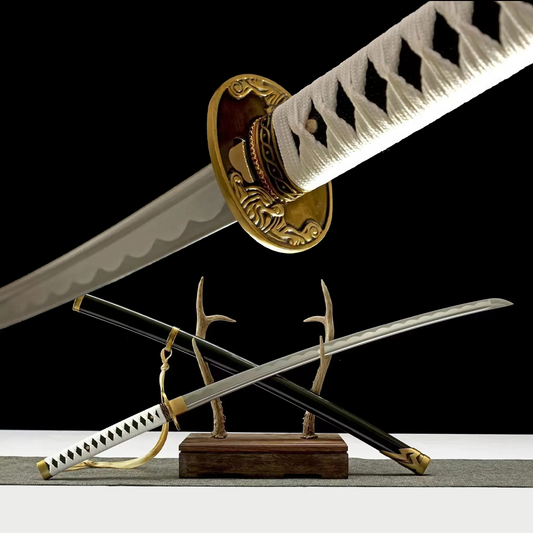
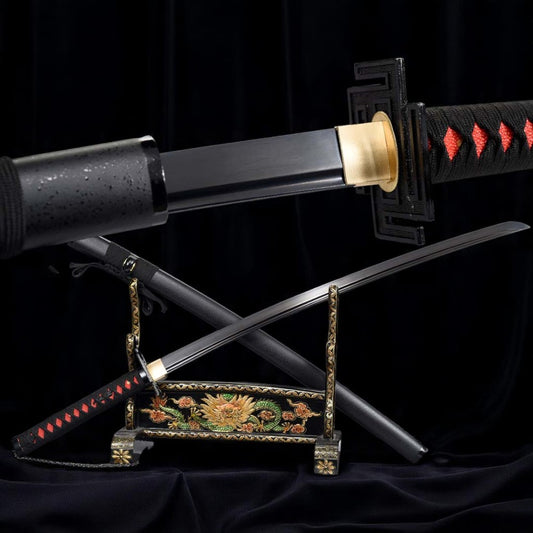
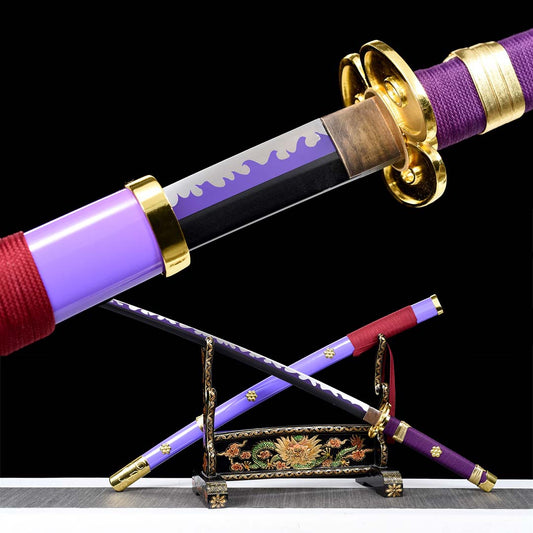
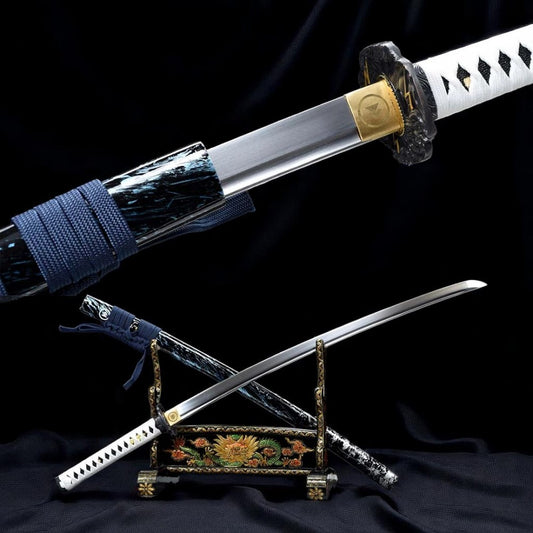
Unfortunately, we currently don't have specific minikatana products available in our inventory. However, for those interested in beginning their Japanese sword collecting journey, we recommend exploring our carefully curated selection of authentic katana that embody the same craftsmanship principles found in traditional compact blades.
Our Best Katana represents the pinnacle of contemporary Japanese sword artistry, featuring hand-forged construction using traditional techniques passed down through generations. This exceptional piece showcases:
• Differential hardening creating authentic hamon patterns
• Hand-folded steel construction for superior strength and beauty
• Traditional ray skin handle with silk cord wrapping
• Museum-quality lacquered scabbard with brass fittings
• Certificate of authenticity from master craftsman
⭐⭐⭐⭐⭐ "Absolutely stunning craftsmanship. The attention to detail is incredible, and it looks magnificent displayed in my home office. The balance and feel are perfect." - Michael S., Calgary, AB
For collectors seeking authentic traditional construction, our Hand Forged Katana offers exceptional value while maintaining historical accuracy. Each blade undergoes the time-honored process of multiple steel folding, creating the distinctive grain patterns prized by collectors worldwide. Key features include:
• Traditional tamahagane-style steel construction • Hand-forged blade with visible hada (grain structure) • Authentic differential tempering techniques • Custom-fitted habaki (blade collar) for perfect scabbard fit • Hand-carved wooden scabbard with traditional lacquer finish
⭐⭐⭐⭐⭐ "This sword exceeded all my expectations. The forging quality is outstanding, and I can actually see the individual fold lines in the steel. It's become the centerpiece of my collection." - Sarah L., Vancouver, BC
Our Authentic Katana provides an excellent introduction to traditional Japanese swordsmithing while remaining accessible to new collectors. This piece demonstrates classical proportions and authentic construction methods:
• Spring steel construction ensuring durability and flexibility • Hand-polished blade revealing natural steel grain patterns • Traditional handle construction with genuine ray skin • Historically accurate measurements and weight distribution • Complete with traditional sword maintenance kit
⭐⭐⭐⭐⭐ "Perfect for someone starting their collection. The quality is impressive for the price point, and it came with everything needed for proper care and maintenance." - David K., Toronto, ON
Each piece in our collection undergoes rigorous quality inspection to ensure authenticity and craftsmanship standards. Our commitment to traditional construction methods means every sword represents genuine Japanese artistry rather than mass-produced replicas. Whether displayed as an art piece or studied for its historical significance, these katana provide the same spiritual and aesthetic benefits associated with traditional miniature versions.
For those particularly interested in compact display options, our Mini Katana Collection offers various sizes and styles perfect for office displays, gift giving, or starting a comprehensive collection. These pieces maintain the essential elements of traditional katana design while providing practical advantages for contemporary collectors.
Collector's Guide to Choosing Your First Mini Katana
Selecting your first minikatana requires understanding the balance between authenticity, craftsmanship quality, and personal aesthetic preferences. Unlike full-sized katana, miniature versions offer unique considerations that can significantly impact both your collecting experience and long-term satisfaction with the piece.
Begin by establishing your primary purpose: display aesthetics, historical study, spiritual practice, or investment potential. Each goal influences different selection criteria. Display pieces prioritize visual impact and proportional accuracy, while study specimens require authentic construction details and proper metallurgy. Spiritual practitioners often prefer pieces with documented lineage or blessed by Shinto priests, whereas investors focus on provenance and master craftsman signatures.
Examine the blade's construction methodology carefully. Authentic scaled-down katana should display visible hamon (temper lines) created through differential hardening, not etched or painted imitations. Quality pieces feature hand-forged construction with folded steel creating natural grain patterns visible under proper lighting. The blade should feel substantial despite its size, indicating proper steel thickness and heat treatment.
Handle construction reveals manufacturing quality immediately. Genuine ray skin (samegawa) feels slightly rough with visible pore patterns, while synthetic alternatives appear uniformly smooth. Traditional silk cord wrapping (ito) should be tight and even, with diamond-shaped gaps (hineri) consistently spaced. Avoid pieces with loose wrapping or visible adhesive, indicating mass production rather than traditional assembly methods.
The scabbard (saya) quality often distinguishes authentic pieces from reproductions. Hand-carved wooden scabbards display natural grain variations and slight irregularities characteristic of individual craftsmanship. Machine-made versions appear perfectly uniform with consistent thickness and artificially smooth finishes. Quality lacquer work should feel smooth but not plastic-like, with subtle depth variations indicating multiple application layers.
Documentation accompanying the piece provides crucial authenticity verification. Legitimate compact swords include certificates detailing the smith's lineage, construction methods, steel composition, and creation date. Established smiths sign their work in traditional script (mei) carved into the tang, while apprentice work may feature school stamps or supervisor signatures.
Consider display requirements when selecting size and style. Office environments often suit shorter pieces (8-12 inches) with understated elegance, while home displays can accommodate longer examples showcasing elaborate fittings. Factor in stand quality and display case requirements, as proper presentation significantly impacts the piece's aesthetic impact and preservation.
Understanding Steel Types and Quality
The foundation of any exceptional katana, regardless of size, lies in the steel composition and heat treatment processes that transform raw metal into legendary cutting instruments. Understanding these metallurgical principles helps collectors appreciate the complexity behind seemingly simple miniature blades.
Traditional Japanese swords utilize tamahagane steel, produced through labor-intensive smelting processes in clay furnaces called tatara. Modern compact katana typically employ high-carbon steels like Carbon Steel">1060, 1095, or specialized alloys that approximate historical compositions while ensuring consistency and availability. Each steel type offers distinct characteristics affecting blade performance, appearance, and maintenance requirements.
1060 carbon steel contains 0.60% carbon content, providing excellent flexibility and shock resistance ideal for decorative pieces subjected to handling. This composition creates beautiful hamon patterns while remaining relatively easy to maintain, making it perfect for beginning collectors. The steel's moderate hardness (typically 50-55 HRC) allows for detailed engraving work and intricate guard designs without brittleness concerns.
1095 carbon steel, with its higher 0.95% carbon content, achieves superior edge retention and dramatic hamon contrasts prized by serious collectors. However, this composition requires more careful maintenance due to increased rust susceptibility. Master smiths prefer 1095 for demonstration pieces showcasing advanced techniques, as the steel responds dramatically to differential hardening processes.
Damascus steel construction represents the pinnacle of metallurgical artistry, combining multiple steel types through folding and forge-welding techniques. Authentic Damascus miniature pieces display flowing patterns (hada) created through hundreds of folds, with each layer contributing different properties. These pieces require master-level skill to execute properly in miniature scale, commanding premium prices from serious collectors.
The differential hardening process (yaki-ire) creates the characteristic hamon line separating the hard edge (hagane) from the softer spine (mune). Clay application before heating controls cooling rates, with master smiths adjusting recipes for desired visual effects. Proper execution requires precise temperature control - typically 1,475°F for initial heating, followed by water or oil quenching depending on steel composition.
Modern quality control ensures consistent results through computerized temperature monitoring and controlled atmosphere furnaces. However, the finest pieces still rely on master craftsmen's experience and intuition, with subtle variations in timing and technique creating unique character in each blade. This human element distinguishes authentic handcrafted pieces from mass-produced alternatives, justifying premium pricing for discerning collectors.
Why Choose Katana Canada
As a dedicated Canadian company, Katana Canada understands the unique needs of collectors across our vast nation. Our commitment extends beyond simply offering exceptional Japanese swords - we provide comprehensive Canadian customer service that ensures every interaction reflects our values of respect, authenticity, and cultural appreciation.
Operating as a Canadian company means we eliminate the frustration of customs fees and international shipping complications that plague collectors purchasing from overseas suppliers. Every transaction processes in Canadian dollars, providing transparent pricing without currency conversion surprises or international banking fees. This approach allows collectors to focus on selecting the perfect piece rather than calculating hidden costs.
Our bilingual team provides expert consultation in both French and English, ensuring every Canadian collector receives personalized guidance regardless of their preferred language. We understand that choosing a katana represents a significant cultural and personal investment, warranting detailed discussions about authenticity, craftsmanship, and historical significance. Our specialists bring decades of combined experience in Japanese sword arts, metallurgy, and collecting to every conversation.
Beyond sales support, our Canadian customer service commitment extends to ongoing education and maintenance guidance. We provide detailed care instructions specific to Canadian climate conditions, addressing humidity challenges in coastal regions and dry conditions across the prairies. This localized knowledge helps preserve your investment while honoring the sword's cultural heritage.
Our dedication to the Canadian collecting community includes partnerships with local martial arts schools, cultural organizations, and museums. These relationships ensure we remain connected to the practical applications and spiritual significance of Japanese sword arts, informing our selection process and educational resources.
Frequently Asked Questions
Q: How can I verify if a minikatana is authentically crafted using traditional Japanese techniques?
Authentic compact katana display several key indicators of traditional construction. Examine the hamon (temper line) carefully - genuine differential hardening creates organic, flowing patterns that vary in width and intensity along the blade's length. Machine-etched imitations appear perfectly uniform with sharp, artificial edges. The tang should bear hand-carved characters or file marks (yasurime) in traditional patterns, never machine stamps or laser engravings. Quality pieces exhibit natural steel grain (hada) visible under proper lighting, resembling wood grain patterns created through folding techniques. Handle construction using genuine ray skin feels distinctly textured with visible pores, while synthetic alternatives remain uniformly smooth. Documentation should include detailed provenance information, smith lineage, and construction methodology. Reputable dealers provide certificates of authenticity from recognized Japanese sword organizations or master craftsmen. Price often reflects authenticity - genuine hand-forged pieces require substantial time investment, making extremely low prices suspicious indicators of mass production rather than traditional craftsmanship.
Q: What materials distinguish high-quality miniature katana from mass-produced replicas?
Premium scaled-down swords utilize high-carbon steel compositions (1060, 1095, or Damascus varieties) capable of achieving proper hardness gradients through traditional heat treatment. The blade should feel substantial despite its size, indicating proper steel thickness and professional tempering. Authentic ray skin (samegawa) handle wrapping displays natural pore patterns and slight color variations characteristic of genuine materials, while synthetic alternatives appear artificially uniform. Traditional silk cord (ito) provides proper grip texture and ages naturally over time, unlike nylon substitutes that maintain artificial appearance indefinitely. Wooden components like the scabbard (saya) should exhibit natural grain patterns and hand-finishing marks rather than machine-sanded uniformity. Brass or bronze fittings develop natural patina over time, while cheap alloys maintain unchanging metallic shine. Quality lacquer work requires multiple application layers creating subtle depth, contrasting with thin, plastic-like coatings used on mass-produced pieces. Guard (tsuba) construction should demonstrate hand-finishing techniques with slight irregularities proving individual craftsmanship rather than stamped uniformity. Documentation materials printed on quality paper with traditional calligraphy indicate legitimate provenance, while photocopied certificates suggest questionable authenticity.
Q: What size specifications should I consider when selecting a compact sword for display purposes?
Miniature Japanese swords typically range from 6 to 18 inches in total length, with 12-inch versions offering optimal balance between visual impact and display convenience. Consider your available space carefully - office environments often suit 8-10 inch pieces that provide elegant presence without overwhelming desk arrangements. Home displays can accommodate longer examples up to 15 inches, particularly when featured in dedicated sword stands or wall mounts. The blade-to-handle ratio should maintain traditional proportions approximately 3:1, ensuring authentic appearance regardless of overall size. Weight becomes crucial for wall-mounted displays - properly constructed pieces feel substantial without creating mounting stress. Scabbard width affects stand compatibility, with traditional dimensions requiring specific display hardware. Consider viewing angles when determining optimal length - shorter pieces work better in close examination settings, while longer examples create dramatic visual impact from across rooms. Handle length must accommodate traditional grip positioning even in miniature scale, typically requiring minimum 4-inch dimensions for proper aesthetic proportions. Factor in stand height requirements, as longer blades need elevated displays to showcase their full profile. Remember that authentic scaled-down pieces maintain functional geometry principles regardless of size, distinguishing them from purely decorative items lacking proper proportional relationships.
Q: How should I properly care for and maintain my compact katana to preserve its condition?
Proper miniature sword maintenance begins with regular inspection for signs of corrosion, particularly in Canada's varying humidity conditions. Clean the blade monthly using traditional choji oil or specialized sword care products, never household cleaners that can damage steel or remove patina. Apply oil sparingly with lint-free cloth, working from spine to edge in consistent strokes. Remove the blade from its scabbard periodically to prevent moisture accumulation that promotes rust formation. Store in climate-controlled environments avoiding temperature extremes and humidity fluctuations common in Canadian basements or attics. Handle the piece with clean, dry hands or cotton gloves to prevent skin oils from causing corrosion spots. Inspect the handle wrapping for looseness or wear, tightening carefully if necessary using traditional techniques rather than modern adhesives. Check scabbard fit regularly - pieces should slide smoothly without binding or rattling, indicating proper humidity levels. Avoid displaying near heating vents, direct sunlight, or moisture sources that accelerate deterioration. Professional maintenance every few years ensures optimal condition, particularly for investment-quality pieces requiring expert assessment. Document any changes in appearance or condition to track aging patterns and identify potential issues early. Store horizontally on proper stands rather than vertically to prevent gravitational stress on mounting points and maintain blade geometry over time.
Q: What display options work best for showcasing compact Japanese swords in home or office settings?
Traditional wooden display stands (katana-kake) provide authentic presentation while protecting the blade and facilitating easy viewing. Choose stands proportioned to your blade length - oversized stands overwhelm smaller pieces while undersized options appear unstable. Horizontal displays showcase the blade's full profile and curvature, ideal for appreciating metallurgical features like hamon patterns and steel grain. Vertical wall mounts save space while creating dramatic visual impact, particularly effective for longer pieces displayed at eye level. Consider lighting carefully - indirect illumination reveals steel details without causing heat damage, while direct sunlight creates harmful UV exposure and temperature fluctuations. Display cases provide protection from handling while maintaining visibility, essential for valuable pieces or high-traffic areas. Rotate displayed pieces periodically to ensure even light exposure and prevent permanent mounting impressions. Background colors affect visual impact significantly - neutral tones complement traditional aesthetics while darker backgrounds enhance blade contrast. Avoid placing near electronics generating electromagnetic fields or heat sources that affect steel composition over time. Group displays should maintain respectful spacing honoring each piece's individual significance rather than crowded arrangements. Include informational placards discussing historical context and craftsmanship details to enhance educational value. Consider seasonal adjustments for Canadian climate changes, moving pieces away from heating sources during winter and ensuring adequate ventilation during humid summer months. Professional display consultation ensures optimal presentation while preserving long-term value and cultural significance of your collection.
Q: Are there legal restrictions on owning compact katana in Canada, and what documentation should I maintain?
Miniature sword ownership remains legal throughout Canada as decorative items and cultural artifacts, falling outside weapons regulations due to their size and intended purpose. However, maintain proper documentation proving authentic status and legal acquisition to avoid potential customs complications when traveling or moving between provinces. Keep purchase receipts, authenticity certificates, and any provenance documentation in secure, accessible locations. Some provinces require registration for bladed items exceeding specific lengths, though most compact pieces fall below these thresholds. Check municipal bylaws regarding display in commercial settings, as some business districts maintain restrictions on visible weapon representations regardless of actual legal status. Transportation requires reasonable precautions - carry documentation and transport in appropriate cases to demonstrate legitimate collecting purposes rather than concealment intentions. International travel with scaled-down swords requires advance customs declarations and may face restrictions depending on destination countries' specific regulations. Insurance coverage benefits from detailed documentation including photographs, appraisals, and provenance records establishing authenticity and value. Professional appraisals provide legal protection and accurate valuation for insurance purposes, particularly important for investment-grade pieces. Maintain records of any maintenance or modifications performed by qualified professionals to preserve historical integrity and legal standing. Consider consulting local legal experts familiar with weapons regulations if uncertain about specific pieces or circumstances, particularly for items approaching size thresholds or featuring unusual characteristics that might generate regulatory questions during official inspections.
Conclusion
The journey into minikatana collecting opens doorways to centuries of Japanese artistry, philosophy, and cultural heritage that continues enriching lives across generations. These remarkable pieces offer more than mere decoration - they provide tangible connections to the samurai spirit, embodying principles of honor, discipline, and artistic excellence that remain as relevant today as they were in feudal Japan.
Whether you're drawn to the meditative qualities of Japanese steel, the historical significance of traditional craftsmanship, or simply the aesthetic beauty of these miniature masterpieces, each authentic piece represents a worthwhile investment in cultural appreciation and personal enrichment. The compact nature of miniature swords makes them accessible to collectors with space limitations while maintaining the spiritual and artistic impact of their full-sized counterparts.
As you embark on or continue your collecting journey, remember that each piece carries forward the legacy of master craftsmen whose dedication to perfection transcended mere functionality to achieve true artistry. By choosing authentic, quality pieces and treating them with proper respect and care, you become part of an unbroken chain preserving these cultural treasures for future generations.
At Katana Canada, we're honored to guide fellow enthusiasts toward pieces that will provide years of satisfaction and deeper understanding of Japanese culture. Our commitment to authenticity, quality, and Canadian customer service ensures your collecting experience reflects the same standards of excellence embodied in the swords themselves. Begin your journey today, and discover how these remarkable compact blades can transform your appreciation for one of humanity's most sophisticated art forms.
 Save $90