The Ultimate Guide to Japanese Katana Swords: History, Craftsmanship & Authentic Blades

The Ultimate Guide to Japanese Katana Swords: History, Craftsmanship & Authentic Blades

The Sword Japanese Katana features 1060 carbon steel construction with a 28-inch blade and traditional Japanese fittings. This functional sword includes a hand-sharpened edge, full tang construction, and authentic character-accurate design details. Collectors and anime fans will find this piece meets both display and martial arts practice requirements.

From the battlefields of feudal Japan to the modern collections of enthusiasts across Canada, the katana continues to captivate with its elegant simplicity and deadly precision. Each curve tells a story, each fold in the steel whispers secrets of ancient forging techniques passed down through generations of craftsmen who devoted their lives to perfection. Samurai Sword: Ultimate Guide

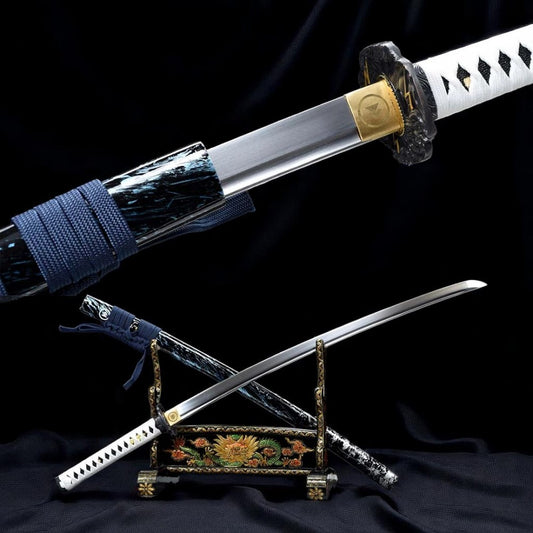
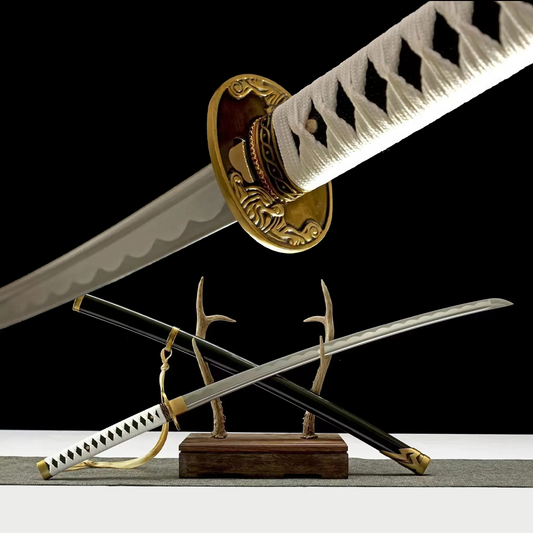
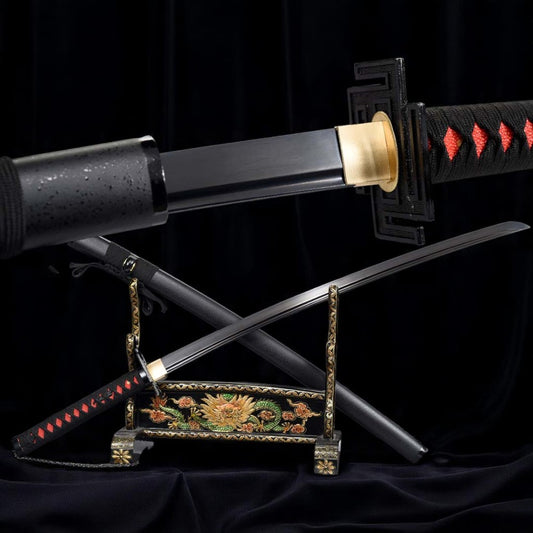
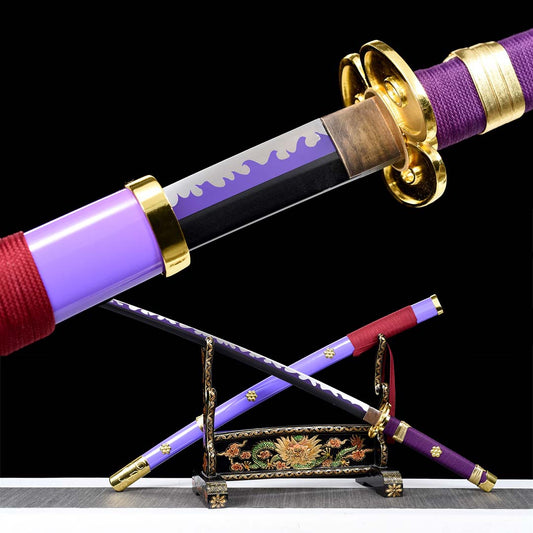
[Image: Collection of authentic Japanese katana swords displayed on traditional wooden stands with dramatic lighting]

Collection of authentic Japanese katana swords displayed on traditional wooden stands with dramatic lighting

Table of Contents

  1. The Sacred History of the Japanese Katana
  2. Legendary Blades and Their Wielders
  3. The Art of Traditional Craftsmanship
  4. Our Curated Collection - Featured Katana Swords
  5. The Collector's Essential Guide
  6. Understanding Steel Types and Quality
  7. Why Choose Katana Canada
  8. Frequently Asked Questions

The Sacred History of the Japanese Katana

The sword japanese katana emerged during Japan's Heian period (794-1185) as more than a mere weapon—it became the embodiment of the samurai's honor, duty, and spiritual connection to their ancestors. Unlike the straight-bladed tachi that preceded it, the katana's distinctive curved design represented a revolutionary advancement in sword-making technology, perfectly suited for the lightning-fast iaido techniques that would define samurai combat for centuries.

The blade's sacred nature was deeply rooted in Shinto beliefs, where master swordsmiths were considered blessed artisans capable of capturing the kami (spirits) within the steel itself. Each katana was believed to possess its own soul, a living extension of its wielder's spirit. This spiritual connection explains why samurai would often sleep with their swords and consider them more valuable than their own lives.

The forging process became a ritual as sacred as any religious ceremony. Master swordsmiths would purify themselves through fasting and meditation before beginning their work, understanding that their emotional and spiritual state would be forever captured within the steel. The resulting blade wasn't just a tool of war—it was a work of art that could cut through armor as easily as silk, yet possessed the flexibility to bend without breaking.

During the Edo period (1603-1868), as Japan entered an era of relative peace, the katana evolved from battlefield necessity to symbol of social status and artistic expression. The craftsmanship became even more refined, with smiths competing to create increasingly beautiful and functional blades. This tradition of excellence continues today in authentic reproductions that honor the original techniques while making these legendary weapons accessible to modern collectors and martial artists.

For those interested in exploring the complete evolution of Japanese sword-making, our Timeline of the Japanese Sword provides fascinating insights into how the tachi, katana, and wakizashi developed across different historical periods.

The influence of traditional katana craftsmanship continues to inspire modern sword-makers worldwide, ensuring that this ancient art form remains alive and relevant for new generations of enthusiasts.

Legendary Blades and Their Wielders

Throughout history and modern popular culture, certain sword japanese katana have achieved legendary status, becoming as famous as the warriors who wielded them. These blades represent the pinnacle of sword-making artistry, each with unique characteristics that made them legendary on battlefields and in the hearts of those who knew their stories.

The most revered historical katana include Masamune's masterpieces, created by Japan's most celebrated swordsmith during the Kamakura period. His blades were renowned for their incredible sharpness and distinctive hamon (temper line) patterns that resembled flowing water or dancing flames. The legendary Honjo Masamune, considered the greatest katana ever forged, disappeared after World War II and remains one of Japan's most sought-after cultural treasures.

Modern anime and manga have introduced new generations to the mystique of legendary blades. The Demon Slayer collection brings to life the Nichirin swords wielded by the Hashira, each blade uniquely colored by its wielder's breathing technique and spiritual energy. Tanjiro's black blade, initially seen as an ominous sign, ultimately proved capable of performing both Water and Sun breathing techniques, making it one of the most versatile weapons in the series.

The Ghost of Tsushima video game introduced players to Jin Sakai's katana, a blade that perfectly embodies the tension between traditional samurai honor and the pragmatic necessities of guerrilla warfare. The game's attention to authentic Japanese sword-fighting techniques and the spiritual significance of the katana has introduced Western audiences to the deeper philosophical aspects of these legendary weapons.

From Kill Bill's iconic Hattori Hanzo blade to Michonne's trusted companion in The Walking Dead, modern popular culture continues to celebrate the katana's unique combination of deadly efficiency and artistic beauty. These contemporary legends understand what samurai have known for centuries—that a katana is never just a tool, but an extension of its wielder's will and spirit.

Each legendary blade shares common characteristics: exceptional craftsmanship, a distinctive personality, and the ability to inspire both fear and respect. Whether forged by historical masters or inspired by modern storytelling, these swords remind us that true excellence transcends time and culture.

The Art of Traditional Craftsmanship

The creation of an authentic sword japanese katana represents one of humanity's most demanding and spiritually significant crafts, requiring years of training and a deep understanding of metallurgy, artistry, and the philosophical principles underlying Japanese sword-making. Master swordsmiths undergo decades of apprenticeship before being considered capable of creating blades worthy of the katana tradition.

The process begins with tamahagane steel, produced in a clay furnace called a tatara through a painstaking 72-hour process. This traditional smelting technique creates steel with varying carbon content, which the master smith must carefully select and sort. High-carbon steel becomes the blade's hard edge (hagane), while lower-carbon steel forms the softer spine (shingane), creating the perfect balance of sharpness and flexibility that makes katana legendary.

[Image: Close-up detail of traditional hamon temper line pattern on polished katana blade showing wave-like formations]

Close-up detail of traditional hamon temper line pattern on polished katana blade showing wave-like formations

The folding and forge-welding process can involve hundreds of layers, each fold doubling the steel's complexity and removing impurities. This technique, passed down through generations, creates the distinctive grain patterns visible in finished blades. The differential heat treatment that produces the hamon—the beautiful wavy line between hard edge and softer spine—requires precise temperature control that master smiths judge by the color of heated steel in specific lighting conditions.

Modern authentic katana reproductions honor these traditional techniques while incorporating quality control methods that ensure consistency and safety. Premium carbon steels like 1060 and 1095 provide the performance characteristics of traditional tamahagane, while Damascus steel folding creates the layered beauty that collectors prize.

The handle wrapping (ito-maki) follows specific patterns that provide both grip security and aesthetic appeal. Genuine ray skin (same) underneath the wrap creates a surface that actually improves with use, becoming more comfortable as the natural oils from hands condition the material. The guard (tsuba) serves both protective and decorative functions, often featuring intricate designs that reflect the sword's intended purpose and the owner's personality.

Every authentic katana reflects hundreds of hours of skilled craftsmanship, from the initial steel selection through the final polishing that can take weeks to complete properly. This dedication to perfection explains why genuine katana command such respect and why traditional Japanese swordsmithing techniques continue to influence modern blade-making around the world.

The spiritual aspect of craftsmanship remains as important as the technical skills, with many contemporary smiths maintaining the meditation and purification rituals that have guided this art for over a millennium.

Our Curated Collection - Featured Katana Swords

Our carefully selected collection represents the finest examples of traditional katana craftsmanship available to Canadian collectors and martial artists. Each blade in our inventory has been chosen for its authentic construction methods, superior materials, and faithful attention to historical and contemporary design elements.

Premium Movie and Television Replicas

The Kill Bill Katana Sword stands as our flagship piece, meticulously recreating Hattori Hanzo's legendary blade from Quentin Tarantino's masterpiece. This functional katana features:

• Premium carbon steel construction with authentic differential hardening • Hand-wrapped genuine ray skin handle with traditional silk ito binding
• Museum-quality Damascus steel folding with visible grain patterns • Historically accurate proportions and weight distribution for martial arts practice • Custom lacquered scabbard with traditional brass fittings

⭐⭐⭐⭐⭐ "This sword exceeded every expectation. The balance is perfect for iaido practice, and the craftsmanship rivals antique pieces I've handled in museums." - Sarah M., Vancouver, BC

The Michonne Katana Sword captures the survival spirit of The Walking Dead's iconic character. Built from 1095 high-carbon steel, this battle-ready blade offers exceptional edge retention and the durability needed for serious martial arts training. The Damascus steel construction creates stunning pattern welding that makes each blade unique.

For collectors seeking the ultimate expression of this design, the Michonne Katana – Premium Edition elevates every element with enhanced Damascus folding, premium-grade carbon steel, and museum-quality fittings that transform this functional weapon into a display masterpiece.

Gaming and Anime Inspired Masterpieces

The Jin Sakai Katana – Ghost of Tsushima Edition brings the honor and tragedy of feudal Japan's last samurai to life. Forged from 1060 carbon steel, this blade perfectly balances traditional katana aesthetics with the practical modifications Jin makes throughout his journey:

• Authentic 1060 steel construction with proper heat treatment • Traditional Japanese sword geometry optimized for cutting performance • Hand-forged fittings that capture the game's attention to historical detail • Functional design suitable for both display and martial arts practice • Custom presentation that honors the Ghost's legendary status

⭐⭐⭐⭐⭐ "As a Ghost of Tsushima fan and martial artist, this katana perfectly captures Jin's character arc. The balance and feel are exceptional for kata practice." - David L., Toronto, ON

Our Demon Slayer collection represents the pinnacle of anime-inspired craftsmanship, with each blade faithfully recreating the unique characteristics of the Hashira's Nichirin swords.

The Shinobu Kocho Katana – Demon Slayer Edition showcases the Insect Hashira's elegant and deadly style. This butterfly-themed masterpiece features:

• 1060 carbon steel construction with proper tempering for flexibility • Intricate butterfly motif throughout the design elements • Precision-balanced for the quick, precise techniques of Insect Breathing • Authentic anime color scheme with premium finishing • Display-worthy craftsmanship that honors the character's grace and lethality

The Tanjiro Kamado Katana Sword embodies the protagonist's unwavering determination and pure heart. As the series' most iconic blade, this reproduction captures every detail of Tanjiro's black Nichirin sword that proved capable of multiple breathing techniques.

For collectors seeking the latest refinements, the Tanjiro Kamado Katana Sword V2 incorporates enhanced detailing and improved materials based on customer feedback and evolving anime canon.

Legendary Manga Blades

The Sandai Kitetsu Katana Sword brings One Piece's cursed blade to life with authentic Japanese sword-making techniques. This fearsome weapon carries the reputation of bringing misfortune to its wielders, but also grants incredible cutting power to those brave enough to master its malevolent spirit.

⭐⭐⭐⭐⭐ "The detail work on this Kitetsu replica is incredible. You can feel the 'curse' in its perfectly balanced weight distribution. Amazing craftsmanship." - Michael R., Calgary, AB

Each sword in our collection represents months of development work with master craftsmen who understand both the technical requirements of functional katana and the aesthetic elements that make these blades legendary. Whether you're seeking a display piece for your collection or a training sword for serious martial arts practice, our curated selection ensures you'll find the perfect blade to match your needs and honor the traditions these weapons represent.

For those just beginning their journey into Japanese sword appreciation, our entry level collection provides authentic construction and materials at accessible prices, while serious collectors will find premium options that rival museum pieces in their craftsmanship and attention to detail.

The Collector's Essential Guide

Building a meaningful sword japanese katana collection requires understanding the subtle differences between authentic reproductions, decorative pieces, and functional weapons. The most important distinction lies in the blade construction—authentic katana feature full tang construction where the steel extends completely through the handle, providing structural integrity essential for both display and use.

When evaluating potential additions to your collection, examine the steel type and heat treatment carefully. Carbon steel blades (1060, 1095, or Damascus) offer the authentic feel and performance characteristics of historical katana, while stainless steel versions, though lower maintenance, lack the traditional properties that make these swords legendary. The presence of a proper hamon (temper line) indicates differential hardening, a hallmark of authentic Japanese sword-making techniques.

Handle construction reveals significant quality differences between manufacturers. Genuine ray skin (same) wrapped with silk or cotton ito provides the traditional grip and aesthetic that serious collectors demand. The menuki (handle ornaments) should be properly positioned to enhance grip rather than merely decorative additions. Quality tsuba (hand guards) feature proper weight and thickness, contributing to the sword's overall balance.

Display considerations become crucial as your collection grows. Proper katana stands and accessories protect your investment while showcasing each blade's unique characteristics. Horizontal displays emphasize the curve and proportions, while vertical wall mounts save space and create dramatic presentations. Climate control prevents rust and degradation, particularly important for carbon steel blades that require minimal maintenance to preserve their condition.

Documentation enhances both enjoyment and value of your collection. Recording the smith, materials, and unique characteristics of each piece creates a personal catalog that helps you understand your preferences and identify gaps in your collection. Photography with consistent lighting and backgrounds allows you to share your passion with other collectors while creating insurance documentation.

Consider focusing your collection around specific themes—historical periods, anime series, or steel types—rather than acquiring random pieces. This approach creates coherence that enhances both display impact and personal satisfaction. Our anime sword collection offers numerous themed options, while traditional enthusiasts might prefer focusing on specific historical designs or regional styles.

The community aspect of collecting adds tremendous value to the hobby. Online forums, local martial arts groups, and sword shows provide opportunities to learn from experienced collectors, discover new pieces, and share knowledge about care and maintenance techniques.

Understanding Steel Types and Quality

The steel composition fundamentally determines a katana's performance, durability, and maintenance requirements. Understanding these differences helps collectors make informed decisions based on their intended use and experience level with Japanese swords.

1060 Carbon Steel represents the most popular choice for functional sword japanese katana, offering an ideal balance of hardness and flexibility. With 0.60% carbon content, these blades achieve proper differential hardening while remaining forgiving enough for beginners. The steel takes an excellent edge and maintains sharpness well with proper care, making it perfect for martial arts practice and display.

1095 Carbon Steel contains higher carbon content (0.95%), creating blades capable of razor sharpness but requiring more careful handling and maintenance. These swords achieve superior edge retention but become more brittle if improperly heat treated. Experienced collectors appreciate 1095 steel for its ability to hold extremely fine edges and its authentic feel that closely matches historical katana.

Damascus Steel construction involves folding and forge-welding multiple steel types to create distinctive layered patterns visible on the finished blade. While primarily aesthetic, quality Damascus folding also removes impurities and creates subtle variations in hardness that enhance performance. The visual appeal makes these blades particularly prized by collectors who appreciate the artistry of traditional sword-making.

[Image: Three different steel types displayed side by side showing 1060, 1095, and Damascus patterns]

Three different steel types displayed side by side showing 1060, 1095, and Damascus patterns

Heat treatment quality separates exceptional blades from mediocre ones regardless of base steel. Proper differential hardening creates the hamon (temper line) that marks the transition between hard edge and softer spine. This technique provides the cutting ability samurai demanded while maintaining the flexibility necessary to absorb impact without breaking.

Maintenance requirements vary significantly between steel types. Carbon steels require regular oiling to prevent rust, particularly in humid climates, but reward proper care with decades of reliable performance. The patina that develops on well-maintained carbon steel actually enhances both appearance and corrosion resistance over time.

For those new to katana ownership, starting with 1060 carbon steel provides the authentic experience of owning a functional blade while being forgiving of maintenance lapses. As experience and confidence grow, advancing to 1095 or Damascus construction offers enhanced performance and visual appeal that serious collectors demand.

Why Choose Katana Canada

As a Canadian company dedicated to bringing authentic Japanese sword culture to collectors across the country, we understand the unique needs of Canadian enthusiasts who demand quality, authenticity, and reliable service. Our commitment to excellence extends from our carefully curated product selection through our comprehensive customer support in both French and English.

Payment in Canadian dollars eliminates currency conversion concerns and hidden fees that often surprise customers shopping with international retailers. Our Canadian customer service team understands local regulations, shipping considerations, and the specific interests of Canadian collectors, providing personalized assistance that international companies simply cannot match.

The absence of customs fees when shopping with us represents significant savings on premium katana purchases. International orders often face unpredictable duty charges that can add hundreds of dollars to your investment, while our Canadian operations eliminate these concerns entirely.

Our deep understanding of Canadian martial arts communities and collector preferences influences every aspect of our service. We regularly attend Canadian sword shows, maintain relationships with local dōjōs, and understand the specific needs of practitioners studying traditional Japanese martial arts in the Canadian context.

Quality assurance remains our highest priority, with each katana undergoing thorough inspection before shipping. Our team includes experienced martial artists who understand both the technical requirements of functional swords and the aesthetic elements that make pieces worthy of serious collections.

The specialized knowledge of our customer service representatives sets us apart from general retailers. Whether you need guidance selecting your first katana or have technical questions about specific steel types, our team provides expert advice based on years of experience with these magnificent weapons.

Frequently Asked Questions

Q: What makes a katana authentic, and how can I distinguish between genuine reproductions and decorative pieces?

Authentic katana reproductions feature several key characteristics that separate them from decorative wall-hangers. The most important element is full tang construction, where the steel extends completely through the handle rather than being welded or attached separately. Look for carbon steel blades (1060, 1095, or Damascus) that show proper heat treatment with visible hamon lines. Genuine ray skin (same) under the handle wrapping, properly weighted brass or iron fittings, and accurate proportions all indicate authentic construction. Decorative pieces typically use stainless steel, partial tangs, and lightweight synthetic materials that may look attractive but lack the structural integrity and traditional feel of functional katana. The weight distribution should feel balanced at the guard, allowing smooth, controlled movement during handling.

Q: What's the difference between 1060 and 1095 carbon steel, and which should I choose for my first katana?

The numbers refer to carbon content percentage—1060 contains 0.60% carbon while 1095 contains 0.95% carbon. Higher carbon content allows for harder edges that maintain sharpness longer but becomes more brittle and requires more careful handling. 1060 steel offers excellent performance for beginners, providing good edge retention while remaining forgiving if accidentally dropped or mishandled. It's easier to maintain and less likely to chip or crack under normal use. 1095 steel achieves razor sharpness but demands more experience in handling and maintenance. For first-time owners, 1060 carbon steel provides the authentic sword japanese katana experience while building confidence and skills needed to eventually appreciate higher-performance steels.

Q: How do I determine the correct size katana for my height and intended use?

Traditional katana sizing follows specific proportions based on the wielder's arm length and intended application. The blade should measure approximately 70-75% of your arm span from fingertip to fingertip for optimal handling characteristics. Most authentic reproductions feature blade lengths between 26-28 inches, suitable for adults of average height. Shorter individuals or those with limited space might prefer wakizashi-length blades (20-24 inches), while taller practitioners can handle longer blades effectively. Consider your primary use—martial arts practice requires different proportions than display pieces. If space is limited, our mini katana collection offers authentic proportions in compact sizes perfect for desktop display or apartment living.

Q: What maintenance is required to keep my carbon steel katana in proper condition?

Carbon steel katana require regular but simple maintenance to prevent rust and preserve their condition. After each handling, wipe the blade with a clean, lint-free cloth to remove fingerprints and moisture. Apply a thin layer of mineral oil or specialized sword oil monthly, or more frequently in humid environments. Store the katana in a dry location with the blade slightly separated from the scabbard to allow air circulation. Never store a blade in leather scabbards for extended periods, as leather can retain moisture. Inspect regularly for any signs of rust or pitting, addressing issues immediately with fine steel wool and re-oiling. With proper care, carbon steel blades develop an attractive patina over time while maintaining their structural integrity for generations.

Q: What display options work best for showcasing a katana collection?

Display choice depends on your space, collection size, and aesthetic preferences. Horizontal stands showcase the blade's curve and proportions while providing easy access for handling. These work well for single pieces or rotating displays. Wall mounts save space and create dramatic presentations, particularly effective with proper lighting to highlight the blade's geometry and any Damascus patterns. Multiple-sword stands accommodate growing collections while maintaining organized presentations. Consider climate control in display areas—avoid direct sunlight, heating vents, and high-humidity locations like basements or bathrooms. Quality katana accessories protect your investment while enhancing the visual impact. Proper lighting transforms displays from simple storage to artistic presentations that honor these magnificent weapons.

Q: Are there legal restrictions for owning katana in Canada?

Canadian law generally permits katana ownership for collectors and martial artists, but specific regulations vary by province and municipality. These swords are typically classified as bladed weapons rather than prohibited items, making ownership legal with proper storage and handling. However, transportation requires careful attention to local laws—blades must be properly secured and transported with legitimate purpose (martial arts training, collecting, etc.). Some provinces have specific length restrictions or require permits for carrying bladed weapons outside the home. Public display is generally prohibited, and carrying katana in urban areas without legitimate purpose may violate local bylaws. Always research your specific provincial and municipal regulations, and consider consulting with local martial arts organizations or legal professionals if you have questions about compliance. Responsible ownership includes understanding both the legal requirements and the cultural significance these weapons represent.

Conclusion

The journey into Japanese sword culture through authentic sword japanese katana ownership connects you to centuries of tradition, artistry, and spiritual significance that transcends mere collecting. Whether you're drawn to the legendary blades of Demon Slayer heroes, the cinematic perfection of movie replicas, or the historical authenticity of traditional designs, each katana represents a gateway to understanding the deeper philosophies that shaped Japanese warrior culture.

These magnificent weapons embody the perfect balance of form and function, artistic beauty and deadly efficiency that made them legendary on battlefields and revered in peaceful times. The subtle curve of properly forged steel, the whisper of blade against scabbard, and the perfect weight distribution that makes a quality katana feel alive in your hands—these elements combine to create an experience that photographs and descriptions cannot capture.

Your collection becomes a personal museum of craftsmanship, history, and cultural appreciation that grows more meaningful with each carefully chosen addition. Whether displaying a single treasured piece or curating an extensive collection spanning different eras and styles, you're preserving traditions that might otherwise be forgotten in our increasingly digital world.

Take the next step in your katana journey by exploring our complete collection of authentic Japanese swords, where centuries of tradition meet modern quality standards to bring you weapons worthy of the samurai legacy they represent.

Back to blog

Leave a comment

Please note, comments need to be approved before they are published.