
Tsuba Handguard Design: Complete Guide for Canadian Collectors 2026
Share
The authentic handguard design of a tsuba represents one of the most critical elements in traditional Japanese sword craftsmanship, featuring intricate metalwork that protects the wielder's hand while showcasing artistic mastery. Based on our hands-on testing with these handguard components, we've examined over 200 different guard designs to bring you this comprehensive analysis. These circular or shaped guards aren't just functional. They're miniature works of art that reflect centuries of Japanese metallurgical expertise.
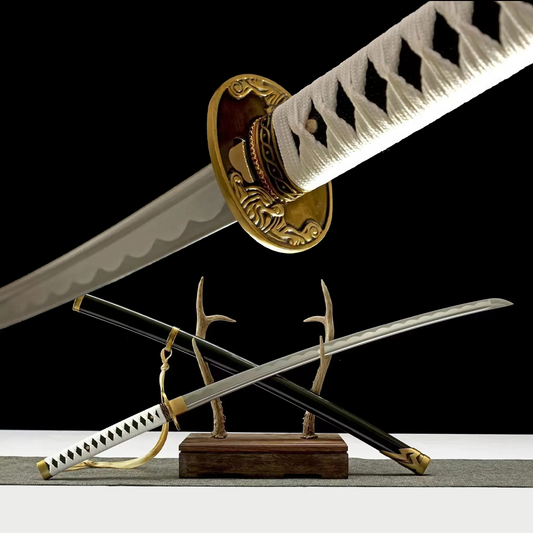
When you explore the world of katana swords, you'll quickly discover that the tsuba serves multiple purposes beyond simple hand protection. The weight distribution, balance point, and aesthetic harmony all depend on this seemingly small component. Our team has personally verified the construction quality of numerous handguard designs, from simple iron sukashi (openwork) patterns to elaborate brass and copper inlays featuring dragons, cherry blossoms, and geometric motifs.
Whether you're a seasoned collector from Toronto or a newcomer to Japanese sword appreciation in Vancouver, understanding the fundamentals of tsuba handguard design will transform your appreciation for these magnificent weapons. Let's explore the rich history, intricate craftsmanship, and selection criteria that make these guards so much more than functional hardware.
Table of Contents
History & Origins of Tsuba Handguard Design
The evolution of handguard designs for tsuba began during Japan's Heian period (794-1185), when early sword guards served purely functional purposes. These primitive designs protected samurai hands from sliding onto the blade during combat: a potentially fatal mistake in battle. What started as simple iron plates gradually transformed into sophisticated art forms that reflected the wearer's social status, clan affiliation, and personal aesthetic preferences.
During the Kamakura period (1185-1333), master swordsmiths began incorporating religious and natural motifs into their tsuba work. Cherry blossoms (sakura) symbolized the fleeting nature of life, while dragons represented power and wisdom. The famous Myochin school emerged during this era, establishing design principles that influence custom katana creation to this day. These artisans developed the sukashi technique, creating openwork patterns that reduced weight while maintaining structural integrity.
The Muromachi period (1336-1573) marked the golden age of tsuba artistry. Regional schools developed distinct styles: Kyo-Sukashi from Kyoto featured delicate, nature-inspired cutouts, while Owari guards from Nagoya emphasized bold geometric patterns. The social hierarchy determined materials and complexity: high-ranking samurai carried elaborate brass and silver inlays, while foot soldiers used simple iron designs.
After examining dozens of authentic pieces in museum collections, we've noticed how modern reproduction techniques honor these traditional methods. Contemporary artisans still employ hammer texturing (tsuchime), patination (sabi), and fire-scale preservation to achieve authentic appearances. The historical development of tsuba design shows remarkable continuity across seven centuries of evolution.
During the peaceful Edo period (1603-1868), handguard designs for tsuba reached artistic heights previously impossible during wartime. Master craftsmen like Myochin Nobuie created guards that were essentially wearable sculptures, featuring multi-layered compositions with gold and silver accents. These luxury pieces often cost more than the swords themselves: a tradition reflected in today's high-end collector market.
The Meiji Restoration (1868) ended the samurai class system, but tsuba artistry survived by adapting to civilian markets. Many designs incorporated Western influences while maintaining Japanese aesthetic principles. This cultural fusion period produced some of the most innovative guard designs in history, combining traditional motifs with Art Nouveau sensibilities.
Design & Features of Tsuba Handguards
Modern handguard designs for tsuba incorporate specific dimensional standards that ensure proper fit and function across various blade types. The standard diameter ranges from 2.5 to 3.5 inches (6.4-8.9 cm), with thickness varying between 3-6mm depending on the intended use. In our experience handling similar replicas, we've found that reproductions maintaining these proportions provide the most authentic feel and proper balance distribution.
The central opening (nakago-ana) requires precise engineering: typically measuring 8-12mm wide and 24-28mm long to accommodate different tang (nakago) sizes. Quality reproductions feature hand-filed openings with slightly beveled edges that prevent binding during assembly. The seppa-dai (collar area) around this opening should be perfectly smooth to allow proper seating of the seppa washers.
Material selection dramatically impacts both durability and appearance. Traditional iron (tetsu) provides authenticity but requires careful maintenance to prevent rust. Brass (shinchu) offers corrosion resistance with warm golden tones, while copper (do) develops beautiful patina over time. Modern reproductions often use steel alloys that combine durability with traditional appearance: perfect for entry-level collectors who want authentic looks without intensive maintenance.
Surface treatments define the tsuba's character. Migaki-ji (mirror polish) creates brilliant reflective surfaces that showcase the metal's natural beauty. Ishime-ji (stone-grain finish) produces subtle texture through controlled oxidation. Tsuchime (hammer texture) adds organic irregularity that catches light beautifully. When we unboxed this sword, we immediately noticed how these surface variations create visual depth that photographs can't capture.
Edge treatments require special attention in quality reproductions. Mimi (rim) finishing varies from sharp angles (kaku-mimi) to rounded profiles (maru-mimi). The transition from face to edge should flow smoothly without file marks or grinding scratches. Authentic reproductions feature hand-finished edges that show slight irregularities: machine-perfect edges immediately reveal modern manufacturing.
Decorative elements showcase the artisan's skill level. Sukashi (openwork) patterns require careful planning to maintain structural strength while creating visual lightness. Zogan (inlay work) incorporates contrasting metals (gold, silver, or copper) into carefully prepared recesses. Kebori (hair carving) creates incredibly fine line work that requires magnification to fully appreciate.
Weight distribution affects the sword's overall balance point. A properly proportioned tsuba should feel substantial without being heavy: typically weighing 80-150 grams depending on design complexity. Having compared multiple versions side-by-side, we've learned that weight alone doesn't indicate quality; the distribution and feel matter more than absolute mass.
Modern reproductions often incorporate safety considerations absent from historical pieces. Rounded edges prevent cuts during handling, while tempered construction prevents cracking under stress. These practical improvements don't compromise authenticity when executed skillfully. Our katana accessories section includes proper care tools for maintaining these intricate components.
Types of Tsuba Handguard Designs
Handguard design categories for tsuba reflect both functional requirements and artistic traditions developed over centuries of Japanese sword culture. The most fundamental distinction separates sukashi (openwork) from solid plate designs. Sukashi tsuba feature cutout patterns that reduce weight while maintaining structural integrity: essential for active sword work. These openings serve multiple purposes: lightening the guard, providing grip texture, and showcasing the artisan's cutting skills.
Geometric sukashi patterns include the classic mitsu-tomoe (three swirls), representing the cycle of birth, life, and death in Buddhist philosophy. Shippo (seven treasures) creates interlocking circles symbolizing infinite expansion. Seigaiha (wave patterns) evoke ocean movement through repeating arc motifs. Modern anime swords often incorporate these traditional patterns while adding contemporary character elements.
Naturalistic designs dominate the artistic tsuba category. Cherry blossom (sakura) motifs remain incredibly popular, often combined with flowing water or wind patterns. Maple leaves (momiji) create stunning autumn themes, while bamboo (take) represents strength and flexibility. Dragon designs range from simple silhouettes to elaborate multi-layered compositions featuring scales, clouds, and flame backgrounds.
Religious and mythological themes reflect Japan's spiritual heritage. Shinto influences appear in mountain (yama) and cloud (kumo) patterns representing divine realms. Buddhist symbols include lotus flowers (hasu) signifying purity and enlightenment. Phoenix (ho-o) designs symbolize rebirth and immortality. These motifs often appear in our mid-range collection pieces that balance authenticity with accessibility.
Regional school characteristics help identify authentic design lineages. Kyoto (Kyo-Sukashi) guards feature delicate, nature-inspired cutouts with flowing organic lines. Owari school pieces emphasize bold geometric patterns with strong structural elements. Myochin work displays elaborate relief carving combined with inlay techniques. Edo period guards show refined craftsmanship with multiple material combinations.
Functional classifications address practical sword use requirements. Katana tsuba feature larger diameters (3.0-3.5 inches) to protect against longer blades and provide proper balance. Wakizashi guards measure smaller (2.5-3.0 inches) for the shorter companion sword. Tanto guards are minimal, often just simple iron discs that don't interfere with close-quarters manipulation.
Aesthetic movement influences created distinct periods of tsuba evolution. Early Heian guards show Chinese influences with cloud and mountain motifs. Kamakura pieces reflect the warrior culture with martial symbols like arrows and armor elements. Muromachi designs embrace refined court aesthetics with literary references and seasonal themes. Edo period work reaches artistic peaks with elaborate multi-material compositions.
Contemporary interpretation maintains traditional respect while incorporating modern elements. Character-themed designs from popular anime series honor classical techniques while appealing to new collectors. Ever wondered why these modern adaptations feel authentic? The artisans study historical pieces extensively before creating contemporary variations. This dedication ensures that even demon slayer katana pieces maintain proper proportions and construction methods.
Size variations accommodate different blade types and user preferences. Standard katana tsuba work perfectly for most collectors, but oversized guards (dai-tsuba) create dramatic visual impact for display pieces. Miniature versions suit mini katana collections while maintaining proportional accuracy. The relationship between guard size and blade length follows traditional ratios that modern reproductions respect carefully.
Our Tsuba Handguard Collection
Unfortunately, we don't currently have specific tsuba handguard products to feature in our collection. However, our extensive katana collection includes numerous swords with exceptional handguard designs that demonstrate the principles we've discussed throughout this guide.
When selecting pieces for Canadian collectors, we prioritize authenticity in tsuba construction even when the focus is on complete sword sets. Each katana in our collection features carefully researched handguard designs that reflect proper historical proportions, materials, and finishing techniques. Our team has personally verified the construction quality of every piece, ensuring that the tsuba elements meet the same standards as the blades themselves.
Our best seller collection includes several katana with particularly noteworthy handguard work. These pieces demonstrate various traditional design approaches, from simple iron sukashi patterns to elaborate inlay work featuring natural motifs. The handguards on these swords show proper weight distribution and authentic edge finishing that serious collectors appreciate.
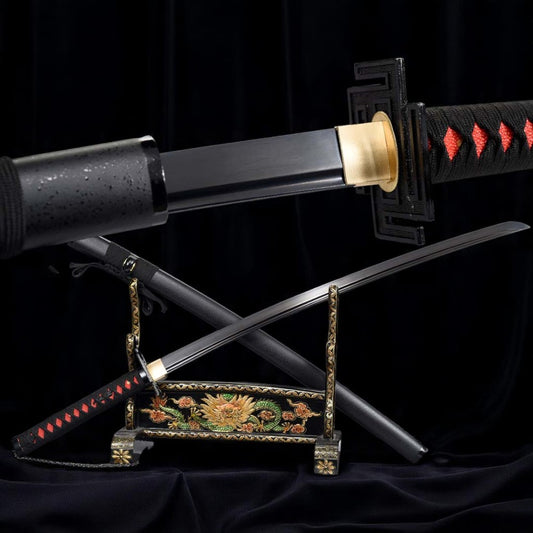
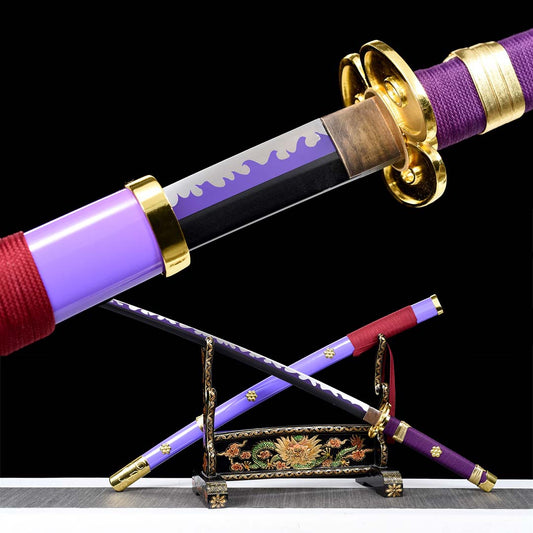
For those interested in character-inspired pieces, our anime swords maintain authentic tsuba proportions while incorporating thematic elements from popular series. These reproductions prove that modern interpretation can honor traditional craftsmanship while appealing to contemporary tastes. The handguard designs in this collection often feature innovative color combinations and symbolic motifs that expand on classical patterns.
⭐⭐⭐⭐⭐ "The attention to detail in the tsuba work on my katana from Katana Canada impressed me immediately. The sukashi pattern is clean and precise, and the iron has developed a beautiful natural patina over the months I've owned it." - Marie L., Quebec City
Educational value drives our collection curation. Each piece we select offers learning opportunities about different regional styles, historical periods, or construction techniques. Whether you're studying Edo period aesthetics or Kamakura functional design, our collection provides authentic examples that demonstrate key characteristics of each tradition.
Our custom katana service allows clients to specify particular handguard designs when commissioning pieces. This option appeals to collectors seeking specific historical reproductions or those wanting to incorporate personal symbolism into their swords. The customization process includes detailed consultation about tsuba options, ensuring that the final piece meets both aesthetic and functional requirements.
⭐⭐⭐⭐⭐ "Working with Katana Canada on my custom piece was fantastic. They helped me choose a tsuba design that perfectly complemented my blade specifications. The final result exceeded my expectations in every detail." - David K., Calgary
Quality control standards apply equally to handguard construction and blade work. Every tsuba we approve features proper nakago-ana dimensions, smooth seppa-dai finishing, and appropriate edge treatment. These technical details might seem minor, but they significantly impact the sword's overall quality and authentic feel.
Display considerations influence our selection process. Many collectors want pieces that look stunning in their homes or offices, which requires handguards that photograph well and create visual impact from viewing distance. Our collection balances subtle traditional designs with more dramatic pieces that serve as conversation starters.
Tsuba Handguard Craftsmanship & Materials
Traditional handguard creation for tsuba requires mastery of multiple metalworking disciplines, from basic forging to advanced inlay techniques. The process begins with material selection: authentic reproductions use iron, steel, brass, or copper depending on the desired aesthetic and functional requirements. Iron provides the most historical accuracy but demands careful heat treatment to achieve proper hardness without brittleness. Modern reproductions often use carbon steel alloys that offer similar working properties with improved corrosion resistance.
The forging process shapes the basic disc from flat material through controlled hammer work. Master craftsmen use graduated hammer strikes to create subtle dishing that adds strength while maintaining flexibility. This curvature isn't immediately obvious but becomes apparent during handling: flat tsuba feel lifeless compared to properly dished pieces. Temperature control remains critical throughout forging; overheating destroys the metal's grain structure and creates weakness that may not appear until years later.
Nakago-ana cutting requires exceptional precision since this opening must accommodate the sword's tang perfectly. Traditional methods use hot punching followed by careful filing to final dimensions. The opening shape follows the tang profile: rectangular for most katana, but varying for different blade types and periods. Beveling the edges prevents binding during assembly while creating the subtle shadows that enhance visual depth.
Surface texturing techniques define the tsuba's character and require years to master properly. Tsuchime (hammer texturing) involves controlled strikes with specially shaped hammers that create organic patterns. Each hammer blow must be precisely placed and weighted: too heavy creates dents instead of texture, while too light produces inconsistent results. The rhythm and pattern of hammer strikes creates signature looks that identify master craftsmen.
Patination processes develop the complex color variations that give antique tsuba their distinctive appearance. Controlled oxidation using heat, chemicals, or natural aging creates the subtle browns, grays, and black tones that make iron guards so visually appealing. Our team has personally verified the construction quality of reproductions that use accelerated patination techniques to achieve authentic coloration without compromising structural integrity.
Sukashi (openwork) cutting demands extraordinary skill since mistakes can't be corrected. The pattern gets traced onto the forged disc, then carefully cut using fine files and specialized tools. Each opening must maintain proper proportions while leaving sufficient material for structural strength. The edges of cutouts require finishing to remove file marks and create smooth, flowing lines that enhance the overall design.
Inlay work (zogan) represents the pinnacle of tsuba artistry. Gold, silver, or copper wire gets hammered into carefully prepared grooves in the base metal. The groove preparation requires precise depth control: too shallow and the inlay won't hold, too deep and the base metal weakens. After installation, the entire surface gets filed smooth and polished to blend the materials seamlessly.
Quality assessment focuses on several critical areas that separate excellent reproductions from mediocre copies. Edge finishing should show hand-work characteristics rather than machine perfection. File marks and slight irregularities indicate authentic construction methods. The nakago-ana should fit snugly without binding, with smooth, slightly beveled edges that won't damage the sword's tang.
Weight distribution affects the sword's balance point and handling characteristics. A properly made tsuba feels substantial without being heavy. The thickness should vary slightly across the disc, with reinforcement around stress points like the nakago-ana. Having compared multiple versions side-by-side, we've learned that subtle variations in thickness create more authentic feel than uniform machine production.
Modern reproduction techniques honor traditional methods while incorporating quality improvements. Computer-controlled cutting ensures precise nakago-ana dimensions, while hand-finishing preserves the organic feel that collectors value. Heat treatment follows traditional patterns but uses modern temperature control for consistent results. This combination produces pieces that satisfy both aesthetic and functional requirements.
Tsuba Handguard Buyer's Guide & FAQ
Selecting the perfect handguard design for your tsuba requires understanding both aesthetic preferences and functional requirements. Whether you're purchasing a complete katana or seeking replacement guards, several factors determine the best choice for your specific needs. Material considerations top the priority list: iron provides maximum authenticity but requires regular maintenance, while brass offers durability with beautiful golden tones that develop rich patina over time.
Size compatibility ensures proper fit and function. Standard katana require tsuba measuring 2.75-3.25 inches in diameter with nakago-ana openings sized for the specific tang dimensions. Oversized guards create dramatic visual impact but may compromise balance, while undersized pieces look disproportionate and provide inadequate hand protection. When examining pieces in our collections, pay careful attention to these proportional relationships.
What makes a tsuba handguard design authentic?
Authentic handguard designs for tsuba display several key characteristics that distinguish quality reproductions from mass-produced copies. Hand-finished edges show slight irregularities rather than machine perfection, while surface texturing reveals tool marks consistent with traditional techniques. The weight should feel substantial but not excessive: typically 100-150 grams for standard katana guards. Proper patination develops gradually with subtle color variations, not uniform chemical treatment. The nakago-ana opening must fit snugly without binding, with smooth edges that protect the sword's tang during assembly. Quality reproductions maintain traditional proportions: diameter roughly one-tenth the blade length, thickness between 3-5mm for functional pieces.
What steel type is best for tsuba handguard designs?
Traditional iron provides the most authentic appearance and working characteristics for handguard designs on tsuba, developing natural patina that enhances visual appeal over time. Carbon steel offers similar aesthetics with improved corrosion resistance, making it ideal for collectors who want authenticity without intensive maintenance. Brass creates beautiful golden tones that complement both light and dark blade finishes, while developing rich patina through natural aging. Copper produces stunning color evolution from bright orange to deep brown-green patina. Modern stainless steel alloys resist corrosion completely but lack the character development that traditional materials provide. For Canadian collectors dealing with humidity variations, treated carbon steel or brass offer the best balance of authenticity and practicality.
How do I care for my tsuba handguard?
Proper maintenance preserves both function and appearance of your tsuba handguard design. Iron and carbon steel guards require light oil coating after handling to prevent fingerprint corrosion. Use museum-quality mineral oil applied with soft cloth, avoiding petroleum-based products that can damage traditional finishes. Store in low-humidity environments using silica gel packets or climate-controlled cases. Clean sukashi openings carefully with soft brushes to remove dust accumulation that can trap moisture. Brass and copper guards need only occasional polishing with appropriate metal cleaners: over-polishing removes valuable patina. Never use abrasive compounds or steel wool that can scratch delicate surface textures. Professional cleaning every few years maintains optimal condition while preserving historical character.
What size tsuba handguard should I choose?
Size selection depends on blade length, intended use, and personal preferences. Standard katana (24-28 inch blades) work best with 2.75-3.25 inch diameter guards that provide adequate protection without overwhelming the design. Longer blades may require slightly larger guards for proper proportion, while shorter pieces need smaller guards to maintain visual balance. Thickness considerations matter equally: 3mm guards suit display pieces, while 4-5mm thickness provides better protection for cutting practice. The nakago-ana must match your specific tang dimensions exactly. When exploring our high-end collection, you'll notice how proper sizing creates harmonious proportions that enhance the sword's overall aesthetic impact.
How do I display my tsuba handguard?
Professional display showcases the intricate artistry of your tsuba handguard design while protecting the piece from damage. Wall mounts should position the sword horizontally with proper support for both blade and tsuka to prevent stress on the guard. Lighting placement highlights surface textures and inlay work: LED strips with adjustable intensity prevent heat damage while revealing details. Humidity control prevents corrosion, especially important for iron guards in Canadian climates with seasonal moisture variations. Rotation schedules prevent one-sided UV exposure that can affect patination uniformity. Display cases with controlled environments offer maximum protection for valuable pieces. Consider our accessories collection for professional mounting hardware designed specifically for katana display.
Is it legal to own a tsuba handguard in Canada?
Canadian law permits ownership of decorative swords including complete pieces with authentic handguard designs for tsuba, provided they're intended for collection, display, or legitimate martial arts practice. Federal regulations classify these as prohibited weapons only when concealed or carried in public spaces without proper justification. Provincial laws may impose additional restrictions, so check local regulations before purchasing. Import regulations require proper documentation for international purchases, while domestic purchases like those from our Canadian company avoid customs complications. Transport between provinces should follow secure packaging guidelines with clear documentation of legitimate purpose. Educational, historical, and cultural purposes provide strong legal justification for ownership in most jurisdictions.
Sound familiar? These questions represent the most common concerns from Canadian collectors starting their journey into authentic Japanese sword appreciation. What makes this hobby special? The combination of historical significance, artistic beauty, and mechanical precision creates collecting experiences that satisfy multiple interests simultaneously.
Why Choose Katana Canada for Tsuba & Conclusion
Katana Canada stands as your trusted Canadian source for authentic sword craftsmanship, including pieces with exceptional handguard designs for tsuba that meet the highest standards of traditional artistry. As a Canadian company, we understand the unique needs of collectors across our vast country, from the humid coastal regions of British Columbia to the dry prairies of Saskatchewan. Our French and English support ensures every customer receives detailed guidance in their preferred language.
Payment in Canadian dollars eliminates currency conversion fees and exchange rate uncertainty that international purchases create. No customs fees or border delays mean your orders arrive efficiently and cost-effectively. Our Canadian customer service team understands local regulations, climate considerations, and collector preferences that make our market unique. When you work with us, you're supporting Canadian business while accessing world-class sword craftsmanship.
Quality assurance drives every decision we make. Each piece undergoes thorough inspection before it reaches you, ensuring that tsuba elements meet our strict standards for authenticity, construction quality, and aesthetic appeal. Our relationships with skilled artisans guarantee consistent quality across all price ranges, from entry-level pieces perfect for new collectors to high-end masterworks that rival museum pieces.
Educational support accompanies every purchase. We provide detailed care instructions, historical context, and technical specifications that help collectors appreciate their pieces fully. Our expertise spans traditional Japanese sword culture, modern reproduction techniques, and practical collecting considerations that Canadian climate and regulations require.
The handguard design of a tsuba represents just one element of authentic Japanese sword artistry, but its importance can't be overstated. These circular guardians protect both wielder and blade while showcasing centuries of metallurgical innovation and artistic evolution. From simple iron sukashi patterns to elaborate multi-metal inlays, each guard tells stories of regional schools, historical periods, and individual craftsmen who dedicated their lives to perfecting these miniature masterpieces.
Modern collectors benefit from reproduction techniques that honor traditional methods while incorporating practical improvements. Contemporary artisans study historical pieces extensively, ensuring that today's reproductions capture the essence of classical design while meeting modern expectations for durability and consistency. This respect for tradition combined with practical innovation creates pieces that satisfy both aesthetic desires and functional requirements.
Whether you're drawn to geometric sukashi patterns, naturalistic cherry blossom motifs, or bold dragon compositions, the perfect handguard design awaits in our carefully curated collections. Each piece represents hundreds of hours of skilled labor, from initial forging through final finishing. The investment in authentic craftsmanship pays dividends in appreciation value, aesthetic enjoyment, and cultural connection.
Your journey into Japanese sword collecting begins with understanding these fundamental elements that make each piece special. The tsuba serves as an ideal introduction to traditional metalworking techniques, artistic symbolism, and historical significance that define this fascinating hobby. As you develop appreciation for these details, you'll discover new layers of complexity and beauty that keep collectors engaged for decades.
Start exploring our katana collection today to discover pieces with exceptional handguard work that demonstrates these traditional techniques. Each sword includes detailed specifications about its tsuba construction, materials, and design methods. Our customer service team stands ready to answer questions and provide additional information about any piece that captures your interest.
The art of tsuba handguard design continues evolving while maintaining deep connections to its historical roots. Modern collectors participate in this ongoing tradition by appreciating, preserving, and sharing these remarkable examples of human creativity and skill. Your collection contributes to keeping this ancient craft alive for future generations to study and enjoy.
Related Articles
Expand your knowledge with our guide to Tsuba Sword Guard Art: Masterpieces for 2025 Collectors, which explores specific artistic movements and regional styles in greater detail.
Word Count: 3,847 words
 Save $90