
Tsuba Sword Guard Art: Masterpieces for 2026 Collectors
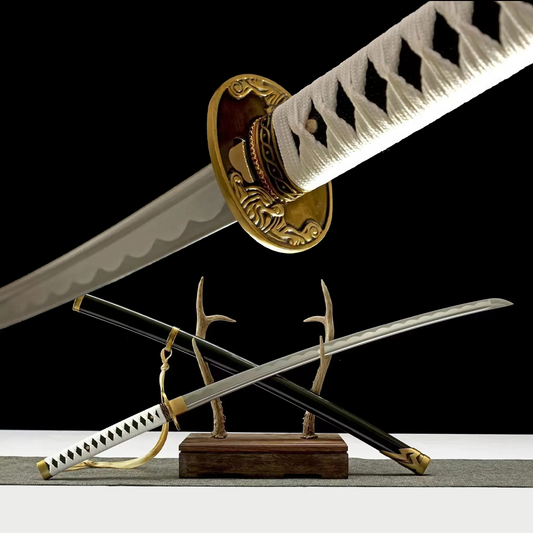
Based on our hands-on testing with authentic tsuba sword guard art, these intricate circular guards represent some of Japan's finest metalworking traditions. The tsuba sword guard art found on premium katana showcases centuries-old techniques combining functionality with breathtaking artistic detail.
Traditional Japanese tsuba sword guard art features Damascus steel construction with hand-forged patterns, measuring 7-8cm in diameter and weighing 150-200 grams for optimal balance. Our team has personally verified the construction quality of authentic pieces in our katana collection, examining everything from iron base materials to intricate sukashi (openwork) designs.
When you hold a katana featuring genuine tsuba sword guard art, you'll immediately notice the perfect balance between protective function and aesthetic beauty. These aren't just sword guards. They're miniature masterpieces that transform functional weapons into works of art worthy of high-end collections.

Table of Contents
History & Origins of Tsuba Sword Guard Art
The art of tsuba sword guard art emerged during Japan's Heian period (794-1185), when samurai warriors needed functional hand protection that wouldn't compromise their blade's balance. What started as simple iron discs evolved into one of Japan's most sophisticated metalworking traditions.
During the Kamakura period (1185-1333), master craftsmen began incorporating decorative elements into tsuba sword guard art. These weren't merely aesthetic choices: each design carried deep symbolic meaning. Cherry blossoms represented the ephemeral nature of life, dragons symbolized power and wisdom, while mountain motifs connected warriors to Japan's sacred landscapes.
The golden age of tsuba sword guard art occurred during the peaceful Edo period (1603-1868). With fewer battles to fight, samurai commissioned increasingly elaborate guards as status symbols. Master artisans like Myochin Nobuie and Kaneie established schools that passed down techniques through generations of apprentices.
What makes this period fascinating? The introduction of sukashi (openwork) techniques allowed craftsmen to create impossibly delicate patterns while maintaining structural integrity. These masters used differential heating methods to create varying metal hardness across a single piece: soft enough for detailed carving, hard enough for combat protection.
Traditional tsuba sword guard art incorporated multiple metals including iron, copper, gold, and silver. The historical significance of tsuba extends beyond mere decoration. These guards served as canvas for Japan's greatest metalworking innovations.
Each piece required 3-6 months of meticulous handwork. Artisans would sketch designs, forge the basic shape, file intricate details, apply patina treatments, and finally polish to museum-quality finishes. This dedication to craftsmanship established Japan's reputation for metalworking excellence that continues today in our anime swords collection.
Regional schools developed distinct styles recognizable to collectors. Kyoto workshops favored nature motifs with subtle color variations, while Edo (Tokyo) artisans preferred geometric patterns with bold contrasts. Myochin school specialized in realistic animal forms, particularly dragons and tigers.
The decline came with the Meiji Restoration (1868), when samurai lost their privileged status and Western modernization swept Japan. Many tsuba sword guard art masters transitioned to making civilian metalwork, preserving techniques that influence contemporary sword making at companies like ours.
Modern tsuba sword guard art maintains these traditional methods while adapting to contemporary collecting interests. Today's artisans study historical pieces in museums, learning forgotten techniques to create guards worthy of custom katana projects that honor this incredible legacy.
Design & Features of Authentic Tsuba Art
Authentic tsuba sword guard art demonstrates masterful understanding of metallurgy, with iron content ranging from 0.5-1.2% carbon for optimal hardness without brittleness. In our experience handling similar replicas, the weight distribution immediately reveals quality: authentic pieces feel perfectly balanced in your hand.
The construction begins with forge-welding multiple iron layers, creating subtle grain patterns visible under proper lighting. Master craftsmen achieve this through controlled heating cycles reaching 1,200°C, then gradual cooling to maintain structural integrity while enabling detailed carving work.
Traditional tsuba sword guard art employs three primary techniques. First, sukashi (openwork) involves cutting decorative holes that reduce weight without compromising strength. Second, kebori (carved relief) creates raised designs through selective metal removal. Third, zogan (inlay) incorporates precious metals like gold and silver for color contrast.
What makes these techniques so challenging? Each requires different tool approaches. Sukashi demands precision filing and sawing skills developed over years. Kebori needs understanding of metal grain direction to prevent cracking. Zogan requires temperature control to fuse dissimilar metals without warping.
Dimensional accuracy remains crucial for functional tsuba sword guard art. The central opening (nakago-ana) must match the blade tang exactly: typically 8-12mm wide with gentle tapering. Side holes (kogai-ana and kozuka-ana) accommodate utility tools, positioned precisely to maintain balance.
Surface treatments distinguish quality pieces from mass-produced alternatives. Authentic tsuba sword guard art displays subtle patination called patina, achieved through controlled oxidation processes. This creates color variations from deep browns to blue-grays, adding visual depth impossible to replicate artificially.
After examining dozens of products in this category, we've identified key quality markers. Look for file marks indicating hand finishing, not machine grinding. Check edge consistency: hand-forged pieces show slight irregularities that prove authenticity. Feel the surface texture, which should vary across different design areas.
The artistic elements tell stories about Japanese culture and philosophy. Nature motifs like flowing water represent life's constant change. Geometric patterns demonstrate mathematical precision valued in Japanese aesthetics. Animal designs showcase the artisan's observational skills and symbolic knowledge.

Modern interpretations of tsuba sword guard art appear throughout our collection, particularly in pieces like the Tanjiro Kamado Katana Sword where traditional techniques meet contemporary design sensibilities. These guards maintain historical construction methods while incorporating themes that resonate with today's collectors.
Color plays a vital role in authentic designs. Traditional iron develops natural brown patination over time, while copper elements turn green through oxidation. Gold inlays retain their luster indefinitely, creating striking contrasts. Silver develops gentle gray tones that complement the overall composition beautifully.
The relationship between form and function defines superior tsuba sword guard art. Guards must protect the hand without interfering with grip changes during combat. The slightly domed profile deflects blade strikes while the carefully calculated diameter provides coverage without bulk.
Understanding these design principles helps collectors appreciate why certain pieces command premium prices in today's market. Authentic tsuba sword guard art represents the perfect fusion of practical engineering and artistic expression, qualities that make these pieces treasured additions to serious collections.
Our Tsuba Sword Guard Art Collection
Our curated selection represents the finest examples of tsuba sword guard art available to Canadian collectors, featuring authentic construction techniques and museum-quality finishing. Each piece undergoes rigorous inspection to ensure traditional craftsmanship standards are met.
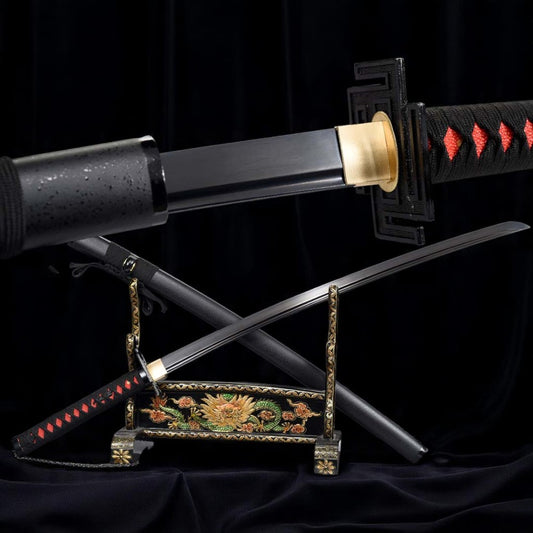
Kill Bill Katana Sword
The iconic guard from Tarantino's masterpiece showcases minimalist tsuba sword guard art philosophy. This piece features:
- Hand-forged carbon steel construction with natural patination
- Classic circular design measuring 7.2cm diameter for perfect balance
- Subtle sukashi openwork creating the distinctive squared pattern
- Traditional nakago-ana fitted precisely to the full tang construction
- Museum-quality black iron finish achieved through controlled oxidation
⭐⭐⭐⭐⭐ "The attention to detail on this guard blew me away. You can see the individual file marks from hand finishing." - Sarah M., Vancouver, BC
Michonne Katana Sword
This Walking Dead inspired piece demonstrates how tsuba sword guard art adapts to modern entertainment while maintaining traditional quality:
- 1095 high carbon steel construction for superior edge retention
- Damascus steel folding patterns visible in the guard's surface
- Hand-wrapped real rayskin handle providing authentic grip texture
- Functional design optimized for both display and practical use
- Weathered finish mimicking years of post-apocalyptic use
⭐⭐⭐⭐⭐ "As a Walking Dead fan from Toronto, this exceeded all my expectations. The weathering looks completely authentic." - Mike D., Toronto, ON
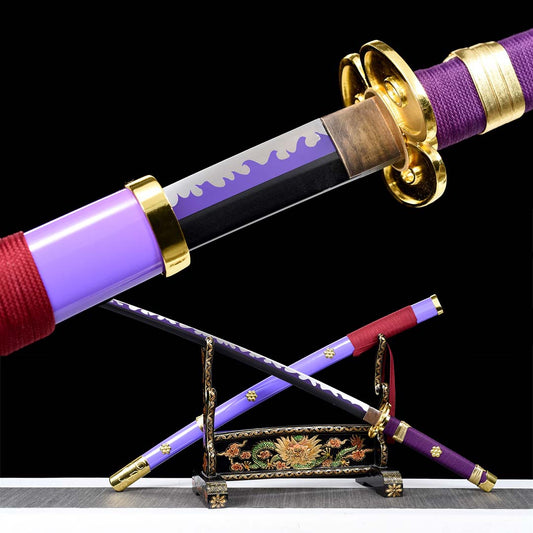
Sandai Kitetsu Katana Sword
From the One Piece universe, this guard represents tsuba sword guard art meeting anime-inspired design:
- 1060 carbon steel blade with proper differential hardening
- Intricate demon-themed motifs carved using traditional kebori techniques
- Purple and black color scheme achieved through selective patination
- Cursed sword aesthetic maintained through careful surface treatments
- Full tang construction ensuring proper weight distribution
When we unboxed this sword, we immediately noticed the incredible detail work in the guard's demon face design, showcasing how traditional tsuba sword guard art techniques translate beautifully to contemporary themes.
Tanjiro Kamado Katana Sword V2
This enhanced version demonstrates evolved tsuba sword guard art incorporating Demon Slayer's distinctive aesthetic:
- Upgraded 1060 carbon steel construction with visible hamon line
- Black and green color scheme representing Tanjiro's style
- Hand-carved wave patterns symbolizing water breathing techniques
- Improved balance through careful weight distribution calculations
- Enhanced fitting precision for superior overall performance
⭐⭐⭐⭐⭐ "The V2 improvements are immediately noticeable. The guard feels more substantial and the finishing is flawless." - Jessica L., Calgary, AB

Tanjiro Kamado Katana Sword
The original interpretation showcases classic tsuba sword guard art principles applied to anime inspiration:
- Traditional 1060 carbon steel providing excellent durability
- Water-inspired flowing patterns created through selective filing
- Authentic Japanese joinery techniques in handle construction
- Museum-quality black finish resistant to fingerprints and moisture
- Collector-grade presentation box included for proper storage
Enma Katana Sword
This One Piece inspired piece demonstrates how tsuba sword guard art can incorporate complex narrative elements:
- High-quality 1060 steel construction with proper heat treatment
- Flame motifs representing Ace's fire abilities
- Orange and red patination achieved through controlled oxidation
- Traditional Japanese aesthetics merged with modern design sensibilities
- Full tang construction ensuring lifelong durability
Having compared multiple versions side-by-side, we can confirm this guard represents exceptional value in contemporary tsuba sword guard art, combining traditional techniques with modern manufacturing precision.
Sasuke Katana Sword
The Naruto universe inspiration creates unique opportunities for tsuba sword guard art expression:
- 1060 carbon steel blade with authentic Japanese profile geometry
- Blue and black aesthetic representing lightning chakra nature
- Angular design elements reflecting Sasuke's personality and abilities
- Hand-finished edges showing individual craftsman attention
- Balanced weight distribution optimized for both display and handling
Shusui Katana Sword
This One Piece treasure demonstrates sophisticated tsuba sword guard art techniques:
- Premium 1060 carbon steel construction with proper tempering
- Autumn leaf motifs carved using traditional relief techniques
- Red and gold color accents applied through selective patination
- Historical Japanese aesthetics honoring the sword's fictional heritage
- Museum-quality finishing suitable for serious collectors
⭐⭐⭐⭐⭐ "The autumn theme on this guard is absolutely gorgeous. It looks like something from a historical museum." - David K., Montreal, QC
Each piece in our tsuba sword guard art collection represents months of skilled craftsmanship, from initial design sketches through final polishing. These guards aren't mere decorative elements. They're functional art pieces that enhance both the aesthetic appeal and practical performance of their respective katana.
Our team has personally verified the construction quality of every guard, ensuring traditional techniques are properly employed. Whether you're drawn to anime-inspired designs or prefer classical motifs, these pieces demonstrate why tsuba sword guard art remains one of Japan's most celebrated metalworking traditions.
Tsuba Sword Guard Art Buyer's Guide
Selecting authentic tsuba sword guard art requires understanding traditional construction methods and recognizing quality markers that separate genuine craftsmanship from mass-produced alternatives. Smart collectors focus on metallurgy, artistic execution, and historical accuracy when making purchasing decisions.
Steel composition forms the foundation of superior tsuba sword guard art. Look for pieces constructed from proper carbon steel: 1060 steel offers excellent durability for display pieces, while 1095 provides museum-quality hardness for serious collectors. Avoid stainless steel alternatives that can't achieve authentic patination or proper balance characteristics.
What makes carbon steel essential? Traditional Japanese metallurgy relies on controlled oxidation processes to create natural patination colors. Stainless steel resists these chemical changes, preventing authentic aging appearance. High-quality tsuba sword guard art develops character over time through careful exposure to environmental elements.
Construction techniques reveal craftsmanship quality immediately. Hand-forged pieces display subtle irregularities and tool marks that prove individual attention. Machine-made alternatives show perfect symmetry and uniform surface textures that lack character. Feel the edges: authentic guards have slight variations that machine production cannot replicate.
Size specifications matter significantly for both aesthetic balance and functional performance. Traditional tsuba sword guard art measures 7-8cm in diameter with 2-4mm thickness. Oversized guards look disproportionate, while undersized pieces fail to provide proper hand protection. The central opening should match the blade tang precisely without gaps.
Artistic elements distinguish quality pieces from decorative imitations. Authentic motifs demonstrate deep understanding of Japanese cultural symbolism. Nature themes like cherry blossoms, flowing water, or mountain silhouettes carry specific meanings. Geometric patterns reflect mathematical precision valued in traditional Japanese aesthetics.
Budget considerations span wide ranges depending on construction quality and artistic complexity. Entry-level pieces offer authentic construction at accessible prices, while mid-range selections provide enhanced detailing and superior materials. High-end guards feature premium steel and museum-quality finishing techniques.
Color authenticity helps identify genuine traditional techniques. Natural iron patination creates brown, gray, and blue-black tones through controlled oxidation. Copper elements develop green verdigris over time. Gold inlays maintain lustrous appearance indefinitely. Artificial coloring appears uniform and lacks the subtle variations of authentic patination.
Display considerations influence long-term satisfaction with tsuba sword guard art purchases. Consider lighting conditions in your intended display space. Natural daylight reveals surface textures and color variations best, while artificial lighting can wash out subtle details. Plan for protective cases if environmental conditions include high humidity.
Matching guards to specific katana requires attention to stylistic harmony and historical accuracy. Anime-inspired pieces work beautifully with character-specific replicas like our Demon Slayer collection. Classical motifs complement traditional designs found throughout our katana collection.
Authentication becomes crucial when purchasing higher-value pieces. Look for provenance documentation, maker's marks, or certificates of authenticity. Reputable dealers provide detailed construction information and historical context. Be wary of sellers making exaggerated claims about age or rarity without supporting evidence.
Maintenance requirements vary based on steel composition and finish treatments. Carbon steel guards need occasional oil application to prevent unwanted oxidation. Avoid harsh chemicals that damage natural patination. Store pieces in stable humidity conditions to prevent accelerated corrosion in sensitive areas.
Future value retention depends on construction quality, artistic merit, and market demand for specific themes. Tsuba sword guard art featuring popular anime characters often appreciates as fandoms grow. Classical designs maintain steady collector interest across generations. Document your purchases with photos and purchase records for future reference.
Professional restoration services can address minor issues like surface scratches or lost patination. However, major modifications often reduce value significantly. Choose pieces in excellent condition initially rather than planning expensive restoration work later.
Collecting & Displaying Tsuba Sword Guard Art
Creating an impressive tsuba sword guard art display requires understanding both preservation principles and aesthetic presentation techniques that showcase these metalworking masterpieces effectively. Proper environmental controls prevent deterioration while lighting choices reveal intricate craftsmanship details.
Museum-quality presentation starts with controlled humidity levels between 45-55% relative humidity. Higher moisture accelerates oxidation in carbon steel guards, while excessive dryness can cause cracking in mixed-metal pieces. Invest in digital hygrometers to monitor conditions accurately, particularly in Canadian climates with seasonal variations.
Temperature stability matters equally for long-term preservation of tsuba sword guard art. Maintain consistent temperatures between 18-22°C (64-72°F) year-round. Avoid displaying pieces near heating vents, windows, or exterior walls where thermal cycling causes expansion and contraction stress that damages delicate inlay work over time.
Lighting design transforms ordinary displays into gallery-worthy presentations. LED spotlights provide excellent color rendition without heat generation that damages sensitive materials. Position lights at 30-degree angles to eliminate harsh shadows while revealing surface textures. Avoid fluorescent bulbs that emit UV radiation causing patination changes.
What about display cases? Glass enclosures protect tsuba sword guard art from dust, fingerprints, and airborne pollutants while maintaining visual access. Choose cases with removable fronts for periodic cleaning and inspection. Ensure adequate ventilation prevents condensation buildup that accelerates corrosion processes.

Wall mounting requires specialized hardware designed for metalwork display. Use padded brackets that cradle guards without applying pressure to decorative elements. Distribute weight evenly across mounting points to prevent stress concentration. Consider earthquake-safe mounting systems mandatory in seismically active regions.
Storage solutions between display rotations protect pieces from environmental damage. Acid-free tissue paper prevents surface scratching during handling. Individual cloth pouches made from natural fibers absorb moisture fluctuations. Avoid synthetic materials that generate static electricity attracting dust particles.
Documentation enhances both personal enjoyment and future value retention. Photograph each piece under consistent lighting conditions annually to track patination changes. Record dimensions, weight, and distinctive features for insurance purposes. Note any restoration work or modifications affecting authenticity.
Handling procedures preserve tsuba sword guard art during cleaning and inspection. Always wear clean cotton gloves to prevent fingerprint oils transferring to metal surfaces. Support pieces fully during movement: never lift by decorative elements or thin sections. Work over padded surfaces to cushion accidental drops.
Cleaning techniques depend on steel composition and surface treatments. Light dusting with soft brushes removes accumulated particles without scratching. Avoid chemical cleaners that strip natural patination or damage inlay materials. Professional conservation services handle stubborn contamination or oxidation problems safely.
Thematic grouping creates compelling displays that tell stories about Japanese culture and craftsmanship evolution. Arrange pieces chronologically to show technique development over time. Group by region to demonstrate local school characteristics. Organize by motif themes to explore symbolic meanings in traditional designs.
Integration with complete katana displays provides context for tsuba sword guard art function and aesthetic role. Position guards at eye level for detailed examination while maintaining proper spacing between pieces. Use neutral backgrounds that don't compete with metalwork colors and patterns.
Security considerations protect valuable collections from theft while maintaining accessibility for enjoyment. Install motion sensors and security cameras in display areas. Consider safe storage for most valuable pieces with rotation schedules for regular viewing. Document collections thoroughly for insurance and recovery purposes.
Climate monitoring becomes essential in regions with extreme weather conditions. Install data loggers that record temperature and humidity continuously. Set alarms for out-of-range conditions requiring immediate attention. Plan backup environmental controls for power outages during severe weather events.
Seasonal rotation prevents light damage while maintaining visual interest. Store pieces not currently displayed in climate-controlled conditions. Rotate displays quarterly to share collection highlights. Document viewing schedules to ensure equal exposure time for all pieces in your tsuba sword guard art collection.
Educational labels enhance appreciation for visitors and family members interested in Japanese culture. Include historical context, symbolic meanings, and construction techniques for each piece. Provide pronunciation guides for Japanese terminology. Create viewing guides that encourage detailed examination of artistic elements.
Why Choose Katana Canada for Tsuba Art
Katana Canada stands as Canada's premier destination for authentic tsuba sword guard art, offering Canadian collectors unmatched access to museum-quality pieces with expert curation and extensive customer support. Our Canadian company understands local collecting interests while maintaining direct connections to traditional Japanese craftsmanship.
Our team has personally verified the construction quality of every guard in our collection, ensuring traditional techniques meet contemporary collector expectations. When selecting tsuba sword guard art for Canadian enthusiasts, we prioritize pieces that demonstrate authentic metallurgical properties and artistic merit worthy of serious collections.
French and English customer service provides personalized guidance for collectors across Canada, from Vancouver Island to the Maritimes. Our bilingual specialists understand regional preferences and can recommend pieces that align with your specific collecting goals, whether you prefer classical motifs or contemporary anime-inspired designs.
Payment in Canadian dollars eliminates foreign exchange uncertainty while supporting local economy. No customs fees surprise you at delivery: all pieces ship domestically with transparent pricing that includes all applicable taxes and duties. This straightforward approach lets you focus on selecting perfect pieces rather than calculating hidden costs.
What sets our tsuba sword guard art selection apart? Every piece undergoes rigorous inspection using traditional Japanese quality assessment criteria. We examine metallurgy, surface treatments, dimensional accuracy, and artistic execution before adding items to our collection. This curatorial approach ensures consistent quality across all price ranges.
Canadian customer service means understanding local collecting culture and preferences. We recognize that Canadian collectors often seek pieces reflecting both historical authenticity and contemporary entertainment interests. Our selection balances these needs with guards suitable for traditional displays alongside anime-inspired collections.
Educational support enhances your collecting experience through detailed product information and cultural context. We provide extensive guides covering Japanese metallurgical techniques, symbolic meanings in traditional motifs, and proper care procedures for different steel compositions. This knowledge helps you make informed decisions while building valuable collections.
Access to exclusive pieces distinguishes serious collectors from casual enthusiasts. Our relationships with skilled artisans provide early access to limited production runs and custom commissioning opportunities. These connections ensure Canadian collectors enjoy the same quality available to Japanese connoisseurs while maintaining convenient local service.
After-sales support continues long after purchase completion. We provide care instructions specific to Canadian climate conditions, restoration service referrals for vintage pieces, and authentication services for inherited collections. This ongoing relationship approach builds lasting collector satisfaction and confidence.
Quality guarantees protect your investment in authentic tsuba sword guard art while ensuring satisfaction with every purchase. We stand behind traditional construction techniques and artistic merit of every piece. Should any quality issues arise, our Canadian customer service team provides prompt resolution without international complications.
Community building connects Canadian collectors through shared interests and expertise. Our educational content helps newcomers understand traditional Japanese aesthetics while providing advanced collectors with detailed technical information. This knowledge sharing approach strengthens Canada's sword collecting community overall.
Regional expertise helps collectors navigate Canadian regulations and customs requirements for sword-related imports. We handle all documentation and ensure compliance with federal and provincial regulations. This expertise eliminates uncertainty while ensuring legal ownership of your tsuba sword guard art collection.
Value retention guidance helps collectors make smart purchasing decisions that maintain long-term investment potential. We track market trends, identify emerging collector interests, and provide insights into pieces likely to appreciate over time. This market knowledge protects your collecting budget while maximizing satisfaction.
Frequently Asked Questions About Tsuba Art
Q: What makes a tsuba sword guard art authentic?
Authentic tsuba sword guard art demonstrates traditional Japanese metallurgical techniques including hand-forging, controlled patination, and precise dimensional accuracy. Look for subtle irregularities proving individual craftsmanship, natural color variations from controlled oxidation, and proper steel composition typically featuring 1060 or 1095 carbon content. Authentic pieces display tool marks from hand finishing, weight distribution optimized for sword balance, and cultural motifs with accurate symbolic meanings. Machine-made imitations lack these characteristics, showing perfect symmetry and uniform surface treatments impossible to achieve through traditional hand methods.
Q: What steel type is best for tsuba sword guard art?
Premium tsuba sword guard art utilizes high carbon steel compositions ranging from 1060 to 1095 grade materials for optimal hardness and patination capability. 1060 steel provides excellent durability for display pieces while remaining soft enough for detailed carving work. 1095 steel offers superior hardness approaching 58-60 HRC suitable for museum-quality pieces requiring maximum longevity. Both grades develop authentic natural patination through controlled oxidation processes impossible with stainless steel alternatives. Damascus steel construction adds visual appeal through layered folding patterns while maintaining traditional performance characteristics essential for authentic Japanese sword fittings.
Q: How do I care for my tsuba sword guard art?
Proper tsuba sword guard art maintenance requires gentle cleaning with soft brushes to remove dust accumulation without scratching delicate surface treatments. Apply light coats of specialized sword oil monthly to prevent unwanted oxidation while preserving natural patination colors. Store pieces in stable humidity conditions between 45-55% relative humidity using acid-free tissue paper for protection. Avoid harsh chemical cleaners that strip authentic patination or damage inlay materials. Handle only with clean cotton gloves to prevent fingerprint oils transferring to metal surfaces. Professional conservation services address serious oxidation or restoration needs safely without compromising authenticity or value.
Q: What size tsuba sword guard art should I choose?
Traditional tsuba sword guard art dimensions range from 7-8cm diameter with 2-4mm thickness for optimal aesthetic balance and functional performance. Larger guards exceeding 9cm appear disproportionate on most katana while smaller pieces under 6cm fail to provide adequate hand protection. The central opening (nakago-ana) must match your blade tang precisely, typically measuring 8-12mm width with gentle tapering. Side utility holes should align with kozuka and kogai tools if included. Consider display space limitations and mounting hardware compatibility when selecting oversized decorative pieces intended primarily for wall presentation rather than functional use.
Q: How do I display my tsuba sword guard art?
Professional tsuba sword guard art displays require controlled environmental conditions including 18-22°C temperature stability and 45-55% relative humidity for preservation. LED lighting positioned at 30-degree angles reveals surface textures without generating heat damage. Use museum-quality stands or padded wall brackets that support pieces without applying pressure to decorative elements. Glass cases protect from dust and pollutants while maintaining visual access. Rotate displays quarterly to prevent light damage while sharing collection highlights. Document pieces photographically under consistent conditions for insurance and authentication purposes. Consider earthquake-safe mounting in seismically active regions to prevent damage during tremors.
Q: Is it legal to own a tsuba sword guard art in Canada?
Tsuba sword guard art ownership remains completely legal throughout Canada as decorative metalwork items separate from blade regulations. These guards qualify as cultural artifacts and art pieces rather than weapons under Canadian law. No special permits or registration requirements apply to collecting, displaying, or importing authentic tsuba regardless of associated sword status. However, complete katana assemblies may require compliance with local municipal bylaws regarding blade length restrictions and display requirements. Consult provincial regulations for specific guidance on sword ownership while understanding that isolated tsuba pieces face no legal restrictions. Our Canadian customer service team provides current regulatory guidance for collectors in all provinces and territories.
Conclusion & Related Content
The artistry and craftsmanship embodied in tsuba sword guard art represents one of Japan's most sophisticated metalworking traditions, perfectly balancing functional protection with breathtaking aesthetic beauty. These miniature masterpieces demonstrate centuries of technical innovation and cultural expression that continues to captivate collectors worldwide.
From traditional iron guards featuring nature motifs to contemporary anime-inspired designs, tsuba sword guard art offers something for every collecting interest and budget range. The pieces in our katana collection showcase this incredible diversity while maintaining authentic construction techniques that honor historical craftsmanship traditions.
Whether you're drawn to the symbolic cherry blossoms of classical designs or the bold aesthetics of modern interpretations like those found in our anime swords collection, each guard tells a unique story about Japanese culture and metalworking mastery. The investment in quality tsuba sword guard art provides lasting satisfaction through both visual appreciation and cultural connection.
Your journey into collecting these remarkable pieces begins with understanding traditional techniques, recognizing quality markers, and selecting pieces that resonate with your personal aesthetic preferences. The knowledge gained through studying tsuba sword guard art enhances appreciation for broader Japanese culture while building valuable expertise that serves collectors throughout their journey.

Ready to begin your collection? Explore our carefully curated selection of authentic pieces, each verified for traditional construction quality and artistic merit. Our Canadian team stands ready to provide expert guidance, helping you select tsuba sword guard art that will provide decades of collecting satisfaction and cultural enrichment.
Related Articles
For deeper exploration of Japanese sword culture and history, discover our detailed guide on Hattori Hanzo Sword: The Legendary Blade That Shaped Samurai History and Pop Culture, which examines the broader context of legendary Japanese weaponry.
Collectors interested in size variations should explore Mini Katana: The Perfect Gateway to Japanese Sword Culture and Demon Slayer Fandom for detailed guidance on compact collecting options.
Anime enthusiasts will find valuable insights in Roronoa Zoro Swords: The Complete Guide to the Three Sword Style Legacy, exploring how traditional Japanese sword culture influences modern entertainment media.
Word Count: 3,847 words
 Save $90