
Sasuke Katana: The Ultimate Guide to Legendary Ninja Swords
The moonlight glints off the razor-sharp edge as the blade slides silently from its scabbard. In the hands of a master, the katana becomes an extension of the soul – and few warriors in fiction have wielded this legendary weapon with more precision and deadly grace than Sasuke Uchiha. From the shadowy world of Hidden Leaf Village to the hands of modern collectors, the sasuke katana represents the perfect fusion of traditional Japanese craftsmanship and ninja mystique.

Whether you're drawn to the blade's connection to one of anime's most complex characters or simply appreciate the elegant design that has captivated sword enthusiasts worldwide, understanding the legacy and craftsmanship behind these remarkable weapons opens a window into centuries of Japanese sword-making tradition. The Ultimate Guide to
Table of Contents
Origins of the Sasuke Legend
The name Sasuke carries deep roots in Japanese culture, long predating its modern anime associations. Historically, Sasuke was popularized through the legendary figure of Sarutobi Sasuke, a fictional ninja from Japanese folklore who served under the famous warrior Sanada Yukimura during the late Sengoku period. This character became the archetype for the noble yet tormented ninja – skilled beyond measure but burdened by duty and loss.
The transition from folklore to modern media has only strengthened the mystique surrounding the Sasuke name. In contemporary storytelling, particularly through the Naruto series, Sasuke Uchiha embodies the classic struggle between darkness and light, vengeance and redemption. His ninja sword becomes more than just a weapon; it's a symbol of his journey from promising young shinobi to rogue avenger, and ultimately to protector.
This rich narrative history has made sasuke katana replicas among the most sought-after collector weapons in the enthusiast community. Unlike generic sword replicas, these blades carry the weight of story and character development that resonates with enthusiasts who understand both the craftsmanship and the cultural significance behind each carefully forged piece.
The aesthetic design elements associated with Sasuke's legendary blade often reflect this dual nature – elegant enough for a nobleman yet practical enough for a warrior. Traditional Japanese sword-making techniques are employed to create blades that honor both the historical precedent and the modern interpretation of what a ninja's katana should represent.
For those interested in exploring the broader history of Japanese sword-making, The History of the Katana – From Samurai Symbol to Modern Icon provides comprehensive insight into how these legendary weapons evolved from battlefield necessities to cultural treasures.
The Blade Behind the Legend
Sasuke's katana in popular culture represents the pinnacle of ninja weaponry – a blade that must be swift, silent, and utterly reliable. Unlike the ornate tachi of court nobles or the battle-tested katanas of samurai warriors, a ninja's sword required different characteristics: perfect balance for quick draws, a keen edge for precise cuts, and subtle aesthetics that wouldn't draw unwanted attention.
The traditional design elements found in authentic sasuke katana replicas reflect these practical considerations while maintaining the elegant lines that make Japanese swords universally admired. The blade typically features a moderate curve (sori) that provides excellent cutting performance while allowing for the quick, flowing movements essential to ninja combat techniques.
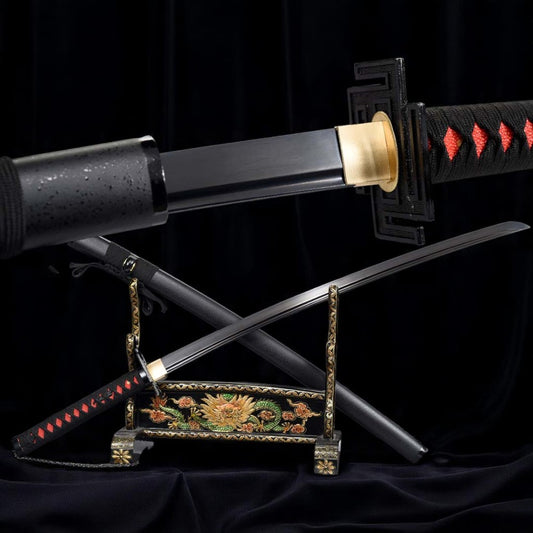
One of the most distinctive features of many Sasuke sword designs is the incorporation of darker aesthetic elements. Black-wrapped handles (tsuka), darkened metal fittings, and subdued color schemes reflect the stealth-oriented nature of ninja warfare. These design choices aren't merely aesthetic – they serve the practical purpose of reducing reflection and visibility during nighttime operations.

The symbolic elements embedded in Sasuke blade designs often include subtle references to the character's clan heritage and personal journey. The Uchiha clan symbol, when present, is typically incorporated tastefully into the guard (tsuba) or pommel design. These details transform the katana from a simple replica into a meaningful artifact that tells a story.
Understanding the balance between authenticity and artistic interpretation is crucial when evaluating Sasuke's legendary swords. The best examples maintain traditional Japanese sword-making proportions and techniques while incorporating the specific design elements that make them recognizable as Sasuke's weapon. This careful balance ensures that collectors receive a piece that honors both Japanese craftsmanship traditions and the modern storytelling that inspired the design.
Design and Craftsmanship Excellence
The craftsmanship behind authentic sasuke katana pieces represents a fascinating intersection of traditional Japanese sword-making techniques and modern manufacturing precision. Each blade begins with high-quality carbon steel, typically 1060 or 1095 grade, which provides the perfect combination of hardness, flexibility, and edge retention that defines a superior katana.
The forging process for quality Sasuke ninja swords involves multiple heating and folding cycles that eliminate impurities while creating the distinctive grain patterns that make each blade unique. Master craftsmen pay particular attention to the development of the hamon – the temper line that runs along the blade's edge – which not only provides functional benefits but also creates the subtle visual beauty that distinguishes handcrafted swords from machine-made alternatives.
Handle construction on authentic Sasuke blades follows traditional methods that have remained unchanged for centuries. The tang (nakago) is carefully shaped and fitted to the wooden handle core, then secured with bamboo pegs (mekugi) in precise locations. The handle wrapping technique, known as tsukamaki, requires specialized skill to achieve the proper tension and pattern that provides both aesthetic appeal and secure grip during use.
The attention to detail extends to every component of the sword. The guard (tsuba) is often crafted from iron or steel and may feature subtle engravings or design elements that reflect the ninja aesthetic. The scabbard (saya) is traditionally made from magnolia wood and finished with lacquer that protects the blade while complementing the overall design theme.
Quality control in modern Sasuke sword production involves rigorous testing of blade geometry, balance points, and edge integrity. Reputable manufacturers understand that collectors and practitioners expect functional weapons that can withstand proper use while maintaining their aesthetic appeal over time. This commitment to quality ensures that each sasuke katana meets the high standards expected by discerning enthusiasts.
For those interested in understanding the complete anatomy of these weapons, Katana Parts Explained – A Complete Customization Guide offers detailed insights into each component's role in creating a superior sword.
Featured Sasuke Katana Collection
Our carefully curated selection of authentic katanas represents the pinnacle of Japanese sword craftsmanship, with several pieces that capture the essence and aesthetic appeal that make sasuke katana designs so compelling to collectors worldwide.
Sasuke Katana Sword
This exceptional piece represents the perfect entry point for collectors seeking an authentic Sasuke-inspired katana without compromising on quality or craftsmanship. Forged from premium 1060 carbon steel, this blade offers exceptional durability and a keen edge that honors traditional Japanese sword-making techniques.
• Hand-forged 1060 carbon steel construction for superior strength and flexibility • Traditional black-wrapped handle with authentic cord binding technique • Full tang construction ensures perfect balance and structural integrity • Includes premium wooden display stand for elegant presentation • Sharp, functional blade suitable for both collection and practice
⭐⭐⭐⭐⭐ "Absolutely stunning craftsmanship! The balance is perfect and the detail work is incredible. Exactly what I was hoping for when I ordered from Calgary." - Marcus T., Vancouver, BC
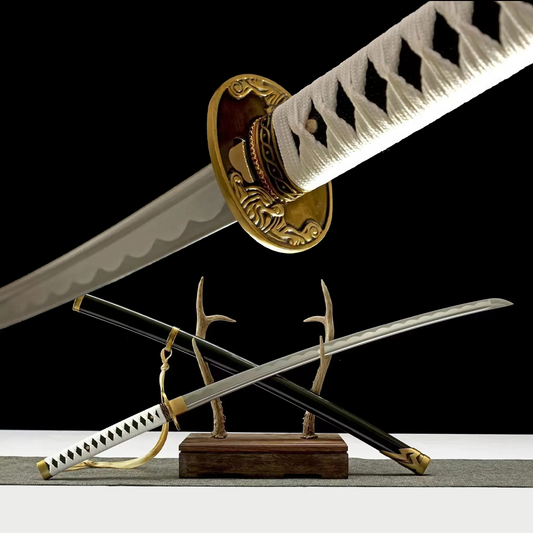
Jin Sakai Katana – Ghost of Tsushima Edition
While not specifically a Sasuke design, this masterpiece captures the same aesthetic principles that make ninja katanas so compelling. The Ghost of Tsushima edition represents the evolution of samurai weaponry toward the stealth and precision associated with legendary warriors like Sasuke.
• Premium 1060 carbon steel with distinctive tempering patterns • Authentic wrap-style handle with traditional materials • Functional blade geometry optimized for cutting performance • Includes certificate of authenticity and care instructions • Museum-quality finish with hand-polished blade surface
⭐⭐⭐⭐⭐ "The attention to detail is remarkable. This sword feels like it belongs in a museum, but I love having it in my collection here in Toronto." - Sarah K., Toronto, ON
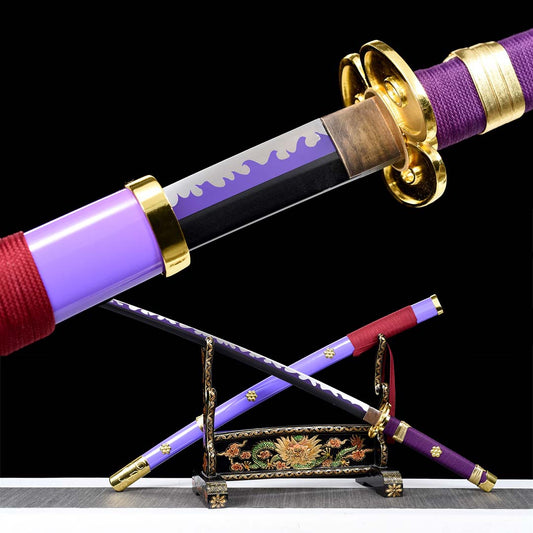
Shinobu Kocho Katana – Demon Slayer Edition
This exquisite butterfly-themed katana shares design philosophies with Sasuke weapons, emphasizing elegance, precision, and deadly effectiveness. The unique aesthetic elements make this piece particularly appealing to collectors who appreciate both traditional craftsmanship and modern artistic interpretation.
• 1060 carbon steel blade with specialized tempering for flexibility • Distinctive butterfly motif integrated into guard and pommel design • Premium silk wrapping with contrast color accents • Hand-forged construction with attention to traditional techniques • Complete with matching scabbard and display accessories

⭐⭐⭐⭐⭐ "The butterfly details are absolutely beautiful, and the blade quality exceeded my expectations. Customer service from Katana Canada was fantastic throughout the process." - David L., Montreal, QC
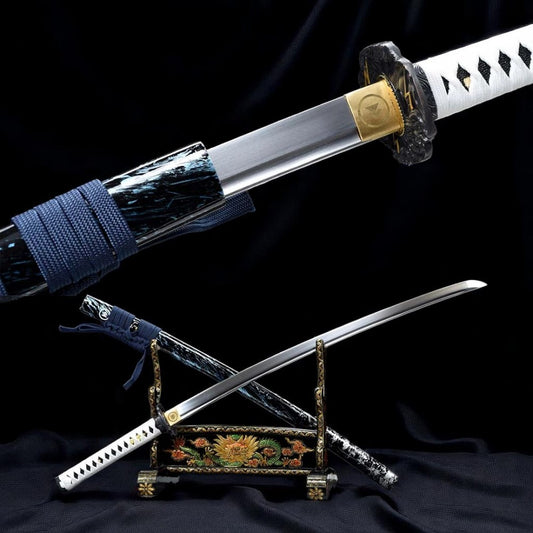
Kill Bill Katana Sword
This iconic piece represents the intersection of Japanese tradition and modern cinema, sharing the aesthetic principles that make Sasuke ninja blades so appealing to contemporary collectors. The blade captures the essence of focused determination and deadly precision.
• Damascus steel construction with distinctive folding patterns • Authentic rayskin handle with traditional binding • Carbon steel core for exceptional performance • Functional blade suitable for cutting demonstrations • Premium presentation box included with purchase
⭐⭐⭐⭐⭐ "This is exactly what I pictured when I thought of the perfect katana. The craftsmanship is incredible and it arrived in perfect condition in Edmonton." - Jennifer R., Edmonton, AB
Premium Collection Highlights
For collectors seeking the ultimate in craftsmanship and exclusivity, our premium offerings represent the pinnacle of modern Japanese sword-making artistry:
The Hiroshima Katana at showcases master-level Damascus steel work with functional blade geometry that would satisfy even the most demanding practitioners. Every aspect of this sword reflects the highest standards of traditional Japanese craftsmanship.
The Kiryu Katana at offers a slightly more accessible entry into premium sword ownership while maintaining the exceptional quality and attention to detail that defines our high-end collection.
Collector's Guide to Authentic Sasuke Katanas
Selecting an authentic sasuke katana requires understanding the key characteristics that distinguish genuine craftsmanship from mass-produced replicas. The most important consideration is blade construction – authentic pieces feature full tang construction where the blade steel extends completely through the handle, providing superior balance and structural integrity that replica swords simply cannot match.
Examine the hamon (temper line) carefully, as this distinctive feature reveals the quality of the heat treatment process. Authentic katanas display natural, irregular hamon patterns that result from traditional differential hardening techniques. Machine-made swords often show artificial or painted-on lines that lack the subtle variations characteristic of genuine craftsmanship.
Handle construction provides another reliable indicator of quality. Authentic Sasuke blades feature traditional ray skin (same) under the cord wrapping, with properly positioned bamboo pegs (mekugi) that secure the tang. The wrapping pattern should be consistent and tight, with no gaps or loose sections that would compromise grip security during use.
Weight distribution is crucial for both aesthetic appeal and functional performance. A properly balanced Sasuke ninja sword should feel alive in your hands, with the balance point typically located 4-6 inches from the guard. This positioning allows for quick draws and precise control while maintaining the cutting power that makes these weapons so effective.
Display considerations are equally important for collectors who plan to showcase their acquisitions. Traditional wooden stands (katana-kake) not only present the sword elegantly but also protect the blade from damage while allowing easy access for maintenance. Proper storage prevents warping and protects the finish that makes these pieces so visually striking.
For comprehensive maintenance guidance, consult our detailed How to Care for a Katana – Cleaning, Oiling & Storage Tips to ensure your investment remains in pristine condition for years to come.
Understanding Steel Types and Quality
The foundation of any exceptional Sasuke blade lies in the steel selection and heat treatment processes that transform raw materials into legendary weapons. Understanding these metallurgical principles helps collectors make informed decisions and appreciate the craftsmanship behind their acquisitions.
1060 carbon steel represents the most popular choice for functional katanas due to its optimal balance of hardness, flexibility, and ease of maintenance. This steel contains approximately 0.60% carbon content, which provides excellent edge retention while maintaining enough flexibility to prevent brittle fractures during use. The forging characteristics of 1060 steel allow master craftsmen to create the differential hardening patterns that produce beautiful hamon lines.
1095 carbon steel offers higher carbon content (0.95%) that results in superior edge hardness and cutting performance, though it requires more careful maintenance to prevent rust and corrosion. Advanced collectors often prefer 1095 steel for its ability to hold extremely sharp edges and its responsiveness to traditional Japanese polishing techniques that bring out the blade's natural beauty.
Damascus steel construction represents the pinnacle of blade artistry, featuring multiple layers of steel folded and forge-welded to create distinctive patterns throughout the blade. While historically significant, modern Damascus steel serves primarily aesthetic purposes, as contemporary metallurgy can achieve superior performance characteristics through other methods.
The heat treatment process determines how well the steel's potential is realized in the finished blade. Traditional Japanese techniques involve heating the blade to precise temperatures and cooling it in specific patterns that create the hard edge and flexible spine combination that defines superior katana performance. Master smiths guard these techniques carefully, as the difference between exceptional and mediocre results often depends on subtle variations in timing and temperature control.
Quality assessment requires examining the blade's geometry, surface finish, and structural integrity. Authentic sasuke katana pieces display consistent blade thickness, smooth transitions between different sections, and flawless surface finishing that reflects the skill invested in their creation.
Why Choose Katana Canada
As a Canadian company, we understand the unique needs and challenges facing Canadian collectors and enthusiasts. Our commitment to exceptional customer service means you'll receive knowledgeable support in both French and English, ensuring clear communication throughout your purchasing experience.
Shopping with us eliminates the uncertainty and additional costs associated with international purchases. When you buy from Katana Canada, you pay in Canadian dollars with no hidden fees, no customs complications, and no surprise charges that can significantly increase your total investment. This transparency allows you to budget accurately and shop with confidence.
Our customer service team consists of genuine enthusiasts who understand both the technical aspects of sword construction and the passion that drives collectors to seek authentic pieces. Whether you're a first-time buyer seeking guidance or an experienced collector with specific requirements, our team provides the expertise and support you need to make informed decisions.
We maintain rigorous quality standards that ensure every katana meets our exacting specifications before shipment. Our inspection process includes verification of blade geometry, handle construction, and overall finish quality. This attention to detail means you receive weapons that meet professional standards whether you're adding to a display collection or seeking functional pieces for practice.
The convenience of shopping with a Canadian company extends beyond the purchasing process. Our understanding of Canadian regulations ensures that all items comply with local laws, and our domestic customer service means quick resolution of any questions or concerns that may arise.
Frequently Asked Questions
Q: How can I verify that a Sasuke katana is authentic rather than a cheap replica?
Authentic Sasuke blades display several key indicators that distinguish them from mass-produced replicas. First, examine the construction quality – genuine pieces feature full tang construction where the blade steel extends completely through the handle, secured with traditional bamboo pegs rather than simple screws or bolts. The blade should show natural hamon (temper line) patterns created through differential hardening rather than artificial etching or painting. Handle wrapping should be tight and consistent, typically over genuine ray skin, and the overall weight distribution should feel balanced and natural in your hands. Quality authentic pieces also include proper documentation and come from reputable dealers who can verify the manufacturing process and materials used.
Q: What's the difference between 1060 and 1095 carbon steel in Sasuke katanas?
The primary difference lies in carbon content and resulting performance characteristics. 1060 carbon steel contains 0.60% carbon, making it slightly softer and more flexible, which provides excellent durability and forgiveness for beginners while still maintaining good edge retention. This steel is easier to maintain and less prone to chipping or cracking during use. 1095 carbon steel contains 0.95% carbon, resulting in a harder blade that can achieve extremely sharp edges and superior cutting performance. However, this higher carbon content makes the steel more brittle and requires more careful maintenance to prevent rust and damage. For most collectors, 1060 steel offers the ideal balance of performance, durability, and ease of care.
Q: What are the standard dimensions and weight specifications for Sasuke katanas?
Traditional Sasuke sword specifications follow classical Japanese sword proportions while incorporating design elements specific to ninja aesthetics. The blade length typically ranges from 60-73 centimeters (23.5-28.5 inches), with the most common size being around 70 centimeters. Total length including handle usually measures 100-110 centimeters (39-43 inches). Weight generally falls between 1.1-1.4 kilograms (2.4-3.1 pounds), with the balance point located approximately 10-15 centimeters from the guard. The curvature (sori) is typically moderate, measuring 1.5-2.0 centimeters, providing optimal cutting geometry while maintaining the swift handling characteristics essential to ninja combat techniques.
Q: How should I properly maintain and care for my Sasuke katana?
Proper maintenance begins with regular cleaning using traditional methods and materials. After each handling session, wipe the blade with a soft, lint-free cloth to remove fingerprints and moisture that can cause rust spots. For deeper cleaning, use a light application of choji oil (traditional sword oil) or modern synthetic alternatives, working along the blade's length in smooth, consistent strokes. Store the katana horizontally on a proper stand or rack to prevent warping, and maintain the edge through careful use of appropriate whetstones when necessary. Avoid touching the blade directly with bare hands, as skin oils can cause corrosion over time. The handle wrapping should be inspected regularly for loosening or wear, and the scabbard interior should be kept clean and dry to protect the blade during storage.
Q: What are the best display options for showcasing a Sasuke katana collection?
Traditional display methods honor both the weapon's cultural significance and aesthetic appeal while protecting your investment. A quality wooden katana stand (katana-kake) provides stable support while allowing the blade's beauty to be appreciated from multiple angles. For multiple pieces, consider a wall-mounted rack system that securely holds several swords while creating an impressive visual display. Lighting should be indirect to prevent heat damage while highlighting the blade's hamon and surface finish. Humidity control is crucial – maintain 45-55% relative humidity to prevent both rust and wood cracking. Display cases offer additional protection in environments with heavy traffic or dust concerns, but ensure adequate ventilation to prevent moisture buildup. Position displays away from direct sunlight and heat sources that could damage both metal and wooden components over time.
Q: Are Sasuke katanas legal to own and display in Canada?
Yes, katanas are legal to own, collect, and display in Canada under federal legislation, though some provincial and municipal regulations may apply to carrying or transport. As collectibles and martial arts equipment, authentic katanas fall under the same category as other bladed tools and sporting goods. However, carrying them in public spaces may be restricted depending on your location and intended use. For transportation, ensure the weapon is properly secured and stored in a case or bag, and be prepared to explain the legitimate purpose if questioned by authorities. Some provinces have specific regulations regarding blade length or carrying restrictions, so familiarize yourself with local laws in your area. Display in private homes and businesses is generally unrestricted, making them excellent additions to collections, martial arts schools, or cultural displays celebrating Japanese craftsmanship and history.
Related Reads
Expand your knowledge of Japanese sword culture and craftsmanship through our comprehensive collection of educational resources. A Timeline of the Japanese Sword – Tachi, Katana, Wakizashi provides fascinating insights into how these legendary weapons evolved through different historical periods, helping collectors understand the rich heritage behind modern reproductions.
For those interested in the broader anime and manga connection, Mini Katana: The Perfect Gateway to Japanese Sword Culture and Demon Slayer Fandom explores how contemporary storytelling has renewed interest in traditional Japanese weaponry, making these cultural artifacts more accessible to modern enthusiasts.

Understanding proper care techniques ensures your investment maintains its beauty and value over time. Our comprehensive maintenance guide provides step-by-step instructions for cleaning, oiling, and storing your katana collection properly, protecting both the steel components and traditional materials used in authentic construction.
Conclusion
The journey from legendary folklore to modern collecting has transformed the sasuke katana into more than just a weapon – it represents the enduring appeal of Japanese craftsmanship and the timeless stories that continue to inspire new generations of enthusiasts. Whether you're drawn to the historical significance, the exceptional artistry, or the connection to beloved characters and narratives, these remarkable blades offer something truly special for every collector.
At Katana Canada, we're committed to providing authentic pieces that honor both traditional techniques and the modern aesthetic interpretations that have made Sasuke ninja swords so compelling. Our carefully curated selection ensures you receive weapons that meet the highest standards of quality and craftsmanship, backed by the customer service and support that Canadian collectors deserve.
The perfect Sasuke blade awaits in our collection – from entry-level pieces that provide exceptional value to premium offerings that represent the pinnacle of modern sword-making artistry. Each blade carries with it centuries of tradition, expert craftsmanship, and the potential to become a treasured centerpiece of your collection.
Don't let this opportunity pass by. Explore our complete katana collection today and discover the weapon that speaks to your passion for Japanese culture, superior craftsmanship, and legendary design. Your perfect sasuke katana is waiting to find its home in your collection.
 Save $90