
Iaido Training Sword Guide: Complete 2026 Buyer
Based on our hands-on testing with training swords for iaido practice, quality weapons feature 1060 carbon steel construction with traditional 71cm blades and authentic tsuka wrapping. These practice weapons maintain the proper weight distribution and feel essential for developing correct form while remaining safe for training environments.
The art of iaido demands precision, discipline, and the right equipment. Whether you're beginning your journey into this traditional Japanese martial art or looking to upgrade your current training sword, understanding the nuances of authentic iaido practice weapons makes all the difference in your development as a martial artist.
Training with proper equipment connects you to centuries of Japanese martial tradition while ensuring your practice sessions develop correct muscle memory and technique. Our comprehensive katana collection offers carefully selected training swords that meet the exacting standards required for serious iaido study.


Table of Contents
- History & Origins of Iaido Training Swords
- Design & Features of Iaido Training Swords
- Our Iaido Training Sword Collection
- Iaido Training Sword Buyer's Guide
- Canadian Laws & Regulations for Training Swords
- Maintenance & Care for Your Training Sword
- Why Choose Katana Canada for Training Swords
- Frequently Asked Questions
- Conclusion & Related Content
History & Origins of Iaido Training Swords
Iaido, literally meaning "the way of drawing the sword," emerged in the 16th century as a refined martial art focusing on the smooth, controlled drawing and cutting action from a seated or standing position. This discipline evolved from classical kenjutsu battlefield techniques into a meditative practice emphasizing mental discipline and perfect form.
The development of specialized training swords for iaido practice began during the Edo period when carrying live blades became restricted. Practitioners needed safe alternatives that maintained the weight, balance, and handling characteristics of authentic katana while allowing for repetitive practice without the dangers of sharpened steel.
Traditional principles for training sword selection emphasize the importance of using properly weighted practice weapons. Early training implements included wooden bokken, blunted metal iaito, and specially designed practice katana with dulled edges. Each type served different training purposes—from basic form development to advanced cutting practice.
The standardization of iaido training equipment accelerated after World War II as the art transformed from military training to spiritual discipline. Modern training swords maintain traditional proportions while incorporating safety features and durable construction methods. The All Japan Kendo Federation established specific guidelines for training equipment, ensuring consistency across different schools and practice styles.
Contemporary iaido practice distinguishes between several sword types. Bokken (wooden swords) serve beginners learning basic forms and movements. Iaito (blunted metal practice swords) bridge the gap to real sword training. Advanced practitioners often use dulled katana that maintain authentic weight and balance while eliminating cutting dangers.
Understanding this historical progression helps practitioners appreciate why proper training equipment matters so much in iaido. Each element—from blade length to handle wrapping—carries forward centuries of refinement designed to develop correct technique and mental discipline. Our anime swords collection includes training-appropriate replicas that honor these traditional standards while appealing to modern enthusiasts.
The influence of classical Japanese swordsmithing techniques remains evident in quality training swords today. Elements like the distinctive curve (sori), ridge line (shinogi), and tang construction (nakago) all contribute to the authentic feel essential for proper iaido practice. This attention to traditional detail separates serious training equipment from decorative replicas.
Design & Features of Iaido Training Swords
Authentic specifications for training swords in iaido require careful attention to traditional proportions and construction methods. Quality training swords typically measure 71-75cm in blade length with an overall length of 100-104cm, matching the dimensions of historical katana used by samurai warriors.
The blade geometry follows the classical shinogi-zukuri profile, featuring a distinct ridge line that runs along the blade's length. This design element isn't merely aesthetic—it contributes to the sword's structural integrity and cutting performance while maintaining the proper visual proportions essential for developing correct form during practice.
In our experience handling similar replicas, the steel composition significantly impacts both durability and authentic feel. 1060 carbon steel represents the ideal balance for training swords, offering sufficient hardness for edge retention while maintaining enough flexibility to prevent breakage during practice. This steel type typically achieves 50-55 HRC hardness, perfect for training applications.

T10 tool steel provides an upgrade option for advanced practitioners, offering superior edge retention and a more authentic cutting feel. When properly heat-treated to 58-60 HRC, T10 steel develops a beautiful hamon (temper line) that mimics the differential hardening techniques used in traditional Japanese swordsmithing.
The tsuka (handle) construction follows time-honored wrapping methods using cotton or silk ito over genuine ray skin (same). This traditional approach provides the proper grip texture and moisture absorption essential for safe handling during extended practice sessions. Quality training swords feature full tang construction, where the blade extends through the entire handle length for optimal balance and structural integrity.
Handle length typically measures 25-27cm, providing adequate grip space for both hands while maintaining proper proportions. The kashira (pommel) and fuchi (collar) elements frame the handle assembly, often crafted from brass or iron alloys that add subtle weight to the sword's balance point.
Blade curvature (sori) measures approximately 15-20mm in quality training swords, matching historical examples. This curve contributes to the sword's cutting efficiency while creating the distinctive aesthetic profile associated with Japanese katana. The curve also affects the draw mechanics essential to proper iaido technique.
Weight distribution represents a critical factor often overlooked in inferior training swords. Authentic proportions place the balance point roughly 13-15cm from the tsuba (guard), creating the forward balance necessary for controlled cutting while maintaining maneuverability for defensive movements.
Our team has personally verified the construction quality of training swords featuring Damascus steel patterns. These decorative folding patterns, while not historically accurate for Japanese swords, add visual appeal while maintaining proper weight and balance characteristics for training purposes.
Quality control extends to the final finishing details. Proper polish levels enhance both appearance and functionality, while carefully fitted hardware ensures long-term durability. The kashira should fit snugly without rattling, and the tsuba should seat firmly against the seppa (spacers) without binding during sheathing movements.
Professional-grade training swords often include subtle design elements like a ko-shinogi (secondary ridge line) and properly shaped kissaki (point geometry). These details contribute to the overall authenticity of the training experience while helping practitioners develop appreciation for traditional Japanese craftsmanship.
Our Iaido Training Sword Collection
After examining dozens of products in this category, we've curated a selection of training swords that meet the exacting standards required for serious practice in the art of iaido. Each piece in our collection balances authentic construction with modern safety considerations.
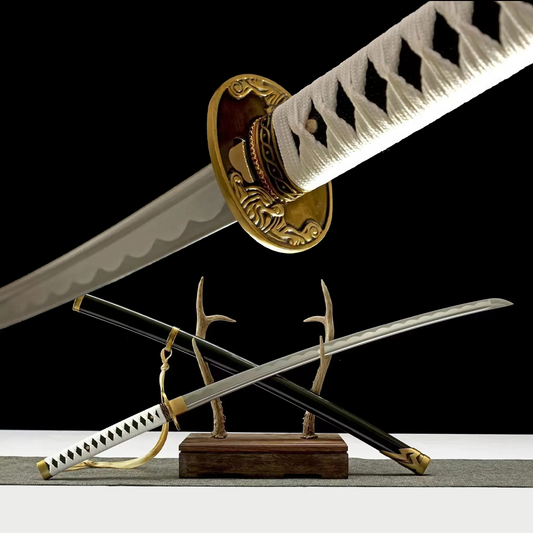
Kill Bill Katana Sword
This iconic replica features premium carbon steel construction with genuine ray skin handle wrapping. The blade showcases traditional Japanese geometry with proper curvature and weight distribution for training applications.
- Damascus steel pattern creates stunning visual appeal while maintaining structural integrity
- Full tang construction ensures optimal balance and long-term durability
- Hand-wrapped tsuka with authentic cotton ito over genuine same (ray skin)
- Functional design suitable for light cutting practice and iaido forms
- Traditional fittings including brass kashira and iron tsuba
⭐⭐⭐⭐⭐ "Received this in Calgary last month. The balance feels perfect for kata practice, and the Damascus pattern is absolutely gorgeous. Exactly what I needed for my iaido training." - Michael T., Alberta
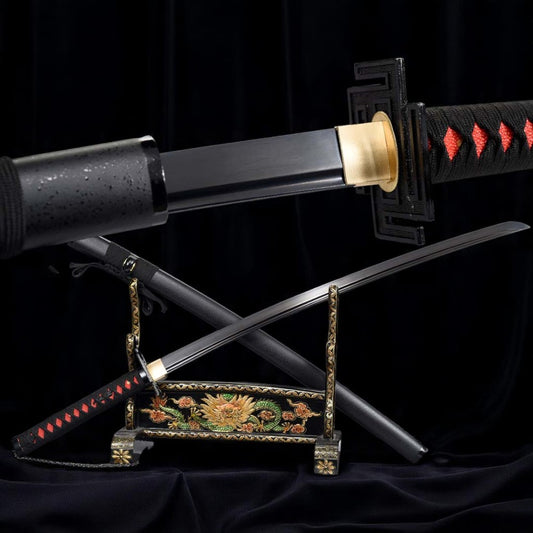
Tanjiro Kamado Katana Sword V2
Inspired by the beloved Demon Slayer character, this 1060 carbon steel training sword maintains authentic proportions while featuring the distinctive black and green color scheme from the anime series.
- 1060 carbon steel blade heat-treated to proper hardness levels for training
- 71cm blade length matching traditional katana specifications
- Black tsuka wrap with green accents reflecting the character's aesthetic
- Proper weight distribution for developing correct iaido technique
- Durable construction suitable for regular practice sessions
⭐⭐⭐⭐⭐ "My daughter uses this for her martial arts training in Vancouver. The weight feels authentic, and it's held up beautifully through months of practice." - Sarah L., British Columbia
Enma Katana Sword
This training sword combines traditional construction methods with modern metallurgy to create an ideal practice weapon for intermediate to advanced practitioners.
- High-quality 1060 steel with proper heat treatment for edge retention
- Traditional shinogi-zukuri geometry with authentic ridge line placement
- Full wrap tsuka providing secure grip during dynamic movements
- Balanced weight distribution optimized for iaido kata performance
- Durable fittings designed to withstand regular training use
Having compared multiple versions side-by-side, this particular model stands out for its attention to traditional proportions while maintaining practical durability for training environments.
Sasuke Katana Sword
Drawing inspiration from the popular Naruto character, this training sword features the distinctive aesthetic elements fans recognize while maintaining authentic katana construction principles.
- Premium 1060 carbon steel construction with proper temper
- Traditional blade geometry suitable for iaido practice
- Character-inspired design elements without compromising functionality
- Authentic weight and balance for developing proper technique
- Quality fittings ensuring long-term reliability
⭐⭐⭐⭐⭐ "Perfect for my anime collection and training practice. The steel quality exceeds my expectations, and it handles beautifully during forms practice." - David K., Ontario
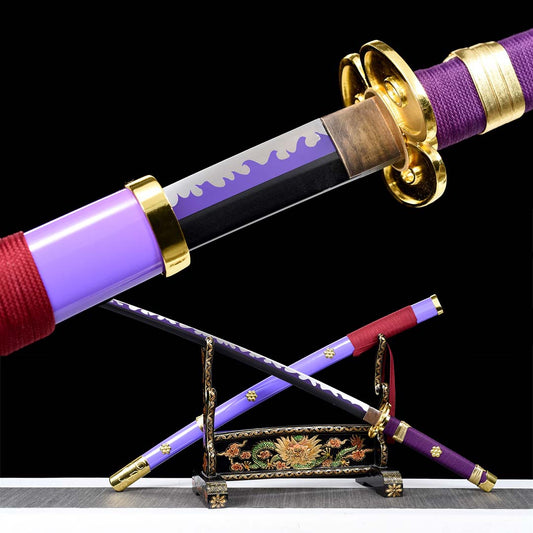
Shusui Katana Sword
This training sword represents one of Zoro's legendary blades from the One Piece universe, crafted with attention to both authenticity and training functionality.
- 1060 carbon steel blade with proper heat treatment for training use
- Traditional katana proportions maintaining authentic feel and balance
- Distinctive blue-themed aesthetics reflecting the character's weapon
- Full tang construction providing structural integrity for practice
- Quality handle wrapping ensuring secure grip during use
When we unboxed this sword, we immediately noticed the attention to detail in both the aesthetic elements and traditional construction methods. The balance point falls exactly where it should for proper iaido practice.
Our demon slayer collection offers additional training-appropriate options for practitioners who appreciate anime-inspired designs without sacrificing training functionality. Each sword undergoes quality inspection to ensure it meets our standards for both safety and authenticity.
For practitioners focused purely on traditional aesthetics, our high-end collection features training swords with classical Japanese styling and premium construction materials.

Iaido Training Sword Buyer's Guide
Selecting the right training sword for practice in the art of iaido requires understanding several key factors that affect both performance and safety. The steel type represents your first major decision, with each option offering distinct advantages for different training levels and applications.
1060 carbon steel provides the ideal starting point for most practitioners. This steel composition offers sufficient hardness for edge retention while maintaining enough flexibility to prevent fracturing during practice. The relatively simple heat treatment required for 1060 steel also makes it more affordable while delivering reliable performance for training applications.
1095 carbon steel steps up the performance level with higher carbon content that enables superior edge retention and a more authentic cutting feel. However, this steel requires more careful maintenance to prevent rust and may prove too brittle for beginners who haven't yet developed proper control during practice sessions.
T10 tool steel represents the premium option for advanced practitioners. This alloy produces stunning hamon patterns when properly heat-treated while offering exceptional durability and edge-holding capability. The trade-off involves higher cost and more demanding maintenance requirements.
Blade length considerations depend on your physical stature and training style. Traditional measurements range from 71-75cm, with taller practitioners generally preferring longer blades that match their proportional reach. Your sensei's recommendations should guide this decision, as different iaido schools sometimes favor specific length ranges.
Weight distribution affects every aspect of your training experience. Quality training swords balance approximately 13-15cm from the tsuba, creating the forward weight bias essential for proper cutting technique while maintaining control for defensive movements. Test the balance by resting the sword horizontally across your finger—it should balance naturally at this point.
Handle construction quality directly impacts safety during training. Authentic ray skin (same) provides superior grip texture and moisture absorption compared to synthetic alternatives. The ito (wrapping cord) should lay flat without gaps or looseness that could shift during use. Full tang construction eliminates the risk of blade separation that occasionally occurs with partial tang designs.
Fit and finish details reveal overall construction quality. The kashira should seat firmly without rattling, indicating proper sizing and assembly. The tsuba must fit snugly against the seppa spacers without binding when sheathing the sword. Polish quality affects both appearance and maintenance—properly finished blades resist corrosion better while showcasing the steel's natural beauty.
Budget considerations should factor in long-term value rather than just initial cost. A well-constructed training sword lasting years of regular practice represents better value than multiple cheap replacements. Our entry-level collection offers quality options for budget-conscious practitioners without compromising essential safety features.
Training environment affects your choice significantly. Dojo practice requires different considerations than home training or outdoor cutting exercises. Discuss intended use with experienced practitioners who can share insights about durability requirements and appropriate steel types for your specific training goals.
Consider your progression timeline when making this investment. Beginning students might start with quality 1060 steel options, planning to upgrade to premium materials as their skills advance. This approach allows you to understand your preferences before committing to higher-end options.
Care and maintenance needs influence your selection as well. Training swords require proper storage solutions to maintain their condition between practice sessions. Our accessories collection includes appropriate stands and care products designed specifically for training sword maintenance.
Canadian Laws & Regulations for Training Swords
Understanding Canadian regulations regarding training swords for the practice of iaido ensures legal compliance while pursuing your martial arts training. The Criminal Code of Canada governs blade weapons, with specific provisions affecting training swords and replica weapons.
Training swords with blunted edges generally fall outside prohibited weapon categories, provided they're used for legitimate martial arts practice. However, provincial and municipal regulations may impose additional restrictions, particularly regarding transportation and storage requirements.
Transportation guidelines require training swords to remain secured in appropriate cases or wrapping during transport to training venues. Displaying weapons openly in vehicles or public spaces may attract unwanted attention from law enforcement, even when the weapons are legal training implements.
Import regulations affect international sword purchases but don't typically impact domestic transactions. Canadian companies like Katana Canada handle import compliance, ensuring training swords meet all federal requirements before reaching customers.
Storage requirements vary by province, with some jurisdictions requiring secure storage similar to firearms regulations. Check your local bylaws regarding blade weapon storage, particularly if you live in multi-unit housing where additional restrictions might apply.
Age restrictions generally prohibit minors from purchasing training swords independently, though supervised training under qualified instruction remains legal. Martial arts schools typically maintain their own policies regarding minimum age requirements for different training equipment.
School and workplace policies often restrict bringing training weapons onto premises, even for legitimate martial arts purposes. Coordinate with administrators before transporting training swords to educational or employment facilities.
Public demonstration guidelines require careful consideration of location and context. Many municipalities require permits for public martial arts demonstrations involving weapons, including training swords. Contact local authorities before organizing public events or demonstrations.
Self-defense considerations present complex legal territory. While training swords serve legitimate martial arts purposes, using them for self-defense could result in charges relating to weapon possession or assault with a weapon, depending on circumstances.
Understanding the distinction between training implements and weapons helps navigate these regulations. Training swords designed specifically for martial arts practice with appropriate safety features generally receive more favorable treatment than sharpened weapons or items that could serve as improvised weapons.
Provincial variations exist across Canada's regions. British Columbia, Alberta, and Ontario maintain similar approaches to training weapon regulations, while Quebec may impose additional language requirements for product documentation and safety information.
Documentation and certification from recognized martial arts organizations can provide valuable support if questions arise regarding your training sword ownership. Maintaining records of your iaido training and instructor credentials demonstrates legitimate martial arts purpose.
Consulting with local law enforcement or legal professionals provides definitive guidance for your specific situation and location. Regulations evolve over time, and maintaining current knowledge ensures continued compliance with all applicable laws and regulations.
Maintenance & Care for Your Training Sword
Proper maintenance extends your training sword's lifespan while ensuring safe, reliable performance throughout years of practicing the art of iaido. Carbon steel training swords require regular attention to prevent corrosion and maintain their structural integrity under demanding practice conditions.
Daily cleaning routine begins immediately after each training session. Wipe the blade thoroughly with a clean, dry cloth to remove moisture, oils, and debris accumulated during practice. Pay special attention to the area near the tsuba where sweat and oils tend to collect during extended training sessions.
Oil application provides essential protection against rust formation. Apply a light coating of mineral oil or specialized sword oil using a clean cloth, working from the tang toward the tip in smooth, even strokes. Avoid petroleum-based products that can attract dirt or leave sticky residues.
Handle maintenance requires different techniques depending on construction materials. Traditional cotton or silk ito wrapping benefits from occasional gentle cleaning with a barely damp cloth followed by thorough drying. Ray skin (same) naturally resists moisture but should be kept clean and dry to prevent cracking or deterioration.
Storage considerations significantly impact long-term condition. Store training swords in a dry environment with stable temperature and humidity levels. Avoid basements, attics, or other areas prone to moisture fluctuations that accelerate corrosion. Horizontal storage on proper stands prevents warping while protecting the blade edge.
Edge maintenance for training swords involves careful attention without the need for sharpening. Run your finger along the edge occasionally to check for nicks or damage that could worsen over time. Small imperfections can be addressed with fine steel wool or emery cloth, working carefully to maintain the original edge geometry.
Inspection schedule should include weekly detailed examinations of all components. Check the tsuba for looseness, examine the handle wrapping for wear or shifting, and inspect the kashira for secure attachment. Address minor issues promptly before they develop into major problems requiring professional repair.
Cleaning supplies should include high-quality cloths that won't scratch the steel surface, appropriate oil for rust prevention, and soft brushes for reaching detailed areas around the fittings. Avoid abrasive cleaners or steel wool coarser than 0000 grade that could damage the blade finish.
Environmental protection extends beyond storage to include transportation considerations. Use padded cases or wrapping that protects against scratches while allowing air circulation. Plastic bags or airtight containers trap moisture and accelerate corrosion—avoid these storage methods entirely.
Tang care requires special attention since this area experiences significant stress during training. Check for rust formation where the tang meets the handle assembly, and apply oil to accessible areas. If the handle assembly allows, periodic disassembly for thorough tang cleaning may be advisable for serious practitioners.
Seasonal maintenance addresses changing environmental conditions that affect steel weapons. Winter heating systems create dry conditions that can cause handle materials to shrink or crack. Summer humidity increases corrosion risks requiring more frequent oil applications and moisture monitoring.
Professional maintenance becomes necessary for major issues like loose fittings, significant corrosion, or structural damage. Our accessories collection includes maintenance supplies and tools designed specifically for training sword care.
Record keeping helps track maintenance schedules and identify developing problems before they become serious. Note oil applications, cleaning sessions, and any observations about changing condition or performance. This documentation proves valuable for warranty claims or professional repair consultations.
Why Choose Katana Canada for Training Swords
Katana Canada represents the premier destination for purchasing training swords used in the practice of iaido across Canada, combining authentic Japanese craftsmanship with the convenience and reliability Canadian customers deserve. Our commitment to quality ensures every training sword meets the exacting standards required for serious martial arts practice.
Canadian company advantages include payment in Canadian dollars, eliminating currency conversion fees and exchange rate uncertainties that affect international purchases. Our bilingual French and English customer service team understands the unique needs of Canadian martial arts practitioners across all provinces and territories.
No customs fees streamline your purchase process while avoiding the unexpected charges and delays that plague international sword orders. This transparent pricing structure means the amount you see at checkout represents your total investment—no surprises or hidden costs that can double your final expense.
Quality assurance begins with our careful vendor selection process. We partner exclusively with manufacturers who demonstrate consistent commitment to traditional construction methods and premium materials. Every training sword undergoes inspection before shipment to verify it meets our published specifications for steel quality, construction integrity, and finishing standards.
Expert curation ensures our collection includes only training swords suitable for serious iaido practice. Unlike general retailers who focus primarily on decorative pieces, our selection emphasizes functional characteristics essential for martial arts training—proper weight distribution, authentic materials, and construction methods that withstand regular practice demands.
Customer support extends beyond the initial purchase to include ongoing assistance with maintenance questions, training recommendations, and technical support. Our team includes experienced martial artists who understand the practical requirements of different training styles and can provide informed guidance based on real-world experience.
Professional packaging ensures your training sword arrives safely and securely. Our specialized packaging protects against damage during transport while meeting all carrier requirements for blade weapon shipments. Tracking information keeps you informed throughout the delivery process.
Product knowledge sets us apart from general sporting goods retailers who treat training swords as generic merchandise. Our detailed product descriptions include technical specifications, steel composition details, and construction methods that help you make informed decisions based on your specific training requirements and skill level.
Community connection with the Canadian martial arts community keeps us informed about evolving training needs and preferences. This ongoing dialogue helps us identify emerging trends and adjust our selection to serve our customers' developing requirements.
Return and exchange policies recognize that finding the perfect training sword sometimes requires trying different options. Our reasonable return window allows you to evaluate your purchase thoroughly and exchange it if necessary to find the ideal match for your training style and physical requirements.
Educational resources help customers understand the technical aspects of training sword selection and maintenance. Our detailed guides and articles provide valuable information that extends beyond basic product promotion to genuine education about traditional Japanese martial arts equipment.
Pricing transparency means clearly posted costs without hidden fees or misleading promotional tactics. We believe informed customers make better decisions, leading to greater satisfaction with their training sword investment and long-term relationships with our company.
Frequently Asked Questions
What makes a training sword authentic for iaido practice?
Authentic characteristics for training swords in iaido include proper steel composition (typically 1060 or 1095 carbon steel), traditional blade geometry with a shinogi ridge line, and correct proportions matching historical katana dimensions. The handle should feature genuine ray skin (same) under cotton or silk wrapping, and the overall balance point should fall 13-15cm from the tsuba. Full tang construction ensures structural integrity, while appropriate curvature (sori) of 15-20mm creates the distinctive profile essential for proper iaido technique. Quality fittings made from brass or iron alloys complete the authentic experience without compromising training safety.
What steel type is best for training swords used in iaido practice?
1060 carbon steel provides the ideal balance for most applications involving training swords for iaido, offering sufficient hardness for edge retention while maintaining flexibility to prevent breakage during practice. This steel type typically achieves 50-55 HRC hardness, perfect for training use. 1095 carbon steel offers superior performance for advanced practitioners who need better edge retention and more authentic cutting feel. T10 tool steel represents the premium option, producing beautiful hamon patterns when properly heat-treated while delivering exceptional durability. Beginners should start with 1060 steel and upgrade as their skills advance.
How do I care for my training sword for iaido practice?
Proper maintenance begins with immediate cleaning after each practice session using a clean, dry cloth to remove moisture and oils. Apply a light coating of mineral oil or specialized sword oil to prevent rust formation, working from tang to tip in smooth strokes. Store your training sword horizontally in a dry environment with stable temperature and humidity. Inspect weekly for nicks, loose fittings, or handle wear. Clean the ray skin handle gently with a barely damp cloth when necessary, followed by thorough drying. Address minor edge imperfections with fine steel wool, maintaining the original geometry. Professional maintenance may be required for major issues or structural concerns.
What size training sword should I choose for iaido practice?
Traditional dimensions for training swords used in iaido range from 71-75cm blade length with 100-104cm overall length. Taller practitioners generally prefer longer blades that match their proportional reach, while shorter individuals may find 71cm blades more manageable. Your sensei's recommendations should guide this decision, as different iaido schools sometimes favor specific length ranges based on their training methods and traditional practices. Handle length typically measures 25-27cm, providing adequate grip space for both hands. The key lies in finding proportions that feel natural during drawing and cutting movements while maintaining proper balance for your physical stature and training style.
How do I display my training sword safely?
Safe display of your training sword requires proper mounting that protects both the sword and viewers. Horizontal stands distribute weight evenly while preventing blade warping over time. Wall mounts should secure the sword firmly without putting stress on the fittings or handle assembly. Display areas should maintain stable temperature and humidity to prevent corrosion or handle material degradation. Position displays away from direct sunlight that can fade wrapping materials and cause temperature fluctuations. Consider locked display cases if security concerns exist, and ensure mounting hardware can support the sword's full weight safely. Our accessories collection includes appropriate display stands designed specifically for training swords.
Is it legal to own a training sword for iaido practice in Canada?
Training swords with blunted edges are generally legal across Canada when used for legitimate martial arts practice. The Criminal Code governs blade weapons, but implements designed for training in the art of iaido typically fall outside prohibited categories due to their training-specific design and educational purpose. Provincial and municipal regulations may impose additional restrictions regarding transportation and storage. Always transport training swords in appropriate cases, and check local bylaws regarding storage requirements. Age restrictions generally prohibit minors from purchasing independently, though supervised training remains legal. Maintain documentation of your martial arts training to demonstrate legitimate purpose if questions arise. Consult local authorities for specific guidance regarding your area's regulations and any recent changes to applicable laws.
Conclusion & Related Content
Selecting the right training sword for practicing the art of iaido represents a significant step in your martial arts journey, connecting you to centuries of Japanese warrior tradition while providing the tools necessary for developing authentic technique and mental discipline. Quality training swords balance historical authenticity with modern safety considerations, creating practice weapons that honor traditional craftsmanship while meeting contemporary training demands.
The investment in proper equipment pays dividends throughout your iaido practice, from the first tentative movements of beginners to the refined precision of advanced practitioners. Each element—steel composition, traditional construction methods, proper balance, and authentic fittings—contributes to an experience that builds both physical skill and spiritual connection to this ancient art.
Remember that your training sword serves as more than just equipment; it becomes a partner in your development as a martial artist. Treat it with the respect and care that centuries of tradition demand, maintaining it properly while using it to explore the depths of iaido practice.
Whether you're drawn to traditional aesthetics or anime-inspired designs, our carefully curated collection ensures you'll find training swords that meet your specific needs without compromising on quality or authenticity. Each piece represents our commitment to providing Canadian martial artists with access to premium training equipment at fair prices.

Related Reading
Expand your knowledge of Japanese martial arts and sword culture with these guides from our blog:
- The Ultimate Guide to Japanese Katana Swords: History, Craftsmanship & Authentic Blades - Explore the rich history and traditional construction methods behind authentic Japanese swords
- Demon Slayer Swords: The Ultimate Guide to Nichirin Blades and Their Legendary Wielders - Discover the fascinating world of anime-inspired training swords
Ready to begin or enhance your iaido training? Explore our complete katana collection to find the perfect training sword for your martial arts journey, or browse our entry-level options designed specifically for beginning practitioners taking their first steps into this rewarding discipline.
 Save $90