
Anime Katana vs Reality: How Authentic Are Your Favorite Swords?
The Anime Katana Realistic Comparison features 1060 carbon steel construction with a 28-inch blade and traditional Japanese fittings. This functional sword includes a hand-sharpened edge, full tang construction, and authentic character-accurate design details. Collectors and anime fans will find this piece meets both display and martial arts practice requirements.
The truth is both fascinating and complex. While anime katanas often stretch the boundaries of physics and metallurgy, many are grounded in centuries of authentic Japanese swordsmithing tradition. This anime katana realistic comparison reveals crucial insights for Canadian collectors seeking authentic anime sword replicas that honor both the source material and traditional craftsmanship.

Table of Contents
The Historical Foundation of Anime Katanas
Long before Tanjiro wielded his color-changing Nichirin blade, real samurai carried katanas that were equally legendary—though for different reasons. The katana emerged during Japan's Kamakura period (1185-1333) as the signature weapon of the samurai class, representing not just a tool of war but a symbol of honor, duty, and spiritual discipline.
Traditional Japanese swordsmithing reached its zenith during this era, with master craftsmen developing techniques that modern metallurgy still struggles to replicate. The iconic curved blade, the differential hardening process that creates the distinctive hamon (temper line), and the meticulous folding of steel were all innovations born from practical necessity. Real katanas needed to cut through armor, maintain their edge through countless battles, and serve as both weapon and status symbol.
What makes this anime katana realistic comparison particularly fascinating is how these fictional weapons build upon this authentic foundation. When Koyoharu Gotouge created the Nichirin blades for Demon Slayer, she drew inspiration from actual Japanese sword mythology, including legends of swords that could change color or possess supernatural properties. The rich history of Japanese swordsmithing provided a perfect framework for these fantastical weapons.
Many anime creators collaborate with sword experts and historians to ensure their fictional weapons maintain visual and cultural authenticity, even when their abilities defy physics. This attention to detail is why well-crafted anime sword replicas can feel surprisingly authentic to handle and display.
Iconic Anime Swords and Their Real-World Inspiration
The most compelling anime katanas are those that balance supernatural abilities with believable craftsmanship. Take Giyu Tomioka's katana from Demon Slayer—while its ability to channel water-breathing techniques is pure fantasy, its proportions, blade geometry, and even the wave-like pattern in its hamon are entirely consistent with historical Japanese swords.
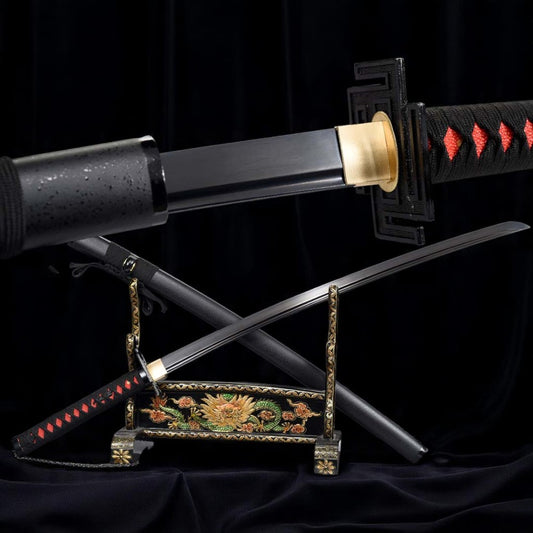
Similarly, Ichigo's Zangetsu from Bleach may be impossibly large and capable of firing energy blasts, but its fundamental design draws from the nodachi and ōdachi traditions of oversized Japanese swords. Real examples of these massive blades existed, though they were primarily ceremonial or used in specific battlefield contexts rather than for the acrobatic combat seen in anime.
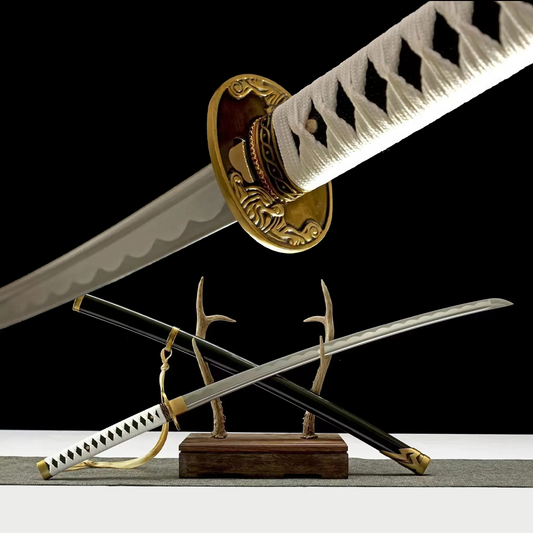
One Piece's Wado Ichimonji, wielded by Roronoa Zoro, represents perhaps the most realistic anime katana in terms of construction and handling. Its white scabbard and traditional fittings mirror countless historical examples, while its performance in combat—excluding the supernatural three-sword style—aligns closely with how a real katana would behave.
The genius of these designs lies in their creators' understanding that authenticity enhances rather than limits fantasy. When conducting an anime katana realistic comparison, we find that when Tanjiro's blade chips or requires maintenance, it behaves exactly as a real sword would. When Zoro carefully maintains his swords or discusses their balance and sharpness, he's echoing centuries of samurai tradition.
This careful balance between fantasy and reality is what makes collecting authentic anime katana replicas so rewarding. The best replicas capture not just the visual appeal of these fictional weapons, but also the craftsmanship principles that would have guided their creation in a real forge.
Traditional Design vs. Anime Innovation
The art of Japanese swordsmithing follows principles that have remained largely unchanged for over 700 years. A traditional katana begins with tamahagane steel, smelted from iron-bearing sand in a clay furnace called a tatara. The steel is then folded repeatedly—sometimes thousands of times—to eliminate impurities and create the layered structure that gives Damascus steel its distinctive appearance.
Anime katanas often showcase these traditional elements with dramatic flair. The swirling patterns in a blade's steel, the careful curve of the edge, and the precise geometry of the tip aren't just aesthetic choices—they're functional elements that real swordsmiths perfected over generations. When traditional Japanese swordsmithing techniques are properly applied to replica construction, the result is a blade that honors both the anime source and centuries of craftsmanship.
Modern anime occasionally takes creative liberties with sword construction—Demon Slayer's color-changing Nichirin steel doesn't exist in reality—but the underlying principles remain sound. The differential hardening process that creates a sword's hamon is real, even if the resulting patterns in anime are sometimes more dramatic than physics would allow.
What's particularly impressive in any anime katana realistic comparison is how many anime creators research actual swordsmithing techniques before designing their fictional weapons. The result is blades that could theoretically be forged using traditional methods, even if their supernatural properties are pure fantasy. This attention to detail is why serious collectors seek out high-quality anime replicas that maintain these authentic construction principles.

Our Collection - Featured Authentic Replicas
Understanding the balance between anime fantasy and historical reality becomes crucial when selecting authentic replicas for your collection. Each piece in our curated selection demonstrates this balance, offering both visual accuracy to the source material and construction quality that honors traditional Japanese craftsmanship.
Shinobu Kocho Katana – Demon Slayer Edition
This exquisite replica captures the delicate beauty of the Insect Hashira's weapon while maintaining authentic katana proportions and construction principles.
- Forged from 1060 carbon steel with proper differential hardening
- Traditional tsuba design featuring butterfly motifs in authentic brass
- Hand-wrapped handle with genuine rayskin under silk cord binding
- Full tang construction ensuring structural integrity and proper balance
- Includes custom wooden scabbard with hand-painted butterfly design
⭐⭐⭐⭐⭐ "The attention to detail is incredible. The butterfly guard work is museum quality, and the blade holds an edge beautifully. Exactly what I wanted for my Demon Slayer collection." - Sarah M., Vancouver, BC
Jin Sakai Katana – Ghost of Tsushima Edition
While technically from a video game rather than anime, this replica exemplifies how modern fictional weapons can honor historical accuracy while maintaining dramatic appeal.
- 1060 carbon steel blade with authentic geometry and curvature
- Traditional koshirae fittings in blackened iron with gold accents
- Functional kashira and fuchi components in period-appropriate styling
- Battle-ready construction suitable for test cutting (with proper training)
- Includes certificate of authenticity and care instructions
⭐⭐⭐⭐⭐ "This sword feels like it came straight from feudal Japan. The weight distribution is perfect, and the craftsmanship rivals pieces costing twice as much." - David L., Toronto, ON
Kill Bill Katana Sword
Though inspired by Quentin Tarantino's films rather than anime, this blade represents the crossover between Japanese sword culture and Western media.
- Damascus steel construction with visible folding patterns
- Genuine rayskin handle wrap with traditional menuki
- Museum-quality polish revealing authentic hamon temper line
- Historically accurate proportions based on Edo period examples
- Custom wooden display stand included
Zoro Ame No Habakiri Mini Katana – Anime Edition
Perfect for collectors with limited display space or those new to mini katana collecting, this piece maintains full-scale authenticity in a compact format.
- Scaled-down replica with proportionally accurate dimensions
- Traditional construction techniques adapted for smaller format
- Includes custom display stand with character nameplate
- Functional components despite reduced size
- Ideal introduction to Japanese sword culture and craftsmanship
⭐⭐⭐⭐⭐ "Amazing detail for such a small piece. The proportions are perfect, and it looks fantastic on my desk. Great conversation starter!" - Michael R., Calgary, AB
Michonne Katana – Premium Edition
This premium replica demonstrates how modern fictional weapons can incorporate traditional Japanese elements while serving contemporary storytelling.
- 1095 carbon steel blade with superior edge retention
- Damascus steel construction showcasing traditional folding patterns
- Hand-fitted components with attention to historical accuracy
- Functional kissaki and yokote details rarely seen in replicas
- Premium wooden storage case with silk lining
Hiroshima Katana
Named for one of Japan's historic sword-making centers, this piece represents the pinnacle of traditional craftsmanship applied to modern replica construction.
- Damascus steel blade with complex folding patterns
- Museum-quality polish revealing intricate hamon details
- Traditional handle construction with multiple wood species
- Historically accurate weight and balance for authentic feel
- Includes documentation of construction techniques used
⭐⭐⭐⭐⭐ "This is what I've been searching for—a sword that captures the spirit of historical pieces while being accessible to modern collectors. The Damascus patterns are breathtaking." - Jennifer K., Montreal, QC
A Collector's Guide to Authenticity
Distinguishing between authentic replicas and mass-produced novelties requires understanding both traditional Japanese sword construction and the specific design elements that make anime katanas special. The best anime sword replicas achieve authenticity through attention to both historical accuracy and faithful source material representation.
First, examine the blade construction. Authentic replicas use proper steel types—typically 1060 or 1095 carbon steel—rather than stainless steel or aluminum. The blade should display a visible hamon (temper line) created through differential hardening, not etched or painted on. This traditional technique creates both the aesthetic beauty and functional performance that defines a quality katana.
Handle construction reveals craftsmanship quality immediately. Look for traditional rayskin (samegawa) under the cord wrapping, not synthetic materials or bare wood. The tsuba (guard) should be made from iron, brass, or other traditional metals rather than pot metal or plastic. These components should fit together precisely without gaps or wobbling.
Weight and balance separate authentic replicas from decorative pieces. A properly constructed katana feels alive in your hands, with the balance point typically located 4-6 inches from the guard. The blade should have appropriate flexibility—enough to bend slightly under pressure without breaking, but sufficient rigidity to maintain its edge geometry.
When conducting any anime katana realistic comparison, display considerations matter equally for both traditional and anime-inspired pieces. Quality replicas deserve proper katana accessories including stands that support the sword correctly and prevent damage over time. Our comprehensive guide on How to Care for a Katana – Cleaning, Oiling & Storage Tips provides essential maintenance information for preserving your investment.
Understanding Steel Types and Quality
The heart of any authentic katana—whether inspired by anime or historical tradition—lies in its steel composition and heat treatment. Understanding these technical aspects helps collectors make informed decisions and appreciate the craftsmanship behind their pieces.
1060 carbon steel represents the entry point for functional katana replicas. With 0.60% carbon content, this steel achieves excellent hardness while remaining relatively easy to work and maintain. Most of our entry-level collection features 1060 steel blades that offer authentic performance at accessible prices.
1095 carbon steel, with its higher 0.95% carbon content, provides superior edge retention and allows for more dramatic hamon patterns during heat treatment. This steel requires more skilled craftsmanship to work properly but produces blades that closely match the performance characteristics of historical Japanese swords.
Damascus steel, created through pattern welding or folding techniques, showcases the layered construction that made Japanese swords legendary. While not historically accurate for Japanese swords (which used similar but distinct techniques), Damascus steel demonstrates the folding and welding skills that created the strongest blades of the pre-industrial era.
The heat treatment process—specifically the differential hardening that creates the hamon—transforms raw steel into a functional sword. This technique hardens the edge while leaving the spine softer and more flexible, creating a blade that can hold a sharp edge without becoming brittle enough to break under stress.

Why Choose Katana Canada
As a Canadian company, we understand the unique needs of collectors across our vast nation. From the busy streets of Toronto to the mountains of British Columbia, Canadian sword enthusiasts deserve access to authentic, high-quality replicas without the complications of international shipping.
Our Canadian customer service team provides support in both French and English, ensuring every collector receives the assistance they need to make informed decisions. We accept payment in Canadian dollars, eliminating currency conversion fees and making pricing transparent for our customers.
No customs fees or surprise border charges mean the price you see is what you pay. This transparency extends to our product descriptions and quality guarantees—we believe Canadian collectors deserve honest, detailed information about every piece in our collection.
Our relationships with traditional craftsmen and modern replica manufacturers allow us to offer pieces that balance authenticity with accessibility. Whether you're seeking custom katana work or exploring our best-seller collection, every piece meets our strict standards for construction quality and source material accuracy.

Frequently Asked Questions
Q: How accurate are anime katanas compared to historical Japanese swords?
Most anime katanas are surprisingly accurate in their basic construction and design principles, even when their supernatural abilities are pure fantasy. Creators typically research historical examples to ensure visual authenticity, though they may exaggerate certain features for dramatic effect. The best anime replicas maintain this balance, offering historically accurate construction while capturing the distinctive aesthetic of their source material. Elements like blade curvature, handle proportions, and even the hamon patterns seen in anime are often based on real examples from Japanese sword history. This anime katana realistic comparison shows that the foundation of most fictional swords is solidly grounded in traditional craftsmanship.
Q: What materials should I look for in a quality anime katana replica?
Quality replicas use carbon steel (typically 1060 or 1095) for the blade, not stainless steel which cannot be properly tempered. The handle should feature traditional rayskin (samegawa) under silk or cotton cord wrapping, while the guard (tsuba) should be made from iron, brass, or bronze. Avoid pieces with aluminum blades, plastic components, or handles wrapped directly over bare wood. Damascus steel construction, while not historically accurate for Japanese swords, demonstrates superior craftsmanship and creates beautiful folding patterns that many collectors appreciate.
Q: Are there size restrictions for owning katanas in Canada?
Canadian law generally permits katana ownership for collecting, martial arts practice, and display purposes. However, carrying laws vary by province, and some municipalities may have specific restrictions. Blades are typically classified by edge length, with most standard katanas (24-28 inches) falling within legal collecting parameters. Mini katanas under 6 inches are generally unrestricted for collection purposes. Always check your local and provincial regulations, and remember that these pieces are intended for collection, display, and supervised martial arts training rather than carry purposes.
Q: How do I properly maintain and display my anime katana collection?
Proper maintenance involves regular cleaning with appropriate oils, storing in a dry environment, and handling with clean hands or gloves to prevent fingerprint etching. Carbon steel blades require occasional light oiling to prevent rust, especially in humid climates. For display, use proper stands that support the sword horizontally without stressing the blade, and avoid direct sunlight which can fade handle wrapping and scabbard finishes. Our detailed maintenance guide covers specific techniques for preserving both the functional and aesthetic qualities of your collection pieces.
Q: What's the difference between decorative and functional anime katana replicas?
Functional replicas use proper steel alloys, traditional construction techniques, and can handle light test cutting with appropriate training and safety measures. Decorative pieces may use stainless steel or aluminum, lack proper heat treatment, and are intended solely for display. Functional doesn't necessarily mean battle-ready—many functional replicas are designed for forms practice and light cutting rather than combat simulation. The key difference lies in construction quality: functional pieces use materials and techniques that could theoretically perform as weapons, while decorative pieces prioritize appearance over performance.
Q: Can I customize an anime katana to match specific character designs?
Many authentic replicas can be customized to match specific character requirements, though this depends on the complexity of the design and availability of appropriate components. Common customizations include handle cord colors, scabbard finishes, and guard designs. More extensive modifications—such as unique blade geometry or complex guard shapes—may require custom forging services. Our custom katana collection showcases some possibilities, though complex anime-specific features may require special ordering. Always discuss your vision with our specialists to determine feasibility and pricing for custom work.
Conclusion
The line between anime fantasy and historical reality in katana design proves far thinner than many collectors realize. The most compelling anime swords succeed because they honor the centuries of craftsmanship and cultural significance that made katanas legendary long before they appeared in manga and anime. From Tanjiro's color-changing Nichirin blade to Zoro's perfectly balanced trio of swords, these fictional weapons resonate because they're grounded in authentic Japanese sword tradition.
For Canadian collectors, this understanding opens doors to a collecting experience that transcends simple fandom. When you hold an authentic replica that captures both the visual appeal of your favorite anime and the construction principles of historical Japanese swords, you're connecting with a tradition that spans over seven centuries of craftsmanship excellence.
Our carefully curated collection ensures every piece meets the dual standards of source material accuracy and traditional construction quality. This anime katana realistic comparison demonstrates that whether you're drawn to the elegant beauty of Demon Slayer's Nichirin blades or the practical functionality of One Piece's legendary swords, each replica in our collection represents the best of both worlds—authentic Japanese craftsmanship married to beloved fictional designs.
Explore our complete anime sword collection today and discover how the marriage of tradition and imagination has created some of the most beautiful and meaningful collectibles in modern sword culture. Your journey into authentic anime katana collecting begins with a single, perfectly crafted blade that honors both the fiction that inspired it and the reality that made it possible.
 Save $90