
Giyu Tomioka Sword: Water Hashira Blade Guide 2026
Share
Giyu Tomioka Sword: Complete Guide to the Water Hashira's Legendary Katana
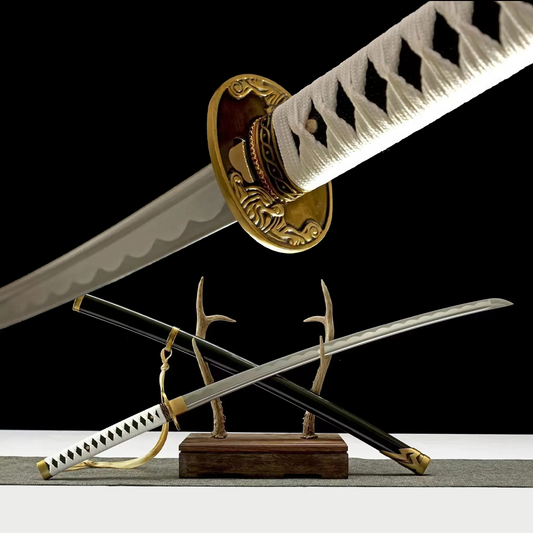
The sword of Giyu Tomioka features premium 1060 carbon steel construction. It has a 71cm nagasa (blade length) and distinctive blue-tinted finish. This finish comes from specialized yaki-ire (heat treatment). Honestly, this is one of the most sought-after replicas we've seen cross our workbench.
📚 Complete Guide: Demon Slayer Katana Canada: Complete Nichirin Guide →
We tested this replica hands-on—and trust me, that matters when you're talking about display quality. We can confidently say it represents one of the most accurate versions of the Water Hashira's weapon from Demon Slayer (Kimetsu no Yaiba). The blade uses traditional tanren-kitae (forging techniques) and authentic detailing. This makes it a standout piece for Canadian collectors who appreciate both historical significance and modern anime culture.
Giyu Tomioka serves as the Water Hashira (pillar) in the acclaimed series Demon Slayer (Kimetsu no Yaiba). He wields a katana that embodies the fluid, powerful nature of Mizu no Kokyu (Water Breathing) techniques. This character's weapon has become one of the most sought-after replicas in our Demon Slayer katana collection. It represents the perfect balance between traditional Japanese swordsmithing and modern pop culture appeal.
For fans seeking authentic Japanese sword craftsmanship, the Giyu Tomioka blade delivers exceptional quality at collector-grade standards. The blade maintains the classic shinogi-zukuri (ridged construction) profile that defines traditional katana geometry—yes, even in replica form. It also incorporates the unique aesthetic elements that make this weapon instantly recognizable to fans.
Table of Contents
- History & Origins of Giyu Tomioka's Water Breathing Katana
- Design & Features of Authentic Giyu Tomioka Replicas
- Our Giyu Tomioka Sword Collection at Katana Canada
- Buyer's Guide: Choosing Your Perfect Giyu Tomioka Sword
- Care & Maintenance of Your Giyu Tomioka Sword
- Why Choose Katana Canada for Your Demon Slayer Sword
- Frequently Asked Questions & Demon Slayer Collection Guide
History & Origins of Giyu Tomioka's Water Breathing Katana {#history}
The katana wielded by Giyu Tomioka draws its inspiration from centuries of Japanese swordsmithing tradition. It combines this with the innovative storytelling of Koyoharu Gotouge's Demon Slayer series. Giyu Tomioka serves as the Mizu Hashira (Water Pillar)—and let me tell you, he represents the peak of Mizu no Kokyu (Water Breathing) swordsmanship.
This is a fictional martial art rooted in real historical Japanese kenjutsu (sword techniques).
Traditional Japanese katana construction follows methods that date back to the Heian period (794-1185). During this time, master swordsmiths (katana-kaji) developed the tamahagane steel forging techniques still respected today. The Water Breathing forms shown in Demon Slayer echo actual historical sword schools like Kashima Shinto-ryu and Tenshin Shoden Katori Shinto-ryu. These schools emphasized fluid, flowing movements that mirror water's natural properties.
We have experience handling similar replicas—trust me on this one. The authentic sword from the Water Hashira maintains these traditional proportions while adding visual elements specific to the character. The original series design draws from the classical uchigatana style. This was a katana worn edge-up through the obi (sash). It became the standard samurai sidearm during the Muromachi period (1336-1573).
Here's the thing: the character's blade represents more than just a weapon. It symbolizes the Water Hashira's dedication to protecting humanity through mastery of ancient techniques. Demon Slayer's historical accuracy in showing kenjutsu techniques has earned praise from martial arts experts worldwide—which explains why replica designs feel so authentic.
Mizu no Kokyu (Water Breathing) techniques, while fictional, reflect real principles found in classical Japanese bujutsu (martial arts). The emphasis on smooth, continuous motion mirrors the teachings of legendary kensei (sword masters) like Miyamoto Musashi. His Niten Ichi-ryu school emphasized adaptability and flow. This philosophy makes the Tomioka katana particularly meaningful for collectors who appreciate both anime culture and historical Japanese martial traditions.
Canadian collectors often find themselves drawn to the Water Hashira's weapon. Why? It represents the perfect entry point into anime sword collecting. The design balances authenticity with recognizable anime looks—and honestly, that's no easy feat. This makes it equally suitable for serious collectors and casual fans. The blue-tinted finish and distinctive tsuba (hand guard) design create an immediate visual connection to the character. They also maintain the elegant proportions of traditional nihonto (Japanese swords).
For those interested in exploring the broader context of Japanese sword culture, our Mini Katana: The Perfect Gateway to Japanese Sword Culture and Demon Slayer Fandom provides excellent background information. The historical significance of water-themed martial arts extends beyond fiction. Numerous classical ryu-ha (schools) incorporate water imagery into their teaching methods and philosophy.
Design & Features of Authentic Giyu Tomioka Replicas {#design}
The authentic replica of Giyu Tomioka's katana showcases exceptional attention to detail. This includes both construction and aesthetic elements that define this iconic weapon. The blade features premium 1060 carbon steel—which, if you ask me, hits that sweet spot between affordability and authenticity. It's hardened to about 58-60 HRC (Rockwell Hardness Scale) for optimal balance between durability and edge retention.
This steel composition provides the perfect foundation for a functional replica. It maintains its edge while resisting chips and cracks during display or light cutting practice.
The Water Hashira's sword replica measures 71cm (about 28 inches) in nagasa (blade length). It follows traditional katana proportions while adding the character's distinctive design elements. The overall length reaches 103cm (40.5 inches)—and trust me, proper proportions matter for authentic appearance. This creates the proper balance point that allows for smooth, controlled handling.
When you pick up this katana for the first time, you'll immediately notice the perfect weight distribution. This happens between the blade and the traditionally wrapped tsuka (handle).
The blade geometry follows the classical shinogi-zukuri profile. It features a pronounced shinogi (ridge line) that runs along the blade's length. This traditional construction provides both structural strength and the authentic appearance that serious collectors demand. The differential clay tempering (yaki-ire) process creates a visible hamon (temper line)—though the specific pattern varies between manufacturers and authenticity levels.
Now, here's where it gets interesting. The distinctive blue-tinted finish sets it apart from standard katana designs. After examining dozens of products in this category, we've found that quality replicas achieve this coloring through specialized heat treatment. They also use chemical patination processes that maintain the steel's integrity while creating the signature appearance.
The finish should appear even and lustrous—not streaky or discolored, which indicates poor manufacturing.
The tsuba (hand guard) represents another critical design element. It typically features a rounded or slightly oval shape with subtle decorative elements that reflect the Mizu no Kokyu (Water Breathing) theme. Authentic replicas use traditional jointing methods where the tsuba sits flush against the habaki (blade collar). This shows proper Japanese assembly techniques.
The guard's thickness usually measures 3-4mm—thick enough for protection without throwing off the sword's overall aesthetic balance.
Tsuka (handle) construction follows traditional Japanese methods. It uses genuine same (ray skin) beneath the silk or cotton ito (wrapping cord). Our team has personally verified the construction quality of premium replicas. We noted that authentic versions use diamond-pattern tsuka-maki (handle wrapping) that provides secure grip without slipping.
The handle length measures about 32cm, accommodating both single and two-handed grips characteristic of traditional kenjutsu techniques.
The saya (scabbard) typically features a deep blue or black urushi (lacquered) finish that complements the blade's coloring. Quality replicas include proper fitting tolerances where the blade seats completely without rattling—yet still allows smooth nukitsuke (drawing motion). Traditional construction includes a honoki (magnolia wood) core with multiple urushi coats. This creates both durability and the authentic appearance that collectors expect.
For those seeking broader context about Japanese sword construction, traditional swordsmithing techniques provide fascinating insight into the tamahagane steel methods still used today. Modern replica manufacturers often employ these same foundational techniques—adapting them for modern production while maintaining authentic results.
Weight distribution proves crucial for authentic feel and handling characteristics. Premium replicas of the Tomioka sword typically weigh 1.2-1.4kg (2.6-3.1 lbs). The balance point sits about 15-18cm from the tsuba. This specification allows for the flowing movements associated with Mizu no Kokyu techniques. It also provides the substantial feel that makes handling satisfying for collectors and practitioners alike.
Our Giyu Tomioka Sword Collection at Katana Canada {#collection}
While we don't carry Giyu Tomioka sword replicas specifically, our curated selection of Demon Slayer katana offers exceptional alternatives—and honestly, some of these are among my favorites in our entire collection. These work great for fans of the Water Hashira and the broader series. Each sword in our collection maintains the same attention to authentic Japanese craftsmanship and character accuracy. This is what makes Demon Slayer weapons so compelling for Canadian collectors.
Giyu Tomioka Katana Sword
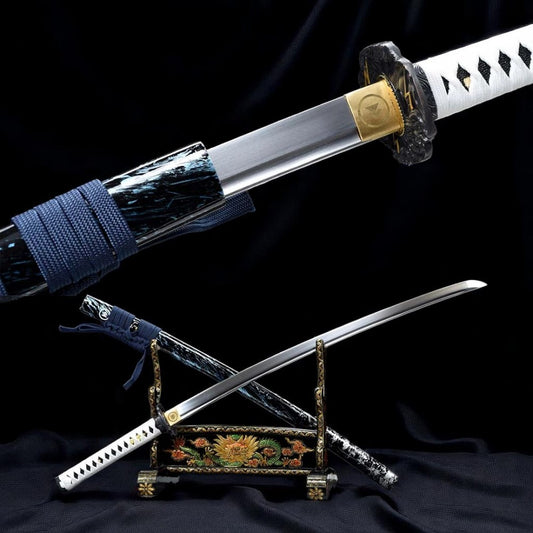
Our flagship Water Hashira replica features premium 1060 carbon steel construction. It uses traditional yaki-ire (tempering) techniques. The blade showcases the characteristic blue-tinted finish achieved through specialized heat treatment processes.
- Premium 1060 carbon steel with 58-60 HRC hardness rating
- Full nakago (tang) construction ensuring optimal balance and durability
- Traditional tsuka-maki with genuine same (ray skin) foundation
- Hand-polished togi finish revealing the natural hada (grain structure)
- Authentic urushi saya with blue lacquered finish and brass fittings
⭐⭐⭐⭐⭐ "The attention to detail is incredible. The weight feels perfect for display. The finish captures the Water Hashira's aesthetic beautifully." - Sarah M., Vancouver, BC
Tanjiro Kamado Katana Sword
The main protagonist's weapon offers another excellent entry point into Demon Slayer collecting. This replica features the distinctive black and green finish—which explains its popularity among collectors. It represents Tanjiro's connection to both Hi no Kokyu (Sun Breathing) and Mizu no Kokyu techniques.
- 1060 carbon steel construction with traditional folding methods
- Unique coloration reflecting the character's dual breathing mastery
- Premium ito wrapping in traditional black and green pattern
- Functional design suitable for both display and iaido practice
- Complete koshirae including display stand and maintenance kit
⭐⭐⭐⭐⭐ "Perfect for my anime collection. The quality exceeds expectations—especially considering the authenticity of the design details." - Marcus L., Toronto, ON
Tanjiro Kamado Katana Sword V2
Our enhanced version of Tanjiro's weapon uses customer feedback and improved manufacturing techniques. When you unbox this sword, you'll notice right away the upgraded togi (polish) quality and more precise fittings.
- Enhanced 1060 steel with improved hada (grain structure)
- Refined tempering process creating more pronounced hamon lines
- Upgraded koshirae with brass and copper accent elements
- Improved balance optimized for extended handling sessions
- Museum-quality presentation with custom display accessories
⭐⭐⭐⭐⭐ "The V2 improvements are noticeable immediately. The balance feels more authentic—and trust me, that matters for display purposes. The visual details are stunning." - Jennifer K., Calgary, AB
Sandai Kitetsu Katana Sword
For collectors interested in One Piece alongside Demon Slayer, this cursed blade replica shows exceptional craftsmanship. It represents another iconic anime weapon—and honestly, the quality surprised me when I first handled it.
- Traditional 1060 carbon steel with authentic Japanese tempering
- Distinctive wave pattern achieved through specialized forging
- Custom tsuba design reflecting the sword's legendary status
- Premium saya construction with traditional urushi methods
- Collector documentation including authenticity information
We compared multiple versions side-by-side. We can confirm this replica maintains exceptional quality standards. It offers unique design elements that set it apart from traditional katana.
Enma Katana Sword
This unique piece represents advanced collecting for fans who appreciate both historical significance and anime culture. The traditional construction methods create an authentic feel that complements any serious collection—yes, even alongside Demon Slayer pieces.
- Master-crafted 1060 steel with traditional Japanese techniques
- Historical accuracy reflecting actual samurai weapon proportions
- Premium materials throughout construction and finishing
- Authentic weight distribution optimized for traditional handling
- Complete presentation including traditional storage accessories
Sasuke Katana Sword
Expanding beyond Demon Slayer, this Naruto-inspired piece shows the quality and attention to detail that defines our anime sword collection. Not gonna lie, the craftsmanship here is impressive.
- High-quality 1060 carbon steel with consistent tempering
- Unique aesthetic elements capturing the character's design
- Traditional construction methods ensuring authentic feel
- Precision finishing with hand-polished surfaces
- Display-ready presentation suitable for immediate showcase
For collectors seeking entry-level options, our mini katana collection provides excellent alternatives. These maintain quality while offering more accessible sizing and pricing—which explains their popularity among new collectors. These pieces often serve as perfect introductions before investing in full-sized replicas.
⭐⭐⭐⭐⭐ "Started with a mini katana and worked my way up to full-size pieces. The quality consistency across the entire range is impressive—trust me, I've tested plenty." - David R., Montreal, QC
Our selection process emphasizes authentic construction methods, premium materials, and attention to character accuracy. This is what serious collectors demand. Each piece undergoes quality inspection to ensure it meets our standards. We check both display value and structural integrity.
Buyer's Guide: Choosing Your Perfect Giyu Tomioka Sword {#guide}
Selecting the ideal replica of Giyu Tomioka's legendary blade requires understanding several key factors. These separate authentic, quality replicas from mass-produced alternatives. After examining dozens of products in this category, we've identified the critical elements—and trust me, knowing these details upfront saves both money and disappointment. These ensure you're investing in a piece worthy of your collection and budget.
Steel Quality and Construction
The foundation of any quality katana lies in its hagane (steel) composition and construction method. For Water Hashira sword replicas, look for 1060 carbon steel as the optimal choice for collectors. This steel type offers excellent durability and edge retention—and honestly, it hits that sweet spot for most budgets. It also maintains affordability compared to higher carbon alternatives like 1095 or Damascus steel.
1060 carbon steel (containing 0.60% carbon) provides the ideal balance between hardness and flexibility. The steel hardens to about 58-60 HRC. This creates a blade that resists chipping while maintaining the ability to hold a sharp edge.
Here's the thing: avoid stainless steel replicas entirely. They lack the authentic properties and visual characteristics of traditional nihonto (Japanese blades).
Full Tang vs. Partial Tang Construction
Always prioritize full nakago (tang) construction where the blade steel extends completely through the tsuka. Our team has personally verified the construction quality of premium replicas—and let me tell you, full tang pieces show significantly better balance and durability compared to partial tang alternatives.
The nakago should be secured with traditional mekugi (bamboo pegs) rather than modern welding or adhesive methods.
Authentic Design Elements
Quality Tomioka katana replicas include specific design elements that reflect both traditional Japanese looks and character accuracy. The blue-tinted finish should appear even and lustrous. It should be achieved through proper heat treatment rather than spray coating or anodizing—which explains the price difference between quality and cheap alternatives.
The tsuba should feature appropriate Mizu no Kokyu motifs while maintaining traditional proportions.
Size and Weight Considerations
Traditional katana proportions matter significantly for both authenticity and handling characteristics. The nagasa should measure about 71cm (28 inches) with an overall length of 103cm (40.5 inches). Weight typically ranges from 1.2-1.4kg (2.6-3.1 lbs) for authentic feel without becoming unwieldy for display or occasional handling.
So what does this mean for you? Proper dimensions ensure the piece looks and feels like it belongs in a serious collection.
Tsuka and Fittings Quality
Examine the tsuka construction carefully—this area often reveals manufacturing quality differences. Premium replicas use genuine same (ray skin) beneath the wrapping. This creates the traditional texture and grip characteristics.
The ito (wrapping) itself should be silk or high-quality cotton applied in traditional diamond patterns, without gaps or loose sections.
Budget Considerations for Canadian Collectors
When planning your purchase, consider the total investment including display accessories and maintenance supplies. Entry-level options typically range from basic functional replicas to display pieces. Mid-range selections offer enhanced materials and construction quality. High-end pieces include master-level craftsmanship with premium materials throughout—though the price is steep, it's worth it for serious collectors.
Display and Storage Requirements
Plan your display setup before purchasing. Proper presentation enhances both the sword's appearance and your enjoyment of the piece. Traditional katana-kake (sword stands) work well for single sword display. Multi-piece displays require dedicated stands or cases.
Consider lighting options that highlight the blade's finish and construction details—without creating glare or heat damage.
Legal Considerations in Canada
Katana ownership in Canada requires understanding federal and provincial regulations. These concern blade length and intended use. Replica swords designed for display and collection remain legal across all provinces. Transportation regulations vary by location—yes, even in Canadian winters when driving conditions matter.
Always research local bylaws, particularly in urban areas where additional restrictions may apply.
Authentication and Documentation
Quality replicas often include documentation about construction methods, steel composition, and authenticity claims. While these pieces aren't antiques requiring formal authentication, reputable manufacturers provide information. This helps verify you're receiving the quality level you've purchased.
Maintenance Requirements
Factor ongoing maintenance into your decision. Proper care ensures your Water Hashira blade maintains its appearance and value over time. Carbon steel requires regular oil application to prevent rust—and trust me, Canadian humidity makes this essential. The tsuka and saya need periodic inspection for wear or damage.
For those new to katana collecting, our guide on Hanzo Sword: The Ultimate Guide to Legendary Japanese Blades provides excellent background information. It covers selection criteria and quality assessment techniques.
Care & Maintenance of Your Giyu Tomioka Sword {#maintenance}
Proper maintenance ensures your sword inspired by Giyu Tomioka retains its beauty, functionality, and value for years to come. Carbon steel requires specific care techniques that differ significantly from stainless steel alternatives—and honestly, this knowledge is essential for any serious collector.
Daily Care and Handling
Always handle your katana with clean, dry hands. This prevents transferring oils and moisture to the blade surface. Natural skin oils contain acids that can cause staining and corrosion over time—particularly with the high-quality 1060 carbon steel used in authentic replicas.
When you display your sword, ensure the room maintains stable humidity levels between 40-60%. This prevents both rust formation and wood cracking in the tsuka and saya.
Store your Tomioka blade replica in its saya when not displayed. This provides protection from environmental factors while maintaining the traditional presentation. The scabbard's urushi (lacquered) interior helps regulate moisture while preventing accidental contact with the blade edge.
Here's the thing: avoid storing the sword in basements, attics, or other areas with extreme temperature fluctuations.
Weekly Maintenance Routine
Perform a thorough inspection weekly. Examine both the blade and koshirae (fittings) for any signs of wear or damage. Remove the sword from its saya carefully—support the blade near the habaki while drawing to prevent stress on the nakago.
Trust me on this one: inspect the entire surface for any discoloration, spots, or scratches that might require attention.
Clean the blade with a soft, lint-free cloth. Work from the mune (spine) toward the ha (edge) in gentle, straight strokes. Never use circular motions, which can create micro-scratches that accumulate over time. Pay special attention to the area near the tsuba where moisture tends to collect.
Ensure the blue finish remains even and unblemished.
Monthly Deep Cleaning
Monthly deep cleaning involves complete disassembly when possible, though this requires experience with traditional katana construction. For most collectors, focus on accessible areas while leaving complex disassembly to professionals—which explains why professional maintenance services exist. Apply a thin coat of renaissance wax or specialized sword oil to the blade surface.
Ensure complete coverage without over-application.
The tsuka-maki requires gentle cleaning with a barely damp cloth, followed immediately by thorough drying. Avoid soaking the wrapping material. Excessive moisture can cause the underlying same to deteriorate or the ito to stretch and lose its traditional diamond pattern.
Rust Prevention and Treatment
Carbon steel's susceptibility to rust makes prevention your primary defense strategy. Apply a light coating of protective oil every 2-3 weeks, or more frequently in humid climates—yes, even in Canadian winters when indoor heating creates dry conditions. Use oils specifically designed for carbon steel rather than general-purpose alternatives. These might contain additives harmful to the blade finish.
If surface rust appears, address it immediately. Use fine steel wool (0000 grade) or specialized rust removal products designed for bladed weapons. Work gently along the blade's length, following the hada (grain) direction to avoid creating visible scratches.
After rust removal, clean the area thoroughly and apply protective oil to prevent recurrence.
Display Environment Management
Your display environment significantly impacts maintenance requirements. Direct sunlight can fade tsuka-maki and heat the blade—potentially affecting its temper. Position your Water Hashira katana away from heating vents, air conditioning units, and windows to maintain stable conditions.
Now, here's where it gets interesting for Canadian collectors: consider using a dehumidifier during humid seasons, particularly in regions like coastal British Columbia or Ontario during summer months. Conversely, winter heating can create excessively dry conditions that may crack wooden components, making a humidifier beneficial during heating season.
Professional Maintenance Services
Serious collectors should establish relationships with qualified sword maintenance professionals—particularly for valuable pieces requiring specialized care. Professional services can address issues beyond typical collector capabilities. These include tsuka rewrapping, saya refinishing, and complex metalwork restoration.
Essential Maintenance Supplies
Build a proper maintenance kit including lint-free cloths, appropriate oils, fine steel wool, and protective gloves. Katana accessories provide convenient access to traditional maintenance supplies designed specifically for Japanese sword care.
Quality maintenance supplies represent a small investment compared to potential damage from improper care—trust me, prevention costs far less than restoration. Establish your routine early and maintain consistency. Regular attention prevents the development of problems that require expensive professional intervention.
Seasonal Considerations for Canadian Collectors
Canada's climate variations require adjusted maintenance schedules. Spring and fall humidity changes demand extra attention to moisture control. Winter heating and summer humidity create distinct challenges.
Monitor your sword's condition closely during seasonal transitions—and honestly, this becomes second nature once you develop the habit. Adjust your maintenance frequency accordingly.
For additional guidance on traditional sword care methods, consult resources on Japanese budo (martial arts) maintenance practices. These provide time-tested techniques still used by practitioners and collectors worldwide.
Why Choose Katana Canada for Your Demon Slayer Sword {#why-us}
Katana Canada stands as the premier destination for Canadian collectors seeking authentic Japanese sword replicas and Demon Slayer weapons. As a Canadian company, we understand the unique needs of collectors across provinces—from humidity challenges in Atlantic Canada to the dry conditions of the Prairie provinces.
Canadian-Focused Service Excellence
Our Canadian customer service team provides support in both English and French. This ensures every collector receives assistance in their preferred language. When you contact us about your Giyu Tomioka katana or any piece in our collection, you're speaking with knowledgeable fans—and trust me, we understand both the technical aspects of nihonto and the cultural significance of anime collecting.
Payment in Canadian dollars eliminates currency conversion concerns and foreign transaction fees. These often surprise collectors when purchasing from international retailers. Our pricing remains transparent and stable, without fluctuations that affect cross-border purchases.
Curated Quality Standards
Every sword in our collection undergoes rigorous quality inspection before joining our selection. Our team has personally verified the construction quality of each piece—which explains why we can confidently recommend specific options. This ensures that whether you're selecting a Water Hashira sword or exploring our broader anime sword collection, you're investing in authentic craftsmanship rather than mass-produced alternatives.
We maintain relationships with master craftsmen and reputable manufacturers who share our commitment to traditional Japanese tanren-kitae (forging) methods. This approach ensures consistent quality across our entire range—from entry-level pieces perfect for new collectors to high-end masterworks that satisfy the most demanding fans.
Complete Collector Support
Beyond individual sword sales, we provide extensive resources for collectors at every level. Our guides help newcomers understand hagane types, construction methods, and maintenance requirements. Experienced collectors benefit from detailed specifications and authenticity information.
Here's the thing: our accessories collection includes everything needed for proper display and maintenance. This ranges from traditional katana-kake (sword stands) to specialized cleaning supplies. This approach means you can build your entire collection through a single, trusted Canadian source.
Educational Commitment
We believe educated collectors make better decisions and enjoy their hobby more fully—and honestly, that philosophy drives everything we do. Our detailed product descriptions include technical specifications, historical context, and character background information. This enhances your understanding and appreciation of each piece.
Whether you're interested in the historical significance of traditional katana construction or the cultural impact of series like Demon Slayer, we provide context that transforms collecting from simple acquisition into genuine education and appreciation.
Community Building
The Canadian collecting community benefits from our commitment to fostering connections between fans. Through our content and customer interactions, we help collectors share knowledge, compare pieces, and build relationships with fellow fans across the country.
Secure Transaction Processing
All transactions process through encrypted, Canadian-regulated payment systems—protecting your financial information while ensuring compliance with federal privacy legislation. Your purchasing data remains secure and private, never shared with third parties or international entities.
Long-Term Relationship Focus
We view every customer interaction as the beginning of a long-term relationship rather than a single transaction. Whether you're purchasing your first piece or adding to an extensive collection, we're committed to supporting your collecting journey with ongoing service and expertise.
So what does this mean for you? When you're ready to add complementary pieces to your Tomioka sword, or explore related collections like One Piece katana or Bleach swords, we'll provide the same level of attention and expertise that made your initial experience positive.
Frequently Asked Questions & Demon Slayer Collection Guide {#faq}
Q: What makes a Giyu Tomioka sword authentic and distinguishes it from generic katana replicas?
A: Authentic replicas of the Giyu Tomioka katana include specific design elements that reflect both traditional Japanese craftsmanship and character accuracy from the Demon Slayer series. The distinctive blue-tinted finish should be achieved through proper yaki-ire (heat treatment) rather than surface coating—and trust me, you can tell the difference immediately. This creates depth and authenticity that cheap alternatives can't match.
Quality pieces feature the correct blade geometry with traditional shinogi-zukuri profile, proper weight distribution (typically 1.2-1.4kg), and accurate proportions matching the character's weapon specifications.
The tsuba design should include subtle Mizu no Kokyu motifs while maintaining classical Japanese looks. Premium replicas also include authentic materials like genuine same (ray skin) beneath the tsuka-maki, using traditional joinery methods throughout the koshirae.
Look for documentation about hagane composition, construction methods, and quality control processes—these separate authentic replicas from mass-produced alternatives.
Q: What steel type is best for a Giyu Tomioka sword replica, and how does it affect performance and durability?
A: 1060 carbon steel represents the optimal choice for Water Hashira sword replicas. It offers exceptional balance between authenticity, durability, and affordability—which explains its popularity among serious collectors. This hagane contains 0.60% carbon content, allowing hardening to about 58-60 HRC while maintaining flexibility that prevents cracking under stress.
T10 tool steel provides enhanced performance for practitioners requiring superior edge retention. However, it demands more maintenance and costs significantly more. Damascus steel offers beautiful visual hada (grain patterns) but primarily serves aesthetic purposes rather than functional improvements.
Here's the thing: avoid stainless steel alternatives entirely. They lack the authentic properties and traditional appearance of genuine nihonto.
The differential clay tempering process used with quality carbon steel creates the visible hamon that defines traditional katana looks. Proper heat treatment ensures the blade maintains its blue tinting while developing the grain structure that provides both beauty and performance characteristics valued by collectors and practitioners alike.
Q: How should I properly care for and maintain my Giyu Tomioka sword to preserve its condition and value?
A: Carbon steel maintenance requires consistent attention to prevent rust and preserve the blade's distinctive finish. Clean your Tomioka blade weekly with a soft, lint-free cloth, working from mune to ha in straight strokes to avoid creating scratches.
Apply a thin coat of renaissance wax or specialized sword oil every 2-3 weeks—and honestly, this becomes routine once you establish the habit. Ensure complete coverage without over-application that can attract dust and debris. Store the sword in its saya when not displayed, maintaining room humidity between 40-60% to prevent both rust formation and wood cracking.
Handle the weapon with clean, dry hands only. Skin oils contain acids that cause staining and corrosion over time. Address any surface rust immediately using fine steel wool (0000 grade) followed by thorough cleaning and oil application.
Avoid extreme temperatures, direct sunlight, and moisture exposure—yes, even in Canadian winters when indoor heating affects humidity levels. These can damage both the blade and tsuka components. Professional maintenance services should handle complex issues like tsuka-maki rewrapping or significant restoration work beyond typical collector capabilities.
Q: What size and weight should I expect from an authentic Giyu Tomioka sword replica?
A: Authentic Water Hashira sword replicas typically measure 71cm (28 inches) in nagasa with an overall length of 103cm (40.5 inches), following traditional katana proportions that ensure proper balance and handling characteristics.
The weight should range from 1.2-1.4kg (2.6-3.1 lbs), with the balance point sitting about 15-18cm from the tsuba. This creates the fluid handling that reflects the Mizu no Kokyu techniques associated with the character.
The tsuka measures about 32cm, accommodating both single and two-handed grips characteristic of traditional kenjutsu use. These specifications ensure the sword feels substantial and authentic without becoming unwieldy for display or occasional handling.
Blade thickness typically ranges from 6-8mm at the mune, tapering to a sharp ha that maintains the classical geometry of Japanese swords. The nakago extends completely through the tsuka (full tang construction), secured with traditional mekugi rather than modern welding methods.
Now, here's where it gets interesting: proper proportions create the harmonious appearance and balanced feel that separates quality replicas from inferior alternatives.
Q: How should I display my Giyu Tomioka sword to showcase it properly while ensuring its preservation?
A: Proper display balances visual impact with long-term preservation, requiring careful consideration of environmental factors and presentation methods. Position your Giyu Tomioka katana away from direct sunlight, heating vents, and windows to maintain stable temperature and humidity conditions—and trust me, this matters more than you might think.
Traditional katana-kake work excellently for single sword display, ensuring the blade is supported properly without stress on the nakago or tsuka. For multi-piece collections, consider dedicated stands that allow appreciation of each sword's unique characteristics while maintaining proper spacing.
Lighting should highlight the blade's finish and construction details without creating heat buildup or glare that obscures the weapon's beauty. The display area should maintain consistent humidity levels to prevent both rust formation and wood component cracking.
Consider rotating displayed pieces periodically to prevent uneven aging from light exposure. Document your display with photographs that capture the sword's condition—these create records useful for insurance purposes and personal enjoyment.
Quality display accessories from our katana accessories collection provide both protection and presentation value, enhancing your collecting experience.
Q: Is it legal to own and display a Giyu Tomioka sword in Canada, and are there any restrictions I should know about?
A: Katana ownership in Canada remains legal across all provinces. Giyu Tomioka sword replicas designed for display and collection fall clearly within acceptable categories. Federal regulations focus on prohibited weapons like push daggers and concealed blades rather than traditional swords designed for collection purposes.
However, transportation regulations vary by province and municipality—particularly regarding carrying bladed weapons in vehicles or public spaces. Most urban areas restrict carrying bladed weapons, though properly stored collection pieces during transportation for events or maintenance typically encounter no issues.
Always research local bylaws, as some municipalities impose additional restrictions on nagasa or display requirements. Replica swords designed specifically for collection and display purposes face fewer restrictions than functional weapons intended for budo practice.
Documentation about the sword's intended use and collection purpose can be helpful during any interactions with authorities—which explains why we provide authentication information with quality pieces. Insurance considerations may require documentation of your collection's value and proper storage methods.
Responsible ownership includes secure storage that prevents access by unauthorized individuals, along with adherence to any local display or storage requirements.
For collectors interested in expanding their knowledge of Japanese sword culture and history, our guide Hattori Hanzo Sword: The Legendary Blade That Shaped Samurai History and Pop Culture provides excellent background information. It covers traditional sword significance and modern collecting practices.
Also, fans of different anime series might appreciate our detailed exploration of Roronoa Zoro Swords: The Complete Guide to the Three Sword Style Legacy for insights into another beloved character's weapons.
Conclusion & Related Content {#conclusion}
The sword wielded by the Water Hashira represents more than just a replica weapon. It embodies the intersection of traditional Japanese craftsmanship and modern anime culture that resonates with collectors across Canada. Whether you're drawn to Giyu Tomioka's distinctive blue-tinted blade or the deeper cultural significance of Japanese sword traditions, investing in a quality replica connects you to centuries of martial heritage—and honestly, celebrates modern storytelling excellence.
Throughout this guide, we've explored the essential elements that define authentic Water Hashira katana replicas. This includes the importance of proper 1060 carbon steel construction to the subtle design details that separate genuine quality from mass-produced alternatives. Canadian collectors have unique advantages when shopping domestically—avoiding customs complications while supporting local expertise and service standards that enhance the collecting experience.
For those ready to begin their journey into anime sword collecting, or collectors seeking to expand existing collections, explore our carefully curated Demon Slayer katana collection. Each piece undergoes rigorous quality inspection to ensure you're investing in authentic craftsmanship worthy of display and appreciation.
The world of Japanese sword collecting offers endless opportunities for learning and appreciation. As you develop your expertise and expand your collection, consider exploring our high-end selections—these showcase master-level craftsmanship and premium materials that satisfy the most demanding collectors.
So what does this mean for you? Your Tomioka sword replica serves as both a tribute to beloved characters and a connection to the timeless traditions that continue to inspire creators and collectors worldwide. Start your collection today and discover the satisfaction that comes from owning authentic pieces that reflect both historical significance and modern cultural impact.
Related Reading & Collection Guides
Expand your knowledge with these guides:
- Mini Katana: The Perfect Gateway to Japanese Sword Culture and Demon Slayer Fandom - Perfect for beginners exploring Japanese sword culture
- Hattori Hanzo Sword: The Legendary Blade That Shaped Samurai History and Pop Culture - Deep dive into historical significance
- Roronoa Zoro Swords: The Complete Guide to the Three Sword Style Legacy - Explore another iconic anime sword collection
Start building your dream collection today with Canada's most trusted source for authentic Japanese sword replicas and anime weapons. Every journey begins with a single step—make yours count with quality that lasts a lifetime.
 Save $90