Hattori Hanzo Sword: The Legendary Blade That Shaped Samurai History and Pop Culture
Share
Hattori Hanzo Sword: The Legendary Blade That Shaped Samurai History and Pop Culture
The moonlight glints off polished steel as a shadow moves through the darkness. In the hands of history's most feared ninja, a blade whispers through the night air—silent, deadly, precise. This is no ordinary katana. This is a Hattori Hanzo sword, a weapon so legendary that its very name strikes fear into the hearts of enemies and commands respect from warriors across centuries.
From the blood-soaked battlefields of feudal Japan to the silver screens of Hollywood, the Hattori Hanzo blade has transcended its origins as a mere weapon to become an icon of power, precision, and deadly artistry. But what makes these swords so special? What separates them from countless other katana forged in the fires of Japanese history?
Table of Contents
- The Historical Legend of Hattori Hanzo
- The Weapons and Their Wielders
- Design and Craftsmanship Excellence
- Our Hattori Hanzo Inspired Collection
- Collector's Guide to Authentic Pieces
- Steel Types and Quality Fundamentals
- Why Choose Katana Canada
The Historical Legend of Hattori Hanzo
In the shadowy world of 16th-century Japan, where political intrigue and warfare shaped the destiny of nations, one name emerged from the darkness to become legend: Hattori Hanzo. Born into a family of ninja serving the Tokugawa clan, Hanzo wasn't just any warrior—he was the epitome of what a shinobi could become.
Hattori Hanzo Masashige, known to history as Hattori Hanzo the First, served as the leader of the Iga ninja clan and personal bodyguard to Tokugawa Ieyasu, the future shogun who would unite Japan under his rule. But Hanzo's reputation wasn't built on stealth alone; it was forged in steel, shaped by his mastery of the blade, and tempered by victories that seemed impossible to achieve.
The historical Hattori Hanzo was more than a ninja—he was a samurai, a strategist, and above all, a swordsman whose skill with the katana became the stuff of legends. Stories tell of his ability to move like smoke through enemy lines, striking with precision that left no trace except fallen foes. His legendary blade became an extension of his will, cutting through both flesh and the very fabric of Japanese history.
What set Hattori Hanzo apart wasn't just his skill, but his understanding that a sword is only as good as the warrior who wields it. He demanded perfection from his weapons, working closely with master swordsmiths to create blades that matched his legendary abilities. These weren't mass-produced weapons—they were individual masterpieces, each one crafted to serve a specific purpose in the hands of Japan's most feared warrior.
The legacy of Hattori Hanzo extends far beyond his death in 1596. His name became synonymous with the perfect fusion of ninja stealth and samurai honor, creating a archetype that would inspire warriors, artists, and storytellers for centuries to come. Today, when we speak of a "Hattori Hanzo sword," we're not just referring to a weapon—we're invoking a standard of excellence that represents the pinnacle of Japanese swordcraft.
The Weapons and Their Wielders
The legendary katana associated with Hattori Hanzo represent more than mere weapons; they embody a philosophy of warfare that balanced the shadowy arts of ninjutsu with the noble traditions of the samurai. Unlike the standardized katana of common soldiers, Hattori Hanzo's blades were custom-forged instruments of precision, each one designed for specific combat scenarios that a ninja-samurai might encounter.
Historical accounts describe the primary Hattori Hanzo katana as a work of art that could slice through armor as easily as silk. The blade featured a distinctive hamon (temper line) that wasn't just beautiful—it was functional, indicating the precise heat treatment that gave the steel its legendary sharpness and flexibility. The tang bore the mark of master smiths who understood that their reputation rested on creating a weapon worthy of Japan's greatest warrior.
But the famous ninja's arsenal extended beyond a single katana. As befitting a warrior who operated in multiple roles—bodyguard, assassin, general—he carried shorter blades for close quarters combat, tanto for silent eliminations, and specialized tools that blurred the line between weapon and instrument. Each piece was crafted with the same attention to detail that made his primary sword legendary.
The symbolism embedded in these weapons reflected Hanzo's dual nature. Where typical samurai swords bore decorations celebrating honor and lineage, Hanzo's blades often featured more subtle elements—moon phases that honored his nighttime operations, geometric patterns that spoke to precision rather than ostentation. The very design of his weapons reinforced his identity as a warrior who existed between worlds.
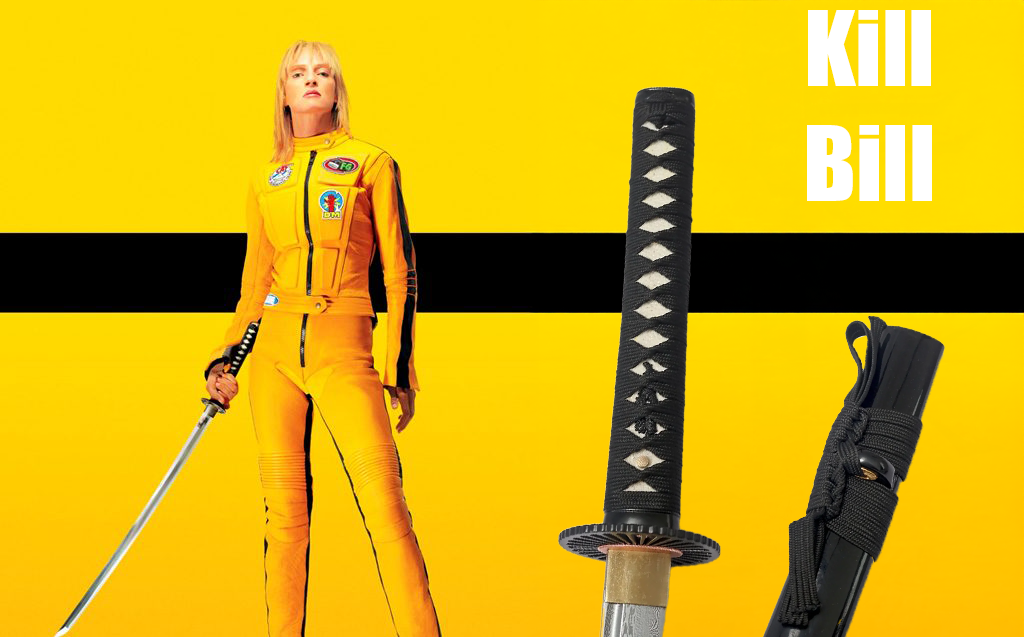
Modern interpretations of Hattori Hanzo katana, particularly those popularized in films like Kill Bill, draw heavily from these historical precedents while adding contemporary dramatic flair. Quentin Tarantino's fictional Hattori Hanzo, the master swordsmith who emerges from retirement to forge a blade for The Bride, captures the essence of what made the original so compelling—the idea that some weapons transcend their physical form to become instruments of destiny.
The cultural impact of these legendary weapons extends far beyond their historical origins. In anime, manga, and modern media, "Hattori Hanzo sword" has become shorthand for the ultimate blade—a weapon so perfectly crafted that it can cut through anything, wielded by warriors whose skill matches their weapon's quality. This modern mythology, while romanticized, captures something essential about what made the original Hattori Hanzo and his weapons so captivating.
Whether examining historical accounts or modern interpretations, one thing remains constant: the authentic Hattori Hanzo sword represents the pinnacle of what happens when master craftsmanship meets legendary skill. They remind us that in the right hands, a sword becomes more than a weapon—it becomes an extension of the warrior's soul, capable of achieving the impossible through perfect harmony between wielder and blade.
Design and Craftsmanship Excellence
The construction of an authentic Hattori Hanzo sword represents the absolute pinnacle of Japanese metallurgy and bladesmithing art. Unlike mass-produced weapons, these legendary blades demanded techniques that only master swordsmiths could execute, combining ancient wisdom with innovations that pushed the boundaries of what steel could achieve.
The foundation of any authentic Hattori Hanzo-style blade begins with the steel selection. Historical examples used tamahagane steel, produced through the arduous tatara smelting process that transforms iron sand and charcoal into steel of exceptional purity. This wasn't simply about creating sharp edges—it was about forging steel with the complex carbon distribution necessary for a blade that could bend without breaking, cut without dulling, and maintain its edge through countless encounters.
The folding technique employed in these legendary katana went far beyond the standard practices of the era. Master smiths would fold the steel up to sixteen times, creating thousands of layers that distributed carbon content with mathematical precision. This wasn't mere showmanship—each fold served a specific purpose, creating a blade structure that maximized both flexibility and hardness in exactly the right proportions.
The hamon, or temper line, visible along the edge of an authentic Hattori Hanzo blade tells the story of its creation. These distinctive patterns weren't decorative accidents but the result of precisely controlled differential hardening. Clay applied to specific areas of the blade before heating allowed smiths to create zones of different hardness—a razor-sharp edge supported by a flexible spine that could absorb impact without shattering.
Authentication of genuine Hattori Hanzo-style craftsmanship requires understanding subtle details that separate museum-quality pieces from decorative replicas. The grain structure visible in properly polished steel, the precise geometry of the kissaki (point), and the flawless integration of blade and tang all serve as indicators of authentic construction techniques. Even the weight distribution must achieve perfect balance, allowing the sword to move like an extension of the wielder's arm.
Modern recreations of these legendary blades face the challenge of honoring historical techniques while adapting to contemporary materials and methods. The best contemporary examples use high-carbon steels like 1060 and 1095, which can achieve similar performance characteristics to traditional tamahagane when properly heat-treated. Damascus steel patterns, while not historically accurate to Hattori Hanzo's era, offer modern collectors the visual complexity that echoes the sophisticated metallurgy of the originals.
The handle construction of authentic Hattori Hanzo-style katana deserves equal attention. Genuine ray skin (same) wrapped with silk ito provides the grip texture necessary for precise control, while the tsuba (guard) must balance protection with the unimpeded draw speed essential for both samurai and ninja techniques. Every component, from the menuki ornaments to the kashira pommel, contributes to the weapon's overall balance and functionality.
Our Hattori Hanzo Inspired Collection
At Katana Canada, we understand that owning a piece inspired by the legendary Hattori Hanzo tradition means more than simply acquiring a sword—it means connecting with a legacy that spans centuries of Japanese martial excellence. Our carefully curated collection brings together the finest interpretations of this iconic blade design, each piece crafted to honor the original while meeting the needs of modern collectors and practitioners.
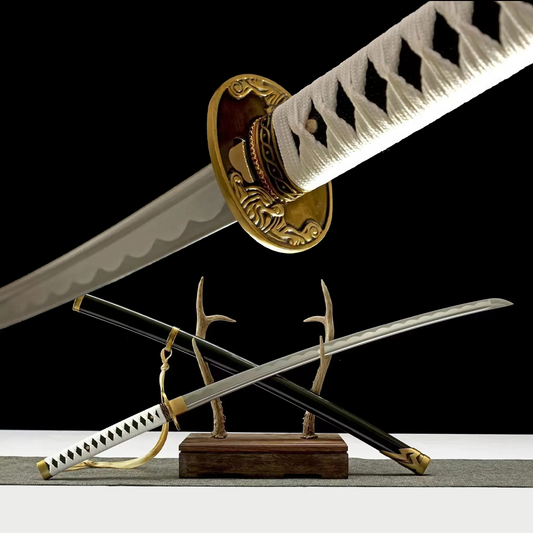
The crown jewel of our collection is the Kill Bill Katana Sword at $520.00 CAD, a stunning recreation of the blade made famous in Quentin Tarantino's cinematic masterpiece. This exceptional piece features:
• Premium carbon steel construction with authentic differential hardening • Hand-forged Damascus steel pattern creating unique folded layers • Genuine rayskin handle wrapped in traditional silk ito • Functional cutting edge suitable for both display and practice • Museum-quality polish revealing the complex hamon temper line
⭐⭐⭐⭐⭐ "The attention to detail is incredible. The weight and balance feel perfect in hand, and the Damascus pattern is absolutely gorgeous. This is exactly what I wanted for my Kill Bill collection." - Sarah M., Vancouver, BC
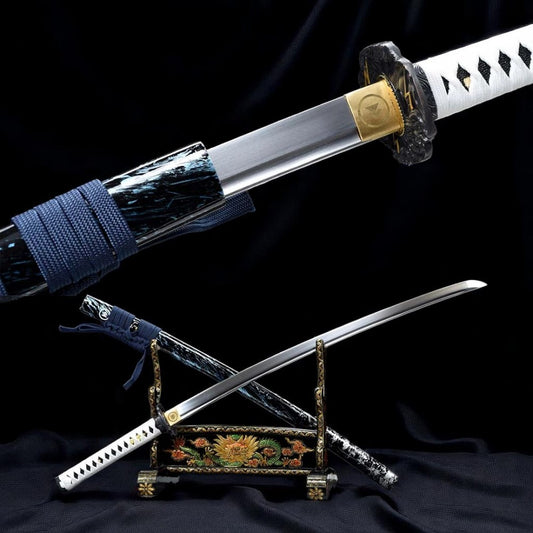
For enthusiasts of The Walking Dead series, our Michonne Katana Sword at $520.00 CAD captures the essence of survival and determination that defined one of television's most iconic characters. This remarkable blade offers:
• 1095 high-carbon steel construction for superior edge retention • Damascus steel folding creating distinctive watered-steel patterns • Functional design suitable for both cosplay and martial arts practice • Traditional Japanese fittings with authentic materials • Perfect balance for extended handling and display
⭐⭐⭐⭐⭐ "As a Walking Dead fan, this sword exceeded my expectations. The craftsmanship rivals pieces costing twice as much, and it's become the centerpiece of my collection." - Marcus T., Calgary, AB
Our anime-inspired collection brings legendary manga and anime swords to life with exceptional attention to detail. The Sandai Kitetsu Katana Sword at $390.00 CAD pays homage to the cursed blade from One Piece, featuring:
• 1060 carbon steel construction for optimal durability • Authentic manga-inspired design elements • Hand-sharpened edge with traditional geometry • Quality fittings that honor the source material
For Demon Slayer enthusiasts, multiple interpretations of Tanjiro's iconic blade. The Tanjiro Kamado Katana Sword V2 at $390.00 CAD represents our latest refinement of this beloved design, while the original Tanjiro Kamado Katana Sword at $390.00 CAD continues to be a collector favorite.
⭐⭐⭐⭐⭐ "The V2 version shows incredible improvement in detail work. The color gradation on the blade is spot-on to the anime, and the weight distribution is perfect for forms practice." - Jennifer K., Toronto, ON
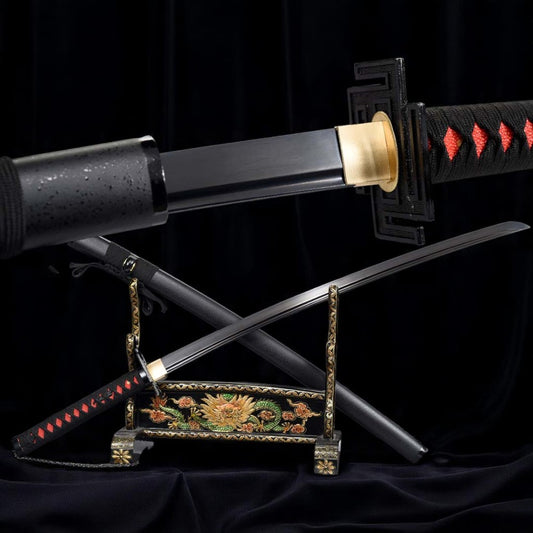
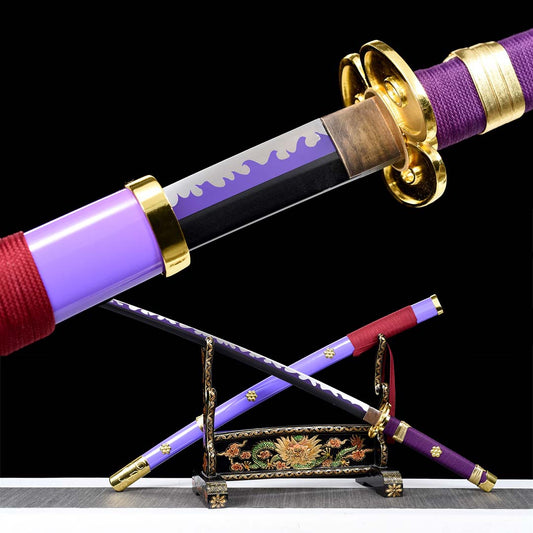
Our One Piece collection extends to other legendary blades including the Enma Katana Sword at $390.00 CAD, representing Zoro's powerful weapon, and the Shusui Katana Sword at $390.00 CAD, honoring the black blade of Ryuma.
Naruto fans will appreciate the Sasuke Katana Sword at $390.00 CAD, which captures the distinctive design elements of the Uchiha clan's weapons. Each piece in our anime collection maintains the same commitment to quality that defines our historical reproductions.
⭐⭐⭐⭐⭐ "The Sasuke katana arrived faster than expected and the quality is outstanding. The 1060 steel holds an edge beautifully, and the attention to anime details is perfect." - David L., Montreal, QC
Every katana in our collection undergoes rigorous quality inspection to ensure it meets our standards for both aesthetic excellence and functional performance. We work exclusively with master craftsmen who understand that an authentic Hattori Hanzo-inspired blade must embody the same dedication to perfection that made the original legendary.
Whether you're drawn to the cinematic drama of Kill Bill, the survival themes of The Walking Dead, or the rich mythology of anime and manga, our collection offers authentic pieces that honor their inspirations while providing the quality and craftsmanship worthy of the legendary ninja's legacy. Each sword comes with detailed care instructions and a certificate of authenticity, ensuring your investment remains beautiful and functional for years to come.
⭐⭐⭐⭐⭐ "I've purchased three swords from Katana Canada now, and each one has exceeded my expectations. The customer service is excellent, and the quality rivals much more expensive pieces I've seen elsewhere." - Robert S., Edmonton, AB
Collector's Guide to Authentic Pieces
Building a collection centered around Hattori Hanzo-inspired katana requires more than passion—it demands knowledge, patience, and an understanding of what separates authentic craftsmanship from mass-produced imitations. Whether you're starting your first collection or adding to an existing one, certain principles will guide you toward pieces that honor the legendary tradition while providing lasting value.
The foundation of any serious collection begins with understanding authenticity markers. Genuine Hattori Hanzo-style katana exhibit specific characteristics that reflect traditional Japanese construction methods. Look for differential hardening evidence in the hamon line, proper grain structure in the steel, and weight distribution that creates natural balance. The blade should feel alive in your hands, not dead or sluggish like poorly made replicas.
Steel quality represents perhaps the most critical factor in determining a sword's authenticity and value. Historical pieces used tamahagane steel, but modern interpretations using 1060 or 1095 carbon steel can achieve similar performance characteristics when properly heat-treated. Avoid stainless steel pieces marketed as "functional"—true functional swords require carbon steel that can achieve and maintain a proper edge.
Handle construction provides another crucial authentication point. Authentic pieces feature genuine ray skin (same) rather than synthetic alternatives, wrapped with silk ito in traditional patterns. The wrap should be tight and even, with proper spacing that provides both grip and aesthetic appeal. Modern synthetic materials, while durable, lack the authentic feel and appearance that serious collectors demand.
Display considerations become increasingly important as your collection grows. Legendary ninja weapons deserve presentation that honors their status. Horizontal displays showcase the blade's full length and allow appreciation of the hamon pattern, while vertical stands save space and create dramatic visual impact. Avoid mounting systems that stress the tang or blade, as these can cause damage over time.
Climate control plays a vital role in preserving your collection's condition. Carbon steel responds to humidity changes, potentially developing surface rust if not properly maintained. Maintain consistent humidity levels between 40-50% and ensure adequate air circulation around displayed pieces. Silica gel packets in display cases can help control moisture in smaller spaces.
Documentation adds significant value to any serious collection. Maintain detailed records of each piece's provenance, including purchase date, seller information, and any certificates of authenticity. Photograph your swords from multiple angles, capturing unique features like hamon patterns or maker's marks. This documentation becomes invaluable for insurance purposes and future resale considerations.
Budget planning requires balancing quality with financial reality. Entry-level pieces in the $300-500 range can provide excellent introduction to the category while offering genuine functional capability. Mid-range options ($500-1000) typically feature superior steel treatment and more refined craftsmanship details. High-end pieces may reach several thousand dollars but offer museum-quality construction and materials.
Authentication resources become crucial when evaluating potential additions to your collection. Develop relationships with reputable dealers who understand the difference between authentic reproductions and cheap imitations. Online forums and collector communities provide valuable insights into specific pieces and manufacturers, helping you avoid common pitfalls that trap inexperienced buyers.
Storage solutions must balance accessibility with protection. Individual sword bags prevent scratches and provide basic humidity protection, while wooden storage boxes offer traditional aesthetics and superior climate control. Never store multiple swords in direct contact—even minor blade contact can create permanent scratches on polished surfaces.
Investment perspective varies depending on your collecting goals. Some pieces appreciate in value due to limited production runs or association with popular media, while others hold steady value based on craftsmanship quality. Focus primarily on pieces that bring personal satisfaction rather than potential profit, as the sword market can be unpredictable and heavily influenced by cultural trends.
Steel Types and Quality Fundamentals
Understanding steel composition and treatment methods forms the foundation of evaluating any legendary katana's quality and authenticity. The type of steel used, combined with proper heat treatment and forging techniques, determines whether a blade will perform as intended or merely serve as an expensive decoration.
Carbon steel remains the gold standard for functional swords, with 1060 and 1095 representing the most common choices for quality reproductions. These designations refer to carbon content—1060 contains approximately 0.60% carbon, while 1095 contains 0.95% carbon. Higher carbon content generally produces harder edges capable of superior sharpness, but also increases brittleness if not properly tempered.
1060 steel offers an excellent balance of hardness and flexibility, making it ideal for practitioners who plan to use their swords for cutting exercises or martial arts forms. The lower carbon content allows for more forgiving heat treatment, resulting in blades less likely to chip or crack under stress. For collectors seeking functional pieces that can handle occasional use, 1060 represents an optimal choice that honors traditional performance expectations.
1095 steel pushes toward the upper limits of carbon content practical for sword construction. In skilled hands, this steel can achieve exceptional edge retention and cutting performance that rivals historical examples. However, 1095 demands precise heat treatment to avoid brittleness, making it better suited for experienced practitioners who understand proper blade care and maintenance.
Damascus steel patterns, while not historically accurate to the ninja's era, provide modern collectors with visually striking alternatives that showcase advanced metallurgical techniques. True pattern-welded Damascus involves folding different steel types together, creating layers with varying carbon content that etch differently to reveal complex patterns. Quality Damascus work requires master-level skills and significantly increases production costs.
Heat treatment represents the crucial process that transforms raw steel into functional blade material. Proper differential hardening creates the distinctive hamon line while establishing optimal hardness distribution throughout the blade. The edge achieves maximum hardness for cutting performance, while the spine retains flexibility to absorb impact without fracturing.
Quality assessment requires understanding what to look for in finished steel work. Properly heat-treated blades exhibit specific characteristics: clean, consistent hamon patterns without gaps or irregularities, uniform grain structure visible through proper polishing, and appropriate hardness levels tested through controlled methods. Avoid pieces with obvious machine marks, irregular temper lines, or edges that chip easily during normal handling.
Tempering represents the final critical step in blade production, relieving internal stresses created during hardening while optimizing toughness. Under-tempered blades remain brittle and prone to catastrophic failure, while over-tempering reduces hardness below functional levels. Master smiths understand this delicate balance and adjust tempering parameters based on intended use and steel composition.
For those interested in diving deeper into Japanese sword metallurgy and construction techniques, The Complete Guide to Katana Swords: History, Craftsmanship, and Authentic Japanese Blades provides comprehensive coverage of traditional and modern approaches to sword making.
Modern quality control methods allow contemporary smiths to achieve consistency that historical craftsmen could only approximate. Temperature monitoring, controlled atmosphere furnaces, and precise timing systems enable reproduction of optimal heat treatment cycles. However, the fundamental principles remain unchanged—creating exceptional steel requires understanding both the science and art of metallurgy.
Why Choose Katana Canada
As a Canadian company, Katana Canada offers unique advantages that make acquiring your legendary ninja-inspired katana both convenient and cost-effective. Our commitment to serving Canadian collectors and martial arts practitioners extends beyond simply selling products—we're dedicated to building a community of enthusiasts who share our passion for authentic Japanese sword culture.
Payment in Canadian dollars eliminates the currency conversion complications and fees that plague international purchases. When you see a price listed on our site, that's exactly what you'll pay—no hidden conversion charges, no fluctuating exchange rates affecting your final cost. This transparency allows for confident budgeting and eliminates the unpleasant surprises that often accompany cross-border transactions.
Our bilingual customer service team provides support in both French and English, ensuring clear communication regardless of your preferred language. Technical questions about steel types, sizing considerations, or maintenance requirements receive detailed answers from knowledgeable staff who understand both the products and the cultural context they represent. This Canadian customer service approach emphasizes building relationships rather than simply processing orders.
The absence of customs fees represents a significant financial advantage for Canadian customers. International sword purchases often face substantial duties and brokerage charges that can add hundreds of dollars to your final cost. Our Canadian company status eliminates these concerns, ensuring the price you see is the price you pay, without unexpected border charges or lengthy customs delays.
Quality assurance receives particular attention in our Canadian operations. Every sword undergoes detailed inspection before shipping, ensuring that only pieces meeting our strict standards reach customers. This attention to quality control, combined with our understanding of Canadian customer expectations, results in consistently superior products that honor both their inspirations and our reputation.
Our customer service team understands the unique aspects of sword ownership in Canada, including provincial regulations and proper handling procedures. This local expertise provides peace of mind for new collectors who want to ensure their purchases comply with all applicable laws while building their collections responsibly.
Frequently Asked Questions
Q: How can I verify the authenticity of a Hattori Hanzo sword, and what distinguishes genuine pieces from replicas?
Authentic ninja-inspired katana display several key characteristics that separate them from low-quality replicas. First, examine the blade construction—genuine pieces feature carbon steel (typically 1060 or 1095) rather than stainless steel, which cannot achieve or maintain proper edges. The hamon (temper line) should appear as a natural, irregular pattern resulting from differential hardening, not an etched or painted imitation. Weight distribution is crucial—authentic swords balance naturally in the hand, with the balance point typically located 4-6 inches from the guard. Handle construction should feature genuine ray skin (same) wrapped with silk ito, not synthetic materials. Finally, reputable sellers provide certificates of authenticity and detailed specifications about steel composition and construction methods.
Q: What are the differences between 1060 and 1095 steel, and which is better for my intended use?
The primary difference lies in carbon content—1060 steel contains 0.60% carbon while 1095 contains 0.95% carbon. This affects performance characteristics significantly. 1095 steel can achieve superior hardness and edge retention, making it excellent for cutting exercises and martial arts practice where maintaining sharpness is crucial. However, it requires more careful heat treatment and maintenance to prevent brittleness. 1060 steel offers better toughness and forgiveness, making it ideal for beginners or those who prioritize durability over maximum cutting performance. For display purposes, either steel type provides excellent aesthetics, but 1060 generally offers better long-term stability with less demanding maintenance requirements. Consider your experience level and intended use—1095 for experienced practitioners seeking maximum performance, 1060 for general collecting and moderate use.
Q: What are the proper dimensions and weight specifications for an authentic Hattori Hanzo-style katana?
Traditional katana proportions, which the legendary ninja's weapons follow, feature blade lengths between 28-32 inches (71-81 cm), with 29-30 inches being most common for standard pieces. Total length including handle typically ranges from 39-43 inches (99-109 cm). Weight should fall between 2.2-3.5 pounds (1.0-1.6 kg) depending on blade length and construction. The curvature (sori) should measure approximately 0.5-0.7 inches (1.3-1.8 cm) for proper geometry. Handle length typically measures 10-12 inches (25-30 cm) to accommodate traditional two-handed grip techniques. These specifications ensure proper balance and handling characteristics that honor the original design principles while providing functional performance for modern practitioners.
Q: How should I care for and maintain my Hattori Hanzo sword to ensure longevity?
Proper maintenance begins with understanding that carbon steel requires active care to prevent corrosion. After handling, wipe the blade with a clean, lint-free cloth to remove fingerprints and moisture. Apply a thin coat of specialized sword oil (choji oil traditionally) to all steel surfaces, including the tang if accessible. Store the sword in a dry environment with consistent humidity levels between 40-50%. For long-term storage, use silica gel packets to control moisture. Avoid touching the blade directly with bare hands, as skin oils promote corrosion. Periodically inspect all fittings for looseness or wear. If you notice any rust spots, address them immediately with fine polishing stones (1000+ grit) and gentle circular motions. Professional polishing should be considered for valuable pieces or extensive restoration needs. Never use harsh chemicals or power tools on the blade surface.
Q: What display options work best for showcasing a legendary katana collection?
Display methods should balance aesthetic impact with preservation requirements. Horizontal stands showcase the blade's full profile and allow easy appreciation of hamon patterns and overall geometry. These work well for single pieces or small collections. Vertical displays save space and create dramatic visual impact, particularly effective for multiple swords displayed together. Wall-mounted options provide security and space efficiency but require proper mounting hardware that doesn't stress the tang or blade. Glass display cases offer maximum protection from dust and handling while maintaining visibility, essential for valuable pieces. Lighting should avoid direct UV exposure, which can fade traditional materials over time. Rotating displays allow showcasing larger collections in limited space. Consider the room's humidity and temperature stability—avoid locations near heating vents or windows. Professional display furniture designed for swords provides optimal support and often includes storage for maintenance supplies and documentation.
Q: Are Hattori Hanzo swords legal to own in Canada, and what regulations should I be aware of?
Katana ownership is generally legal throughout Canada for collectors and martial arts practitioners, but specific regulations vary by province and municipality. Most jurisdictions classify properly constructed katana as tools or sporting goods rather than prohibited weapons, provided they're used appropriately. Key considerations include transportation requirements—swords should be transported in cases and never displayed publicly. Some provinces have specific length restrictions or registration requirements, particularly for concealed carry (which is generally prohibited anyway). Educational institutions and workplaces may have specific policies prohibiting weapons on premises. Import regulations focus primarily on proper classification and documentation, which reputable Canadian dealers handle automatically. For martial arts practice, verify that your training facility permits real weapons versus practice alternatives. Always check current local regulations, as laws can change, and consider consulting with local authorities if you have specific questions about your situation.
Related Reads
For collectors interested in exploring the broader world of Japanese sword culture, several articles provide valuable context and information. Those fascinated by the historical aspects of these legendary weapons will find Hattori Hanzo Katana: The Sword Behind the Legend particularly enlightening, offering deeper insights into the man behind the myth and the weapons that made him legendary.
Collectors seeking guidance on building their collections should explore The Complete Guide to Types of Swords: From Ancient Blades to Modern Masterpieces, which provides comprehensive coverage of different blade styles and their historical contexts.
Anime and manga enthusiasts will appreciate Mini Katana: The Perfect Gateway to Japanese Sword Culture and Demon Slayer Fandom, which explores how popular media has influenced modern sword collecting and offers insights into character-inspired pieces.
One Piece fans interested in expanding their collections beyond the legendary ninja themes should read Roronoa Zoro Swords: The Complete Guide to the Three Sword Style Legacy, which details the iconic weapons of anime's most famous swordsman.
Conclusion
The legendary ninja's katana represents more than a weapon—it embodies the perfect fusion of legendary skill, masterful craftsmanship, and timeless appeal that continues to captivate collectors and enthusiasts centuries after its namesake walked the earth. From the shadowy battlefields of feudal Japan to the bright screens of modern cinema, these iconic blades have transcended their origins to become symbols of excellence, precision, and the relentless pursuit of perfection.
Whether you're drawn to the historical significance of the original weapons, the cinematic drama of Kill Bill's interpretation, or the rich mythology of anime and manga adaptations, each katana in our collection honors this incredible legacy while meeting the exacting standards that modern collectors demand. The careful attention to steel selection, traditional construction methods, and authentic materials ensures that your legendary ninja-inspired blade will provide years of satisfaction, whether displayed prominently in your home or used for martial arts practice.
As you consider adding one of these legendary pieces to your collection, remember that you're not simply acquiring a sword—you're connecting with a tradition that spans centuries and continues to inspire new generations of enthusiasts. The ninja's legacy reminds us that true excellence comes from the perfect marriage of skill and dedication, whether in the hands of a legendary ninja-samurai or the workshops of master craftsmen who keep these traditions alive.
Explore our complete katana collection to discover the perfect piece that speaks to your passion for Japanese sword culture and the enduring legend of the greatest ninja warrior.