
The Complete Guide to Katana Swords: History, Craftsmanship, and Authentic Japanese Blades
Share
The moon cast silver shadows across the dojo floor as the samurai drew his katana in one fluid motion. The blade sang through the air, its curved edge catching the light like captured lightning. For over a thousand years, this moment—the drawing of a katana sword—has represented the pinnacle of Japanese craftsmanship, honor, and martial artistry.
Table of Contents
The Sacred Origins of the Katana
The katana sword emerged during Japan's Heian period (794-1185), born from necessity and refined through centuries of warfare. Unlike the straight-bladed tachi that preceded it, the katana's distinctive curve—known as sori—provided superior cutting power and drawing speed that would define samurai combat for generations. The Art and Mastery The Legendary Swords King:
The legendary swordsmiths of feudal Japan didn't merely forge weapons; they created spiritual vessels. Each Japanese sword represented a marriage between earth and fire, metal and soul. The master smiths believed that a blade absorbed the spirit of its creator, explaining why certain katanas seemed to possess an almost supernatural presence on the battlefield.
During the Kamakura period (1185-1333), the katana reached its golden age. Smiths like Masamune and Muramasa became household names, their techniques so refined that their blades could cut through armor, silk, and legend with equal ease. These weren't mass-produced weapons—each katana sword required months of meticulous work, from selecting the raw steel to the final polishing that could reveal the blade's hidden beauty.
The cultural significance of the katana extended far beyond its practical use. As one of the samurai's two swords (daisho), alongside the shorter wakizashi, the samurai sword became a symbol of social status, personal honor, and spiritual discipline. The saying "the sword is the soul of the samurai" wasn't mere poetry—it reflected a deep philosophical connection between warrior and weapon. For a comprehensive look at Japanese sword evolution, explore our detailed guide in A Timeline of the Japanese Sword – Tachi, Katana, Wakizashi.
Anatomy of a Legendary Blade
Understanding a katana sword requires appreciating its sophisticated construction. Every element serves both practical and aesthetic purposes, creating a weapon that's simultaneously beautiful and deadly.
The blade (nagasa) typically measures 60-73 centimeters, featuring a gentle curve that optimizes cutting geometry. The kissaki (point) tapers to a razor-sharp tip capable of precise thrusting attacks. Along the blade's length, the hamon—a visible temper line—reveals where the smith applied clay before differential hardening, creating zones of varying steel hardness.
The tang (nakago) extends into the handle, secured by bamboo pins called mekugi. Master smiths signed their tangs with chiseled signatures (mei), making each blade traceable to its creator. The handle (tsuka) wraps around the tang with traditional silk or cotton cord (ito), providing secure grip even in combat.
The guard (tsuba) protects the wielder's hand while balancing the sword's weight distribution. These circular or oval plates became canvases for artistic expression, featuring intricate designs from simple geometric patterns to elaborate nature scenes. The habaki (collar) ensures the blade sits perfectly in its scabbard (saya), while the seppa spacers fine-tune the overall balance.
Modern interpretations of classic Japanese blades maintain these traditional proportions while incorporating contemporary materials. Carbon steel blades honor ancient metallurgical techniques, while synthetic handle materials provide durability for display and practice. Each component works in harmony to create the katana's legendary performance and timeless appeal.
The katana's curved design isn't merely aesthetic—it's biomechanically optimized for the human drawing motion. When properly executed, iaijutsu (quick-draw techniques) leverage the curve to accelerate the blade through its arc, delivering devastating cuts with minimal effort. This efficiency made the katana the preferred sidearm of mounted and foot warriors alike.
Forging Excellence: Traditional Craftsmanship
The creation of an authentic katana sword represents one of humanity's most sophisticated metallurgical achievements. Traditional Japanese swordsmiths developed techniques that modern science has only recently begun to fully understand.
The process begins with tamahagane—steel smelted from iron-bearing sand in clay furnaces called tatara. This primitive-seeming method produces steel with varying carbon content, allowing smiths to select different grades for specific blade sections. High-carbon steel forms the cutting edge (hagane), while lower-carbon steel provides flexibility in the spine (shingane).
Master smiths employed multiple construction methods, with sanmai (three-layer) being among the most sophisticated. This technique sandwiches hard steel between softer outer layers, creating a blade that holds a razor edge while resisting catastrophic failure. The differential hardening process—applying clay mixture before heating and quenching—creates the distinctive hamon pattern while ensuring proper hardness distribution.
The folding process, often misunderstood in popular culture, serves to homogenize carbon content and eliminate impurities rather than simply increase layers. A skilled smith might fold the steel eight to sixteen times, creating thousands of microscopic layers that contribute to the blade's strength and characteristic grain patterns.
Polishing a Japanese blade requires specialized stones and can take weeks to complete. This isn't merely sharpening—the polishing process reveals the blade's internal structure, exposing the hada (grain patterns) and hamon that distinguish master-crafted pieces. The final polish can make the difference between a functional sword and a work of art.
Contemporary katana makers honor these traditions while adapting to modern materials and techniques. High-quality reproductions use proper carbon steel alloys and traditional heat treatment methods to achieve authentic performance characteristics. The goal isn't historical recreation but rather capturing the essence of Japanese sword-making excellence in accessible, functional blades.
Featured Katana Collection: Authentic Blades
Premium Damascus Steel Katana
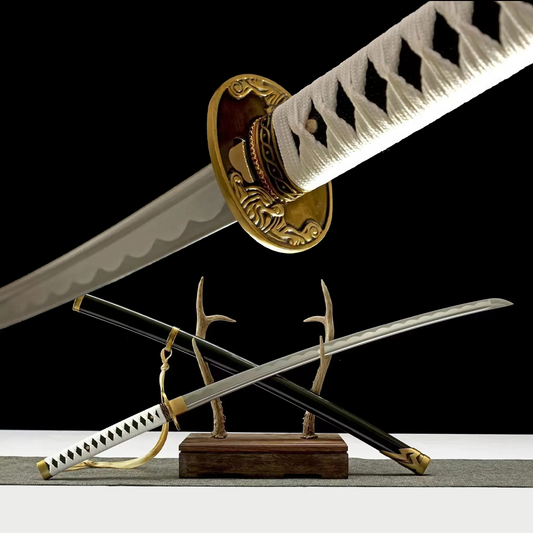
The Kill Bill Katana Sword at represents the pinnacle of our collection, featuring authentic Damascus steel construction that honors traditional Japanese craftsmanship. This functional samurai sword showcases:
• Folded Damascus steel blade with distinctive wave patterns • Genuine rayskin handle wrap (samegawa) for superior grip • Hand-forged construction using time-honored techniques • Full-tang design ensuring structural integrity • Museum-quality scabbard with traditional lacquer finish
⭐⭐⭐⭐⭐ "This katana exceeded every expectation. The Damascus patterns are absolutely stunning, and the balance is perfect for iaido practice. Worth every penny." - Sarah M., Vancouver, BC
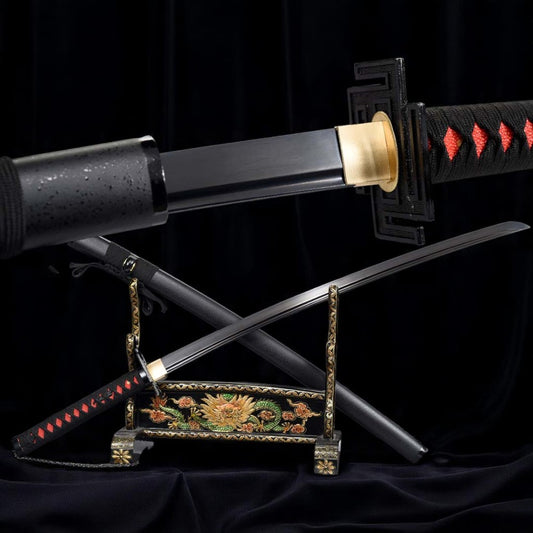
The Michonne Katana Sword at brings post-apocalyptic elegance to traditional design, perfect for collectors who appreciate modern interpretations of classic forms:
• 1095 carbon steel blade with optimal hardness for cutting • Damascus steel outer jacket revealing intricate folding patterns • Functional design suitable for martial arts training • Authentic tsuba guard with weathered finish details • Premium leather scabbard with adjustable carry options
⭐⭐⭐⭐⭐ "The attention to detail is remarkable. You can feel the quality in every component, from the perfectly balanced blade to the authentic handle wrap." - Michael R., Toronto, ON
Anime-Inspired Masterpieces
Our anime collection brings beloved characters to life through meticulously crafted replicas. The 1060">Tanjiro Kamado Katana Sword V2 at captures the essence of Demon Slayer's protagonist blade:
• 1060 carbon steel construction for durability and flexibility • Screen-accurate blade geometry and proportions • Traditional tsuba design featuring Tanjiro's signature motifs • High-quality ito handle wrapping in authentic colors • Museum-quality display stand included
The original Tanjiro Kamado Katana Sword at offers an alternative interpretation with subtle design differences that appeal to discerning collectors.
⭐⭐⭐⭐⭐ "As a huge Demon Slayer fan, this Japanese sword is everything I hoped for. The craftsmanship is exceptional, and it looks amazing on display." - Emily K., Calgary, AB
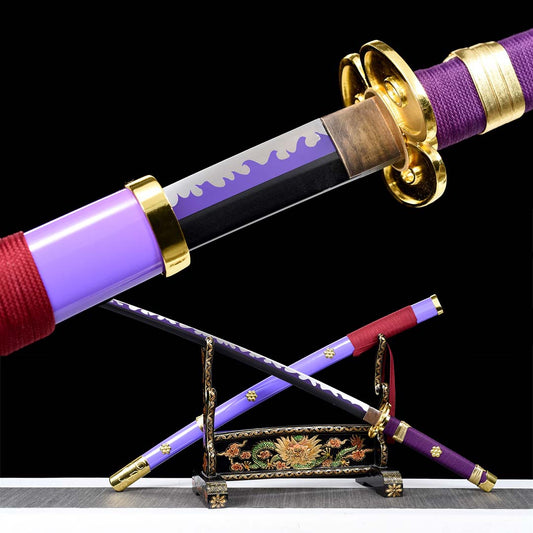
For One Piece enthusiasts, the Sandai Kitetsu Katana Sword at replicates Zoro's cursed blade with stunning accuracy:
• 1060 steel blade with proper hardness for structural integrity • Distinctive hamon pattern matching the anime design • Authentic wrapped handle with traditional binding techniques • Custom scabbard featuring series-accurate details • Certificate of authenticity included
The Enma Katana Sword and Shusui Katana Sword, each priced at , round out our One Piece collection with equally impressive attention to detail and construction quality.
⭐⭐⭐⭐⭐ "The Sandai Kitetsu is absolutely perfect. The blade quality is impressive, and the details are spot-on to the anime. My collection feels complete now." - David L., Montreal, QC
For Naruto fans, the Sasuke Katana Sword at delivers the iconic Kusanagi with exceptional craftsmanship and authentic design elements that honor both the source material and traditional sword-making principles.
Each samurai blade in our collection undergoes rigorous quality control to ensure it meets our standards for authenticity, craftsmanship, and structural integrity. These aren't decorative pieces—they're functional blades that honor the legacy of Japanese sword-making while serving modern collectors and practitioners alike.
The Collector's Path: Choosing Your Katana
Selecting your first katana sword—or adding to an established collection—requires understanding what distinguishes exceptional blades from mere replicas. The journey begins with defining your purpose: display, martial arts practice, or pure collecting passion.
Display collectors should prioritize aesthetic elements like hamon patterns, handle wrapping quality, and scabbard craftsmanship. Look for blades with visible temper lines that indicate proper heat treatment, even in non-functional pieces. The fit and finish of metal components—tsuba, habaki, and menuki—reveal manufacturing attention to detail.
Practitioners need functional Japanese swords with proper balance, appropriate weight distribution, and steel capable of withstanding cutting practice. Carbon steel blades offer authentic feel and performance, while stainless steel provides low maintenance for occasional use. Consider blade geometry carefully—traditional proportions enhance handling characteristics developed over centuries.
Authentication markers separate quality pieces from mass-produced imitations. Genuine signatures (mei) on tangs indicate maker pride, while construction techniques like full-tang assembly ensure structural integrity. Examine the hamon closely—authentic patterns show irregular, organic lines rather than mechanically uniform temper zones.
Storage and display considerations affect long-term enjoyment. Horizontal stands showcase the katana's full profile while supporting the blade properly. Vertical displays save space but require secure mounting systems. Climate control prevents rust formation on carbon steel blades, while proper oiling maintains their condition.
Budget allocation should reflect intended use and personal priorities. Entry-level functional katana start around $300-400 CAD, offering genuine carbon steel construction and traditional assembly methods. Premium pieces command higher prices through superior materials, hand-forged construction, or historical significance.
Research manufacturers and sellers thoroughly before purchasing. Established companies provide detailed specifications, construction methods, and warranty coverage. Customer reviews reveal real-world performance and quality consistency. Avoid vendors making exaggerated claims about "ancient techniques" or "secret methods"—authentic craftsmanship speaks through visible results rather than marketing hyperbole.
Understanding Steel: The Heart of Every Blade
The steel composition fundamentally determines a katana sword's performance, durability, and maintenance requirements. Understanding these metallurgical basics helps collectors make informed decisions matching their needs and preferences.
1060 Carbon Steel contains approximately 0.60% carbon, providing excellent balance between hardness and flexibility. This composition allows proper heat treatment for functional edges while maintaining resilience against impact damage. Most entry and mid-level Japanese blades use 1060 steel for its forgiving characteristics during manufacturing and use.
1095 Carbon Steel increases carbon content to 0.95%, enabling extremely hard edges capable of superior sharpness retention. However, higher carbon content requires more careful heat treatment and makes blades more susceptible to chipping under improper use. Advanced practitioners often prefer 1095 for its cutting performance.
Damascus Steel describes pattern-welded construction where different steel types are folded and forged together. Modern Damascus typically combines 1095 and 15N20 steels, creating distinctive wave patterns while optimizing edge retention and toughness. These blades showcase traditional techniques while delivering contemporary performance.
Stainless Steel offers corrosion resistance and low maintenance but typically cannot achieve the hardness levels of carbon steel. Some manufacturers use high-grade stainless alloys approaching carbon steel performance, though purists prefer traditional materials for authenticity.
Heat treatment processes—normalization, hardening, and tempering—transform raw steel into functional blades. Proper differential hardening creates the characteristic hamon while establishing optimal hardness distribution. The spine remains relatively soft for flexibility while the edge achieves maximum hardness for cutting ability.
Quality indicators include visible grain patterns, consistent hamon development, and appropriate hardness testing results. Reputable manufacturers provide steel specifications and heat treatment details, allowing informed comparisons between different offerings.
Why Choose Katana Canada
As a Canadian company, we understand the unique needs of collectors and practitioners across our vast nation. Our commitment extends beyond simply selling katana—we're dedicated to preserving and sharing Japanese sword culture throughout Canada.
Canadian customer service means speaking with knowledgeable staff who understand both traditional craftsmanship and modern collecting needs. Our bilingual support team provides French and English assistance, ensuring every customer receives comprehensive guidance regardless of their preferred language.
Payment in Canadian dollars eliminates currency conversion uncertainty and additional banking fees that complicate international purchases. This transparency extends to our pricing—what you see is what you pay, with no hidden charges or surprise conversions at checkout.
No customs fees or border delays affect domestic orders, streamlining the acquisition process for busy collectors. This advantage becomes particularly significant for valuable pieces where customs processing might add weeks to delivery timelines and unexpected costs to final pricing.
Our carefully curated selection emphasizes quality over quantity, featuring Japanese swords that meet strict standards for craftsmanship, materials, and authenticity. Each blade undergoes inspection to ensure it matches specifications and maintains our reputation for excellence.
Educational resources help customers make informed decisions about their investments. From steel type explanations to maintenance guidance, we provide the knowledge necessary for successful collecting and ownership experiences.
Frequently Asked Questions
Q: How can I distinguish an authentic katana from a decorative replica?
Authentic katanas display several key characteristics that separate them from decorative pieces. First, examine the construction method—genuine katana feature full-tang assembly where the blade extends completely through the handle, secured by bamboo pins called mekugi. The tang should show tool marks and possibly a maker's signature. Real katana have proper weight distribution with the balance point approximately 4-6 inches from the guard. The hamon (temper line) should appear irregular and organic rather than artificially etched or painted. Carbon steel blades will show some oxidation spots and require maintenance, while stainless steel often indicates decorative intent. Finally, authentic pieces come with detailed specifications about steel type, hardness ratings, and construction methods rather than vague descriptions.
Q: What's the difference between 1060 and 1095 carbon steel in katana construction?
The primary difference lies in carbon content and resulting performance characteristics. 1060 carbon steel contains approximately 0.60% carbon, making it more forgiving during heat treatment and use. This steel achieves good hardness for functional edges while maintaining flexibility that resists chipping and breaking under stress. It's ideal for beginners and general practitioners. 1095 carbon steel contains 0.95% carbon, allowing much harder edges that hold sharpness longer but requiring more precise heat treatment. Higher carbon content makes 1095 more susceptible to chipping if improperly used or maintained. Advanced practitioners often prefer 1095 for cutting applications where edge retention is critical. Both steels require regular maintenance to prevent rust, but 1095 typically needs more careful handling to avoid damage.
Q: What size katana should I choose for my first purchase?
Japanese sword sizing traditionally follows the buyer's physical proportions and intended use. Blade length typically ranges from 28-30 inches, with most modern reproductions falling within this standard range. For display purposes, any size works well, so choose based on available space and aesthetic preferences. If you plan to practice martial arts, consider your arm length and experience level—longer blades offer more reach but require greater control. Beginners often find 28-29 inch blades more manageable while learning proper techniques. Weight is equally important, with most katana weighing 2-3 pounds when properly balanced. Hold different examples if possible to assess comfort and handling characteristics. Remember that authentic proportions matter more than overall length—a properly proportioned shorter samurai sword performs better than an oversized blade with poor balance.
Q: How do I properly maintain and store my carbon steel katana?
Carbon steel katanas require regular maintenance to prevent rust and maintain their condition. After any handling, wipe the blade with a clean, lint-free cloth to remove fingerprints and moisture. Apply a light coat of mineral oil or specialized sword oil to all steel surfaces, avoiding the handle wrapping. Store the katana horizontally on a stand or rack that supports the scabbard rather than the blade edge. Avoid damp environments and temperature fluctuations that promote condensation. Inspect the blade monthly for any rust spots, removing them immediately with fine steel wool and re-oiling the affected area. Keep the edge sharp through professional maintenance rather than attempting amateur sharpening that could damage the blade geometry. The handle wrapping may loosen over time and can be professionally rewrapped to maintain authenticity and functionality.
Q: Can I legally own and display a katana in Canada?
Yes, Japanese sword ownership is legal throughout Canada when used for legitimate purposes such as collecting, martial arts practice, or display. Canadian law distinguishes between prohibited weapons and tools/collectibles based on design and intent. Traditional katana with historical or cultural significance are specifically exempt from weapon restrictions when possessed for legitimate collecting purposes. However, local municipalities may have specific bylaws regarding blade length or carrying restrictions, so check your local regulations. Always transport katana in cases or wrapping, never openly carried in public spaces. For martial arts practice, ensure your dojo or training facility permits weapon training. Display in your home is completely unrestricted, and many collectors proudly showcase their katana collections. When purchasing online, reputable dealers ensure compliance with all applicable regulations and provide documentation if required.
Q: What accessories do I need for proper katana display and care?
Essential accessories enhance both the preservation and presentation of your Japanese sword collection. A quality display stand is fundamental—choose horizontal stands that support the scabbard and showcase the blade's full profile, or vertical stands for space-efficient display. Maintenance supplies include specialized sword oil (mineral oil works as an alternative), lint-free cleaning cloths, and fine steel wool for rust removal. A soft-bristled brush helps clean detailed areas of the tsuba and handle fittings. Storage considerations include a climate-controlled environment and protective cases for long-term storage or transportation. Some collectors invest in traditional accessories like silk storage bags or wooden display boxes that complement the katana's aesthetic. Proper lighting enhances display impact while UV-filtering options protect materials from fading. Consider a sword polishing stone if you plan to maintain the blade yourself, though professional service is recommended for valuable pieces.
Related Reads
For those interested in expanding their knowledge of Japanese sword traditions, our comprehensive resources provide deeper insights into specific aspects of katana history and ownership. The Ultimate Guide to Katana: Legendary Japanese Swords for Modern Collectors offers detailed purchasing advice and evaluation criteria for serious collectors.
Understanding the historical context enriches appreciation for these legendary blades. The History of the Katana – From Samurai Symbol to Modern Icon traces the evolution from battlefield necessity to cultural treasure.
Proper maintenance ensures your investment remains pristine for years to come. How to Care for a Katana – Cleaning, Oiling & Storage Tips provides essential guidance for preserving both functional and display pieces.
Anime enthusiasts will find additional context in Tanjiro Kamado's Katana – The Story Behind the Black Blade, exploring how traditional craftsmanship translates into modern popular culture.
Conclusion
The katana sword represents more than a weapon—it embodies centuries of artistic achievement, spiritual discipline, and technical mastery that continues to inspire collectors worldwide. Whether drawn to the elegant curves of a Damascus steel masterpiece or the cultural significance of an anime-inspired blade, each Japanese blade tells a story that bridges ancient tradition with contemporary passion.
From the differential hardening techniques that create mesmerizing hamon patterns to the precise balance that makes proper handling feel effortless, every authentic katana demonstrates humanity's ability to transform raw materials into objects of transcendent beauty and function. The journey from tamahagane steel to finished blade requires skills passed down through generations of master craftsmen who understood that creating a katana means touching the soul of Japanese culture.
Today's collectors and practitioners carry forward this legacy, preserving not just the physical artifacts but the appreciation for excellence that drove their creation. Each time you draw a katana sword from its scabbard or adjust its position on a display stand, you participate in an unbroken chain of reverence for these legendary blades.
Explore our curated collection of authentic katana and discover the blade that speaks to your spirit. Whether seeking your first katana or adding to an established collection, the perfect sword awaits—ready to begin its next chapter in your hands.
 Save $90