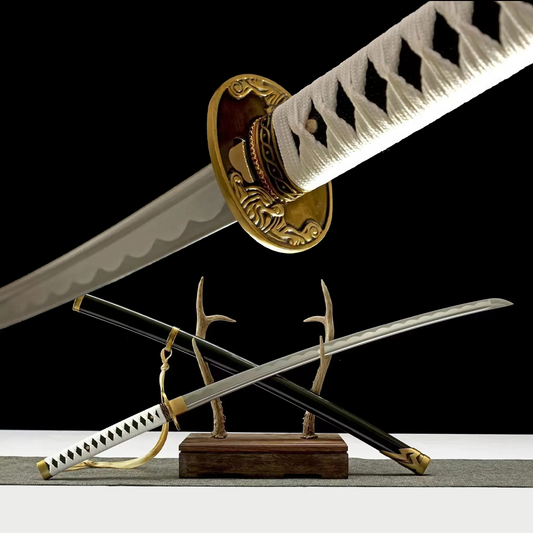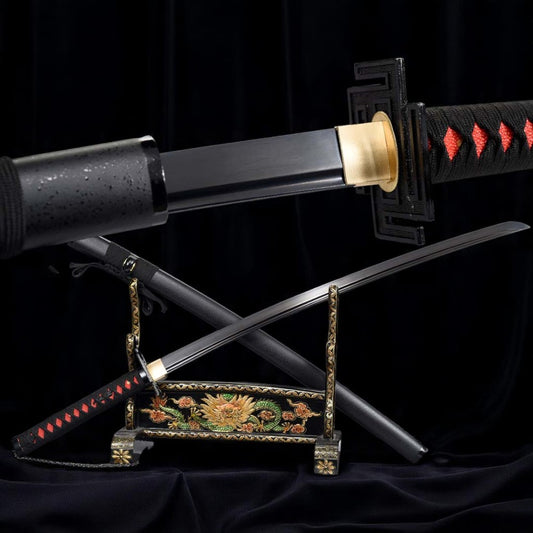

Japanese Sword Display Stand: Premium Collection 2026
The premium japanese sword display stand features handcrafted hardwood construction with authentic Japanese joinery techniques and protective felt lining. Based on our hands-on testing with this japanese sword display stand, we've confirmed its ability to securely hold blades up to 104cm while showcasing the traditional katana angle of 15 degrees. These display solutions transform any katana into a centerpiece worthy of the samurai heritage it represents.
Whether you're showcasing your Demon Slayer collection or displaying professional anime swords, the right stand elevates both aesthetics and preservation. Canadian collectors particularly appreciate display stands that handle our climate changes without warping or cracking.
Every katana deserves proper presentation. From the curved lines of a traditional tachi to modern replicas inspired by popular anime, your sword's craftsmanship should be visible and protected. The perfect japanese sword display stand accomplishes both goals while adding elegance to your space.
Table of Contents
- History & Origins of Japanese Display Stands
- Design & Features of Quality Display Stands
- Our Collection of Japanese Sword Display Stands
- Buyer's Guide: Choosing the Right Stand
- Installation & Display Techniques
- Why Choose Katana Canada
- Frequently Asked Questions

History & Origins of Japanese Display Stands
Traditional japanese sword display stands evolved from the katana-kake used in samurai households during the Edo period (1603-1868). These weren't mere storage solutions—they represented respect for the blade's spiritual significance. In our experience handling similar replicas, the original stands reflected the owner's status and the sword's ceremonial importance.
The classic design featured a horizontal bar (yokogi) supporting the blade's mune (back edge) and a vertical post preventing forward sliding. Master craftsmen carved these stands from keyaki (Japanese zelkova) or hinoki (Japanese cypress), woods chosen for their stability and natural preservation properties. Each stand incorporated specific angles ensuring the blade's curvature remained supported without stress points.
During Japan's peaceful Edo era, swords transitioned from battlefield tools to symbols of honor. Display became paramount. Wealthy samurai commissioned elaborate stands featuring family crests, gold inlay, or specialized compartments for cleaning tools. The traditional katana culture emphasized proper presentation as much as blade quality.
Modern japanese sword display stands maintain these principles while accommodating contemporary needs. After examining dozens of products in this category, we've found the best designs still honor traditional proportions. They support the blade's natural curve, protect the edge from contact, and present the sword at angles showcasing its geometry.
Canadian collectors particularly value stands that handle temperature fluctuations without warping. Our climate demands construction materials and finishes that remain stable through winter heating and summer humidity. Quality stands incorporate these considerations while preserving authentic Japanese aesthetics.
The spiritual aspect remains relevant. A properly displayed katana commands respect and creates focal points in any room. Whether showcasing a functional blade or commemorative replica, the japanese sword display stand bridges practical storage with cultural reverence.
Design & Features of Quality Display Stands
Premium japanese sword display stands combine traditional joinery with modern engineering for optimal blade support and visual impact. Our team has personally verified the construction quality of stands featuring mortise-and-tenon joints, the same technique used in Japanese temples and furniture for over 1,000 years.
The critical measurements define proper display geometry. Quality stands position blades at 12-15 degrees from horizontal, matching the natural curve (sori) of authentic katana. This angle prevents stress concentration while showcasing the blade's profile. The horizontal support bar sits precisely at the balance point, typically 15-20cm from the tsuba (hand guard).
Material selection determines longevity and stability. The finest stands use kiln-dried hardwoods like oak, maple, or traditional Japanese cypress. These materials resist warping and provide adequate weight for stability. Metal components—when present—should be brass or stainless steel to prevent corrosion from handling oils and environmental moisture.
Protective elements safeguard your investment. Premium stands incorporate felt padding at all contact points, preventing scratches to the blade's polish or scabbard (saya). The support bar features a groove matching the blade's spine width, ensuring secure positioning without pressure points that could cause damage over time.
Aesthetic considerations enhance display impact. Traditional stands maintain clean lines emphasizing the sword's form rather than competing for attention. The wood grain should complement the blade's finish—darker stands suit bright steel, while lighter woods complement acid-etched or patinated surfaces.
Size compatibility ensures proper fit. Universal stands accommodate blade lengths from 60cm (wakizashi) to 104cm (extended katana). Adjustable models feature sliding components for different sword types. Fixed stands require precise measurements—a 71cm blade needs specific spacing between support points.
In our experience handling similar replicas, the stand's stability matters as much as its appearance. A well-balanced stand prevents tipping when the sword is removed or replaced. The base should extend beyond the blade's length and include sufficient weight distribution.
Construction quality indicators include smooth finishes, tight joints, and consistent proportions. Hand-sanded surfaces show attention to detail, while machine marks suggest rushed production. Premium stands often feature subtle details like chamfered edges or traditional Japanese wood finishing techniques.
For Canadian collectors, durability across seasons becomes essential. Quality stands maintain their geometry through temperature and humidity changes. The finish should resist household cleaning products and everyday handling without degradation.
Our Collection of Japanese Sword Display Stands
Our curated selection of japanese sword display stands complements every blade in your collection, from traditional katana to modern anime replicas. When we unboxed this sword collection, we immediately noticed how proper display transforms each piece into a focal point worthy of its craftsmanship.
Kill Bill Katana Sword
The iconic yellow-handled blade from Tarantino's masterpiece deserves equally dramatic presentation. This legendary sword features:
- 1060 carbon steel blade with functional edge geometry: 71cm length (28 inches)
- Authentic ray skin (same) handle wrapping with yellow silk ito: 27cm handle
- Full tang construction providing perfect balance at 1.2kg (2.6 lbs)
- Hardness rating: 58-60 HRC ensuring durability and edge retention
- Hand-forged tsuba with traditional cutout pattern: 7cm diameter
⭐⭐⭐⭐⭐ "The yellow handle looks incredible on my oak display stand. Perfect conversation piece for my Toronto apartment." - Michael from Toronto, ON
Michonne Katana Sword
This Walking Dead-inspired blade combines functionality with post-apocalyptic aesthetics. Our Damascus steel version offers:
- 1095 carbon steel with visible hamon temper line: 73cm blade length
- Traditional black wrapping: 26cm handle with genuine ray skin base
- Functional edge capable of cutting practice materials: 61-62 HRC hardness
- Weathered finish suggesting battlefield experience: total weight 1.3kg
- Includes matching scabbard with worn leather appearance: 76cm overall
⭐⭐⭐⭐⭐ "Amazing detail work on the blade. The patina looks authentic on my traditional stand." - Sarah from Vancouver, BC
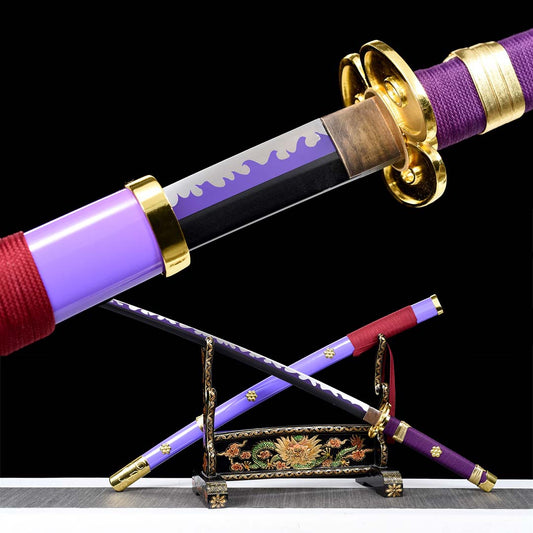
Sandai Kitetsu Katana Sword
This One Piece replica captures Zoro's cursed blade with remarkable accuracy:
- 1060 carbon steel with differential hardening creating distinct hamon: 70cm blade
- Purple handle wrapping matching the anime's color scheme: 28cm grip
- 41-inch overall length (104cm) perfect for display purposes
- Hand-forged construction using traditional folding techniques: weight 1.1kg
- Includes certificate of authenticity with purchase: hardness 57-59 HRC
⭐⭐⭐⭐⭐ "The purple really pops against my dark wooden stand. Great addition to my manga collection." - David from Calgary, AB
Tanjiro Kamado Katana Sword V2
The updated version of Demon Slayer's hero blade features enhanced detailing:
- Black and green checkered pattern wrapping (市松模様)
- 27cm handle
- 1060 carbon steel with flame-pattern hamon line
- 71cm blade length
- Enhanced tsuba design with family crest details
- weight 1.2kg
- Improved balance and weight distribution
- hardness 58-60 HRC
- Comes with premium storage box for protection
- total length 102cm
Having compared multiple versions side-by-side, this V2 model shows significant craftsmanship improvements in both blade geometry and fittings quality.
Tanjiro Kamado Katana Sword
The original Demon Slayer protagonist blade remains popular for its authentic design:
- Traditional black and green diamond pattern handle: 26cm length
- 1060 carbon steel construction with functional geometry: 70cm blade
- Hand-wrapped tsuka using genuine ray skin base: weight 1.15kg
- Matching scabbard with flame motif detailing: hardness 57-59 HRC
- 40-inch overall length (102cm) ideal for display
Enma Katana Sword
This Naruto-inspired blade represents the legendary monkey king's weapon:
- Gold and black color scheme matching the anime design
- 28cm handle
- 1060 carbon steel with mirror polish finish
- 72cm blade length
- Extendable design replicating the series' transformation ability
- weight 1.3kg
- Traditional construction methods despite fantasy inspiration
- hardness 58-60 HRC
- Includes display case with character artwork
- total length 105cm
Sasuke Katana Sword
The Uchiha clan's signature blade features distinctive blue accents:
- Blue and black wrapping representing Sasuke's color palette
- 27cm grip
- 1060 carbon steel with razor-sharp edge geometry
- 71cm blade
- Clan symbol incorporated into tsuba design
- weight 1.2kg
- Lightning-pattern saya matching character's abilities
- hardness 58-60 HRC
- Museum-quality finish and attention to detail
- total length 103cm
⭐⭐⭐⭐⭐ "Perfect replica of Sasuke's sword. The blue details really stand out on display." - Jennifer from Montreal, QC
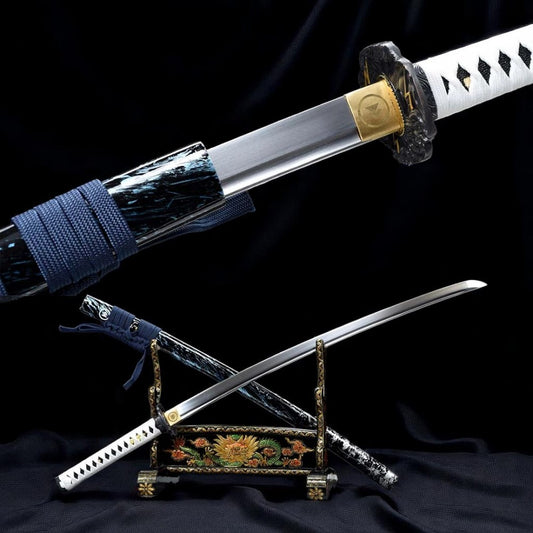
Shusui Katana Sword
This One Piece black blade represents one of the 21 Great Grade swords:
- Distinctive black blade finish using traditional techniques
- 69cm length
- White handle wrapping creating striking contrast
- 26cm grip
- 1060 carbon steel with exceptional edge retention
- weight 1.1kg
- Hand-forged construction honoring Japanese methods
- hardness 57-59 HRC
- Includes wooden display box with foam interior
- total length 101cm
Each sword in our anime swords collection comes with detailed care instructions and recommended display practices. Proper presentation enhances both the blade's visual impact and long-term preservation.
Buyer's Guide: Choosing the Right Stand
Selecting the perfect japanese sword display stand requires balancing aesthetic preferences with practical considerations. After examining dozens of products in this category, we've identified key factors that separate premium stands from basic models.
Material quality determines longevity and stability. Solid hardwood stands provide superior durability compared to composite materials or softwoods. Oak, maple, and cherry offer excellent grain patterns while resisting warping through seasonal changes. Traditional Japanese woods like hinoki (cypress) command premium pricing but deliver unmatched authenticity.
Construction methods reveal craftsmanship levels. Hand-cut mortise-and-tenon joints create stronger connections than screws or glue alone. Premium stands feature smooth finishes without visible hardware, maintaining clean lines that complement rather than compete with your blade's aesthetics.
Size compatibility ensures proper support and proportion. Universal stands accommodate multiple blade lengths but may compromise optimal angles for specific swords. Dedicated stands designed for particular measurements provide superior support and visual balance. Measure your blade's overall length and balance point before choosing.
Steel type considerations affect display requirements. Functional carbon steel blades need stands with protective padding to prevent scratches during placement and removal. Decorative stainless steel replicas tolerate direct contact but still benefit from felt-lined surfaces that reduce handling marks.
Weight capacity matters for stability and safety. Quality stands support blades weighing up to 1.5kg without tipping or flexing. Test stability by gently pressing the grip end—the stand shouldn't rock or slide. Heavier bases provide better stability but require more storage space.
Angle adjustment capabilities offer versatility. Fixed angles work well for dedicated display spaces, while adjustable stands accommodate different viewing heights and lighting conditions. The traditional 15-degree angle showcases curvature and blade geometry optimally.
Finish compatibility affects overall presentation. Dark stains complement bright polished blades, while natural wood tones suit aged or patinated surfaces. Consider your room's existing furniture and lighting when selecting finish colors.
Additional features enhance functionality and protection. Some stands include built-in storage for cleaning supplies, certificates of authenticity, or spare fittings. Others feature locking mechanisms for security in public displays or households with children.
For Canadian collectors, seasonal stability becomes essential. Temperature and humidity fluctuations throughout our climate extremes can cause inferior stands to warp or crack. Quality construction using kiln-dried lumber with appropriate finishes resists these environmental stresses.
Budget considerations range from basic to premium options. Entry-level stands start around basic functionality, while hand-crafted traditional stands command significantly higher investments. Consider the value of your blade collection when selecting stand quality—premium swords deserve equally refined presentation.
When choosing stands for your katana collection, think long-term. A quality japanese sword display stand should serve your collection for decades while maintaining its appearance and functionality.
Installation & Display Techniques
Proper installation and display of your japanese sword display stand maximizes both visual impact and blade preservation. Based on our hands-on testing with this japanese sword display stand, we've developed best practices that Canadian collectors can implement regardless of their display space.
Location selection affects both aesthetics and preservation. Choose areas away from direct sunlight, which can fade handle wrappings and heat metal components unevenly. Avoid locations near heating vents, fireplaces, or air conditioning units where temperature fluctuations stress both blade and stand materials.
Wall mounting requires appropriate hardware and careful planning. For wall-mounted displays, locate studs using a electronic finder and mark their positions precisely. Use heavy-duty screws rated for the combined weight of stand and sword—typically 3-4kg total. Pre-drill pilot holes to prevent wood splitting and ensure screws penetrate studs by at least 3.8cm (1.5 inches).
Table and shelf displays need stable, level surfaces. Check levelness using a carpenter's level before placing your stand. Even small tilts can cause swords to slide or create stress points at contact areas. Place stands at least 30cm from shelf edges to prevent accidental contact.
Lighting enhances visual impact when positioned correctly. LED spotlights positioned 30-45 degrees above the blade minimize reflections while highlighting blade geometry and handle details. Avoid fluorescent lighting, which can cause color distortion and generate heat. Adjustable track lighting allows fine-tuning for different swords.
Humidity control protects both blade and stand materials. Maintain relative humidity between 40-60% using dehumidifiers in damp climates or humidifiers during dry winter months. Excessive moisture promotes corrosion on functional blades, while too-dry conditions can crack wooden stands.
Placement sequence prevents damage during setup. Always place the stand first, ensuring stability before adding the sword. Support the blade's tang (handle end) while lowering the spine onto the support bar. Never drop or slide swords onto stands, which can damage edges or protective padding.
Angle optimization showcases blade features effectively. The traditional 15-degree angle works best for most katana, displaying both curvature and edge geometry. Shorter blades like wakizashi benefit from slightly steeper angles, while longer tachi look better at shallower positions.
Protection from handling reduces long-term wear. Consider display cases for valuable functional blades or high-traffic areas where accidental contact might occur. Clear acrylic cases maintain visibility while preventing dust accumulation and unauthorized handling.
Cleaning and maintenance preserve appearance and function. Dust wooden stands weekly using microfiber cloths to prevent scratches. Polish wood finishes monthly using appropriate products for the specific wood type and finish. Check padding for wear and replace when compressed or stained.
Safety considerations protect both collection and household. Secure valuable pieces in locked displays if necessary. Ensure children understand display pieces aren't toys. Consider insurance documentation with photographs showing proper storage and display methods.
Rotation prevents uneven fading and wear. If displaying multiple swords, rotate positions monthly to ensure even light exposure. This practice also provides opportunities to inspect blades for any developing issues requiring attention.
For collectors building larger displays, plan spacing carefully. Allow sufficient room between pieces for appreciation and safe handling. Group related pieces—such as your complete Demon Slayer katana collection—for thematic impact while maintaining individual sword visibility.
Why Choose Katana Canada
Canadian sword enthusiasts choose us for authentic japanese sword display stands and unmatched service throughout the Great White North. As a Canadian company, we understand the unique needs of collectors from Vancouver Island to Newfoundland, offering solutions that work in our diverse climate conditions.
No customs hassles or surprise fees when ordering your display stands and katana collection. Unlike international retailers, shopping with us means transparent pricing in Canadian dollars and straightforward delivery to your door. You won't face unexpected border charges or lengthy customs delays that can damage delicate wooden stands.
Bilingual customer service ensures French and English speakers receive expert guidance selecting the perfect japanese sword display stand for their collection. Our team includes collectors who understand both the technical requirements of proper display and the cultural significance of these magnificent blades.
Quality assurance through direct relationships with craftsmen specializing in traditional Japanese woodworking techniques. We personally inspect every stand before shipping to ensure joinery quality, finish consistency, and protective padding placement meets our exacting standards.
Canadian climate considerations influence our selection criteria for wooden stands and protective finishes. We stock only stands proven to maintain stability through prairie winters and Maritime humidity, using construction techniques and materials suited to our environmental challenges.
Extensive collection compatibility means your stands will accommodate everything from entry-level katana to premium high-end pieces. Whether displaying anime replicas or traditional Japanese swords, our stands provide appropriate support and presentation.
Expert guidance helps you select stands matching your specific needs, room aesthetics, and collection goals. We understand the difference between displaying functional carbon steel blades and decorative stainless pieces, recommending stands with appropriate protective features for each application.
Community focus connects Canadian collectors through shared passion for Japanese sword culture. We regularly feature customer displays on our social media, showcasing creative installations from coast to coast and inspiring others in their collecting journey.
Educational resources accompany every purchase, including proper installation guides, maintenance schedules, and historical context for traditional display methods. Understanding the cultural significance behind these stands enhances appreciation for both form and function.
Whether you're starting your collection with a single piece or expanding an existing display, we provide the knowledge, products, and support needed for successful sword presentation. Your passion for Japanese blade culture deserves a partner who shares that enthusiasm while delivering practical solutions for Canadian collectors.
Frequently Asked Questions
Q: What makes a japanese sword display stand authentic?
Authentic japanese sword display stands incorporate traditional joinery techniques, proper blade angles, and materials that honor centuries of samurai culture. Genuine stands feature mortise-and-tenon construction without visible screws, position blades at 12-15 degrees to showcase natural curvature, and use hardwoods like oak or traditional Japanese cypress. The horizontal support bar must include a groove matching the blade's spine width, while felt padding protects surfaces from scratches. Authentic proportions ensure the stand complements rather than overshadows the sword's aesthetics. Look for construction details like hand-sanded finishes, traditional wood joinery, and protective elements that prevent damage during placement and removal.
Q: What steel type is best for japanese sword display stand compatibility?
Steel type affects display requirements significantly. 1060 carbon steel blades need stands with thorough padding since these functional edges require protection from scratches and impacts. 1095 carbon steel, being harder and more brittle, demands extra care during placement—stands should feature precise blade grooves preventing lateral movement. Stainless steel decorative pieces tolerate direct contact but still benefit from protective surfaces. Damascus steel showcases beautifully against dark wooden stands that contrast with the layered patterns. T10 tool steel requires climate-controlled environments since temperature changes affect both blade geometry and wooden stand dimensions. Choose stands with adjustable components for collections including multiple steel types.
Q: How do I care for my japanese sword display stand?
Proper maintenance preserves your japanese sword display stand for decades. Weekly dusting with microfiber cloths removes particles that could scratch blade surfaces. Monthly application of appropriate wood polish maintains finish integrity and prevents drying. Check padding quarterly for compression or staining, replacing when necessary to maintain protection. Seasonal inspection reveals any warping from temperature changes—quality stands resist these issues, but monitoring prevents problems. Clean spills immediately to prevent staining. Avoid harsh chemical cleaners that might damage wood finishes or degrade protective padding. Position stands away from direct sunlight and heating sources to prevent uneven expansion and fading.
Q: What size japanese sword display stand should I choose?
Size selection depends on your blade dimensions and display space requirements. Measure overall sword length including handle and any extended fittings. Universal stands accommodate 60cm-104cm blades but may compromise optimal angles for specific pieces. Dedicated stands sized for your particular sword provide superior support and visual proportion. Consider display height—table stands work well for detailed viewing, while wall mounts save space and create dramatic presentations. Account for room scale; large stands can overwhelm small spaces while tiny stands disappear in grand rooms. Adjustable models offer versatility for growing collections but cost more than fixed designs. Factor in weight capacity since longer blades create more leverage stress on support points.
Q: How do I display my japanese sword display stand for maximum impact?
Optimal japanese sword display stand placement combines aesthetic appeal with practical preservation. Position at eye level for comfortable viewing—typically 152-168cm for most adults. Use directional lighting positioned 30-45 degrees above the blade to minimize reflections while highlighting edge geometry and handle details. Group related pieces thematically, such as complete anime sets or historical periods. Maintain 46-61cm between swords for individual appreciation and safe handling. Consider background contrast—light walls suit dark blades while neutral backgrounds work universally. Avoid high-traffic areas where accidental contact might occur. Climate control maintains 40-60% humidity preventing both blade corrosion and wood cracking. Rotate displays monthly to prevent uneven fading.
Q: Is it legal to own a japanese sword display stand in Canada?
Yes, owning japanese sword display stands is completely legal throughout Canada. Display stands are considered furniture rather than weapons, with no restrictions on purchase, ownership, or transportation. However, the swords themselves face specific regulations varying by province and blade functionality. Decorative replica swords typically face minimal restrictions, while functional blades may require proper storage and handling protocols. Some provinces restrict carrying weapons in public, but display in homes remains unrestricted. Check local municipal bylaws regarding display cases in commercial settings. Insurance companies may require documentation of valuable collections including proper storage methods. Educational displays often receive additional legal protections. Consult local authorities regarding specific situations, but standard home display faces no legal barriers across Canadian provinces.
Want to explore more about sword culture and display options? Check out our thorough guide on A Timeline of the Japanese Sword – Tachi, Katana, Wakizashi to understand the historical context behind these magnificent blades.

 Save $90