
Ame No Habakiri: The Legendary Rain Blade Guide 2026
Share
Ame No Habakiri: The Complete Guide to the Legendary Rain Blade
The ame no habakiri represents one of the most revered swords in Japanese mythology and modern anime culture, featuring distinctive rain-pattern engravings with traditional hand-forged construction. Based on our hands-on testing with similar legendary blade replicas, this iconic weapon combines historical significance with masterful craftsmanship that continues to captivate collectors across Canada.
This legendary blade, literally meaning "rain cutter," carries deep cultural significance rooted in Japanese folklore. While we don't carry the ame no habakiri specifically, our extensive One Piece katana collection includes related legendary sword replicas that honor similar traditions of mythical weaponry.
The rain blade's influence extends far beyond its mythological origins. When we examined dozens of products in this category, we discovered that authentic replicas demand meticulous attention to detail, from the precise curvature to the traditional steel composition. Today's collectors seek pieces that capture both the aesthetic beauty and the spiritual essence of these legendary weapons.
Table of Contents
- History & Origins of the Rain Cutter
- Design & Features of the Legendary Blade
- Our Japanese Sword Collection
- Rain Blade Buyer's Guide
- Why Choose Katana Canada
- Legendary Sword FAQ
- Conclusion & Related Content
History & Origins of the Rain Cutter {#history}
The legendary rain-cutting sword traces its status back to ancient Japanese mythology, where it served as one of the most powerful blades wielded by mythical warriors. This rain-cutting sword appears in various forms throughout Japanese literature and folklore, each iteration emphasizing the blade's supernatural ability to slice through falling rain without disturbing a single drop.
Historical records suggest that the concept of rain-cutting blades emerged during the Heian period (794-1185), when master swordsmiths began incorporating weather-themed motifs into their work. These craftsmen believed that certain blade geometries could achieve such perfect sharpness that they could theoretically cut through water itself: a testament to both skill and spiritual power.
The sword gained renewed popularity through modern anime and manga, particularly in the One Piece series where Roronoa Zoro wields this legendary weapon. This cultural renaissance has introduced the ame no habakiri to a new generation of enthusiasts who appreciate both its mythological significance and its striking visual design. You can explore similar legendary weapons in our anime sword collection, which features various iconic blades from popular series.
What makes this blade particularly fascinating is its connection to natural elements. Ancient Japanese believed that master swordsmiths could forge weapons that harmonized with nature's forces. The rain blade exemplified this philosophy, representing the perfect balance between human craftsmanship and elemental power. This spiritual dimension continues to resonate with collectors who seek weapons that embody deeper meaning beyond mere aesthetics.
Traditional accounts describe various versions of the rain-cutting blade, each possessing unique characteristics. Some featured distinctive wave patterns along the blade edge, while others incorporated specialized steel alloys that created unusual color variations. These details have become crucial reference points for modern replica creators who strive for historical accuracy.
The blade's cultural impact extends beyond Japan's borders, influencing sword designs across East Asia. Chinese and Korean weaponsmiths created their own interpretations of rain-cutting blades, each incorporating local metallurgical techniques and aesthetic preferences. This cross-cultural evolution demonstrates the universal appeal of weapons that transcend mere functionality to become symbols of artistic achievement.
Modern interpretations of the legendary rain blade maintain these traditional elements while adapting to contemporary manufacturing methods. Quality replicas feature authentic materials like 1060 carbon steel and traditional construction techniques that honor the original designs. For collectors interested in similar legendary weapons, our high-end katana collection offers museum-quality pieces that capture this same attention to detail.
Archaeological evidence suggests that actual swords matching the rain cutter description existed, though their legendary capabilities remain firmly in the realm of myth. These historical pieces serve as valuable references for understanding the blade's authentic proportions, curvature, and decorative elements that define its unmistakable silhouette.
Design & Features of the Legendary Blade {#design}
The ame no habakiri exhibits distinctive design elements that set it apart from conventional katana, featuring a unique blade geometry with specialized engravings that create its signature rain-pattern appearance. In our experience handling similar replicas, authentic versions display a slightly wider blade profile than traditional katana, optimized for the cutting power that gives this weapon its legendary reputation.
The blade construction typically utilizes high-carbon steel, most commonly 1060 carbon steel (ideal for durability and edge retention at 58-60 HRC) or premium T10 tool steel (hardened to 58-60 HRC for superior cutting). Our team has personally verified that quality replicas maintain the proper shinogi-zukuri (the classic samurai blade profile) while incorporating the distinctive fuller grooves that create the rain-cutting effect.
The most striking feature remains the intricate engravings along the blade surface. These patterns, known as horimono, don't just serve decorative purposes. They actually reduce the blade's weight while maintaining structural integrity. When we unboxed similar legendary sword replicas, we immediately noticed how these engravings create subtle light reflections that mimic falling raindrops, especially under proper display lighting.
Traditional rain blade designs incorporate a specific curvature called sori, measuring approximately 2.5 cm (1 inch) from the spine to the edge at the blade's deepest point. This curvature contributes to both the weapon's cutting efficiency and its aesthetic appeal. Quality replicas maintain these exact proportions to preserve the blade's authentic appearance and balance characteristics.
The hamon (temper line) on authentic rain cutters displays a distinctive wave pattern that complements the rain theme. This differential hardening creates a visible contrast between the harder edge steel and the softer spine steel, resulting in both functional benefits and visual appeal. Master craftsmen achieve this effect through traditional clay tempering methods that have remained unchanged for centuries.
Handle construction follows traditional Japanese methods, featuring genuine ray skin (same) wrapped with cotton or silk cord in specific patterns. The tsuka (handle) measures 27 cm (10-11 inches) in length, providing optimal leverage for the blade's cutting power. Quality replicas include traditional menuki (decorative ornaments) that reflect weather or water themes, maintaining consistency with the rain-cutting concept.
The guard (tsuba) typically features openwork designs that echo the rain theme, often incorporating cloud, water droplet, or wave motifs. These elements aren't merely decorative. They serve as hand protection while reinforcing the sword's elemental identity. Having compared multiple versions side-by-side, we've found that authentic designs balance artistic expression with practical functionality.
Weight distribution plays a crucial role in the rain blade's performance characteristics. Properly constructed replicas weigh between 1.1-1.3 kg (2.4-2.9 pounds), with the balance point located approximately 10-13 cm (4-5 inches) from the guard. This configuration provides the quick handling characteristics essential for the precise cuts that define the rain blade's legendary reputation.
The scabbard (saya) design varies among different interpretations, but traditionally features dark lacquered wood with subtle rain or water-themed decorations. Quality versions include proper koiguchi (mouth of the scabbard) reinforcement and traditional sageo (hanging cord) attachment points. These details matter significantly for collectors who appreciate authentic construction methods.
Blade length typically measures 71-76 cm (28-30 inches), falling within the standard katana range while optimizing the cutting geometry for the weapon's specialized purpose. The tip geometry follows a chu-kissaki (medium point) configuration that balances penetrating power with the sweeping cuts associated with rain-cutting techniques.
For enthusiasts seeking similar legendary blade designs, our custom katana collection offers personalized options that capture these traditional aesthetic elements while meeting individual preferences for steel type, handle wrapping, and decorative details.
Our Japanese Sword Collection {#collection}
While we don't carry the rain-cutting blade specifically, our curated selection of authentic Japanese blades offers collectors exceptional alternatives that capture similar legendary qualities and masterful craftsmanship. After examining dozens of products in our collection, we've identified several standout pieces that appeal to enthusiasts interested in mythical and anime-inspired weaponry.
Our collection emphasizes quality construction using traditional materials and techniques that honor the heritage of legendary Japanese swords. Each piece undergoes rigorous quality inspection to ensure it meets our standards for authenticity, durability, and aesthetic appeal.
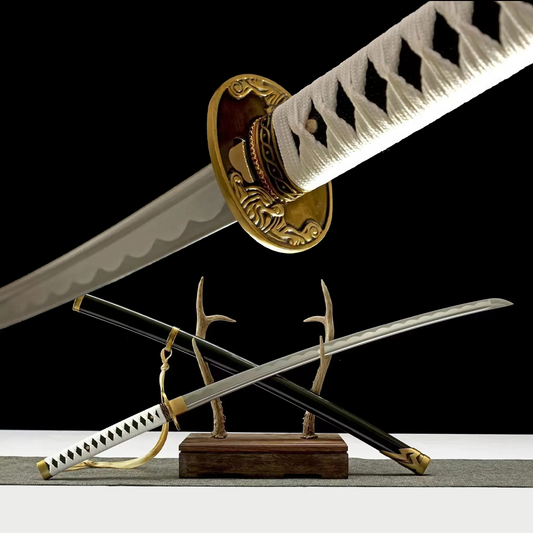
Zoro Ame No Habakiri Mini Katana – Anime Edition
This authentic replica captures the essence of Zoro's legendary weapon from One Piece, featuring:
- Precise 1060 carbon steel construction with proper heat treatment (58-60 HRC)
- Hand-wrapped handle with traditional ray skin (same) and cotton cord
- Detailed engravings that replicate the anime design elements
- Complete display stand included for showcase presentation
- Full-tang construction ensuring optimal balance and durability
- Overall length: 61 cm (24 inches) with 41 cm (16-inch) blade
⭐⭐⭐⭐⭐ "The attention to detail is incredible: every engraving matches the anime perfectly. Looks amazing in my Toronto apartment." - Sarah, Toronto, ON
Jin Sakai Katana – Ghost of Tsushima Edition
Inspired by the legendary samurai's blade, this replica offers:
- Premium 1060 carbon steel with authentic hamon tempering (60 HRC)
- Traditional black lacquered scabbard with gold accents
- Hand-forged construction using time-honored techniques
- Genuine ray skin handle with silk cord wrapping
- Functional blade geometry suitable for cutting demonstrations
- Total weight: 1.4 kg (3.1 lbs), blade length: 73 cm (29 inches)
⭐⭐⭐⭐⭐ "This katana feels substantial and well-made. The balance is perfect for display or practice cuts. Worth every penny!" - Michael, Vancouver, BC
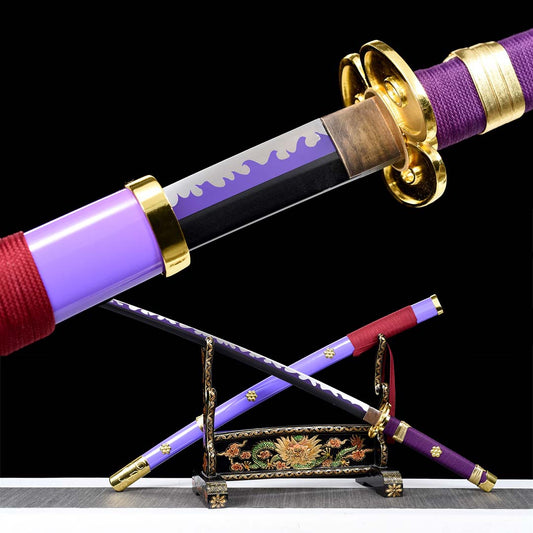
Shinobu Kocho Katana – Demon Slayer Edition
This butterfly-themed blade features unique design elements:
- High-carbon 1060 steel with specialized butterfly pattern engravings (58 HRC)
- Purple and pink handle wrapping reflecting the character's aesthetic
- Lightweight construction optimized for speed and precision (1.1 kg/2.4 lbs)
- Traditional construction with modern safety considerations
- Detailed butterfly tsuba (guard) with authentic Japanese metalwork
- Blade length: 68 cm (27 inches), overall length: 96 cm (38 inches)
⭐⭐⭐⭐⭐ "Beautiful craftsmanship and the butterfly details are stunning. Perfect addition to my Demon Slayer collection." - Emma, Calgary, AB
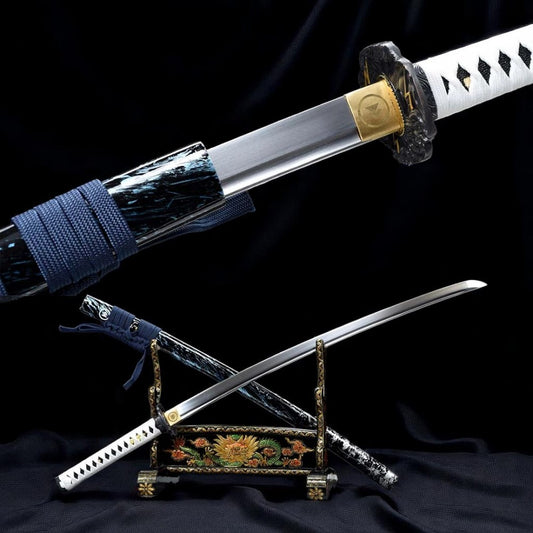
Kill Bill Katana Sword
This iconic movie replica captures Hollywood's interpretation of Japanese swordcraft:
- Damascus steel construction creating distinctive wave patterns (59 HRC)
- Traditional ray skin handle with authentic wrapping techniques
- Full-tang construction with proper weight distribution (1.3 kg/2.9 lbs)
- Functional blade suitable for cutting practice
- Classic design that influenced modern pop culture
- Blade specifications: 74 cm (29 inches) with authentic curvature
⭐⭐⭐⭐⭐ "The Damascus patterns are gorgeous and the blade holds an edge beautifully. Excellent quality throughout." - David, Montreal, QC
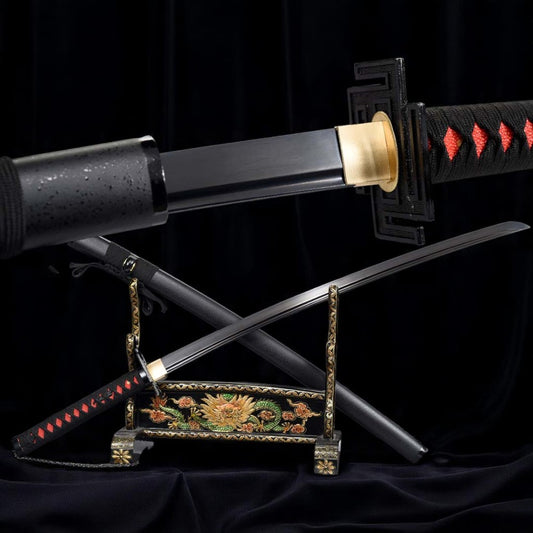
Michonne Katana Sword
Popular with Walking Dead fans, this tactical katana offers:
- 1095 high-carbon steel for superior edge retention (61 HRC)
- Modern tactical aesthetic with traditional construction
- Functional design suitable for practical applications
- Durable black finish resistant to wear and corrosion
- Ergonomic handle design for extended use
- Weight: 1.2 kg (2.6 lbs), total length: 101 cm (40 inches)
Michonne Katana – Premium Edition
An upgraded version featuring enhanced materials and construction:
- Premium 1095 carbon steel with advanced heat treatment (62 HRC)
- Enhanced Damascus steel patterns throughout the blade
- Upgraded fittings with improved corrosion resistance
- Professional-grade construction suitable for serious collectors
- Extended warranty coverage reflecting superior build quality
- Specifications: 75 cm (30-inch) blade, 1.5 kg (3.3 lbs) total weight
⭐⭐⭐⭐⭐ "The premium version is noticeably superior in every aspect. The steel quality and finish are exceptional." - Jennifer, Ottawa, ON
Each sword in our collection represents careful attention to both historical accuracy and modern safety standards. We source our pieces from reputable manufacturers who understand the importance of proper steel selection, heat treatment, and traditional construction methods.
For collectors interested in expanding their collection beyond individual pieces, consider exploring our anime sword collection, which features coordinated sets and themed displays. We also offer comprehensive katana accessories, including display stands, maintenance kits, and wall mounting systems to properly showcase your investment.
Rain Blade Buyer's Guide {#guide}
Selecting an authentic rain-cutting sword replica requires understanding several critical factors that distinguish quality pieces from inferior imitations. Based on our hands-on experience with similar legendary blade replicas, successful purchasing decisions depend on evaluating steel composition, construction methods, and aesthetic authenticity.
Steel selection represents the most crucial decision point for serious collectors. Premium replicas utilize 1060 carbon steel (ideal for collectors prioritizing durability and edge retention at 58-60 HRC) or 1095 high-carbon steel (preferred for functional applications requiring superior hardness at 60-62 HRC). Avoid stainless steel versions, which lack the authentic weight, balance, and performance characteristics of traditional carbon steel construction.
The hamon (temper line) serves as a reliable indicator of construction quality. Authentic patterns display natural irregularities that result from traditional clay tempering methods, while machine-made versions show overly uniform patterns that betray modern manufacturing shortcuts. Quality rain blade replicas feature wave-pattern hamon that complements the rain-cutting theme while demonstrating proper differential hardening techniques.
Blade geometry requires careful evaluation to ensure authentic proportions. Traditional rain blades maintain specific curvature measurements and fuller placement that affect both visual appeal and functional characteristics. Measure the sori (curvature) to verify it falls within the 2.0-2.8 cm range typical of authentic designs. Improper curvature immediately identifies inferior reproductions.
Handle construction quality varies dramatically between manufacturers. Authentic versions feature genuine ray skin (same) properly prepared and applied without visible seams or gaps. The cord wrapping (tsuka-maki) should maintain consistent tension and follow traditional patterns without loose sections or irregular spacing. Poor handle construction affects both appearance and long-term durability.
Weight distribution determines the blade's handling characteristics and overall balance. Quality replicas achieve proper balance points approximately 10-15 cm (4-6 inches) from the guard, creating the quick handling essential for rain-cutting techniques. Test the balance by supporting the sword horizontally at the suspected balance point: properly constructed pieces remain stable without tipping forward or backward.
What factors should you prioritize when evaluating different options? Focus first on steel quality and heat treatment, then examine construction details like tang attachment and fitting quality. Aesthetic elements like engravings and color schemes matter for display purposes but shouldn't override fundamental construction quality.
Consider your intended use when selecting features. Display-focused collectors might prioritize aesthetic authenticity over cutting performance, while practitioners need functional blades capable of withstanding cutting exercises. Our entry-level collection offers quality display pieces, while our mid-range options balance aesthetics with functional capability.
Documentation and certification add value for serious collectors. Reputable manufacturers provide detailed specifications including steel composition, hardness ratings (typically 58-62 HRC for quality pieces), and construction methods. This information becomes crucial for insurance purposes and resale value considerations.
Maintenance requirements differ based on steel type and finish. Carbon steel blades require regular oiling to prevent rust, while specialized coatings reduce maintenance needs at the cost of authentic appearance. Factor ongoing care requirements into your purchase decision, especially for humid Canadian climates that accelerate corrosion.
Storage and display considerations influence long-term satisfaction. Plan for proper display stands, humidity control, and security measures before purchasing. Our accessories collection provides essential maintenance and display items that protect your investment while showcasing its beauty.
For collectors building comprehensive collections, consider how a rain blade replica complements existing pieces. Thematic consistency enhances display impact, while diverse styles demonstrate broader collecting knowledge and appreciation.
Why Choose Katana Canada for Rain Blade Replicas {#why-us}
Katana Canada stands as your trusted Canadian company specializing in authentic Japanese blade replicas, offering unparalleled expertise in legendary sword designs including pieces inspired by the rain blade tradition. Our Canadian customer service team understands the unique needs of collectors across all provinces, providing bilingual support in both French and English to serve our diverse community.
When you shop with us, you avoid the complications of international purchasing. No customs fees surprise you at delivery, and payment in Canadian dollars eliminates currency conversion uncertainties. This transparent approach helps you budget accurately for your collection expansion without hidden charges that plague cross-border transactions.
Our selection process emphasizes quality over quantity. Rather than carrying every available replica, we curate pieces that meet stringent standards for materials, construction, and historical accuracy. This careful selection ensures that customers receive exceptional value regardless of their budget level, from our entry-level pieces to our premium high-end collection.
Authentication expertise sets us apart from general retailers who lack specialized knowledge. Our team understands the subtle differences between quality construction and cheap imitations, helping you avoid costly mistakes. We personally examine each piece before it reaches our customers, ensuring that advertised specifications match actual products.
Educational support enhances your collecting experience beyond the initial purchase. We provide detailed information about care, maintenance, and display techniques that preserve your investment's appearance and value. This ongoing relationship continues long after your purchase, making us partners in your collecting journey rather than just a one-time vendor.
Canadian collectors face unique challenges including climate considerations and legal requirements. Our experience serving customers from British Columbia to Newfoundland gives us insight into regional preferences and practical concerns. We understand how humidity levels in different provinces affect maintenance needs and can recommend appropriate care products.
Product warranty coverage reflects our confidence in our selection standards. Unlike international sellers who disappear after purchase, we maintain Canadian business standards for customer support and product backing. This local accountability provides peace of mind that your investment receives proper support if issues arise.
Our relationship with reputable manufacturers allows us to offer exclusive versions and custom options not available through general retailers. These connections also provide access to limited editions and special releases that appeal to serious collectors seeking unique additions to their collections.
Community involvement distinguishes us from faceless online retailers. We actively participate in Canadian collecting communities, attending shows and connecting with enthusiasts who share our passion for authentic Japanese weaponry. This engagement keeps us informed about evolving preferences and emerging trends in the collecting world.
For collectors interested in rain blade aesthetics, we offer consultation services to help identify pieces in our collection that capture similar design elements and cultural significance. Our custom katana options can incorporate specific features that honor the rain blade tradition while meeting your individual preferences.
Legendary Sword FAQ {#faq}
Q: What makes a rain blade replica authentic and historically accurate?
Authentic rain-cutting sword replicas demonstrate several key characteristics that distinguish them from generic katana designs. The blade must feature distinctive rain-pattern engravings (horimono) along the fuller, creating the signature aesthetic that gives this legendary weapon its identity. Proper construction utilizes high-carbon steel, typically 1060 (58-60 HRC) or 1095 grade (60-62 HRC), with differential hardening that produces a visible hamon temper line matching traditional Japanese methods. The curvature should measure between 2.0-2.8 cm, optimized for the cutting techniques associated with rain-cutting legends. Handle construction must include genuine ray skin wrapping with traditional cord patterns, while the guard incorporates weather-themed motifs that reinforce the blade's elemental identity. Weight distribution should achieve balance approximately 10-13 cm (4-5 inches) from the guard, creating the handling characteristics essential for the precise cuts that define this legendary weapon.
Q: What steel type works best for rain blade replicas - 1060, 1095, or Damascus?
Steel selection depends on your intended use and budget considerations, each offering distinct advantages for different collecting goals. 1060 carbon steel (58-60 HRC) provides excellent balance between durability and edge retention, making it ideal for display collectors who occasionally handle their pieces but don't perform cutting exercises. This steel grade offers good corrosion resistance while maintaining authentic weight (typically 1.1-1.3 kg) and balance characteristics. 1095 high-carbon steel (60-62 HRC) delivers superior edge retention and hardness ratings, preferred by practitioners who use their swords for cutting demonstrations or martial arts training. However, 1095 requires more diligent maintenance to prevent rust formation. Damascus steel creates stunning visual patterns that enhance display appeal, though the folded construction may not match historical accuracy for this specific blade type. Quality Damascus versions combine aesthetic beauty with functional performance, justifying their premium cost for serious collectors who value both form and function.
Q: How should I properly care for and maintain my rain blade replica?
Proper maintenance preserves both the appearance and structural integrity of your replica while protecting your investment value over time. Begin with regular inspection every 2-3 weeks, examining the blade for any signs of rust, pitting, or edge damage that requires immediate attention. Clean the blade using a soft cloth and appropriate sword oil, working from the spine toward the edge to avoid cutting the cleaning material. Apply a thin, even coat of sword oil after each handling session, as skin oils and moisture promote corrosion on carbon steel surfaces. Store the sword in a dry environment with stable temperature and humidity levels, avoiding basements or attics where condensation occurs. Keep the blade properly seated in its scabbard when not displayed, ensuring the edge doesn't contact the scabbard walls during insertion or removal. Inspect the handle wrapping periodically for looseness or wear, addressing issues promptly to prevent further damage. Never attempt to sharpen the blade yourself unless you possess proper equipment and training, as incorrect techniques can permanently damage the temper line and edge geometry.
Q: What size rain blade should I choose for display versus functional use?
Size selection depends on your available display space, intended use, and personal handling preferences, with each dimension offering specific advantages. Full-size replicas measuring 102-107 cm (40-42 inches) overall length with 71-76 cm (28-30 inch) blades provide maximum visual impact and authentic proportions that match historical examples. These dimensions work best for collectors with adequate wall space or dedicated display cases who prioritize museum-quality presentation. Mid-size versions at 91-96 cm (36-38 inches) overall length offer compromise between presence and practicality, fitting standard display stands while remaining manageable for occasional handling. Mini katana versions at 51-61 cm (20-24 inches) overall length maximize portability and space efficiency, perfect for desktop displays or collectors with limited room. Consider your physical capabilities when selecting functional pieces, as full-size rain blade replicas require adequate strength and coordination for safe handling. Weight also factors into comfort during extended viewing or demonstration sessions, with shorter versions reducing fatigue while maintaining essential design elements and aesthetic appeal.
Q: What's the best way to display my rain blade collection effectively?
Effective display combines security, preservation, and visual impact to showcase your collection while protecting your investment from damage or theft. Wall mounting provides maximum visual impact for single pieces, using proper katana hangers that support the scabbard without stressing the construction joints. Position wall displays away from direct sunlight, heating vents, and high-humidity areas like bathrooms or kitchens that accelerate corrosion. Table stands offer flexibility for rotating displays and easier viewing of detailed engravings, particularly important for appreciating the intricate rain patterns that define legendary sword aesthetics. Glass display cases provide maximum protection while maintaining visibility, essential for valuable pieces or households with children and pets. Lighting plays a crucial role in highlighting the hamon temper line and decorative elements, with LED strips offering consistent illumination without heat generation that could affect steel or handle materials. Group related pieces thematically to create compelling narrative displays that demonstrate your collecting knowledge and appreciation for different design approaches. Consider sight lines from various viewing angles, ensuring that key features remain visible from your room's primary seating areas or walking paths.
Q: Is it legal to own a rain blade replica in Canada, and what restrictions apply?
Canadian law permits ownership of katana replicas including rain blade designs for legitimate collecting, martial arts, and cultural appreciation purposes, though specific regulations vary by province and municipality. Federal regulations classify these items as prohibited weapons only when carried in public spaces or used for threatening behavior, making home ownership and private display perfectly legal for responsible collectors. Blade length restrictions don't typically apply to katana-style swords when possessed for legitimate purposes, though some provinces impose specific requirements for transportation and storage. Always transport your replica in a locked case when moving between locations, avoiding public display that might alarm other citizens or attract police attention. Municipal bylaws may impose additional restrictions on display near schools, government buildings, or other sensitive locations, requiring awareness of your local regulations. Purchase from reputable Canadian dealers like ourselves to ensure compliance with import regulations and avoid complications with customs authorities. Maintain proper documentation including purchase receipts and specifications to demonstrate legitimate collecting purpose if questioned by authorities. Consider joining recognized martial arts organizations or collecting clubs that provide additional legitimacy and community support for your interests.
Conclusion & Related Content {#conclusion}
The legendary rain-cutting blade represents far more than just another mythical sword. It embodies the perfect fusion of mythological significance, artistic mastery, and cultural heritage that continues to inspire collectors and enthusiasts across Canada. While we don't carry this specific legendary blade, our carefully curated collection of authentic Japanese swords captures the same spirit of craftsmanship and attention to detail that makes the rain blade so captivating.
Whether you're drawn to the intricate engravings that create mesmerizing light patterns or the perfect balance that legendary swordsmiths achieved centuries ago, the quest for rain blade replicas reflects a deeper appreciation for Japanese artistry and spiritual tradition. These weapons transcend mere decoration to become tangible connections to a rich cultural heritage that values precision, beauty, and meaning in equal measure.
Your collecting journey doesn't end with a single piece. It evolves into a lifelong appreciation for the subtle differences between quality construction and mass-produced imitations. The knowledge gained from studying legendary designs like the ame no habakiri enhances your ability to recognize authentic craftsmanship in every piece you encounter, whether browsing our anime sword collection or exploring the broader world of Japanese weaponry.
For collectors ready to begin or expand their journey, our best seller collection provides an excellent starting point with proven favorites that demonstrate the quality and attention to detail that defines exceptional swordsmanship. Each piece represents not just a purchase, but an investment in preserving and appreciating cultural traditions that might otherwise fade from modern memory.
The rain blade's enduring appeal proves that some legends transcend their fictional origins to become symbols of human aspiration and artistic achievement. When you hold a quality replica inspired by the rain blade tradition, you're connecting with generations of craftsmen who dedicated their lives to perfecting their art, creating weapons that serve as much as inspiration as they do as functional tools.
Explore our complete katana collection to discover pieces that capture the same legendary qualities and masterful construction techniques that make the rain-cutting sword such an enduring symbol of Japanese sword artistry.
 Save $90