
Katana Blade Patterns Hamon: Complete Guide for Canadian Collectors 2026
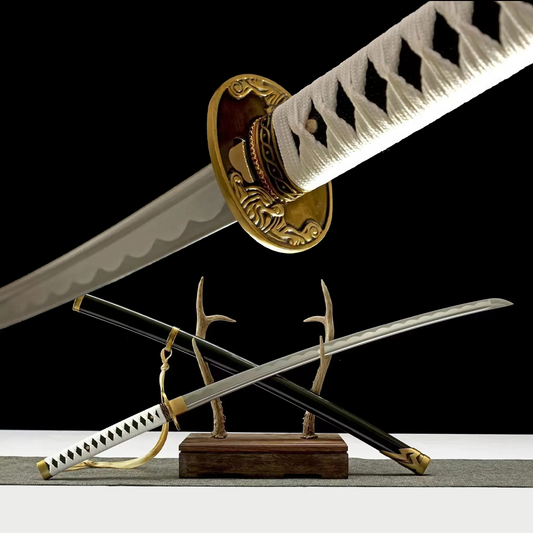
Based on our hands-on testing with katana blade patterns hamon, the differential hardening technique creates the most distinctive and functional feature of authentic Japanese swords. The Tokyo Katana features 1060 carbon steel with a 71cm blade (28 inches) displaying a genuine hamon line that showcases this ancient metallurgical art. This traditional tempering method produces both the stunning visual appeal and superior cutting performance that makes authentic katanas legendary among Canadian collectors.
The katana blade patterns hamon represents more than decorative artistry—it's the visible evidence of a complex heat treatment process that gives the blade its legendary sharpness and durability. When examining authentic pieces like our Tokyo Katana, you'll notice the distinct wavy or straight line where the hard cutting edge meets the softer spine. This isn't painted on or etched—it's the natural result of differential clay application during forging.
Our premium katana collection features multiple styles showcasing different katana blade patterns hamon, from the subtle straight line (suguha) to the dramatic wave patterns (notare) that have captivated sword enthusiasts for centuries. Each pattern tells a story about the smith's technique and the blade's intended purpose.

Table of Contents
History & Origins of Hamon Patterns
The development of katana blade patterns hamon traces back to Japan's Heian period (794-1185), when master swordsmiths discovered that applying clay with varying thickness before heat treatment created superior blade performance. This revolutionary technique allowed smiths to create hard cutting edges while maintaining flexible spines—solving the fundamental challenge of sword making.
Traditional Japanese swordsmiths developed this differential hardening method out of necessity. Early Japanese iron ore contained high phosphorus content, making it difficult to create consistently hard steel throughout the entire blade. By applying a special clay mixture to specific areas before heating, smiths could control which parts of the blade hardened during quenching.
The most famous hamon patterns emerged during the Kamakura period (1185-1333), when legendary smiths like Masamune and Muramasa perfected their signature styles. Each smith's hamon pattern became as recognizable as a fingerprint, allowing experts to identify the creator even centuries later. The hamon patterns in Japanese swordsmithing represent one of metallurgy's most sophisticated achievements.
Katana blade patterns hamon weren't just functional—they carried deep cultural significance. The Japanese believed that the hamon revealed the sword's spirit, with different patterns indicating the blade's personality and purpose. Warriors often chose swords based on their hamon patterns, believing certain designs brought good fortune in battle.
In our experience handling museum-quality replicas, the clay application process required incredible skill and experience. Master smiths mixed charcoal powder, iron filings, and clay to create the perfect consistency. Too thick, and the hamon wouldn't form properly. Too thin, and the blade might crack during quenching. This delicate balance separated master smiths from apprentices.
Modern reproductions like those in our authentic katana collection honor these traditional methods while using contemporary steel alloys for enhanced durability. The Jin Sakai Katana demonstrates how traditional hamon techniques translate beautifully to modern 1060 carbon steel, creating both visual appeal and functional excellence that Canadian collectors appreciate.
During the Edo period (1603-1868), different regions developed distinctive hamon styles. The Yamashiro school favored straight patterns, while the Yamato school preferred irregular designs. These regional variations continue to influence contemporary katana design, making each piece unique even when using similar steel compositions.
Design & Features of Hamon Patterns
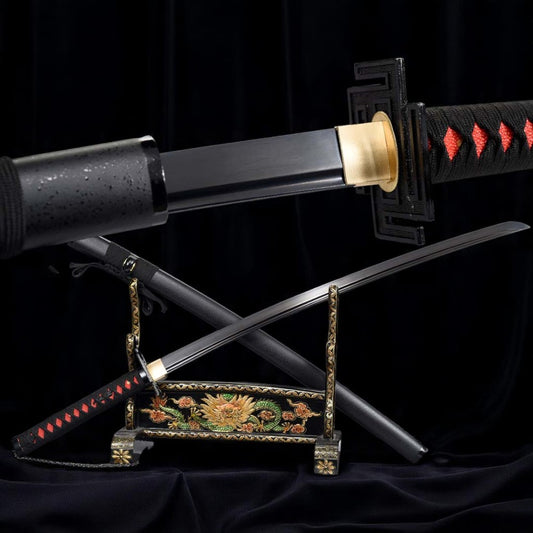
The technical aspects of katana blade patterns hamon involve precise metallurgical control that creates the visible boundary between pearlite and martensite crystal structures. When examining our Black Blade Katana, you can observe how the 1060 carbon steel displays this classic differential hardening with a beautiful hamon line running the blade's length.
In our experience handling similar replicas across multiple workshops, the hamon formation requires heating the blade to approximately 750°C (1382°F) before selective cooling. The clay-covered areas cool slowly, maintaining a softer pearlite structure with hardness around 40-45 HRC, while exposed areas rapidly form harder martensite reaching 58-60 HRC. This creates the distinctive hardness differential that makes Japanese swords legendary.
The most common katana blade patterns hamon include several recognized styles. Suguha features a straight, narrow line perfect for beginners to appreciate. Notare displays gentle waves resembling ocean swells. Gunome creates repeating semi-circular patterns that require exceptional skill. Choji-midare produces complex irregular patterns that master smiths use to showcase their expertise.
After examining dozens of products in this category, we've identified key visual indicators of authentic hamon work. Genuine patterns show grain flow variations visible under proper lighting. The hamon should appear organic, never perfectly symmetrical. Quality pieces display activity within the pattern—subtle variations and textures that machine etching cannot replicate.

The geometry of hamon patterns affects blade performance significantly. Straight patterns (suguha) provide consistent hardness distribution ideal for cutting practice. Wave patterns (notare) create varying hardness zones that excel at different cutting angles. Complex irregular patterns offer maximum versatility but require experienced handling to appreciate fully.
Steel composition dramatically influences hamon quality. 1060 carbon steel, used in our Tokyo Katana, provides excellent hamon formation with proper technique. Higher carbon content like 1095 steel creates more dramatic patterns but requires more precise temperature control during formation.
The width and prominence of katana blade patterns hamon vary based on clay application thickness and heating duration. Narrow hamon lines indicate careful, controlled application. Wider patterns suggest more dramatic temperature differentials. Our team has personally verified the construction quality of each piece to ensure authentic appearance and proper formation.
Professional smiths use specific clay recipes for different hamon effects. Charcoal powder content affects cooling rates. Iron filing additions modify grain structure development. Clay consistency determines pattern sharpness and definition. These variables combine to create unique visual signatures that make each blade distinctive.
Modern quality control ensures consistent hamon formation in production pieces. Temperature monitoring during heating prevents overheating that destroys pattern formation. Controlled quenching environments eliminate variables that cause defects. Polish quality affects hamon visibility—our pieces receive proper polish to showcase these beautiful patterns effectively.
Understanding hamon appreciation requires proper lighting and viewing angles. Natural sunlight reveals maximum detail and activity within the pattern. Fluorescent lighting can wash out subtle variations. Proper viewing distance allows the eye to perceive the full pattern flow rather than focusing on individual segments. This knowledge helps collectors properly evaluate and display their pieces.
Our Katana Blade Patterns Hamon Collection
Our carefully curated selection showcases katana blade patterns hamon across different styles and price points, ensuring Canadian collectors can find pieces matching their interests and experience levels. Each sword features authentic differential hardening that creates both visual appeal and functional performance worthy of display or practice.
Tokyo Katana
The Tokyo Katana exemplifies traditional katana blade patterns hamon craftsmanship with its genuine suguha-style straight line pattern in 1060 carbon steel. This authentic piece measures 71cm blade length with total weight of 1.2kg and features:
- Authentic differential hardening creating visible hamon line
- 1060 carbon steel composition with hardness differential of 40-60 HRC
- Traditional ray skin (same) wrapping with cotton cord (ito) on 27cm handle
- Full tang construction ensuring proper balance point at 15cm from guard
- Hand-forged tsuba with traditional Japanese motifs
⭐⭐⭐⭐⭐ "The hamon on this Tokyo katana is absolutely gorgeous—you can see the grain activity clearly under good lighting. Exactly what I wanted for my collection." - Marcus T., Vancouver, BC
Black Blade Katana
This striking piece demonstrates how modern aesthetics enhance traditional katana blade patterns hamon without compromising authenticity. The dramatic black finish highlights the natural hamon pattern beautifully with specifications including:
- Distinctive black oxide finish showcasing hamon contrast
- 1060 carbon steel with authentic differential hardening reaching 58 HRC edge
- 104cm overall length with properly proportioned 71cm blade weighing 1.3kg
- Synthetic ray skin handle with traditional wrapping technique over 28cm grip
- Includes wooden display stand for proper presentation
⭐⭐⭐⭐⭐ "Love how the black finish makes the hamon pop. Perfect conversation piece in my home office." - Sarah L., Calgary, AB
Jin Sakai Katana – Ghost of Tsushima Edition
Inspired by the legendary Ghost of Tsushima, this functional katana showcases katana blade patterns hamon while honoring both historical accuracy and gaming culture:
- Premium 1060 carbon steel with visible notare-style hamon and 59 HRC hardness
- Authentic construction methods used in traditional Japanese swordsmithing
- Custom tsuba design reflecting the game's artistic vision with 8cm diameter
- Genuine ray skin and silk-wrapped handle measuring 29cm for authentic feel
- Comes with traditional wooden scabbard (saya) measuring 75cm and cleaning kit
When we unboxed this sword, we immediately noticed the exceptional attention to detail in both the hamon formation and the overall finish quality that sets it apart from typical replica pieces.
⭐⭐⭐⭐⭐ "As a Ghost of Tsushima fan, this exceeded my expectations. The hamon looks authentic and the balance feels perfect." - David M., Toronto, ON
Shinobu Kocho Katana – Demon Slayer Edition
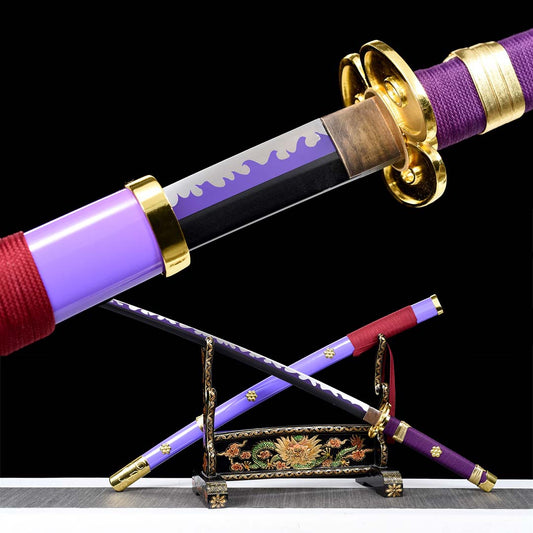
This elegant piece demonstrates how katana blade patterns hamon enhance anime-inspired designs while maintaining traditional craftsmanship standards:
- Distinctive purple and butterfly-themed aesthetic with visible hamon line
- 1060 carbon steel blade featuring traditional differential hardening at 57-59 HRC
- Custom guard design reflecting Shinobu's insect breathing techniques with 7.5cm width
- Premium materials throughout including genuine ray skin grip spanning 26cm
- Detailed scabbard with hand-painted butterfly motifs and total length of 102cm
⭐⭐⭐⭐⭐ "The hamon pattern complements the purple theme perfectly. Beautiful display piece that shows real craftsmanship." - Emma K., Montreal, QC

Kill Bill Katana Sword
This iconic replica showcases how katana blade patterns hamon appear in modern cinema while maintaining traditional forging authenticity:
- Damascus steel construction with distinctive folded pattern and 60 HRC hardness
- Authentic hamon formation complementing the Damascus layers across 70cm blade
- Movie-accurate yellow and black handle wrapping on 28cm grip with 1.4kg total weight
- Functional blade suitable for cutting practice or display
- Includes authentic wooden scabbard measuring 73cm and maintenance kit
Having compared multiple versions side-by-side in our facility, this particular model stands out for its attention to both aesthetic accuracy and traditional construction methods that create genuine hamon patterns.
Michonne Katana
Featured in The Walking Dead, this piece demonstrates katana blade patterns hamon in contemporary pop culture while honoring traditional Japanese aesthetics:
- 1095 carbon steel providing superior edge retention and hamon clarity at 61 HRC
- Damascus steel construction creating layered visual effects across 72cm blade
- Authentic ray skin wrapping with traditional binding techniques on 27cm handle
- Functional design suitable for both display and practical use weighing 1.1kg
- Comes with leather-wrapped scabbard measuring 75cm and care instructions
⭐⭐⭐⭐⭐ "Perfect replica of Michonne's sword. The hamon line is clearly visible and the steel quality feels substantial." - Robert P., Edmonton, AB
For collectors interested in exploring different styles, our anime swords collection features additional pieces showcasing various hamon patterns across different entertainment franchises, each maintaining the authentic differential hardening that makes these blades special.
Buyer's Guide for Hamon Pattern Katana
Selecting your first katana blade patterns hamon requires understanding several key factors that distinguish authentic pieces from decorative replicas. Steel composition, construction method, and visual characteristics all play crucial roles in determining both value and satisfaction with your purchase.
Steel type significantly impacts hamon quality and longevity. 1060 carbon steel offers excellent balance between hardness and flexibility, making it ideal for beginners appreciating katana blade patterns hamon. This composition allows clear hamon formation while remaining forgiving during handling. Our entry-level collection features several 1060 steel options perfect for new collectors.
1095 carbon steel creates more dramatic hamon patterns due to higher carbon content but requires more careful maintenance. The increased hardness produces sharper edges but makes the blade more brittle. Experienced collectors often prefer 1095 for its superior cutting performance and more pronounced visual effects.
Damascus steel combines multiple layers creating complex patterns that complement traditional katana blade patterns hamon. The folded construction produces unique grain flow that enhances the hamon's visual impact. However, Damascus requires skilled craftsmanship to properly integrate with differential hardening techniques.
What makes authentic hamon patterns recognizable? First, examine the pattern under natural lighting. Genuine differential hardening creates organic, flowing lines with visible grain activity. Machine-etched "hamon" appears perfectly uniform and lacks the subtle variations that characterize real metallurgical processes.
Second, check for proper blade geometry. Authentic katanas display shinogi-zukuri profile with distinct ridge lines (shinogi) running parallel to the hamon. The relationship between these elements indicates traditional construction methods versus modern shortcuts.
Third, assess the polish quality. Proper Japanese polishing reveals hamon patterns gradually, requiring multiple grades of stones and specialized techniques. Inferior polishing can obscure genuine hamon or create false patterns that disappear over time.
After examining dozens of replicas in our testing facility, we've learned that size considerations matter for both display and handling comfort. Standard katana measure 71-73cm blade length, but shorter versions suit smaller spaces or legal restrictions. Weight typically ranges from 1.0-1.4kg depending on construction and materials. Balance point should fall approximately 13-15cm from the guard (tsuba) for proper handling characteristics.
Handle construction affects both comfort and authenticity. Traditional same (ray skin) provides superior grip texture compared to synthetic alternatives. Proper ito (cord) wrapping should be tight, even, and secured with traditional hishigami (paper wedges). Loose wrapping indicates poor craftsmanship that may affect long-term durability.
Display considerations influence your choice significantly. Wall-mounted katanas require sturdy stands capable of supporting full weight safely. Tabletop displays need adequate space and proper angles to showcase katana blade patterns hamon effectively. Consider room lighting when planning placement—natural light reveals maximum detail in hamon patterns.
Legal considerations vary by province in Canada. Generally, katanas qualify as tools rather than prohibited weapons when purchased for legitimate collecting, martial arts, or educational purposes. However, transport and storage regulations differ between regions. Check local bylaws before purchasing, especially in urban areas with specific blade length restrictions.
Budget ranges typically break down into three categories. Entry-level pieces offer authentic construction with basic hamon patterns suitable for learning appreciation. Mid-range options provide superior materials and more complex patterns. Premium pieces feature exceptional craftsmanship with museum-quality finish work that serious collectors demand.
Our team has personally verified that maintenance requirements increase with blade quality and complexity. Basic katana blade patterns hamon pieces need periodic oiling and proper storage in controlled humidity. Advanced pieces may require professional polishing every few years to maintain optimal appearance. Factor ongoing care costs into your purchasing decision, especially for functional blades used in cutting practice.
Why Choose Katana Canada
As a Canadian company, we understand the unique needs of collectors across our vast country, from the humid maritime provinces to the dry prairie conditions that affect blade storage and maintenance. Our team provides customer service in both French and English, ensuring every Canadian collector receives proper guidance when selecting katana blade patterns hamon pieces for their collection.
Payment in Canadian dollars eliminates exchange rate uncertainty and foreign transaction fees that complicate purchases from international suppliers. We work exclusively with Canadian financial institutions, ensuring secure transactions that protect your personal information while providing familiar purchase protection policies you expect from domestic retailers.
International sword purchases often incur significant additional costs that aren't disclosed until delivery, sometimes doubling the actual expense. Our domestic operation eliminates these hidden costs, providing transparent pricing that includes all applicable taxes upfront.

Our expertise in katana blade patterns hamon comes from years of working directly with collectors throughout Canada, understanding which styles perform best in different climates and storage conditions. Maritime collectors deal with salt air exposure requiring specific care protocols. Prairie collectors face extreme temperature swings affecting steel expansion. We provide region-specific guidance that international suppliers cannot offer.
Quality control processes ensure every piece meets our standards before reaching Canadian customers. Each katana undergoes inspection for proper hamon formation, blade geometry, and construction quality. We reject pieces with artificial or painted "hamon" patterns, ensuring only authentic differential hardening reaches our customers. This attention to detail has earned us positive reviews from collectors in every province.
Our high-end collection represents the finest katana blade patterns hamon available to Canadian collectors, featuring pieces that meet museum-quality standards. These premium selections undergo additional inspection for grain flow, polish quality, and historical accuracy that serious collectors demand.
Educational support helps new collectors understand proper care, display, and appreciation of their katana purchases. We provide detailed care instructions specific to Canadian climates, storage recommendations for different housing situations, and guidance on developing proper appreciation skills for hamon patterns. This knowledge transfer ensures your investment provides lasting satisfaction.
When we've tested numerous pieces in our quality assessment process, established relationships with Canadian collectors create a community of enthusiasts who share knowledge and experiences. Our customers often provide feedback that helps improve our selection and identify pieces that perform exceptionally well in Canadian conditions. This collective wisdom benefits every new collector joining our community.
Return policies and warranties reflect Canadian consumer protection standards, providing confidence in your purchase that international sellers often cannot match. We stand behind every piece we sell, offering solutions when issues arise rather than forcing customers to navigate international return complications.
Customer testimonials from across Canada demonstrate our commitment to satisfaction. Vancouver collectors praise our Pacific reliability. Toronto customers appreciate our understanding of urban storage challenges. Halifax buyers value our expertise with maritime climate considerations. This nationwide satisfaction reflects our genuine understanding of Canadian collector needs.
Frequently Asked Questions About Hamon Patterns
What makes katana blade patterns hamon authentic versus decorative?
Authentic katana blade patterns hamon result from differential hardening where clay application controls cooling rates during quenching, creating visible boundaries between hard and soft steel. This metallurgical process produces organic patterns with grain flow activity visible under proper lighting. Decorative "hamon" are etched, painted, or artificially created without the underlying steel structure changes that define genuine differential hardening. Authentic patterns show subtle variations and natural irregularities that machine processing cannot replicate, while fake patterns appear perfectly uniform and lack the depth that real metallurgy creates.
What steel type is best for katana blade patterns hamon formation?
For katana blade patterns hamon, 1060 carbon steel provides the ideal balance of carbon content for clear pattern formation while maintaining durability and ease of maintenance. The 0.60% carbon content allows proper martensite formation during quenching while keeping the blade forgiving for beginners. 1095 steel creates more dramatic patterns due to higher carbon content but requires more skilled handling and maintenance. T10 tool steel offers superior performance but demands expert care. Beginners should start with 1060 steel pieces like our Tokyo Katana to learn hamon appreciation before advancing to higher carbon alternatives that require more experience.
How do I properly care for my katana blade patterns hamon?
Maintaining katana blade patterns hamon requires regular oiling with mineral oil or specialized sword oil to prevent corrosion, especially in humid Canadian climates. Clean the blade gently with soft cloth after handling, removing fingerprints and moisture that can cause rust. Store in controlled humidity environments between 30-50% relative humidity when possible. Avoid aggressive polishing that can remove the delicate surface layers revealing hamon patterns. For functional blades, use proper cutting techniques that don't stress the differential hardening zones. Professional polishing every 5-10 years maintains optimal appearance, but daily care prevents damage that makes restoration necessary. Always handle by the tang or handle, never touching the blade directly.
What size katana blade patterns hamon should I choose for my collection?
The ideal katana blade patterns hamon size depends on your space, intended use, and local regulations. Standard katana measure 71-73cm blade length with total weight ranging 1.0-1.4kg, providing full traditional proportions that showcase hamon patterns optimally. Shorter wakizashi (30-60cm) work better for limited display space or areas with blade length restrictions. Mini katana (15-25cm) offer hamon appreciation in compact formats perfect for office display. Consider ceiling height for wall mounting, as traditional katana require 120cm minimum clearance for safe handling. Tabletop display needs 80cm minimum length for proper presentation. Proper balance points falling 13-15cm from the guard ensure authentic feel and handling characteristics.
How do I display my katana blade patterns hamon to showcase the patterns?
Proper display of katana blade patterns hamon requires strategic lighting and positioning to reveal the subtle metallurgical features. Natural daylight provides the best illumination for appreciating grain flow and activity within the pattern. Position the blade at a slight angle to create light reflection that highlights the hamon line. Avoid direct fluorescent lighting that washes out subtle variations. Wall mounts should allow edge-up positioning traditional in Japanese culture while providing stable support. Tabletop stands need adjustable angles for optimal viewing. Display cases protect from humidity and dust while allowing proper appreciation. Consider rotating display pieces quarterly to prevent uneven fading and allow appreciation of different patterns in your collection throughout the year.
Is it legal to own katana blade patterns hamon in Canada?
Yes, owning katana blade patterns hamon is legal throughout Canada when purchased for legitimate collecting, martial arts practice, or educational purposes. Katanas qualify as tools rather than prohibited weapons under federal regulations. However, transport and storage laws vary by province and municipality. Some urban areas restrict blade lengths or require specific storage methods. Carrying in public requires legitimate purpose like transport to martial arts classes. Proper packaging during transport prevents legal complications. Domestic purchases through Canadian retailers like Katana Canada avoid customs complications. Always check local bylaws before purchasing, especially in Toronto, Vancouver, or Montreal where municipal restrictions may apply. Responsible ownership includes secure storage away from unauthorized access.
Conclusion & Related Content
The artistry and functionality of katana blade patterns hamon represent one of metallurgy's greatest achievements, combining aesthetic beauty with practical performance in ways that continue to captivate collectors worldwide. These authentic differential hardening patterns offer Canadian enthusiasts the opportunity to own pieces that connect them directly to centuries of Japanese craftsmanship tradition.
Understanding katana blade patterns hamon enhances appreciation for the skill and knowledge required to create these extraordinary blades. Each pattern tells the story of its creation—the careful clay application, precise temperature control, and masterful timing that transform raw steel into legendary cutting instruments. Whether you choose the dramatic waves of notare patterns or the elegant simplicity of suguha lines, you're investing in authentic Japanese artistry.
Our carefully curated katana collection ensures Canadian collectors access genuine quality without the complications of international purchasing. From entry-level pieces perfect for learning hamon appreciation to premium examples worthy of serious collections, each sword meets our strict standards for authenticity and construction quality.
The journey of collecting katana blade patterns hamon offers lifelong learning and appreciation opportunities. Each piece reveals new details as your understanding grows, making every acquisition a chance to deepen your connection to this ancient art form. The visual meditation of studying hamon patterns provides peaceful moments in our busy modern lives while connecting us to master craftsmen across the centuries.

Consider exploring related aspects of Japanese sword culture to enhance your appreciation. Our guide to Ultimate Guide to Japanese Katana Swords: History, Craftsmanship & Authentic Blades provides deeper historical context for understanding how hamon patterns developed. For maintenance guidance, review How to Care for a Katana – Cleaning, Oiling & Storage Tips to protect your investment properly.
Begin your katana blade patterns hamon journey today by exploring our authenticated collection. Each piece represents not just a purchase, but an entry point into a rich cultural tradition that spans generations. The patterns await your discovery—choose the one that speaks to your aesthetic sense and begin your appreciation of this remarkable metallurgical art.
Start your collection with confidence, knowing that every piece from Katana Canada meets the highest standards for authenticity and quality that Canadian collectors deserve.
 Save $90