Katana Zero: The Art of the Perfect Strike in Gaming and Steel Mastery

Katana Zero: The Art of the Perfect Strike in Gaming and Steel Mastery

Katana Zero: The Art of the Perfect Strike in Gaming and Steel Mastery

The neon-soaked corridor stretches before you, pulsing with synthwave beats as rain streaks down grimy windows. Your grip tightens on the katana's handle – one breath, one moment, one perfect cut. In Katana Zero, death comes instantly, but so does rebirth. This isn't just another hack-and-slash game; it's a meditation on precision, timing, and the deadly beauty of the samurai blade that has captivated both gamers and sword enthusiasts worldwide.

Table of Contents

The Philosophy of One-Hit Combat

Katana Zero revolutionized the action-platformer genre not through flashy combos or overwhelming firepower, but through the ancient samurai principle that every strike must be perfect. This indie masterpiece's one-hit-one-kill system mirrors the traditional iaido philosophy where a single, precise cut determines victory or death. This isn't merely a gameplay mechanic; it's a digital embodiment of bushido's core tenet that mastery comes through absolute focus.

The game's unnamed protagonist, a katana-wielding assassin trapped in a cycle of violence and memory manipulation, embodies the ronin archetype – a masterless samurai navigating a world that has moved beyond honor. Each level becomes a deadly dance where timing replaces brute force, and where understanding your weapon's reach and your enemy's patterns means the difference between progression and starting over.

This design philosophy extends beyond entertainment into the realm of authentic sword appreciation. Just as Katana Zero demands respect for the blade's lethal potential, real katana ownership requires understanding the weapon's history, construction, and the discipline required to wield it properly. The History of the Katana – From Samurai Symbol to Modern Icon reveals how these principles have endured through centuries of cultural evolution.

What makes this cyberpunk samurai experience particularly compelling is how it strips away the romanticized notion of the samurai warrior, presenting instead a raw examination of what it means to live and die by the sword. The game's time-manipulation mechanics serve as metaphors for the split-second decisions that define both virtual and historical swordplay.

The Samurai's Shadow in Cyberpunk Streets

The juxtaposition of traditional Japanese swordsmanship against a dystopian cyberpunk backdrop creates a unique aesthetic that resonates with modern audiences seeking connection to ancient warrior traditions. Katana Zero's visual design draws heavily from the works of Akira Kurosawa while filtering them through the lens of 1980s neon-noir cinema, creating something entirely fresh yet deeply rooted in samurai cinema.

The indie title's narrative structure mirrors classic chambara films, where action sequences serve as character development rather than mere spectacle. Each encounter reveals something about the protagonist's fragmented psyche, much like how traditional samurai stories used combat to explore themes of honor, duty, and mortality. The katana becomes both weapon and metaphor – a tool for cutting through enemies and illusions alike.

This fusion of old and new reflects a broader cultural phenomenon where modern creators draw inspiration from traditional Japanese craftsmanship and philosophy. The synthwave soundtrack that accompanies each blade dance wouldn't seem out of place in a contemporary dojo where practitioners blend ancient techniques with modern training methods.

The game's environmental storytelling particularly shines in how it treats the katana as a character unto itself. Unlike many games where weapons are interchangeable tools, the protagonist's blade carries weight, history, and personality. Its presence changes how players approach each encounter, encouraging patience and observation over aggression.

Blade Mastery: From Pixel to Steel

The transition from virtual swordplay to authentic blade ownership represents a natural evolution for enthusiasts who find themselves drawn to the deeper traditions behind their favorite games. Katana Zero's emphasis on precision and respect for the blade's power serves as an excellent introduction to the principles that govern real katana craftsmanship and collecting.

Understanding authentic katana construction begins with appreciating the same attention to detail that makes the game's combat so compelling. Traditional Japanese swordsmiths spent months forging a single blade, folding steel thousands of times to create the perfect balance of flexibility and hardness. This process, known as tamashigiri, results in weapons that are both functional tools and works of art.

The curvature of a katana, called sori, isn't merely aesthetic – it's precisely calculated to optimize cutting efficiency and reduce stress on the blade during combat. Similarly, this acclaimed indie game's hitboxes and timing windows aren't arbitrary; they're carefully designed to create the most satisfying and realistic sword combat experience possible within the constraints of 2D pixel art.

Modern collectors can experience this same dedication to perfection through carefully crafted replicas and functional swords that honor traditional construction methods. The Best Katana collection represents the pinnacle of this craftsmanship, featuring blades that would be equally at home in a museum or a serious practitioner's dojo.

Quality indicators include proper heat treatment of the steel, authentic hamon (temper lines), and traditional fittings made from materials like genuine ray skin and silk cord. These details matter not just for aesthetics, but for the sword's balance, durability, and historical accuracy.

Authentic Katana Collection: Gaming Inspired Steel

For enthusiasts seeking to bridge the gap between virtual and physical blade mastery, several exceptional pieces capture the spirit of games like the cyberpunk samurai masterpiece while maintaining authentic Japanese craftsmanship standards.

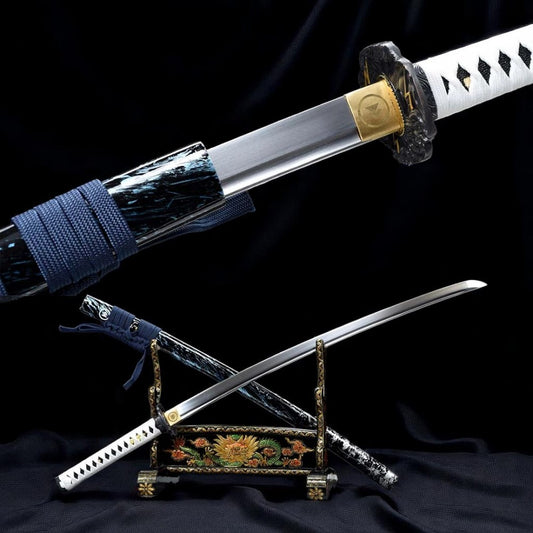
The Jin Sakai Katana – Ghost of Tsushima Edition at $425.00 CAD represents the perfect entry point for gaming enthusiasts. This 1060 carbon steel blade features: - Authentic ray skin wrapping (same-kawa) for superior grip - Traditional cord binding (ito-maki) in classic black - Functional construction suitable for iaido practice - Hand-forged construction with visible hamon - Complete with traditional wooden saya (scabbard)

⭐⭐⭐⭐⭐ "The weight and balance feel exactly right for practicing the forms I learned from the game. Beautiful craftsmanship from start to finish." - Michael R., Vancouver, BC

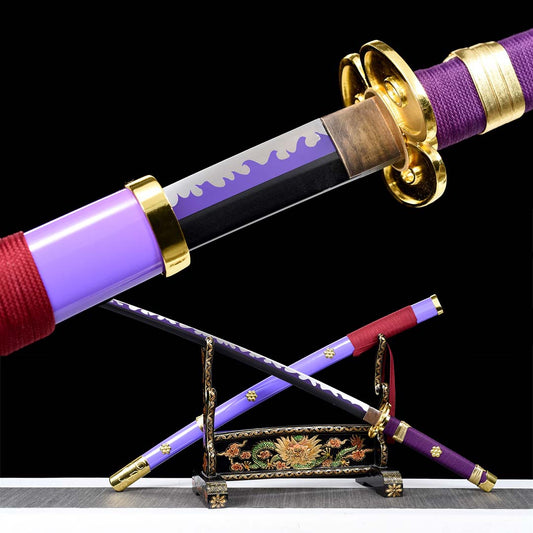
The Shinobu Kocho Katana – Demon Slayer Edition at $520.00 CAD showcases how modern pop culture can inspire traditional craftsmanship: - 1060 carbon steel blade with distinctive butterfly motif - Purple and black color scheme honoring the character - Lightweight design perfect for display or cosplay - Authentic Japanese construction techniques - Includes certificate of authenticity

This piece demonstrates how contemporary anime aesthetics can be successfully integrated with traditional sword-making techniques, creating pieces that honor both modern storytelling and ancient craftsmanship.

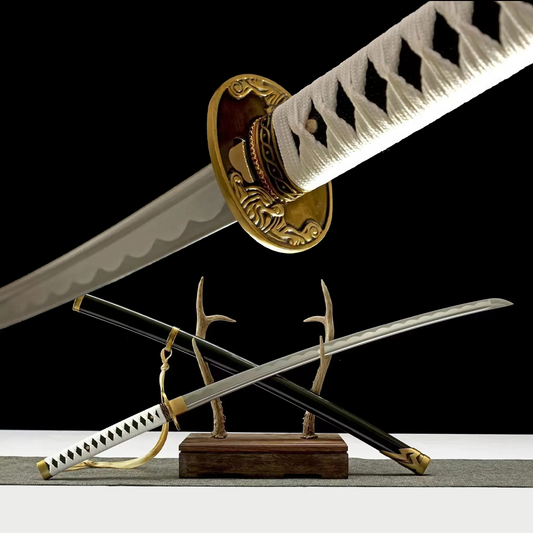
For collectors seeking cinematic authenticity, the Kill Bill Katana Sword at $520.00 CAD offers: - Damascus steel construction with distinctive folding patterns - Real ray skin handle wrapping - Carbon steel core for durability and edge retention - Movie-accurate dimensions and weight distribution - Traditional Japanese polishing techniques

⭐⭐⭐⭐⭐ "This is the katana I always imagined owning. The Damascus patterns are hypnotic, and the balance is perfect for display or practice." - Sarah L., Toronto, ON

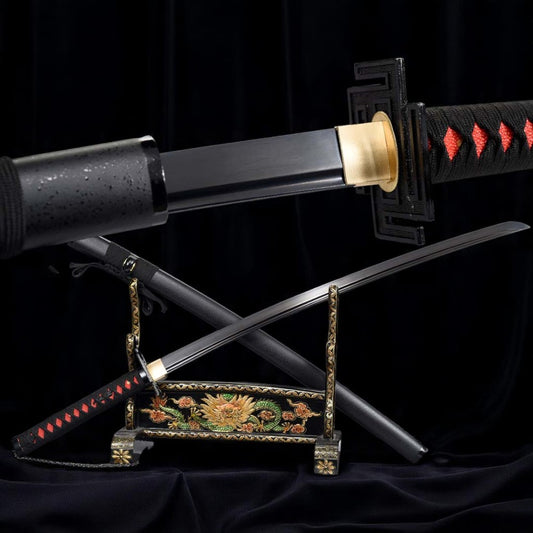
The Michonne Katana Sword at $520.00 CAD brings television's most iconic post-apocalyptic blade to life: - 1095 carbon steel for superior edge retention - Weathered finish reflecting the character's journey - Functional construction rated for cutting practice - Damascus steel accents throughout the blade - Authentic cord-wrapped handle for secure grip

For serious collectors demanding premium craftsmanship, the Michonne Katana – Premium Edition at $520.00 CAD elevates every detail: - Museum-quality 1095 steel with professional heat treatment - Hand-forged Damascus patterns throughout the entire blade - Premium leather-wrapped scabbard with custom metalwork - Limited production run with numbered authentication - Lifetime warranty on structural integrity

⭐⭐⭐⭐⭐ "Worth every penny. The Damascus work is museum-quality, and the balance is absolutely perfect. This will be passed down through generations." - David K., Calgary, AB

At the pinnacle of the collection, pieces like the Hiroshima Katana at $4110.00 CAD and Kiryu Katana at $4110.00 CAD represent the absolute highest levels of craftsmanship available to modern collectors. These pieces feature: - Master-level Damascus steel with complex folding patterns - Hand-carved fittings created by traditional artisans - Multi-month forging processes using ancient techniques - Custom silk-wrapped handles with genuine precious metal accents - Complete documentation of the forging process

⭐⭐⭐⭐⭐ "This isn't just a sword – it's a work of art. The level of detail and craftsmanship rivals anything I've seen in Japanese museums." - Robert M., Montreal, QC

For those seeking complete creative control, the Katana Customizer at $0.00 CAD provides an interactive design experience where collectors can specify every aspect of their ideal blade, from steel type and folding patterns to handle wrapping and scabbard design.

The Collector's Path to Perfection

Building a meaningful katana collection requires the same patience and dedication that mastering the neon-soaked corridors of this acclaimed indie title demands. Each piece should serve a specific purpose, whether for display, practice, or historical study. Beginning collectors often make the mistake of prioritizing appearance over functionality, but true appreciation comes from understanding how form follows function in Japanese sword design.

Start with a single, high-quality piece that exemplifies traditional construction methods. The Authentic Katana serves as an excellent foundation piece, offering genuine craftsmanship at an accessible price point. Study its construction, learn its history, and practice proper handling before expanding your collection.

Display considerations extend beyond simple aesthetics. Proper humidity control prevents rust, while appropriate lighting showcases the hamon and Damascus patterns that make each blade unique. Traditional stands, called katana-kake, position the sword to honor its cultural significance while protecting the edge and maintaining proper balance.

Documentation becomes increasingly important as collections grow. Maintain detailed records of each piece's origin, construction methods, and any certifications of authenticity. This information not only enhances your appreciation of the craft but also preserves value for future generations.

Consider the practical aspects of ownership, including local regulations, insurance requirements, and storage solutions. A thoughtfully curated collection of three exceptional pieces often provides more satisfaction and educational value than a dozen mediocre examples.

Understanding Steel: The Foundation of Excellence

The steel used in katana construction directly impacts both performance and longevity, making it essential knowledge for serious collectors. Like the precise timing required in the cyberpunk samurai experience, understanding steel properties requires attention to subtle but crucial details that separate exceptional blades from merely decorative pieces.

1060 carbon steel represents the most common choice for functional katana, containing approximately 0.60% carbon. This composition provides excellent balance between hardness and flexibility, making it ideal for both cutting practice and display. The steel takes and holds a sharp edge well while remaining forgiving enough for beginning practitioners.

1095 carbon steel, with its higher carbon content of 0.95%, offers superior edge retention and cutting performance. However, this increased hardness requires more careful maintenance and skilled heat treatment during forging. Blades made from 1095 steel are preferred by serious practitioners who prioritize cutting ability over ease of care.

Damascus steel represents the pinnacle of decorative and functional excellence. Created by folding and forge-welding different steel types, Damascus blades display distinctive wavy patterns while combining the best properties of their constituent metals. The visual appeal of Damascus patterns rivals their functional benefits, making these pieces highly sought after by collectors.

The heat treatment process, called yaki-ire, determines how these steels perform in finished blades. Proper differential hardening creates the hamon – the visible line between the hard edge and softer spine that gives katana their legendary cutting ability and distinctive appearance.

Why Choose Katana Canada for Your Collection

As a Canadian company, Katana Canada understands the unique needs of collectors in the Great White North. Our commitment extends beyond simply offering exceptional blades; we provide comprehensive support throughout your collecting journey. Payment in Canadian dollars eliminates currency conversion concerns, while our bilingual customer service team offers support in both French and English.

The advantage of working with a Canadian company becomes particularly apparent when navigating import regulations and customs procedures. No customs fees apply to domestic purchases, streamlining the acquisition process and eliminating unexpected costs that can affect international orders.

Our expertise in authentic Japanese craftsmanship ensures that every piece meets the highest standards of construction and historical accuracy. Whether you're drawn to gaming-inspired pieces or traditional designs, our curated selection represents the best available craftsmanship at every price point.

Customer education remains a priority, with detailed information provided for each piece including construction methods, proper care instructions, and historical context. This commitment to education helps collectors make informed decisions while developing deeper appreciation for the art form.

Frequently Asked Questions

Q: How authentic are katana inspired by video games like Katana Zero compared to traditional historical designs?

Gaming-inspired katana can be surprisingly authentic when crafted by skilled artisans who understand traditional construction methods. While the aesthetic details may reflect modern interpretations, the fundamental construction – folded steel, proper heat treatment, traditional fittings – remains true to historical techniques. The key difference lies in decorative elements like color schemes or engraving styles, which adapt historical patterns to contemporary tastes. Quality gaming-inspired pieces use the same materials and techniques as traditional katana, including ray skin handles, silk cord wrapping, and proper steel selection. The Hand Forged Katana collection demonstrates how modern themes can be successfully integrated with authentic craftsmanship, creating pieces that honor both gaming culture and samurai tradition.

Q: What steel type should beginners choose when starting their katana collection?

1060 carbon steel represents the ideal starting point for new collectors, offering the perfect balance of performance, durability, and ease of maintenance. This steel grade contains enough carbon to hold a sharp edge effectively while remaining forgiving if proper care routines aren't immediately perfect. Unlike stainless steel decorative pieces, 1060 carbon steel provides authentic weight, balance, and cutting capability while being less temperamental than higher carbon alternatives like 1095 steel. The steel accepts traditional polishing techniques well, allowing beginners to learn proper maintenance while experiencing how authentic katana should feel and perform. Damascus steel, while visually stunning, requires more advanced care knowledge and represents a better choice for second or third purchases after developing fundamental understanding of sword care and handling.

Q: How do I determine the correct size katana for display or practice?

Traditional katana sizing follows specific proportions based on the wielder's physical dimensions, though modern collectors often choose based on display space and personal preference. A properly sized katana should measure roughly from your armpit to your fingertips when held at your side, typically resulting in blades between 26-30 inches for most adults. For display purposes, consider your available space – longer blades require larger stands and more wall clearance. Practice katana benefit from slightly shorter lengths that allow for safe indoor use while maintaining proper cutting mechanics. Weight distribution matters as much as overall length; authentic pieces balance near the tsuba (hand guard), creating the characteristic "alive" feeling that distinguishes quality katana from wall-hanger replicas. Many collectors find that starting with a standard 28-inch blade provides versatility for both display and light practice while developing appreciation for proper proportions.

Q: What maintenance routine keeps carbon steel katana in optimal condition?

Proper katana maintenance combines traditional Japanese techniques with modern understanding of metallurgy, creating a routine that preserves both blade integrity and historical authenticity. Clean the blade after every handling using a soft cotton cloth, removing fingerprints and moisture that can cause rust spots. Monthly deep cleaning involves carefully removing the handle to access the entire tang, checking for early corrosion signs and applying a thin layer of choji oil or light mineral oil to all metal surfaces. Store the sword horizontally with the edge facing upward, or vertically in a traditional stand that supports the scabbard without stressing the blade. Humidity control becomes critical – maintain 45-55% relative humidity to prevent both rust formation and wood cracking in traditional fittings. For detailed maintenance procedures, consult our How to Care for a Katana – Cleaning, Oiling & Storage Tips guide, which provides step-by-step instructions for preserving your investment.

Q: Can I display multiple katana together, and what's the best arrangement?

Creating an impressive multi-sword display requires balancing aesthetic impact with proper preservation techniques and cultural sensitivity. Traditional Japanese displays often feature related pieces – katana with matching wakizashi and tanto – arranged to show the progression of blade styles or the evolution of a particular smith's work. Modern collectors might group pieces thematically, such as gaming-inspired blades or pieces from specific historical periods. Ensure adequate spacing between pieces to prevent accidental contact and allow proper air circulation around each blade. Lighting should highlight the hamon and surface details without generating excessive heat that could affect the wood and metal components. Consider the symbolic aspects of your arrangement; Japanese tradition suggests displaying blades with edges facing away from the room's entrance as a sign of peace and respect. Wall-mounted displays work well for smaller collections, while larger assemblies benefit from purpose-built cabinets that provide dust protection and security while maintaining visibility.

Q: Is it legal to own functional katana in Canada, and are there any restrictions I should know about?

Canadian law generally permits katana ownership for collectors, martial artists, and enthusiasts, but specific regulations vary by province and municipality. Functional katana are legal to own in your home and transport to appropriate venues like dojos or events, provided they remain properly secured during transportation. Most provinces require blades to be stored responsibly and kept away from public spaces unless part of legitimate activities like martial arts training or cultural demonstrations. Some municipalities may have specific bylaws regarding blade length or transportation methods, so research your local regulations before making a purchase. Concealed carry is prohibited, and public display outside of sanctioned events can result in criminal charges. Educational purposes, including historical study and martial arts training, provide strong legal justification for ownership. Maintain documentation of your collecting interests and any martial arts affiliations to demonstrate legitimate purpose if questioned. Most collectors find that responsible ownership and common-sense storage practices eliminate any legal complications while allowing full enjoyment of their collections.

Expand your knowledge of katana craftsmanship and collecting with these additional resources. A Timeline of the Japanese Sword – Tachi, Katana, Wakizashi provides essential context for understanding how different sword types evolved throughout Japanese history. For those ready to explore customization options, our Katana Parts Explained – A Complete Customization Guide breaks down every component from tang to tip, helping you make informed decisions about your next acquisition.

Anime enthusiasts will appreciate Tanjiro Kamado's Katana – The Story Behind the Black Blade, which explores how traditional Japanese storytelling influences modern character design and weapon symbolism.

Conclusion

Katana Zero's brilliant fusion of traditional samurai philosophy with modern gaming sensibilities creates a perfect bridge between virtual and physical sword appreciation. This indie game's emphasis on precision, timing, and respect for the blade's deadly potential mirrors the principles that guide authentic katana collecting and craftsmanship. Whether you're drawn to gaming-inspired pieces that capture contemporary aesthetics or traditional designs that honor centuries of sword-making evolution, the path to mastery begins with understanding that every cut – virtual or real – must be perfect.

The transition from appreciating pixelated blade work to owning authentic steel represents more than simple collecting; it's a connection to cultural traditions that have survived and adapted across generations. In your hands, a properly crafted katana carries the weight of history, the precision of master craftsmen, and the potential for continued learning that extends far beyond any single game or story.

Begin your journey today with pieces that speak to your personal interests while honoring the deeper traditions they represent. Like the unnamed protagonist of this cyberpunk samurai masterpiece, who finds purpose through perfect technique amidst chaos, your collection can become a source of focus, appreciation, and connection to something greater than the sum of its parts.

Back to blog

Leave a comment

Please note, comments need to be approved before they are published.