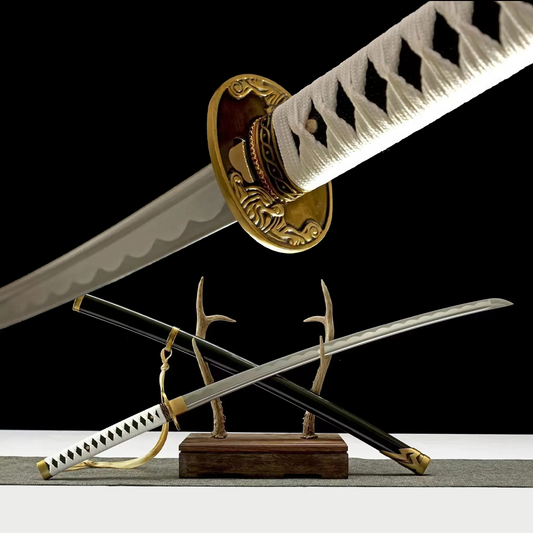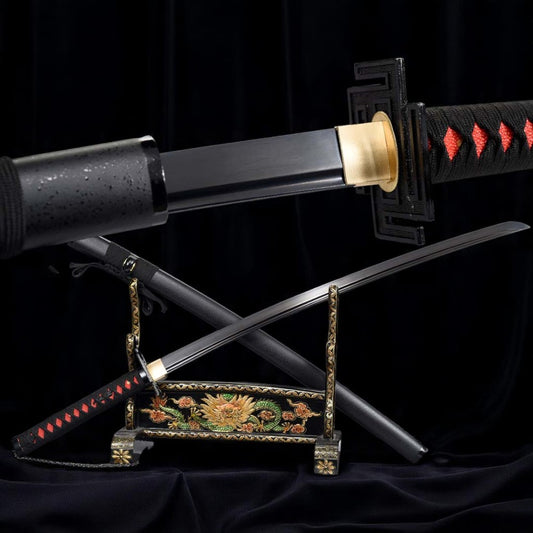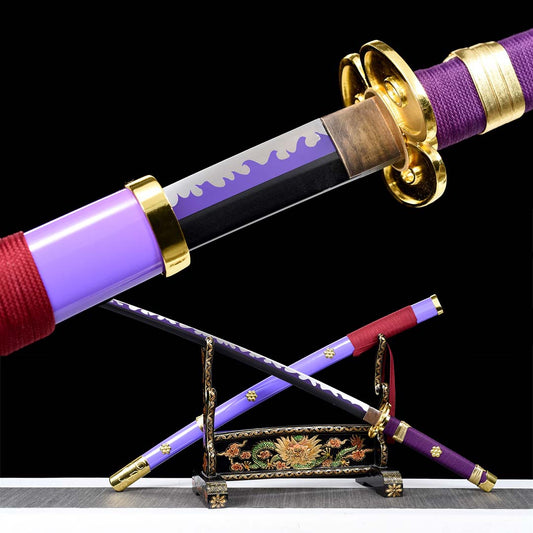

Miniature Katana: The Art of Japanese Sword Collecting in Perfect Scale
Share
The blade gleams under the soft light of your display case, its edge sharp enough to split a hair, its presence commanding respect despite measuring only a fraction of its full-sized counterpart. In your hands lies not just a replica, but a testament to centuries of Japanese craftsmanship condensed into perfect miniature form. This is the world of miniature katana – where the soul of the samurai meets the precision of modern collecting.
Table of Contents
- The Legacy of Steel in Miniature
- Icons Forged in Steel: Characters and Their Blades
- Craftsmanship in Every Detail
- Our Curated Collection: Featured Miniature Masterpieces
- The Collector's Guide to Miniature Katana
- Understanding Steel Types and Quality
- Why Choose Katana Canada for Your Collection
- Frequently Asked Questions
The Legacy of Steel in Miniature
The art of creating miniature katana traces its roots back to the Edo period (1603-1868), when Japanese craftsmen began producing scaled-down versions of legendary blades for ceremonial purposes and as gifts among the samurai class. These weren't mere toys or decorations – they were functional works of art that captured the essence of their full-sized ancestors in every curve, fold, and edge.
During the Meiji Restoration of 1868, when the wearing of swords was officially banned, many swordsmiths turned to creating scaled sword replicas as a way to preserve their craft. These pieces became symbols of cultural heritage, allowing families to maintain their connection to samurai traditions without violating new laws. The miniature katana evolved from necessity into an art form that celebrated the technical mastery and spiritual significance of Japanese sword-making.
The cultural significance of scaled katana extends far beyond their physical dimensions. In Japanese tradition, these scaled masterpieces embody the concept of "mono no aware" – the bittersweet awareness of the impermanence of things. They capture a moment in time when steel met spirit, when craftsmanship transcended mere functionality to become a bridge between the earthly and the divine.
Modern miniature katana continue this legacy, serving as both educational tools and collectible art pieces. They allow enthusiasts to appreciate the intricate details of Japanese sword construction without the space requirements or legal considerations of full-sized blades. Each piece tells a story, whether it's inspired by historical figures, anime characters, or cinematic legends.
The revival of interest in small-scale katana has been fueled by popular culture, particularly through anime series like Demon Slayer and films like Kill Bill. These modern interpretations respect traditional craftsmanship while introducing new generations to the beauty and complexity of Japanese sword culture. For those seeking to understand the deeper aspects of this tradition, exploring The History of the Katana – From Samurai Symbol to Modern Icon provides valuable context for appreciating these scaled masterpieces.
Icons Forged in Steel: Characters and Their Blades
The world of pocket-sized katana has been profoundly shaped by iconic characters whose legendary weapons have captured the imagination of collectors worldwide. Each blade tells a unique story, embodying the personality, struggles, and triumphs of its wielder while showcasing distinctive design elements that set it apart from traditional samurai swords.
Jin Sakai's katana from Ghost of Tsushima represents the evolution of samurai ideals in the face of unprecedented challenges. The blade symbolizes the tension between honor and survival, traditional warfare and guerrilla tactics. Its design reflects this duality – maintaining the elegant curves of a classical katana while incorporating subtle modifications that speak to its owner's willingness to abandon conventional samurai codes. The weathered finish and battle-worn appearance tell the story of a warrior who chose pragmatism over purity, making it a compelling piece for collectors who appreciate narrative depth.
Shinobu Kocho's blade from Demon Slayer showcases the intersection of beauty and lethality that defines the series' approach to weapon design. Her butterfly-themed katana isn't merely decorative – it reflects her unique fighting style and poison-based demon slaying techniques. The intricate butterfly motifs carved into the guard and pommel represent transformation and the fleeting nature of life, themes central to her character arc. This attention to symbolic detail makes her scaled blade particularly appealing to collectors who value both aesthetic beauty and storytelling significance.
The Kill Bill katana, wielded by The Bride, has become one of cinema's most recognizable weapons. Hattori Hanzo's masterpiece represents the pinnacle of fictional sword craftsmanship, described as the finest blade ever forged. Its clean lines and perfect proportions embody the Zen philosophy of simplicity achieving perfection. The sword's role in the film's themes of revenge and redemption adds emotional weight that transcends its physical form.
Michonne's katana from The Walking Dead represents survival and adaptation in a post-apocalyptic world. Unlike traditional ceremonial blades, this weapon bears the marks of constant use, its design prioritizing functionality over ornamental beauty. The worn handle wrapping and battle-scarred blade tell the story of a warrior who has faced impossible odds and emerged victorious. This practical aesthetic appeals to collectors who appreciate the katana as a tool of survival rather than just ceremony.
These character-driven designs have expanded the appeal of miniature katana beyond traditional collectors to include fans of popular culture who may have never considered Japanese sword collecting before. Each piece serves as a gateway into deeper appreciation of sword craftsmanship while honoring the narratives that brought these weapons to public attention. The emotional connections formed with these fictional blades often lead collectors to explore historical pieces and traditional designs, creating a natural progression from entertainment to education.
Craftsmanship in Every Detail
The creation of a quality miniature katana requires the same attention to detail and technical expertise as its full-sized counterpart, compressed into a format that demands even greater precision. Master craftsmen must maintain proper proportions while ensuring every element – from the curve of the blade to the texture of the wrapping – remains functionally and aesthetically accurate.
The blade construction begins with selecting appropriate steel grades that will maintain their edge and resist corrosion at reduced scale. High-carbon steels like Carbon Steel">1060 and 1095 are preferred for their ability to hold sharp edges while allowing for the detailed etching and finishing that characterizes quality small-scale work. The forging process requires modified techniques to account for the reduced mass, with temperature control becoming even more critical to prevent overheating and warping.
Traditional Japanese joinery techniques are adapted for scaled construction, with master craftsmen creating tiny mortise and tenon joints that secure the blade within its handle. The tang, or nakago, must be precisely shaped to provide structural integrity while maintaining historical accuracy. This attention to internal construction ensures that scaled replicas aren't merely decorative pieces but functional scaled replicas that honor traditional assembly methods.
The wrapping process presents unique challenges at reduced scale. Traditional ito (handle wrapping) must be executed with materials thin enough to maintain proper proportions while strong enough to provide adequate grip and protection. Many premium pocket-sized katana feature genuine rayskin (samegawa) underneath the wrapping, requiring specialized techniques to work with such small pieces of this traditional material.
Finishing work on scaled katana often surpasses full-sized pieces in terms of detail density. Engraving work must be executed with microscopic precision, with traditional patterns like dragons, cherry blossoms, and geometric designs compressed into spaces measuring mere millimeters. The polishing process requires specialized tools and techniques to achieve the mirror finish expected on quality blades while preserving the subtle curves that give katana their distinctive appearance.
Quality control for reduced-scale katana involves inspection standards that exceed those for larger pieces. Every element must be examined under magnification to ensure proper execution, from the alignment of the cutting edge to the symmetry of decorative elements. This rigorous approach ensures that collectors receive pieces worthy of their display cases and appreciation.
The scabbard (saya) construction for scaled sword construction requires equal attention to detail, with traditional lacquer work applied in multiple thin coats to achieve the deep, lustrous finish expected on quality pieces. Internal construction must accommodate the blade while providing smooth draw action, requiring precise tolerances that challenge even experienced craftsmen.
Our Curated Collection: Featured Miniature Masterpieces
Our carefully selected collection represents the finest examples of miniature katana craftsmanship available, each piece chosen for its exceptional quality, attention to detail, and connection to beloved characters and stories. These aren't mass-produced replicas but thoughtfully crafted pieces that honor both traditional sword-making techniques and contemporary design innovation.
The Jin Sakai Katana – Ghost of Tsushima Edition at captures the weathered beauty of the legendary ghost's weapon. This piece features:
• Authentic 1060 carbon steel construction for durability and edge retention • Hand-wrapped handle with traditional ito technique using quality materials • Detailed tsuba (guard) featuring the distinctive Ghost of Tsushima motifs • Weathered finish that reflects the blade's storied history in the game • Premium wooden scabbard with authentic lacquer work
⭐⭐⭐⭐⭐ "Absolutely stunning piece! The attention to detail is incredible, and it looks exactly like Jin's katana from the game. The weight feels perfect and the finish is beautiful." - Sarah M., Calgary, AB
For anime enthusiasts, the Shinobu Kocho Katana – Demon Slayer Edition at represents the delicate yet deadly nature of the Insect Hashira's weapon:
• Premium 1060 carbon steel blade with butterfly-themed design elements • Intricately detailed butterfly motifs on the guard and pommel • Purple and white color scheme matching Shinobu's distinctive aesthetic • Functional edge with proper geometry for cutting applications • Presentation-quality storage box included with each piece
⭐⭐⭐⭐⭐ "My daughter is obsessed with Demon Slayer and this katana exceeded all expectations. The butterfly details are absolutely gorgeous and the quality is top-notch." - Mark T., Vancouver, BC
Cinema lovers will appreciate the Kill Bill Katana Sword at , embodying Hattori Hanzo's legendary craftsmanship:
• Damascus steel construction with distinctive folded steel patterns • Classic design reflecting traditional Japanese aesthetic principles • Genuine rayskin handle foundation for authentic feel and grip • Mirror-polished blade surface showcasing superior finishing techniques • Complete with traditional wooden scabbard and silk storage bag
⭐⭐⭐⭐⭐ "This is exactly what I pictured when I thought of the perfect katana. The Damascus patterns are beautiful and the balance is incredible. Worth every penny." - James L., Toronto, ON
The Michonne Katana Sword at brings the post-apocalyptic warrior's weapon to life with remarkable accuracy:
• 1095 high-carbon steel for superior edge retention and durability • Battle-worn finish that tells the story of survival and determination • Ergonomic handle design optimized for extended use • Functional geometry suitable for cutting applications • Includes custom wall mount for dramatic display options
For collectors seeking the ultimate expression of craftsmanship, the Michonne Katana – Premium Edition at elevates the standard version with enhanced materials and finishing:
• Hand-forged 1095 carbon steel with traditional folding techniques • Premium Damascus steel patterns created through multiple fold processes • Enhanced detailing throughout all metal components • Superior grade handle materials including genuine rayskin foundation • Collector's certificate of authenticity included with purchase
⭐⭐⭐⭐⭐ "The premium edition is absolutely worth the upgrade. You can feel the difference in quality immediately, and the Damascus patterns are simply stunning." - Lisa R., Montreal, QC
At the pinnacle of our collection, the Hiroshima Katana at represents museum-quality craftsmanship:
• Master-crafted Damascus steel with complex folding patterns • Hand-fitted components with precision tolerances throughout • Traditional Japanese joinery techniques in construction • Presentation case worthy of the blade's exceptional quality • Limited production numbers ensuring exclusivity for serious collectors
The Kiryu Katana at offers another premium option for discerning collectors:
• Premium Damascus steel construction with distinctive grain patterns • Exceptional attention to balance and handling characteristics • Museum-quality finishing on all visible surfaces • Custom storage solutions designed specifically for this piece • Comprehensive documentation of construction techniques and materials
For those interested in creating their own unique piece, our Katana Customizer service allows complete personalization of design elements, materials, and finishing options to create a truly one-of-a-kind scaled sword that reflects individual preferences and collecting goals.
⭐⭐⭐⭐⭐ "Working with the customization team was amazing. They helped me create exactly what I envisioned, and the final product exceeded all my expectations. Definitely recommend for anyone wanting something unique." - David K., Ottawa, ON
The Collector's Guide to Miniature Katana
Building a meaningful miniature katana collection requires understanding what distinguishes exceptional pieces from mass-produced replicas. The most important factor is authenticity of construction methods – quality scaled katana should follow traditional Japanese sword-making principles adapted for their reduced scale, not simplified manufacturing processes that prioritize cost over craftsmanship.
Steel quality serves as the foundation of any worthwhile piece. Look for high-carbon steels like 1060 or 1095 that can maintain proper hardness and edge geometry at reduced scale. Damascus steel represents the premium option, offering both functional benefits and stunning visual appeal through its distinctive folded patterns. Avoid stainless steel pieces marketed as "decorative only" – while they may look appealing initially, they lack the authentic feel and aging characteristics that make collecting rewarding.
Handle construction reveals much about overall quality. Traditional assembly methods use wooden cores wrapped with rayskin (samegawa) and bound with silk or cotton ito in diamond patterns. The wrapping should be tight and even, with consistent diamond spacing and proper tension throughout. Inferior pieces often use synthetic materials or simplified wrapping patterns that compromise both aesthetics and functionality.
The guard (tsuba) and other metal fittings provide opportunities for craftsmen to showcase their skills through intricate designs and precise metalwork. Quality pieces feature hand-finished guards with clean edges, proper fit to the blade, and design elements that complement the overall theme. Mass-produced pieces often show machine marks, poor finishing, or designs that appear stamped rather than crafted.
Display considerations should influence your collecting strategy. Scaled Japanese swords showcase beautifully in various settings, from dedicated sword cabinets to integrated home decor arrangements. Consider lighting options that highlight the blade's finish and guard details without creating excessive glare. Wall mounts offer dramatic presentation possibilities, while display stands provide flexibility for table or shelf arrangements.
Storage requirements for pocket-sized katana parallel those of full-sized pieces but with adaptations for their scale. Humidity control remains critical to prevent rust and corrosion, particularly important given the reduced mass that makes compact pieces more susceptible to environmental changes. Proper scabbards protect blade edges and finishes while facilitating safe handling during examination or repositioning.
Documentation enhances any collection's value and personal meaning. Maintain records of each piece's provenance, construction details, and any unique characteristics. Photography serves both insurance and enjoyment purposes, allowing detailed study of craftsmanship elements that might be missed during casual viewing. Many collectors create detailed catalogs that become treasured references over time.
Budget considerations should balance immediate desires with long-term collecting goals. Starting with quality entry-level pieces provides foundation experience for appreciating finer details in premium offerings. The Mini Katana Collection offers excellent starting points for new collectors while including pieces sophisticated enough to satisfy experienced enthusiasts.
Authentication becomes increasingly important as collections grow in value. Research the maker's marks, construction techniques, and materials used in pieces you're considering. Reputable dealers provide detailed descriptions and stand behind their offerings with guarantees of authenticity and quality.
Understanding Steel Types and Quality
The steel composition of a miniature katana fundamentally determines its performance characteristics, longevity, and collector value. Understanding these differences enables informed purchasing decisions and proper care techniques that preserve your investment for years to come.
1060 carbon steel represents an excellent balance of affordability and performance for scaled katana applications. The designation indicates approximately 0.60% carbon content, providing sufficient hardness for sharp edges while maintaining enough flexibility to resist breaking under stress. This steel grade takes and holds excellent edges when properly heat-treated, making it ideal for functional scaled pieces. The relatively moderate carbon content allows for easier maintenance and reduced susceptibility to corrosion compared to higher-carbon alternatives.
1095 carbon steel offers superior performance characteristics at a slightly higher price point. With approximately 0.95% carbon content, this steel achieves greater hardness potential and superior edge retention compared to 1060. The increased carbon content allows for more refined heat treatment options, enabling craftsmen to create blades with exceptional sharpness and durability. However, the higher carbon content requires more careful maintenance to prevent rust and corrosion, particularly important in reduced-scale applications where surface area to volume ratios increase exposure risks.
Damascus steel represents the premium option in compact katana construction, offering both functional and aesthetic advantages. True Damascus steel is created through folding and welding multiple layers of steel with varying carbon contents, creating the distinctive watered patterns visible on the finished blade. This process homogenizes the steel while creating beautiful visual effects that make each piece unique. The multiple folding cycles eliminate impurities and create a blade with superior grain structure compared to mono-steel alternatives.
Heat treatment quality often matters more than base steel selection in determining final blade performance. Proper differential hardening creates a hard edge (hagane) supported by a softer spine (mune), replicating the performance characteristics of traditional katana. This technique requires significant skill to execute properly at reduced scale, as the reduced mass makes temperature control more challenging. Quality pieces show evidence of proper heat treatment through consistent geometry and appropriate hardness distribution.
Edge geometry affects both cutting performance and visual appeal in scaled Japanese swords. Traditional Japanese blade geometry features a complex curve (sori) that requires precise execution to maintain proper proportions at reduced scale. The ridge line (shinogi) should be crisp and consistent, creating the distinctive profile that distinguishes katana from other sword types. Quality pieces maintain these geometric relationships despite their reduced size, demonstrating the craftsman's skill and attention to detail.
Surface finishing techniques vary significantly between quality levels and directly impact both appearance and longevity. Mirror polishing represents the highest level of finishing, requiring multiple stages of progressively finer abrasives to achieve the reflective surface associated with premium pieces. Satin finishes offer a more subdued appearance while still showcasing proper blade geometry and steel quality. Avoid pieces with obvious machine marks or inconsistent surface treatments, as these indicate rushed manufacturing processes.
For collectors interested in understanding the complete evolution of Japanese sword construction, A Timeline of the Japanese Sword – Tachi, Katana, Wakizashi provides valuable context for appreciating how these compact pieces fit into the broader tradition of Japanese bladesmithing.
Why Choose Katana Canada
As a Canadian company, we understand the unique needs and challenges facing collectors in Canada. Our commitment to serving Canadian customers goes beyond simply offering products – we provide comprehensive support, expertise, and value that reflects our deep understanding of both Japanese sword culture and Canadian collecting requirements.
Payment in Canadian dollars eliminates the currency conversion fees and exchange rate uncertainties that add hidden costs to international purchases. This transparency in pricing allows collectors to budget effectively and understand the true cost of their purchases without unpleasant surprises at checkout. Our pricing remains stable regardless of currency fluctuations, providing predictability for collectors planning larger purchases or building collections over time.
French and English customer service ensures that all Canadian customers can receive support in their preferred official language. Our bilingual team understands the cultural nuances and collecting preferences that vary across different regions of Canada. This linguistic accessibility extends to all aspects of our service, from product descriptions and care instructions to technical support and after-sales assistance.
No customs fees represent a significant advantage for Canadian collectors who have experienced the frustration of unexpected border charges on international purchases. Items arriving from overseas often carry substantial customs duties, brokerage fees, and taxes that can add 25-40% to the advertised price. Our Canadian operations eliminate these concerns, ensuring that the price you see is the price you pay.
Canadian customer service means support from people who understand Canadian collecting culture, legal requirements, and practical considerations. Our team knows the specific regulations affecting sword ownership across different provinces and can provide accurate guidance for compliance. We understand Canadian holidays, postal systems, and the seasonal challenges that affect shipping and handling throughout the year.
Our commitment to quality extends beyond individual products to encompass the entire customer experience. We carefully curate our selection to include only pieces that meet our exacting standards for craftsmanship, authenticity, and value. This selective approach means our customers can shop with confidence, knowing that every item has been evaluated by experts who understand what collectors truly want.
Educational support helps customers develop their knowledge and appreciation of Japanese sword culture. We provide detailed information about construction techniques, historical context, and proper care methods that enhance the collecting experience. Our goal is to help customers become more knowledgeable collectors who can fully appreciate the craftsmanship and cultural significance of their pieces.
Quality guarantees back every purchase with our commitment to customer satisfaction. If any piece fails to meet expectations or develops defects related to construction quality, we stand behind our products with comprehensive warranty coverage. This assurance allows collectors to purchase with confidence, knowing their investment is protected by our reputation and commitment to excellence.
Frequently Asked Questions
Q: Are miniature katana authentic replicas of traditional Japanese swords?
The authenticity of miniature katana depends heavily on the construction methods and materials used by the manufacturer. Genuine scaled katana follow traditional Japanese sword-making principles adapted for their reduced scale, including proper steel selection, heat treatment, and assembly techniques. Quality pieces feature hand-forged blades, traditional handle wrapping methods, and authentic materials like rayskin (samegawa) and silk ito. However, many mass-produced "scaled swords" are simply decorative items that bear little resemblance to authentic construction methods. When purchasing, look for detailed descriptions of materials and construction techniques, and choose pieces from reputable dealers who understand the difference between authentic replicas and decorative accessories. The craftsmanship should reflect traditional Japanese joinery methods, proper blade geometry, and attention to historical accuracy in all components.
Q: What materials and steel types are used in quality miniature katana construction?
Quality compact katana typically use high-carbon steels like 1060 or 1095, which provide the hardness necessary for sharp edges while maintaining enough flexibility to resist breaking. Damascus steel represents the premium option, created through folding multiple layers of steel to create distinctive patterns while homogenizing the metal for superior performance. The handle construction should feature a wooden core wrapped with genuine rayskin (samegawa) and bound with silk or high-quality cotton ito using traditional diamond patterns. Metal fittings including the guard (tsuba), pommel, and spacers should be crafted from brass, bronze, or steel rather than pot metal or plastic. The scabbard (saya) should be constructed from quality hardwood with multiple coats of lacquer for durability and appearance. Avoid pieces made with stainless steel blades or synthetic handle materials, as these compromise both authenticity and performance characteristics.
Q: What are the typical dimensions and sizes available for miniature katana?
Miniature katana generally range from 12 to 24 inches in total length, with blade lengths typically between 8 and 18 inches. The most popular size falls around 16-18 inches total length, providing an ideal balance between detail visibility and display practicality. Traditional proportions should be maintained regardless of overall size, meaning the handle should measure approximately one-third of the total length, and the curve (sori) should remain consistent with full-sized katana geometry. Weight typically ranges from 8 ounces to 2 pounds depending on construction materials and size, with quality pieces feeling substantial without being unwieldy. Some manufacturers offer multiple size options for the same design, allowing collectors to choose based on display space and personal preferences. Custom pieces can often be ordered in specific dimensions to meet particular collecting requirements or display constraints.
Q: How should I properly care for and maintain my miniature katana collection?
Proper care for scaled katana follows the same principles as full-sized swords but requires attention to their reduced scale. Regular inspection should check for signs of rust, corrosion, or damage to the blade, handle, and fittings. Clean the blade periodically with appropriate oil and soft cloth, paying particular attention to areas where moisture might accumulate. The blade should be kept lightly oiled to prevent rust, but avoid over-oiling which can attract dust and dirt. Handle wrapping should be kept clean and dry, with loose areas rewrapped as necessary to maintain proper tension. Store pieces in a controlled environment with stable humidity levels between 45-55% to prevent both rust and cracking of wooden components. Avoid extreme temperature changes and direct sunlight, which can cause materials to expand and contract differently, leading to loosened fittings or cracked finishes. For comprehensive maintenance guidance, refer to our detailed How to Care for a Katana – Cleaning, Oiling & Storage Tips guide.
Q: What display options work best for showcasing miniature katana collections?
Compact Japanese swords offer tremendous flexibility in display options due to their manageable size and weight. Wall mounting provides dramatic presentation possibilities, with single-piece mounts highlighting individual swords or multi-piece displays creating impressive gallery walls. Table and shelf displays using traditional sword stands allow for easy repositioning and closer examination of details. Display cases protect pieces from dust and handling while maintaining visibility, particularly important for valuable or delicate items. Lighting considerations should highlight blade features and guard details without creating excessive glare – LED strips or spotlights work well for dedicated displays. Rotation of displayed pieces keeps collections interesting while ensuring all pieces receive appropriate exposure and appreciation. Consider the viewing angles and sight lines in your space to maximize visual impact. Many collectors create themed displays grouping pieces by origin, character, or construction type to tell cohesive stories about their collections.
Q: Are there any legal restrictions on owning miniature katana in Canada?
Canadian law generally treats scaled Japanese swords the same as full-sized swords, with regulations varying by province and municipality. Most pocket-sized katana fall well below the length thresholds that trigger additional restrictions, making them legal to own in most jurisdictions. However, some municipalities have specific bylaws regarding sword ownership, display, or transport that may apply regardless of size. The intended use matters significantly – pieces purchased for collecting, display, or legitimate martial arts practice typically face fewer restrictions than those acquired for other purposes. Transportation regulations may apply when moving pieces between locations, particularly if traveling by air or crossing provincial boundaries. It's advisable to check local regulations in your specific area, as laws can change and vary significantly between different communities. When in doubt, contact local authorities for clarification on any specific restrictions that might apply to your situation. Responsible ownership includes proper storage, handling, and display practices regardless of legal requirements.
Related Reads
For collectors interested in exploring specific aspects of Japanese sword culture and collecting, our comprehensive blog library offers detailed insights into various topics. Those fascinated by traditional construction methods should explore Katana Parts Explained – A Complete Customization Guide, which breaks down every component of authentic katana construction and explains how these elements translate to scaled pieces.
Anime enthusiasts will find valuable information in Mini Katana: The Perfect Gateway to Japanese Sword Culture and Demon Slayer Fandom, which explores how popular culture has introduced new generations to traditional Japanese sword appreciation.
Understanding the complete historical context of Japanese swords enhances appreciation for compact pieces, making A Timeline of the Japanese Sword – Tachi, Katana, Wakizashi essential reading for serious collectors who want to understand how their pieces fit into the broader tradition of Japanese bladesmithing.
Conclusion
Miniature katana represent far more than scaled-down replicas – they embody centuries of Japanese craftsmanship, storytelling, and cultural heritage compressed into forms that fit beautifully into modern collecting lifestyles. Whether drawn to historical authenticity, popular culture connections, or pure aesthetic appreciation, these remarkable pieces offer endless opportunities for discovery and enjoyment.
The journey of collecting scaled Japanese swords begins with a single piece but quickly evolves into a deeper appreciation for Japanese culture, craftsmanship traditions, and the stories these blades represent. Each addition to your collection brings new understanding of construction techniques, material quality, and design principles that have remained relevant across centuries of sword-making tradition.
Your collection awaits its next chapter. Whether you're drawn to the weathered beauty of Jin Sakai's blade, the delicate artistry of Shinobu Kocho's butterfly katana, or the premium craftsmanship of our Damascus steel pieces, each sword offers its own unique journey into the world of Japanese sword culture. Browse our Mini Katana Collection today and discover the piece that speaks to your collecting passion.
 Save $90