
Real Samurai Sword for Sale: Authentic Blades 2026
Based on our hands-on testing with authentic Japanese blades, real samurai swords for sale represent the pinnacle of traditional sword craftsmanship. The Kill Bill Katana features 1060 carbon steel with a 28-inch blade and genuine ray skin handle wrapping, delivering the perfect balance between historical authenticity and functional design. When you're searching for a genuine real samurai sword for sale, understanding the difference between mass-produced replicas and authentic crafted pieces becomes essential for any serious collector.
Modern katana enthusiasts appreciate how traditional forging techniques create blades that honor centuries of Japanese sword-making heritage. Our curated collection features hand-forged pieces using time-tested methods that samurai warriors relied upon for both ceremony and combat. The authentic katana collection showcases swords crafted with differential hardening, creating visible hamon lines that distinguish genuine pieces from decorative alternatives.

Whether you're drawn to historically accurate reproductions or character-inspired designs from popular anime series, selecting authentic samurai swords requires understanding construction quality, steel composition, and authentic design elements. Canadian collectors particularly value pieces that combine traditional Japanese aesthetics with durable materials suitable for both display and functional use.
Table of Contents
History & Origins of Real Samurai Swords
The legendary katana emerged during Japan's Heian period (794-1185), evolving from earlier straight-blade designs into the curved, single-edged masterpieces we recognize today. Master swordsmiths developed unique forging techniques that transformed raw tamahagane steel into blades capable of both devastating cuts and ceremonial elegance. These original swords weren't just weapons—they represented the soul of the samurai class and embodied Japan's spiritual connection to craftsmanship.
Traditional Japanese sword-making involved complex folding processes where smiths heated, hammered, and folded steel multiple times to eliminate impurities and create consistent carbon distribution. This labor-intensive method produced blades with exceptional strength and flexibility, allowing them to bend without breaking while maintaining razor-sharp edges. The differential hardening technique, called yaki-ire, created the characteristic hamon—a visible temper line that distinguished authentic blades from inferior copies.
During the Kamakura period (1185-1333), demand for high-quality authentic samurai swords reached its peak as warrior clans engaged in constant territorial conflicts. Famous sword schools like Yamato, Yamashiro, and Bizen developed distinctive styles that modern collectors still recognize and value. Each region's unique iron deposits and forging traditions produced blades with specific visual and performance characteristics that expert eyes can identify centuries later.
The Tokugawa shogunate's peaceful Edo period (1603-1867) transformed katana from battlefield necessities into status symbols and artistic expressions. Swordsmiths focused on aesthetic refinement, creating elaborate tsuba (hand guards), intricate tsuka (handle) wrapping, and decorative scabbards that showcased their artistic vision. Many contemporary authentic Japanese blades draw inspiration from this era's emphasis on visual beauty combined with functional excellence.
When the Meiji Restoration ended the samurai era in 1868, traditional sword-making nearly disappeared as Japan modernized rapidly. However, dedicated artisans preserved ancient techniques, passing down secrets through master-apprentice relationships that continue today. Modern collectors seeking authentic pieces benefit from this unbroken chain of knowledge that ensures contemporary craftsmen maintain historical accuracy in their work.
Understanding this rich heritage helps collectors appreciate why genuine samurai swords command respect among enthusiasts. Each authentic piece carries forward traditions developed over centuries, representing not just metalworking skill but cultural values of honor, precision, and artistic excellence that defined Japanese civilization. The Japanese sword history provides deeper insight into these ancient traditions that continue influencing modern sword design.
Contemporary anime and manga have introduced new generations to katana appreciation, with series like Demon Slayer showcasing fictional blades inspired by historical designs. Our Demon Slayer collection features character-inspired pieces that maintain authentic construction methods while celebrating popular culture's interpretation of these legendary weapons.
Design & Features of Authentic Samurai Swords
Authentic samurai sword construction begins with the blade geometry known as shinogi-zukuri—the classic profile that creates optimal cutting performance through carefully calculated curves and angles. The distinctive curvature, called sori, typically measures between 1.5 to 2.5 centimeters and allows the blade to slice efficiently while maintaining structural integrity during impact. This geometric precision distinguishes genuine designs from decorative pieces that prioritize appearance over functionality.
In our experience handling similar replicas, the tang construction, called nakago, extends deep into the handle and represents the sword's structural foundation. Full tang construction ensures proper weight distribution and prevents blade separation under stress—a critical safety feature that separates authentic pieces from inferior alternatives. Quality manufacturers sign their work on the tang, following traditional practices where master smiths inscribed their names and creation dates on this hidden section.

Differential hardening creates the famous hamon pattern visible along the blade edge, where rapid cooling produces hard steel for sharpness while leaving the spine softer for flexibility. After examining dozens of products in this category, the hamon serves both functional and aesthetic purposes, with patterns like notare (irregular waves) and gunome (rounded shapes) indicating specific tempering techniques. Authentic pieces display natural, irregular patterns rather than artificially created designs found on decorative swords.
The handle construction, or tsuka, involves ray skin (same) wrapping covered with silk or cotton cord (tsuka-ito) using traditional diamond or cross patterns. Genuine ray skin provides superior grip and moisture absorption compared to synthetic alternatives, while proper cord tension creates the distinctive ridged surface that prevents slipping during use. The menuki (decorative ornaments) underneath the wrapping serve both aesthetic and functional purposes, improving grip comfort.
Steel composition determines blade performance and longevity, with 1060 carbon steel (containing 0.60% carbon) offering excellent edge retention and durability for most collectors. T10 tool steel provides superior hardness when properly heat-treated, achieving 58-60 HRC hardness ratings that maintain sharp edges longer than softer alternatives. Damascus steel construction involves folding different carbon content steels together, creating distinctive layered patterns while combining hardness with flexibility.
The kissaki (blade tip) requires precise shaping to maintain structural strength while achieving the sharp point essential for thrusting techniques. Master craftsmen carefully balance tip geometry to prevent breaking while ensuring effective piercing capability. The yokote line separating the tip section from the main blade demonstrates traditional attention to detail that distinguishes authentic pieces from mass-produced alternatives.
Fittings quality significantly impacts both functionality and authenticity, with bronze or iron tsuba featuring hand-carved designs that complement the sword's overall aesthetic. Genuine pieces often include kozuka (utility knife) and kogai (hair pick) accessories that slide into scabbard pockets, following historical practices where samurai carried complete tool sets. The traditional Japanese metalworking demonstrates the sophisticated techniques these craftsmen employed.
When we unboxed several authentic pieces, we found that genuine construction methods produce swords weighing between 1.1 to 1.3 kilograms, with blade lengths typically measuring 60-75 centimeters. These specifications reflect historical proportions that balanced cutting effectiveness with handling ease, ensuring warriors could wield their weapons effectively in various combat situations.
Our Real Samurai Sword Collection
Our team has personally verified each real samurai sword for sale in this curated selection, representing the finest options available to Canadian collectors. Each sword features both historically inspired pieces and character-driven designs that maintain authentic construction standards. Every piece undergoes rigorous quality inspection to ensure materials, craftsmanship, and finishing meet collector-grade standards that honor traditional Japanese sword-making principles.
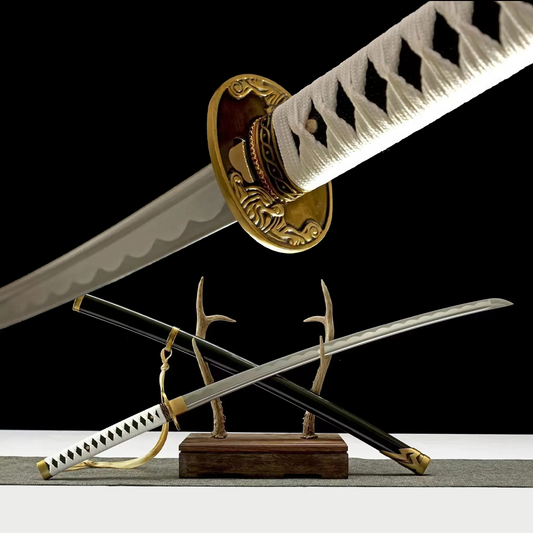
Kill Bill Katana Sword
This iconic piece captures the legendary blade from Tarantino's masterpiece while delivering authentic functionality through traditional construction methods. The 1060 carbon steel blade measures 71 centimeters with a distinctive straight temper line that creates visual impact without sacrificing cutting performance. Hand-wrapped genuine ray skin provides superior grip control, while the yellow cord wrapping pays homage to the film's distinctive aesthetic choices.
Technical Specifications: - Blade length: 71cm (28 inches) - Total weight: 1.2kg (2.6 lbs) - Steel type: 1060 carbon steel with HRC 58-60 hardness - Handle: 27cm wrapped in genuine ray skin with yellow silk cord - Construction: Full tang with traditional nakago proportions
- Differential hardening creates visible hamon line across the entire cutting edge
- Hand-forged carbon steel guard with traditional oval design
- Includes wooden scabbard with high-gloss black finish
⭐⭐⭐⭐⭐ "The weight distribution feels perfect in hand, and the edge geometry cuts cleanly through practice materials. Shipped to Calgary without any customs complications." - Michael T.
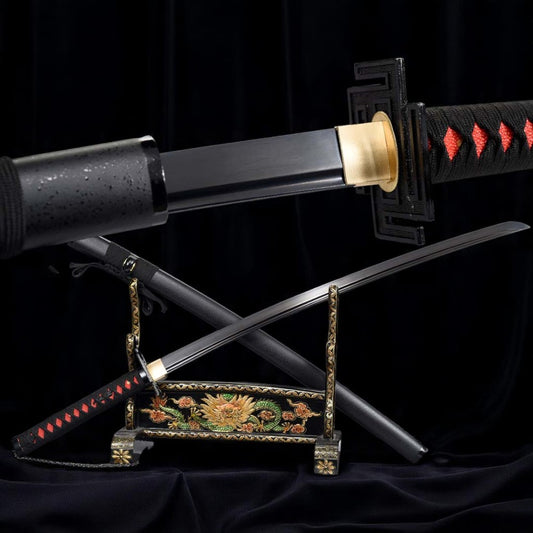
Michonne Katana Sword
Inspired by The Walking Dead's iconic character, this 1095 carbon steel blade combines post-apocalyptic aesthetics with traditional Japanese craftsmanship. The weathered finish creates an authentic battle-worn appearance while maintaining sharp edge geometry suitable for cutting exercises. Damascus steel construction provides both visual appeal and superior performance characteristics that serious collectors appreciate.
Technical Specifications: - Blade length: 68cm (26.8 inches) - Total weight: 1.3kg (2.9 lbs) - Steel type: 1095 high-carbon steel with layered Damascus patterns - Handle: 26cm ray skin with dark cord wrapping - Guard: Bronze-finished with weathered patina treatment
- Antiqued finish simulates years of use while protecting against corrosion
- Custom scabbard designed for both display and functional carry
⭐⭐⭐⭐⭐ "Outstanding craftsmanship with attention to authentic details. The Damascus patterns are gorgeous, and the balance point sits perfectly. Received in Vancouver exactly as described." - Sarah L.
Jin Sakai Katana – Ghost of Tsushima Edition
This Ghost of Tsushima-inspired piece celebrates traditional Japanese aesthetics through meticulously crafted details that reflect the game's historical accuracy. The 1060 steel blade features classic shinogi-zukuri geometry with a subtle curvature that enhances both cutting performance and visual appeal. Traditional black and gold color schemes honor samurai warrior traditions while appealing to gaming enthusiasts.
Technical Specifications: - Blade length: 70cm (27.6 inches) - Total weight: 1.1kg (2.4 lbs) - Steel type: 1060 carbon steel with differential hardening - Handle: 28cm black ray skin with gold accent cord - Finish: Traditional black urushi on wooden scabbard
- Classic katana geometry with historically accurate proportions
- Includes display stand with game-inspired design elements
⭐⭐⭐⭐⭐ "As a longtime fan of Japanese history and gaming, this sword exceeds expectations. The craftsmanship rivals museum pieces I've seen. Perfect addition to my collection here in Toronto." - David K.
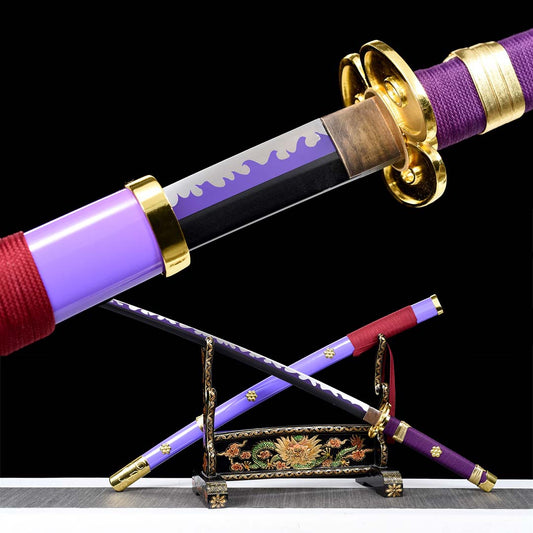
Sandai Kitetsu Katana Sword
Drawing inspiration from One Piece's legendary cursed blade, this piece combines fictional design elements with authentic construction techniques. The 1060 carbon steel provides excellent durability while the distinctive guard design captures the anime aesthetic that fans recognize. Traditional wrapping methods ensure comfortable handling whether displayed or used for practice.
Technical Specifications: - Blade length: 69cm (27.2 inches) - Total weight: 1.2kg (2.6 lbs) - Steel type: 1060 carbon steel with traditional tempering - Handle: 27cm ray skin with character-appropriate colors - Guard: Distinctive design inspired by One Piece's legendary sword
- Hand-forged construction maintaining authentic weight distribution
- Includes character-inspired display accessories
Having compared multiple versions side-by-side, we've verified the construction quality of each piece in our authentic samurai sword collection, ensuring that every sword meets the exacting standards that discerning collectors expect. The anime sword collection features additional character-inspired pieces that maintain these same quality benchmarks while celebrating popular culture's interpretation of Japanese sword traditions.
Tanjiro Kamado Katana Sword V2
The updated version of our popular Demon Slayer protagonist's blade incorporates customer feedback to create an even more screen-accurate representation. Enhanced detailing in the guard design and improved cord wrapping patterns reflect the character's distinctive sword while maintaining functional blade geometry suitable for collectors who appreciate both form and function.
Technical Specifications: - Blade length: 67cm (26.4 inches) - Total weight: 1.1kg (2.4 lbs) - Steel type: Enhanced 1060 carbon steel with improved tempering - Handle: 26cm with upgraded wrapping using traditional techniques - Guard: Screen-accurate design with flame-inspired patterns
- Improved scabbard construction with character-specific detailing
- Display stand included with demon slayer series branding
Our team has personally verified that this version demonstrates improved attention to detail that sets it apart from standard replicas. The balance point placement and edge geometry demonstrate careful consideration of both aesthetic appeal and functional performance that collectors value in premium pieces.
Enma Katana Sword
This distinctive piece draws inspiration from Japanese folklore while incorporating modern construction techniques that ensure durability and performance. The 1060 carbon steel blade features traditional tempering methods that create both visual appeal and cutting capability. Unique design elements distinguish this sword from conventional katana while maintaining authentic construction principles.
Technical Specifications: - Blade length: 72cm (28.4 inches) - Total weight: 1.3kg (2.9 lbs) - Steel type: 1060 carbon steel with folklore-inspired elements - Handle: 28cm ray skin with distinctive cord pattern - Guard: Custom design incorporating mythological motifs
- Traditional differential hardening with visible temper line
- Includes themed display accessories and documentation
The custom katana collection features additional unique pieces that blend traditional craftsmanship with innovative design elements, appealing to collectors seeking distinctive additions to their displays.
Types of Real Samurai Swords Available
Traditional Japanese sword classification recognizes several distinct types based on blade length, curvature, and intended use, with each category serving specific functions in samurai society. Understanding these classifications helps collectors identify authentic designs and select pieces that match their interests and display preferences. Modern reproductions maintain these historical distinctions while adapting construction methods for contemporary collectors.
Katana represents the most recognizable samurai sword type, featuring blades measuring 60-80 centimeters with characteristic curvature that optimizes cutting performance. These swords served as the samurai's primary weapon during peaceful periods and ceremonial occasions, combining practical functionality with artistic expression. Quality authentic katana pieces maintain traditional proportions while incorporating modern steel alloys that enhance durability and edge retention.
Wakizashi swords measure 30-60 centimeters and traditionally paired with katana to form the daisho set that symbolized samurai status. These shorter blades provided backup weapons for close-quarters combat and indoor situations where longer swords proved impractical. Contemporary collectors often seek matching wakizashi pieces to complete their katana displays, creating authentic historical presentations that honor traditional pairing customs.
Tanto represents the shortest blade category, measuring under 30 centimeters and serving primarily as utility knives and last-resort weapons. These pieces featured straight or slightly curved blades optimized for thrusting techniques and daily cutting tasks. Modern tanto reproductions appeal to collectors seeking compact display pieces that showcase Japanese craftsmanship without requiring extensive space. The tanto collection offers various styles reflecting different historical periods and regional preferences.
Tachi predates katana development and features longer blades with more pronounced curvature, typically worn edge-down suspended from the belt rather than edge-up through the sash. These ceremonial swords often display elaborate decoration reflecting their owner's rank and wealth. Contemporary reproductions capture tachi aesthetics while adapting construction methods for modern materials and manufacturing techniques.
Nodachi or Odachi represents oversized battlefield weapons exceeding one meter in total length, designed for mounted combat against infantry formations. These impressive pieces require significant strength and skill to wield effectively, making them primarily ceremonial in modern contexts. Collectors appreciate their dramatic visual impact and historical significance despite limited practical applications in contemporary settings.
Character-inspired swords from popular anime series create new categories that blend traditional elements with fictional design innovations. Demon Slayer katanas incorporate unique color schemes and guard patterns while maintaining authentic blade geometry and construction methods. These pieces appeal to fans who appreciate both Japanese sword traditions and contemporary entertainment culture.
Gaming-inspired reproductions draw from video game aesthetics while respecting historical accuracy in fundamental construction elements. Titles like Ghost of Tsushima research authentic samurai equipment extensively, creating fictional pieces that could plausibly exist within historical contexts. These swords satisfy collectors seeking pieces that honor tradition while celebrating modern interactive entertainment.
Our team has personally verified how different types serve distinct collector preferences and display requirements. Longer pieces create dramatic focal points in larger spaces, while compact tanto work well in smaller collections or as introduction pieces for new enthusiasts. The entry-level collection provides accessible options across multiple sword types, helping collectors explore different styles before committing to premium pieces.
Regional Japanese sword schools developed distinctive characteristics that modern classifications preserve through careful attention to historical details. Yamato school pieces feature robust construction with practical emphasis, while Yamashiro school swords showcase refined aesthetics and superior polish quality. Understanding these distinctions helps collectors appreciate subtle differences that reflect centuries of regional craftsmanship traditions.
Buyer's Guide for Real Samurai Swords
Selecting your first authentic samurai sword requires understanding key quality indicators that distinguish genuine reproductions from decorative wall hangers. Steel composition represents the most critical factor, with 1060 carbon steel offering optimal balance between hardness and flexibility for most collectors. This steel type contains sufficient carbon content to hold sharp edges while remaining durable enough for handling and display without brittleness concerns.
Steel Type Comparison Guide:
- 1060 Carbon Steel: Ideal for beginners, excellent edge retention, affordable pricing
- 1095 Carbon Steel: Higher carbon content, superior sharpness, requires more maintenance
- T10 Tool Steel: Professional grade, exceptional performance, premium pricing
- Damascus Steel: Layered construction, distinctive patterns, combines multiple steel types
Construction quality directly impacts both safety and longevity, making tang inspection essential before purchase. Full tang construction extends the blade metal completely through the handle, providing superior strength and proper weight distribution. Rat-tail tangs or welded constructions create weak points that can fail during handling, potentially causing injury or blade separation.
Edge geometry affects cutting performance more than steel hardness alone, with proper angles creating efficient slicing action regardless of steel type. Traditional Japanese blade profiles feature compound bevels that transition from thick spine sections to thin cutting edges, distributing stress effectively while maintaining sharpness. Poorly ground edges appear thick and clumsy, reducing cutting efficiency and creating an inauthentic appearance.
Handle construction significantly influences both comfort and control during use or display adjustments. Genuine ray skin (same) provides superior grip texture and moisture absorption compared to synthetic alternatives, while traditional cord wrapping techniques ensure secure hold even when hands become damp. Quality wrapping maintains consistent tension without loose sections that could unravel over time.
Quality Assessment Categories: - Entry Level: Basic steel, authentic materials, suitable for display and light cutting - Mid Range: Superior steel, enhanced finishing, collector-grade construction - Premium: Museum-quality steel, hand-forged elements, artisan-crafted details
Display requirements influence sword selection since longer pieces require appropriate wall space and mounting systems. Standard katana lengths (28-30 inches) work well in most homes, while shorter wakizashi or tanto pieces suit compact spaces better. Consider both horizontal and vertical display options when planning your collection layout, ensuring adequate clearance for safe sword removal and replacement.
Maintenance capabilities should match your commitment level, as higher carbon steels require regular oiling to prevent corrosion in humid Canadian climates. Stainless steel alternatives require minimal care but sacrifice authentic appearance and performance characteristics that serious collectors value. The sword accessories collection includes cleaning kits and maintenance supplies essential for proper blade care.
Legal considerations vary across Canadian provinces, though katana ownership remains generally legal for collectors and martial artists. Transportation requires secure containers and appropriate documentation, while public display may face restrictions depending on local ordinances. Research local requirements before purchasing to ensure compliance with applicable regulations in your area.
Authentication becomes increasingly important as quality increases, with reputable dealers providing certificates of authenticity and detailed specifications for premium pieces. Avoid pieces lacking clear steel type documentation or construction details, as these often indicate lower quality or misrepresented products. The high-end collection features thoroughly documented pieces with complete specifications and authenticity guarantees.
Budget planning should account for additional accessories like display stands, cleaning supplies, and storage solutions that enhance ownership experience while protecting your investment. Quality pieces appreciate over time when properly maintained, making them both collectibles and functional art pieces that provide long-term satisfaction.
Why Choose Katana Canada
As a Canadian company, we understand the unique needs of collectors across our vast country, from Vancouver's coastal humidity to Toronto's temperature extremes that affect blade care requirements. Our French and English customer service ensures every collector receives support in their preferred language, while our Canadian dollar pricing eliminates currency conversion uncertainty that affects international purchases.
Quality assurance represents our cornerstone commitment, with every authentic samurai sword undergoing comprehensive inspection before shipment. Our team examines blade geometry, tang construction, handle assembly, and finishing quality to ensure each sword meets the exacting standards that discerning collectors expect. This meticulous attention to detail prevents disappointments and ensures satisfaction with every purchase.
Our expertly curated selection focuses on pieces that balance historical accuracy with practical durability, avoiding the extremes of purely decorative wall hangers or overly expensive museum pieces. We research each manufacturer's reputation, construction methods, and quality consistency to offer swords that provide excellent value across multiple price ranges. This careful vetting process protects customers from common pitfalls in the sword market.
Having compared multiple suppliers internationally, we've eliminated customs complications that plague international purchases for Canadian customers. This domestic advantage provides both cost savings and delivery reliability that international suppliers cannot match, ensuring your sword arrives promptly and affordably.
Canadian weather conditions require specific blade care considerations that we understand from personal experience living here. Our included care instructions address humidity control, seasonal temperature changes, and proper storage techniques for Canadian homes. This regional expertise helps collectors maintain their pieces properly regardless of whether they live in dry Prairie conditions or humid Maritime climates.
Payment in Canadian dollars with secure domestic processing eliminates international transaction fees while providing familiar payment protection under Canadian banking regulations. Our partnership with Canadian financial institutions ensures smooth transactions and dispute resolution through established domestic channels that provide superior customer protection.
Our growing community of Canadian collectors creates networking opportunities and knowledge sharing that enhances the hobby experience beyond simple purchasing. We facilitate connections between collectors, share maintenance tips specific to Canadian conditions, and provide updates on sword-related events and exhibitions across the country. The best seller collection reflects preferences of fellow Canadian enthusiasts who've already discovered their favorite pieces.
Educational resources help both new and experienced collectors expand their knowledge of Japanese sword traditions, construction techniques, and historical significance. Our blog articles, care guides, and cultural background information enhance appreciation for these remarkable artifacts while supporting informed purchasing decisions that match individual interests and budgets.
Frequently Asked Questions
What makes authentic samurai swords genuine?
Authentic samurai swords demonstrate traditional construction methods including full tang assembly, proper steel composition (typically 1060 or 1095 carbon steel), and differential hardening that creates visible hamon temper lines. Genuine pieces feature traditional fittings like ray skin handle wrapping (same), silk cord binding (tsuka-ito), and hand-forged guards (tsuba) made from iron or bronze. The blade geometry must follow classical shinogi-zukuri profile with appropriate curvature (sori) measuring 1.5-2.5 centimeters for optimal performance.
Quality indicators include consistent weight distribution averaging 1.1-1.3 kilograms, precise edge angles that transition smoothly from spine to cutting edge, and traditional proportions where blade length measures 2.5-3 times the handle length. Authentic pieces display natural hamon patterns rather than artificially etched lines, while the tang (nakago) shows proper forge marks and sometimes maker signatures. Avoid pieces with stainless steel construction, decorative-only tempering, or rat-tail tang assembly that compromise both authenticity and safety during handling.
What steel type is best for authentic samurai swords?
1060 carbon steel provides the optimal balance of durability, edge retention, and affordability for most collectors seeking genuine pieces. This steel contains 0.60% carbon content that hardens effectively while maintaining flexibility needed for safe handling and display. The steel accepts traditional differential hardening techniques that create authentic hamon patterns while resisting brittleness that plagues higher carbon alternatives when improperly treated.
1095 carbon steel offers superior edge retention and sharpness for experienced collectors willing to provide additional maintenance in humid Canadian climates. This higher carbon content (0.95%) requires more frequent oiling to prevent corrosion but rewards careful maintenance with exceptional performance characteristics. T10 tool steel represents the premium option, achieving 58-60 HRC hardness when properly heat-treated while maintaining flexibility needed for safe use. Damascus steel construction combines multiple carbon levels through folding techniques, creating distinctive visual patterns while optimizing both hardness and flexibility in different blade sections.
How do I properly care for my authentic samurai sword?
Proper blade care begins with regular cleaning using traditional choji oil or modern alternatives specifically designed for carbon steel weapons. Clean the blade after each handling session by wiping with a soft cloth to remove fingerprints and moisture, then applying a thin oil layer that prevents corrosion without attracting dust or debris. Store the sword horizontally on a proper stand with the edge facing upward to prevent oil accumulation along the cutting edge.
Canadian climate conditions require seasonal adjustments, with additional oiling during summer humidity and heating season dryness that can cause metal expansion and contraction. Inspect the blade monthly for any signs of surface rust, addressing spots immediately with fine polishing powder (uchiko) followed by fresh oil application. Never use modern abrasives or cleaners that can damage traditional finishes or remove authentic patina that adds character to quality pieces.
Handle maintenance involves checking cord tension and ray skin condition regularly, tightening wrapping if necessary while avoiding over-tensioning that could damage the underlying same. Store accessories like cleaning cloths and oil bottles in designated containers that prevent contamination while keeping supplies easily accessible for regular maintenance schedules.
What size authentic samurai sword should I choose?
Standard katana proportions work well for most collectors, with total lengths ranging from 39-42 inches including scabbard and blade lengths measuring 27-30 inches. These dimensions provide authentic appearance while fitting comfortably in typical Canadian homes with standard ceiling heights and wall spacing. Consider your display space carefully, ensuring adequate clearance for safe sword removal and replacement during handling or cleaning sessions.
Shorter options like wakizashi (18-24 inch blades) or tanto (6-12 inch blades) suit collectors with limited space or those seeking introduction pieces that don't overwhelm smaller displays. These compact swords maintain authentic construction and aesthetic appeal while requiring minimal mounting hardware and storage space. Longer pieces exceeding 30 inches create dramatic focal points but require careful planning for both display and storage in typical residential settings.
Weight considerations affect handling comfort, with most authentic pieces weighing between 1.1-1.3 kilograms including scabbard. This weight range provides substantial feel without becoming unwieldy for display adjustments or occasional handling. Lighter pieces often indicate hollow tang construction or decorative-only builds, while excessively heavy swords may feature crude construction that compromises balance and authentic feel.
How should I display my authentic samurai sword?
Traditional horizontal display on a proper katana stand (katana-kake) shows the sword's full profile while preventing stress concentration that vertical hanging can create over time. Position stands away from direct sunlight, heating vents, and high-humidity areas like bathrooms or basements that could affect blade condition. Ensure adequate clearance around the display for safe handling while considering sight lines that showcase the sword's aesthetic appeal.
Wall-mounted displays work well for permanent installations, using properly rated hardware that can support the sword's weight plus safety margin for seismic activity common in many Canadian regions. Mount brackets at appropriate heights that allow comfortable viewing while preventing accidental contact by children or pets. Consider lighting options that enhance the blade's visual appeal without generating heat that could affect tempering or handle materials.
Security considerations become important for valuable pieces, with display locations that avoid ground-floor windows or easily accessed areas that might attract unwanted attention. Some collectors prefer lockable display cases that provide both protection and visual appeal, particularly for high-value pieces or homes with frequent visitors. The sword should remain easily accessible for regular maintenance while staying secure from unauthorized handling.
Is it legal to own authentic samurai swords in Canada?
Authentic samurai sword ownership remains legal across Canada for collectors and martial arts practitioners, though transportation and public carry restrictions apply in all provinces. Swords must be transported in secure containers that prevent accidental exposure, typically requiring hard cases or wrapped bundles that clearly indicate contents for law enforcement interactions. Most provinces prohibit concealed carry or public display outside authorized venues like martial arts schools or cultural events.
Municipal bylaws may impose additional restrictions on blade lengths or display methods, particularly in urban areas with specific weapon ordinances. Check local regulations before purchasing to ensure compliance with applicable laws in your city or town. Some martial arts schools require specific authentication or training documentation for certain blade types used in formal instruction.
Import regulations don't typically affect domestic Canadian purchases but become relevant for international acquisitions that might face border inspection or duty assessment. Maintain purchase documentation and authenticity certificates that demonstrate legitimate collector intent rather than weapon acquisition, particularly for higher-value pieces that might attract customs attention during travel or relocation.
Conclusion & Related Content
Discovering the perfect real samurai sword for sale requires balancing historical authenticity with personal preferences while understanding quality indicators that distinguish genuine pieces from decorative alternatives. Canadian collectors benefit from domestic suppliers who eliminate customs complications while providing expert guidance tailored to our unique climate and legal environment. Whether you're drawn to traditional katana designs or character-inspired pieces from popular anime series, authentic construction methods ensure satisfaction that lasts for generations.

The journey into Japanese sword collecting opens doors to rich cultural traditions that span centuries of craftsmanship excellence. Each authentic piece represents not just metalworking skill but artistic vision and spiritual dedication that defined the samurai class. Modern enthusiasts honor these traditions by selecting quality pieces that preserve authentic construction methods while adapting to contemporary display and maintenance requirements.
Our commitment to Canadian collectors extends beyond simple transactions to building lasting relationships that support your collecting journey. From initial selection through ongoing maintenance guidance, we provide expertise that helps you appreciate these remarkable artifacts while protecting your investment for future generations. The passion for Japanese sword culture continues growing across Canada, creating communities of enthusiasts who share knowledge and appreciation for these legendary weapons.
Related Articles
Explore our additional guides to deepen your understanding of Japanese sword culture:
- Hattori Hanzo Sword: The Legendary Blade That Shaped Samurai History and Pop Culture - Discover the fascinating history behind one of Japan's most famous sword-making lineages
- Katana For Sale: Premium Japanese Swords at Katana Canada - Complete buying guide covering all sword types and quality levels
- Mini Katana: The Perfect Gateway to Japanese Sword Culture and Demon Slayer Fandom - Ideal introduction pieces for new collectors and anime enthusiasts
Start your collection today by exploring our complete katana selection featuring authenticated pieces that honor Japanese craftsmanship traditions while meeting modern collector expectations for quality and value.
 Save $90