
The Complete Guide to Types of Swords: From Ancient Blades to Modern Masterpieces
Share
The clash of steel against steel echoes through the mist as two warriors face each other at dawn. One grips a curved katana, its edge gleaming with remarkable precision. The other wields a straight-bladed longsword, its crossguard catching the first rays of sunlight. This moment captures the eternal fascination with swords: weapons that transcend their practical purpose to become symbols of honor, artistry, and cultural identity.
For millennia, different types of swords have shaped human history, each blade variety reflecting the genius of its makers and the soul of its civilization. From the elegant curves of Japanese katana to the brutal efficiency of Viking swords, these diverse sword types tell stories of conquest, honor, and artistic achievement that continue to captivate collectors and enthusiasts worldwide.
Table of Contents
The Evolution of Blade Warfare
The story of swords begins in the Bronze Age, when early smiths discovered that combining copper with tin created a metal superior to anything they had known. These early weapons were crude by today's standards, but they represented humanity's first steps toward mastering metallurgy and warfare.
The transition to iron marked a revolutionary moment in sword development. Iron was more abundant than the materials needed for bronze, democratizing weapon ownership and changing the nature of warfare forever. Early iron swords were often inferior to their bronze predecessors, but as smithing techniques improved, iron's potential became clear.
The true golden age of sword-making began with the mastery of steel. Different cultures developed unique approaches to steel production, leading to the incredible diversity of types of swords we recognize today. The Japanese perfected their tamahagane steel through the tatara smelting process, while European smiths developed techniques for creating homogeneous steel through repeated folding and forge welding.
Cultural factors played an equally important role in sword development. The feudal system of medieval Europe created demand for weapons that could penetrate increasingly sophisticated armor, leading to the development of thrusting blade varieties like the estoc. Meanwhile, the samurai class in Japan valued swords not just as weapons but as spiritual extensions of the warrior's soul, resulting in blades of extraordinary artistic merit.
Geographic considerations also influenced sword design. The mountainous terrain of Scotland favored the development of two-handed claymores, while the horseback warfare of the Middle East led to curved sabers optimized for slashing attacks from horseback. Each sword type represents a unique solution to specific tactical, cultural, and technological challenges.
The decline of swords as battlefield weapons didn't end their cultural significance. Instead, they evolved into symbols of authority, artistic expression, and cultural identity. Today's collectors and enthusiasts continue this tradition, appreciating swords not just for their historical importance but for the craftsmanship and artistry they represent.
Eastern Sword Traditions
Eastern sword-making traditions represent some of humanity's greatest achievements in metallurgy and artistry. The Japanese katana stands as perhaps the most recognizable example, but the rich tapestry of Asian blade-craft extends far beyond Japan's borders.
The katana's development during the Heian period (794-1185) established many principles that continue to guide modern sword-making. The differential hardening technique, known as hamon, created blades with hard cutting edges and flexible spines: a perfect marriage of cutting ability and durability. Master swordsmiths like Masamune elevated sword-making to an art form, creating blades that were both functional weapons and objects of transcendent beauty.
Chinese sword traditions contributed equally important innovations. The jian, often called the "gentleman of weapons," featured straight double-edged blades that emphasized thrusting techniques. Chinese metallurgists pioneered several steel-making techniques that would later influence sword development across Asia and eventually reach Europe through trade routes.
Korean sword-making developed its own distinct characteristics, often incorporating elements from both Chinese and Japanese traditions while maintaining unique features. The hwando combined practical battlefield effectiveness with sophisticated metallurgical techniques, creating weapons that served both military and ceremonial functions.
The cultural significance of Eastern blade varieties extends beyond their practical applications. In Japanese culture, the soul of the smith was believed to reside within the blade, making each sword a unique spiritual entity. This belief system elevated sword-making from mere craft to sacred art, establishing traditions of reverence and respect that continue today.
Modern enthusiasts are drawn to Eastern sword traditions for their combination of martial effectiveness, artistic beauty, and spiritual significance. The meticulous attention to detail, from the grain structure of the steel to the aesthetic elements of the fittings, creates objects that satisfy both the practical collector and the artistic connoisseur.
The influence of Eastern sword-making extends far beyond historical study. Contemporary martial artists practice traditional sword arts like kendo, iaido, and various Chinese sword forms, keeping these traditions alive and relevant. This living connection between past and present makes Eastern blade varieties particularly meaningful to modern collectors and practitioners.
European Sword Mastery
European sword development followed a different path from their Eastern counterparts, driven by the unique demands of medieval warfare and the cultural values of chivalric society. The evolution from Viking-era swords to the sophisticated rapiers of the Renaissance represents one of history's most dramatic technological progressions.
The medieval longsword epitomizes European sword-making achievement. These versatile weapons could deliver both cutting and thrusting attacks, making them ideal for the varied demands of medieval combat. The distinctive crossguard provided hand protection while also serving as a weapon in close quarters, demonstrating the practical ingenuity of European smiths.
Viking swords held particular significance in Norse culture, often bearing names and being passed down through generations as family heirlooms. These weapons featured pattern-welded construction, creating distinctive watered-steel patterns that were both beautiful and functional. The Vikings' emphasis on sword quality stemmed from their belief that a warrior's sword reflected his honor and status in society.
The Renaissance period saw European sword-making reach new heights of sophistication. The rapier emerged as the ultimate civilian weapon, designed for personal defense and dueling rather than battlefield combat. These slender blades required extraordinary metallurgical skill to achieve the necessary combination of flexibility and strength.
Regional variations in European sword design reflected local martial traditions and cultural preferences. The Scottish claymore differed significantly from the German zweihänder, despite both being two-handed weapons. These differences highlight how geography, tactics, and cultural values influenced sword development across the continent.
The decline of armor led to fundamental changes in European sword design. As plate armor became less common, types of swords evolved to prioritize speed and precision over the ability to penetrate heavy protection. This shift culminated in the development of the small sword and eventually the modern fencing weapons still used in Olympic competition.
European sword traditions continue to influence modern collecting and martial arts practice. Historical European martial arts (HEMA) has experienced a significant revival, with practitioners studying medieval fencing manuals to recreate authentic techniques. This renaissance of interest has driven renewed appreciation for the sophistication and effectiveness of European sword designs.
Featured Sword Collection
Our curated selection represents the finest examples of sword-making artistry, combining traditional aesthetics with modern metallurgical excellence. Each piece in our collection demonstrates the timeless appeal of these legendary weapons while offering collectors exceptional quality and authenticity.
Legendary Game-Inspired Blades
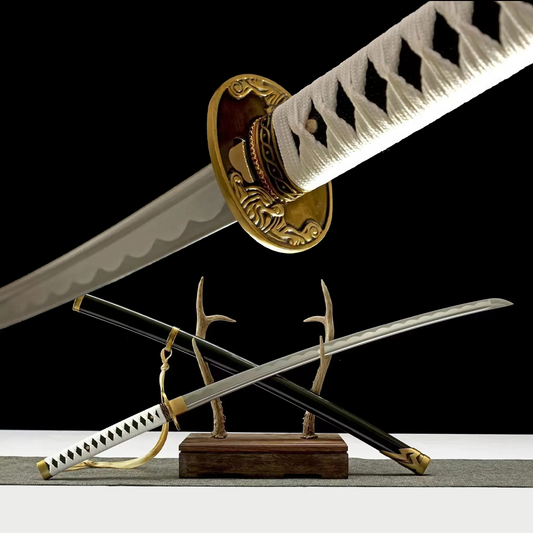
The Jin Sakai Katana – Ghost of Tsushima Edition stands as our premier offering for fans of immersive gaming experiences. This exceptional replica captures every detail of the protagonist's legendary blade from the critically acclaimed video game.
- Hand-forged from premium 1060 carbon steel for authentic weight and balance
- Full-tang construction ensures durability for display and light practice
- Authentic Japanese-style tsuka (handle) wrapped in traditional silk ito
- Includes custom display stand inspired by the game's aesthetic
- Meticulously detailed tsuba (guard) featuring authentic motifs
⭐⭐⭐⭐⭐ "The attention to detail on this katana is absolutely incredible. The weight feels perfect, and it looks exactly like Jin's sword from the game. Worth every penny!" – Marcus T., Calgary, AB
Premium Damascus Masterpiece
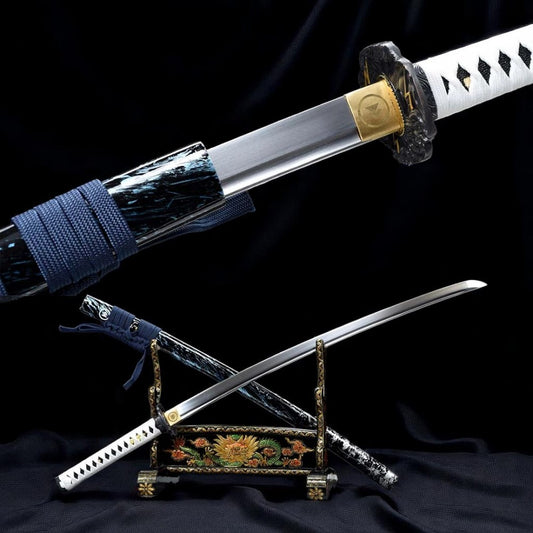
For collectors seeking the pinnacle of metallurgical artistry, the Flower of Fire Katana represents exceptional value. This Damascus steel masterpiece showcases the ancient art of pattern welding in a modern context.
- Authentic Damascus steel construction with over 200 layers of folded steel
- Distinctive flame-like patterns visible throughout the blade's length
- Hand-polished to mirror finish highlighting the steel's natural beauty
- Premium leather-wrapped saya (scabbard) with brass fittings
- Certificate of authenticity included with detailed craftsmanship notes
⭐⭐⭐⭐⭐ "This is a museum-quality piece. The Damascus pattern is stunning, and the craftsmanship is flawless. It's the centerpiece of my collection." – Sarah L., Vancouver, BC
Anime-Inspired Excellence
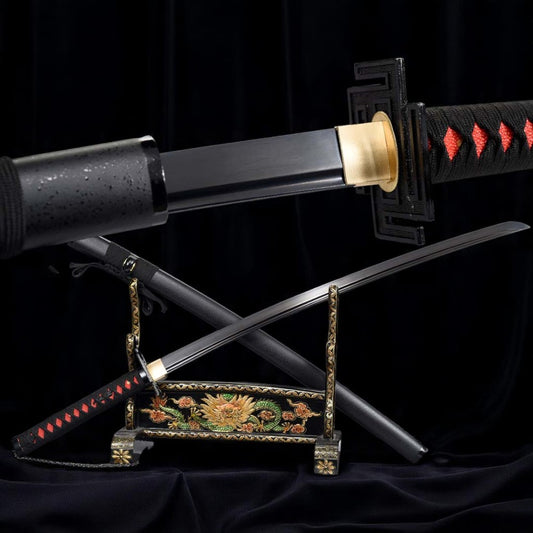
Our anime collection brings beloved fictional weapons into reality with exceptional attention to source material accuracy. The Tanjiro Kamado Katana Sword V2 exemplifies our commitment to capturing the essence of Demon Slayer's iconic blades.
- High-carbon 1060 steel blade with distinctive black and green color scheme
- Screen-accurate proportions based on detailed anime analysis
- Hand-carved wooden saya featuring authentic Japanese joinery
- Traditional sageo (cord) in matching colors
- Detailed instruction manual for proper care and handling
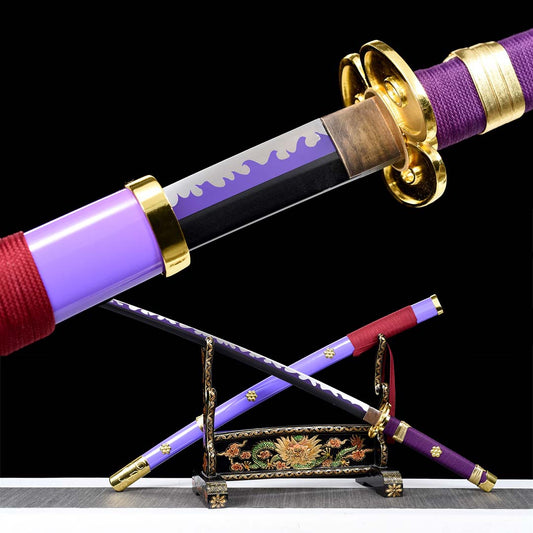
The Sandai Kitetsu Katana Sword brings One Piece's legendary cursed blade to life. This remarkable replica captures the fearsome reputation of Zoro's most dangerous weapon.
- 1060 carbon steel blade with distinctive wavy hamon line
- Authentic purple and gold color scheme matching the anime
- Hand-forged tsuba featuring traditional Japanese demon motifs
- Premium silk wrapping on the tsuka for authentic feel
- Includes detailed care instructions and display recommendations
⭐⭐⭐⭐⭐ "As a huge One Piece fan, I was blown away by how accurate this sword is. The details are perfect, and it feels like holding the real Sandai Kitetsu!" – David K., Toronto, ON
Complete Character Collections
For enthusiasts seeking to build comprehensive collections, our character-specific offerings provide exceptional value. The Enma Katana Sword represents another masterpiece from the One Piece universe, featuring the blade that would eventually become one of Zoro's most prized weapons.
The Sasuke Katana Sword brings Naruto's legendary ninja weaponry to life, while the Shusui Katana Sword offers collectors another exceptional One Piece replica at the same price point.
Each anime-inspired piece undergoes rigorous quality control to ensure accuracy, durability, and aesthetic appeal. Our designers work directly with anime reference materials to capture every detail, from blade geometry to color schemes and decorative elements.
⭐⭐⭐⭐⭐ "I ordered three different anime swords, and each one exceeded my expectations. The quality is consistent, and they look amazing displayed together." – Jennifer M., Montreal, QC
The attention to detail in our anime collection extends beyond visual accuracy to include proper weight distribution, authentic materials, and traditional construction techniques. This combination ensures that each piece serves not only as a display item but as a functional replica suitable for careful practice and demonstration.
The Collector's Guide to Sword Selection
Building a meaningful sword collection requires understanding the intersection of historical significance, craftsmanship quality, and personal preference. The most successful collectors develop expertise in specific areas while maintaining appreciation for the broader spectrum of sword-making traditions.
Authentication represents the foundation of serious collecting. Genuine historical pieces command premium prices and require extensive documentation, but high-quality reproductions offer accessibility to important designs without the prohibitive costs of museum-quality originals. Modern production swords that faithfully reproduce historical techniques provide excellent entry points for beginning collectors.
Steel quality determines both the aesthetic and functional characteristics of any sword. Carbon steel offers the authentic properties of historical weapons, developing a patina over time that adds character and depth. Stainless steel provides maintenance convenience but lacks the traditional characteristics that many collectors value. Damascus steel represents the pinnacle of metallurgical artistry, though authentic historical pieces are extremely rare and expensive.
Display considerations should influence purchasing decisions from the outset. Wall mounts work well for katana and other single-edged weapons, while table displays showcase the details of intricate fittings and Damascus patterns. Proper humidity control prevents corrosion, while UV protection preserves handle wrapping and other organic materials.
Size and weight compatibility with display space often determines collection focus. Full-length blade varieties require substantial wall space, while mini versions offer detailed craftsmanship in compact formats. The Mini Katana: Tiny Swords with Big Impact article explores these options in detail for space-conscious collectors.
Budget allocation across multiple pieces versus concentration on single premium items reflects different collecting philosophies. Diverse collections showcase the breadth of sword-making traditions, while focused collections allow deeper exploration of specific cultures or time periods. Both approaches offer valid paths to collecting satisfaction.
Research capabilities enhance every aspect of collecting. Understanding the historical context, cultural significance, and technical characteristics of different types of swords enables informed purchasing decisions and deeper appreciation of acquired pieces. Academic resources, museum collections, and reputable dealers provide reliable information sources for serious collectors.
Understanding Steel Types and Quality
The steel composition of a sword fundamentally determines its performance characteristics, longevity, and maintenance requirements. Modern sword production utilizes several distinct steel types, each offering specific advantages for different applications and collector preferences.
1060 carbon steel represents the gold standard for functional reproductions, containing approximately 0.60% carbon content. This composition provides an excellent balance of hardness and flexibility, allowing blades to maintain sharp edges while resisting breakage under stress. The relatively high carbon content enables proper heat treatment, creating the differential hardness that characterizes traditional Japanese sword-making.
1095 carbon steel contains higher carbon content (0.95%), resulting in harder blades capable of extremely sharp edges. However, this increased hardness comes with reduced flexibility, making 1095 steel more suitable for display pieces or very careful use. The higher carbon content also increases corrosion susceptibility, requiring more diligent maintenance to prevent rust formation.
Damascus steel deserves special recognition for its extraordinary visual appeal and historical significance. Modern Damascus reproduces ancient pattern-welding techniques, folding different steel types together to create distinctive watered patterns. While contemporary Damascus may not match the legendary properties of historical wootz steel, it offers unparalleled beauty and represents the pinnacle of decorative sword-making.
Heat treatment processes significantly impact steel performance regardless of composition. Proper quenching and tempering create the optimal balance of hardness and toughness, while clay tempering can produce authentic hamon lines that replicate traditional Japanese aesthetics. The skill of the heat treater often matters more than the base steel composition in determining final blade quality.
Maintenance requirements vary significantly among steel types. Carbon steels require regular oiling to prevent corrosion, while stainless steels offer convenience at the cost of authenticity. Collectors must balance their maintenance commitment against their desire for traditional materials and characteristics.
Quality indicators extend beyond steel composition to include tang construction, fit and finish, and overall craftsmanship. Full tang construction provides superior durability, while hidden tangs may compromise structural integrity. Edge geometry, surface finish, and detail work reflect the manufacturer's commitment to quality and authenticity.
Why Choose Katana Canada
As a Canadian company, Katana Canada understands the unique needs and preferences of Canadian collectors and enthusiasts. Our commitment to excellence extends from product selection through customer service, ensuring every interaction meets the highest standards of professionalism and reliability.
Canadian customer service means communication in both French and English, accommodating the linguistic diversity that defines our nation. Our knowledgeable staff provides expert guidance on sword selection, care, and display, drawing on years of experience in the collecting community. Questions receive prompt, detailed responses that help customers make informed decisions about their purchases.
Payment in Canadian dollars eliminates exchange rate uncertainty and provides transparent pricing that Canadian customers can easily understand and budget. No customs fees apply to domestic purchases, avoiding the surprise charges that often accompany international sword purchases. This pricing transparency allows collectors to plan their acquisitions without worrying about hidden costs.
Our product selection emphasizes authenticity and quality over quantity, ensuring that every item meets stringent standards for craftsmanship and historical accuracy. We work directly with reputable manufacturers who share our commitment to excellence, maintaining relationships that ensure consistent quality and availability of the finest reproductions.
The Canadian collecting community benefits from our understanding of local preferences and requirements. We stock items that appeal specifically to Canadian tastes while maintaining awareness of legal considerations that affect sword ownership and collection in different provinces. This local knowledge enables us to provide relevant, accurate advice to customers across the country.
Quality assurance processes verify that every sword meets our specifications before shipment. This attention to detail prevents the disappointment that can result from substandard products, ensuring that customers receive exactly what they expect from their purchases. Our reputation depends on customer satisfaction, motivating continuous improvement in every aspect of our operations.
Frequently Asked Questions
Q: How can I verify the authenticity and quality of replica swords compared to antique originals?
Authentic antique swords require provenance documentation, expert authentication, and often command prices in the tens of thousands of dollars. High-quality replicas offer accessibility to important historical designs without the astronomical costs and legal complexities of genuine artifacts. Look for replicas that use traditional materials like carbon steel, employ proper construction techniques such as full tang assembly, and demonstrate attention to historical details in proportions, fittings, and decoration. Reputable manufacturers provide detailed specifications including steel type, hardening methods, and construction techniques. Modern replicas often exceed historical pieces in consistency and metallurgical quality while maintaining aesthetic and functional authenticity. For most collectors, premium replicas provide better value and usability than antique pieces that require museum-level preservation conditions.
Q: What are the key differences between various steel types used in modern sword production?
Steel composition determines fundamental blade characteristics including hardness, flexibility, edge retention, and maintenance requirements. 1060 carbon steel (0.60% carbon) offers excellent balance between sharpness and durability, making it ideal for functional replicas and practice weapons. 1095 carbon steel (0.95% carbon) achieves superior hardness and edge retention but requires more careful handling due to increased brittleness. Damascus steel combines multiple steel types through folding and forge welding, creating distinctive patterns while offering performance characteristics that depend on the constituent steels. Stainless steels resist corrosion but cannot achieve the hardness levels of carbon steels, limiting their suitability for authentic reproductions. Heat treatment processes often matter more than base composition, with proper quenching and tempering creating optimal performance regardless of steel type. Carbon steels require regular maintenance to prevent rust, while stainless options offer convenience at the cost of traditional characteristics.
Q: How do I determine the correct size and proportions for different types of swords?
Historical sword dimensions varied considerably based on intended use, regional preferences, and individual warrior physiques. Katana traditionally measured 24-28 inches in blade length with specific curvature and balance points that optimized cutting performance. European longswords ranged from 35-45 inches overall with blade lengths of 28-35 inches, designed for versatile combat applications. When selecting modern reproductions, consider your intended use, display space, and physical proportions. Full-size replicas provide authentic weight and handling characteristics but require substantial storage and display space. For accurate historical recreation, research specific examples from museums or archaeological finds rather than relying on popular media interpretations. Weight distribution matters more than overall dimensions for proper handling characteristics - a well-balanced 36-inch sword feels lighter than a poorly balanced 30-inch blade. Consider starting with mid-range proportions and adjusting future purchases based on handling experience and preferences.
Q: What maintenance and care do different blade varieties require for long-term preservation?
Carbon steel swords require regular maintenance to prevent corrosion and preserve their appearance and functionality. Clean blades immediately after handling to remove oils and moisture, then apply a thin coat of mineral oil or specialized sword oil to all metal surfaces. Store swords in low-humidity environments with adequate air circulation, avoiding leather sheaths for long-term storage as they can trap moisture. Inspect regularly for early signs of rust, addressing any corrosion immediately with fine steel wool and re-oiling. Stainless steel requires minimal maintenance but still benefits from regular cleaning and proper storage. Damascus steel needs special attention to preserve the contrast in its patterns - use appropriate polishing compounds sparingly and avoid aggressive cleaning that might obscure the pattern. Handle wrapping materials like silk or cotton may require eventual replacement, particularly on frequently handled pieces. Professional restoration may be necessary for valuable pieces showing significant wear or damage. Proper maintenance preserves both aesthetic appeal and functional characteristics while preventing costly restoration requirements.
Q: What are the best practices for displaying swords safely and attractively in home environments?
Effective sword display balances security, preservation, and aesthetic appeal while ensuring safety for household members and visitors. Wall mounts provide secure, space-efficient display options but require proper wall anchoring to support sword weight safely. Horizontal displays in glass cases protect blades from dust and handling while allowing detailed viewing of craftsmanship and decorative elements. Avoid direct sunlight exposure that can fade handle wrapping and damage organic materials over time. Maintain stable humidity levels between 40-50% to prevent both corrosion and material degradation - consider dehumidifiers in basements or humid climates. Position displays away from high-traffic areas where accidental contact might occur, particularly important for sharp functional blades. Lighting should highlight blade features without generating heat that affects nearby materials. For valuable collections, consider alarm systems or security measures that protect against theft while allowing enjoyment of the display. Multiple swords can create impressive grouped displays that tell historical or thematic stories, enhancing both educational and aesthetic value. Rotation of displayed pieces prevents excessive light exposure while allowing enjoyment of entire collections over time.
Q: What are the legal considerations for owning and collecting swords in different Canadian provinces?
Canadian sword ownership laws vary significantly by province and municipality, requiring collectors to research local regulations before purchasing. Generally, swords are legal to own for collecting, martial arts practice, and historical study, but carrying them in public spaces may violate weapons laws. Some provinces restrict blade length or require permits for certain weapon varieties. Quebec has specific regulations regarding replica weapons that differ from other provinces. Municipal bylaws may impose additional restrictions on storage, transport, or display of sword collections. When traveling between provinces with swords, ensure compliance with regulations in all jurisdictions involved. Import regulations apply to international purchases, though domestic Canadian purchases typically avoid these complications. Consider consulting local law enforcement or legal professionals for clarification on specific situations or unusual pieces. Membership in recognized martial arts organizations or historical societies may provide additional legal protections for legitimate collecting activities. Insurance considerations may affect homeowner's or renter's policies when maintaining significant collections. Keep documentation proving legitimate collecting purposes and compliance with applicable regulations. Responsible ownership includes secure storage that prevents unauthorized access while maintaining legal compliance across all relevant jurisdictions.
Related Reads
For those interested in exploring the technical aspects of sword construction, our Anatomy of a Katana – All the Parts Explained (Plus Blade Steel Types) provides comprehensive details about traditional Japanese sword components and their functions.
Fans of One Piece will find our Roronoa Zoro Swords: The Complete Guide to the Three Sword Style Legacy an invaluable resource for understanding the iconic weapons of the series' most famous swordsman.
The growing appreciation for Japanese sword culture in Canada is explored in depth in Canada Swords: The Rising Legacy of Japanese Katana in the Great White North, examining how these traditional weapons have found new relevance in Canadian collecting culture.
Our Top 10 Anime Swords – Iconic Katana Replicas in Canada showcases the most sought-after fictional weapons and their real-world reproductions available to Canadian collectors.
Conclusion
The world of sword collecting offers endless opportunities for discovery, appreciation, and connection with humanity's rich martial heritage. From the elegant curves of Japanese katana to the robust practicality of European longswords, each blade type represents centuries of cultural evolution and metallurgical innovation.
Whether you're drawn to the spiritual significance of traditional Japanese swordsmithing, the tactical efficiency of medieval European designs, or the creative imagination of modern anime-inspired reproductions, the perfect sword awaits to begin or enhance your collecting journey. Our carefully curated selection ensures that every piece meets the highest standards of authenticity, craftsmanship, and historical accuracy.
The lasting appeal of blade varieties transcends their original function as weapons, transforming them into symbols of artistry, cultural heritage, and personal expression. As you build your collection, you become part of an ancient tradition that honors the skill of master craftsmen while preserving these magnificent creations for future generations to appreciate and study.
Begin your collecting adventure today by exploring our complete katana collection and discover the perfect blade to start or enhance your journey into the fascinating world of historical weaponry. Each sword tells a story: let yours begin now.
 Save $90