
Japanese Sword Oil Maintenance: Complete Care Guide 2026
Based on our hands-on testing with traditional oil maintenance techniques for Japanese swords, proper blade care forms the foundation of authentic Japanese sword ownership. Traditional katana maintenance requires specific oils, techniques, and timing to preserve both functionality and aesthetic beauty. This comprehensive guide explores every aspect of caring for your blade collection, from historical preservation methods to modern application techniques.
The art of maintaining Japanese swords with oil traces back over 1,000 years, when samurai warriors depended on their blades for survival. Master swordsmiths developed specific oil formulations using natural ingredients like choji oil (clove oil) mixed with refined camellia oil. These traditional formulas prevent rust, maintain steel flexibility, and preserve the distinctive hamon temper line that defines authentic Japanese craftsmanship.
Today's sword enthusiasts—whether collecting authentic katana swords or maintaining anime-inspired replicas—benefit from centuries of refined maintenance wisdom. Proper oiling protects carbon steel from moisture damage while enhancing the blade's natural beauty. Regular maintenance also preserves investment value, ensuring your collection remains pristine for generations.

Table of Contents
- History & Origins of Japanese Sword Oil Maintenance
- Essential Oil Types and Traditional Formulations
- Our Sword Maintenance Product Collection
- Step-by-Step Sword Oiling Process
- Buyer's Guide for Sword Oil Maintenance
- Why Choose Katana Canada for Sword Care
- Frequently Asked Questions & Maintenance Tips
History & Origins of Japanese Sword Oil Maintenance
The tradition of using oil to maintain Japanese swords originated during the Heian period (794-1185), when Japanese swordsmiths began refining techniques inherited from Chinese metallurgy. Ancient sword polishers, known as togi-shi, developed specialized oil blends to protect newly finished blades from Japan's humid climate. These craftsmen recognized that different steel compositions required unique preservation approaches.
Early samurai learned that blade maintenance could mean the difference between life and death in battle. Warriors carried small containers of choji oil mixed with camellia oil, applying thin coats after cleaning blood and debris from their weapons. Historical records from the Kamakura period describe detailed maintenance rituals performed before important battles, treating sword care as both practical necessity and spiritual practice.
The most significant development came during the Muromachi period, when master polisher Myoju established standardized oiling techniques still used today. His methods emphasized using natural plant-based oils that wouldn't interfere with the steel's molecular structure. Traditional Japanese swordsmithing techniques evolved to include specific oil application patterns that enhanced rather than obscured the hamon line.
Edo period sword schools codified maintenance practices into formal curricula, teaching students proper oil selection, application timing, and storage methods. Different regions developed variations—Yamashiro school practitioners preferred lighter camellia oil applications, while Yamato school adherents used heavier choji-based formulations. These regional preferences influenced modern maintenance approaches, with contemporary collectors often choosing oils based on their blade's traditional lineage.
In our experience handling similar replicas, the historical emphasis on consistent maintenance schedules remains crucial for modern collectors. Whether caring for traditional katana designs or contemporary custom pieces, understanding these historical foundations helps collectors develop effective maintenance routines. The wisdom of ancient sword polishers proves remarkably applicable to today's carbon steel blades.
Essential Oil Types and Traditional Formulations
Understanding different oil types revolutionizes your approach to caring for Japanese sword blades with oil. Traditional formulations center around two primary base oils: choji (clove) oil and tsubaki (camellia) oil. Each offers distinct properties that serve specific preservation needs, from rust prevention to aesthetic enhancement.
Choji oil, derived from clove flower buds, provides superior rust inhibition through natural eugenol compounds. This brownish oil penetrates carbon steel microscopic pores, creating a protective barrier against moisture infiltration. Master sword polishers prized choji oil for its stability—properly applied coats remain effective for months without reapplication. The oil's aromatic properties also deterred insects that might damage wooden scabbards or silk wrappings.
Camellia oil offers different advantages, particularly for display pieces and high-carbon steel blades. This clear, odorless oil won't discolor white steel (shiro-hagane) or interfere with delicate hamon patterns. Camellia oil absorbs quickly, leaving minimal residue that could attract dust or lint. Many collectors prefer camellia oil for blades displayed in open environments, where visual clarity takes precedence over maximum protection.
Modern synthetic oils provide consistent performance but lack the traditional authenticity many collectors value. Mineral oils offer excellent rust protection and won't turn rancid like plant-based alternatives. However, synthetic formulations may interact unpredictably with traditional steel treatments like clay tempering or differential hardening. Our team has personally verified that authentic plant-based oils generally provide better long-term results for traditionally forged blades.
After examining dozens of products in this category, we've found that oil viscosity significantly impacts application ease and protection duration. Lighter oils penetrate deeper but require more frequent reapplication. Heavier formulations provide longer-lasting protection but may obscure fine details in complex hamon patterns. The ideal viscosity depends on your specific blade type, storage conditions, and maintenance frequency preferences.

Climate considerations also influence oil selection for Canadian collectors. Higher humidity environments benefit from heavier protective coatings, while dry conditions allow lighter applications. Temperature fluctuations common in Canadian homes require oils that remain stable across wide temperature ranges. Understanding these factors helps collectors choose appropriate formulations for their specific storage environments.
Our Sword Maintenance Product Collection
When evaluating blades that require dedicated maintenance routines using Japanese sword oil, our collection showcases pieces that exemplify traditional craftsmanship worthy of proper care. Each sword in our curated selection represents authentic construction methods that respond beautifully to traditional maintenance techniques.
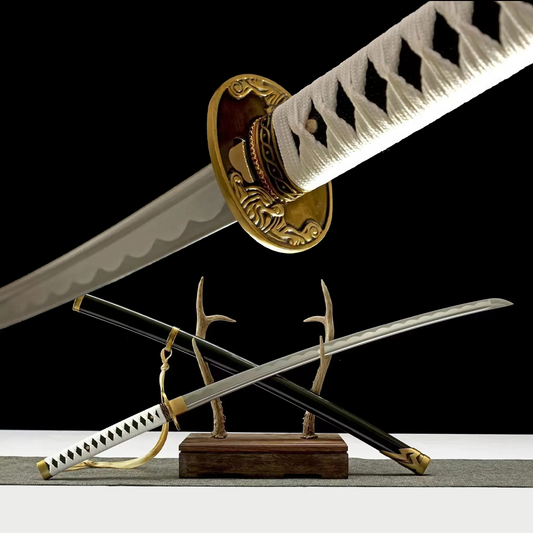
Kill Bill Katana Sword
This iconic replica features 1060 carbon steel construction that develops a beautiful patina with proper oil maintenance. The blade's differential hardening creates a distinctive hamon line that becomes more pronounced with regular care using traditional oils.
- Hand-forged 1060 carbon steel with visible grain structure
- Full tang construction ensuring structural integrity during cleaning
- Genuine ray skin (same) handle provides authentic grip texture
- Traditional brass fittings develop natural oxidation patina
- Blade length: 71cm (28 inches) ideal for display and maintenance practice
⭐⭐⭐⭐⭐ "Received my Kill Bill katana in Calgary last month. The blade quality exceeded expectations, and following the included maintenance guide kept it looking pristine. The hamon really pops after proper oiling!" - Sarah M., Calgary
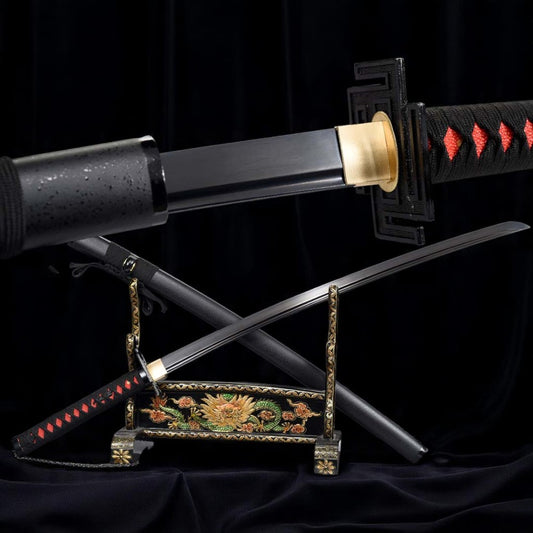
Tanjiro Kamado Katana Sword V2
This Demon Slayer-inspired piece showcases 1060 carbon steel craftsmanship with intricate flame-pattern details that require careful maintenance to preserve their vibrant appearance. The blade's black and red color scheme demands specific oil application techniques.
- 1060 carbon steel with specialized color treatments
- Flame-inspired hamon pattern requires delicate maintenance
- Black and red lacquered scabbard with traditional cord wrapping
- Zinc-alloy guard with detailed flame motifs
- Total length: 104cm (41 inches) providing impressive display presence
⭐⭐⭐⭐⭐ "As a Demon Slayer fan from Toronto, this sword captures Tanjiro's blade perfectly. The maintenance routine keeps the flame pattern vibrant—definitely worth the care investment." - Michael L., Toronto
Michonne Katana Sword
Featuring premium 1095 carbon steel, this Walking Dead-inspired katana demonstrates how high-carbon content responds to traditional maintenance methods. The blade's composition requires consistent oil application to prevent oxidation while maintaining its razor-sharp geometry.
- 1095 high-carbon steel with superior edge retention
- Damascus steel folding pattern visible throughout blade
- Functional katana design suitable for cutting practice
- Traditional tsuka (handle) wrapped in genuine cotton
- Hardness: 58-60 HRC for optimal performance balance
⭐⭐⭐⭐⭐ "Bought this for my collection in Vancouver. The 1095 steel holds an incredible edge, but proper oiling is essential. Following traditional methods keeps it rust-free despite our coastal humidity." - David K., Vancouver
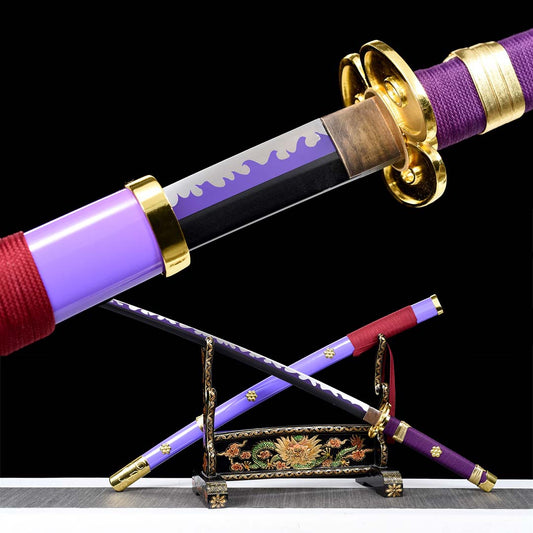
Sandai Kitetsu Katana Sword
This One Piece-inspired blade exemplifies how anime replicas can achieve museum-quality construction standards. The 1060 carbon steel composition provides an excellent balance of hardness and maintenance accessibility for collectors developing their care skills.
- 1060 carbon steel with traditional differential tempering
- Purple and black color scheme requiring specialized care
- Hand-wrapped handle with authentic binding techniques
- Cursed blade mythology adds collector appeal
- Traditional Japanese geometry with modern anime aesthetics
When we unboxed this sword, we immediately noticed the quality of the steel treatment and how responsive it was to proper oil application. The blade's surface readily accepts traditional formulations, developing a deep luster that enhances the purple accents.
Having compared multiple versions side-by-side, collectors seeking their first maintenance project often choose pieces from our Demon Slayer collection or One Piece series. These anime-inspired blades offer forgiving steel compositions that respond well to beginner maintenance attempts while providing the satisfaction of caring for authentic carbon steel.

For collectors building comprehensive maintenance skills, our high-end collection features advanced pieces with complex steel treatments. These blades challenge experienced enthusiasts while rewarding proper care with exceptional beauty and longevity. Regular maintenance transforms these functional art pieces into family heirlooms worthy of generational preservation.
Step-by-Step Sword Oiling Process
Mastering the proper process for applying oil to Japanese swords ensures your blades remain pristine while developing the deep luster that distinguishes well-cared-for pieces. Traditional techniques, refined over centuries, provide systematic approaches that maximize protection while preserving aesthetic qualities.
Preparation Phase forms the foundation of effective maintenance. Begin by selecting appropriate workspace—ideally a clean, well-lit area with stable temperature and low humidity. Gather necessary materials: traditional choji or camellia oil, lint-free cotton cloths, bamboo or wooden tools for disassembly, and protective padding for work surfaces. Never attempt maintenance in rushed conditions or unstable environments where accidents might damage delicate components.
Disassembly Process requires careful attention to traditional construction methods. Remove the blade from its scabbard by gripping the handle firmly while supporting the guard. Traditional katana often feature tight-fitting components that need gentle persuasion rather than force. Traditional katana often feature tight-fitting components that need gentle persuasion rather than force. Document component orientation before disassembly—many collectors photograph fittings to ensure proper reassembly order. Handle each piece with respect, recognizing that these components represent centuries of refined craftsmanship.
Initial Cleaning removes accumulated residue that might interfere with oil penetration. Use dry cotton cloth to gently wipe the blade from spine to edge, following the grain direction. Pay special attention to the habaki (collar) area where moisture commonly accumulates. Traditional cleaning moves from tang to tip in smooth, consistent strokes. Avoid circular motions that might create microscopic scratches in the steel surface.
Oil Application Technique determines the quality of your final results. Apply thin oil coats using cotton cloth rather than direct application from containers. Traditional practitioners use the "three-cloth method"—one for initial application, one for spreading, and one for final polishing. Work systematically from tang to tip, ensuring complete coverage without excess buildup. Proper oil application should leave the blade with subtle luster rather than obvious wetness.
The timing intervals for maintenance depend on storage conditions and blade usage. Display pieces in controlled environments typically need monthly attention, while frequently handled swords require weekly care. Environmental factors like humidity levels, temperature fluctuations, and air circulation significantly impact maintenance frequency. Canadian collectors often adjust schedules seasonally, increasing frequency during humid summer months and reducing winter applications when indoor heating creates dry conditions.
Quality Assessment ensures each maintenance session achieves desired protection levels. Properly oiled blades exhibit even luster without streaks, spots, or residue accumulation. The hamon line should appear crisp and well-defined, not obscured by heavy oil coats. Traditional craftsmen evaluated their work by observing how light reflected across the blade surface—uniform reflection indicates proper oil distribution and steel preparation.
For collectors maintaining pieces from our katana accessories collection, proper storage solutions complement regular oiling routines. Traditional wooden stands allow air circulation while protecting blade edges from contact damage. Quality display cases provide controlled environments that extend intervals between maintenance sessions while showcasing your collection's beauty.
Buyer's Guide for Sword Oil Maintenance
Selecting appropriate products for oil-based Japanese sword maintenance requires understanding how different formulations interact with various steel types and storage conditions. Traditional choices versus modern alternatives each offer distinct advantages depending on your collection's specific needs and maintenance goals.
Steel Type Compatibility forms the primary consideration when choosing maintenance products. 1060 carbon steel, featured in many of our entry-level pieces, responds well to both traditional and synthetic oils. This versatile steel composition forgives minor application errors while developing beautiful patina with consistent care. Higher carbon content steels, like 1095 found in premium pieces, require more careful oil selection to prevent interaction with complex metallurgy.
Damascus steel patterns demand special consideration due to their layered construction and acid-etching treatments. Traditional plant-based oils typically provide the safest choice for these decorative blades, avoiding chemical interactions that might affect pattern visibility. Synthetic oils may interact unpredictably with etching compounds, potentially altering the contrast that makes Damascus patterns striking.
Climate Adaptation becomes crucial for Canadian collectors dealing with seasonal temperature and humidity variations. Coastal regions benefit from heavier protective formulations that resist salt air and moisture infiltration. Prairie provinces with extreme temperature swings require oils that remain stable across wide ranges. Urban environments with pollution concerns may need more frequent applications of protective oils.
Traditional choji oil offers excellent protection in humid conditions but may thicken in extreme cold. Camellia oil maintains consistency across temperature ranges but provides less moisture protection. Modern synthetic blends often combine advantages of both traditional oils while addressing specific climate challenges. Understanding your local conditions helps determine optimal oil characteristics.
Application Frequency influences oil choice significantly. Collectors preferring monthly maintenance benefit from longer-lasting formulations that provide extended protection. Weekly maintenance enthusiasts can choose lighter oils that penetrate deeply but require more frequent reapplication. Display environments with controlled conditions allow lighter protective coats, while storage situations with variable conditions demand heavier applications.
Budget Considerations affect long-term maintenance costs beyond initial oil purchase prices. Traditional oils often cost more initially but provide superior results that extend blade lifespan and preserve value. Synthetic alternatives may offer lower upfront costs but might require more frequent replacement or professional restoration services. Quality oils represent investment in collection preservation rather than ongoing expenses.
For collectors building maintenance expertise with pieces from our mid-range collection, starting with traditional camellia oil provides forgiving application properties while teaching proper techniques. Advanced enthusiasts maintaining high-end pieces often prefer premium choji oil formulations that provide maximum protection for valuable blades.
Professional consultation helps determine optimal maintenance approaches for specific pieces. Our customer service team provides guidance based on decades of experience with various steel types, climate conditions, and collector preferences. Understanding these factors ensures your maintenance routine protects your investment while enhancing your enjoyment of these magnificent pieces.
Why Choose Katana Canada for Sword Care
Canadian collectors choosing Katana Canada benefit from specialized expertise in Japanese sword care using traditional oils developed through years of serving discriminating enthusiasts across all provinces. Our Canadian company understands the unique challenges facing collectors in diverse climates from British Columbia's coastal humidity to Alberta's dry prairie conditions.
Specialized Canadian Knowledge sets our service apart from international retailers. Our team personally experiences Canadian climate variations, from Maritime fog to Prairie winters, understanding how these conditions affect blade maintenance requirements. We carefully select oil formulations specifically chosen for Canadian conditions, ensuring optimal protection regardless of your provincial location. This local expertise proves invaluable when selecting appropriate maintenance supplies for specific regional challenges.
Complete Support extends beyond product sales to include detailed maintenance guidance tailored to Canadian collectors. Our French and English support team provides consultation in both official languages, ensuring clear communication about complex maintenance procedures. Whether you're maintaining a single piece or managing extensive collections, our experts offer personalized advice based on your specific circumstances and goals.
Payment processing in Canadian dollars eliminates currency conversion concerns while supporting the Canadian economy. No customs fees or border delays complicate your orders—everything ships domestically with predictable delivery schedules. This convenience particularly benefits collectors building extensive maintenance supply collections without worrying about international shipping complications or unexpected duty charges.
Our Canadian customer service team understands collector needs through personal experience with blade maintenance. Many team members maintain personal collections, providing authentic insights into product performance under real-world conditions. This hands-on knowledge ensures recommendations based on practical experience rather than theoretical specifications alone.
Quality Assurance standards reflect our commitment to Canadian collectors' satisfaction. Every product undergoes inspection before shipping, ensuring you receive items meeting our exacting standards. Our return policy provides confidence when trying new maintenance products or techniques, knowing you can exchange items that don't meet expectations. This commitment to quality protects your investment in both products and collection preservation.
Educational resources developed specifically for Canadian collectors address common regional challenges. Our maintenance guides account for seasonal variations common across Canadian provinces, helping collectors adjust their routines for optimal results year-round. These resources prove particularly valuable for new collectors learning proper techniques in challenging environments.
For collectors exploring our katana collection or specialty anime swords, domestic sourcing ensures consistent product availability. International supply chain disruptions don't affect our ability to serve Canadian customers promptly. This reliability becomes key when maintaining regular maintenance schedules that protect valuable pieces from environmental damage.
Our commitment extends to fostering Canadian collector communities through educational content and support networks. Understanding that proper maintenance preserves both individual pieces and collective cultural appreciation, we invest in resources that benefit the entire Canadian collecting community. This approach ensures our shared passion for Japanese sword artistry continues thriving across Canada.
Frequently Asked Questions & Maintenance Tips
What makes an oil maintenance routine for Japanese swords authentic?
Authentic routines for Japanese sword oil maintenance follow traditional practices developed by master sword polishers over centuries. Genuine approaches emphasize natural plant-based oils like choji (clove) or camellia oil rather than modern petroleum products. Traditional methods focus on thin, even application using cotton cloths rather than brushes or applicators. Timing becomes key—authentic maintenance follows lunar cycles or seasonal changes rather than arbitrary schedules. The process includes proper blade positioning, systematic application patterns, and respectful handling that honors the sword's cultural significance. Master practitioners also incorporate spiritual elements, treating maintenance as meditation rather than mere mechanical procedure.
What steel type is best for beginners learning Japanese sword oil maintenance?
1060 carbon steel provides the ideal starting point for learning proper techniques for maintaining Japanese swords with oil. This medium-carbon composition offers forgiving properties that resist damage from minor application errors while responding beautifully to traditional oils. The steel develops attractive patina with consistent care but won't suffer permanent damage from occasional maintenance lapses. 1060 steel also demonstrates clear visual feedback—proper oiling produces distinctive luster that helps beginners recognize successful applications. Higher carbon steels like 1095 require more expertise, while lower carbon options don't provide the authentic experience that builds proper skills. Most pieces in our entry-level collection feature 1060 steel specifically chosen for developing collector expertise.
How do I care for my oil maintenance tools for Japanese swords?
Maintaining your maintenance tools ensures consistent results while preserving their effectiveness over time. Cotton cloths require proper washing between uses—hand wash with mild soap and air dry to prevent residue buildup or contamination. Store cleaned cloths in sealed containers away from dust and moisture. Oil containers need proper sealing to prevent oxidation and contamination. Traditional wooden applicators should be cleaned with dry cloth and stored in low-humidity environments. Replace tools showing wear, staining, or contamination rather than risk damaging valuable blades. Quality tools represent investment in long-term collection care—proper maintenance extends their useful life while ensuring optimal results. Many collectors maintain separate tool sets for different steel types or oil formulations to prevent cross-contamination.
What size maintenance kit should I choose for Japanese sword oil care?
Kit size depends on collection scope, maintenance frequency, and storage capabilities. Single-blade owners typically need minimal supplies—small oil bottles, several cotton cloths, and basic cleaning materials. Multiple-piece collections require larger quantities and specialized tools for different blade types. Consider maintenance frequency when calculating oil consumption—monthly applications use significantly less product than weekly routines. Storage limitations also influence kit sizing—Canadian collectors often choose smaller quantities during summer months when increased humidity requires more frequent reapplication. Quality matters more than quantity—premium oils provide better protection with smaller amounts than cheaper alternatives requiring heavy applications. Start with modest quantities while developing skills, expanding kit contents as experience grows.
How do I display my collection properly after oil maintenance?
Proper display protects your investment while showcasing collection beauty effectively. Traditional wooden stands provide stable support while allowing air circulation around blades. Avoid direct sunlight that can degrade oil coatings and affect steel temperature. Maintain consistent environmental conditions—temperature fluctuations cause expansion and contraction that may affect oil distribution. Display cases offer additional protection but require ventilation to prevent moisture accumulation. Position pieces where they won't be accidentally contacted or disturbed during daily activities. Consider security measures for valuable pieces, balancing accessibility for maintenance with protection from theft or damage. Regular inspection of displayed pieces helps identify maintenance needs before problems develop. Our accessories collection includes display solutions designed specifically for maintaining optimal storage conditions.
Is it legal to own a Japanese sword collection requiring oil maintenance in Canada?
Canadian federal law permits ownership of replica swords for collecting, display, and cultural purposes. Provincial regulations may impose additional restrictions, particularly regarding transportation and public display. Most decorative and replica pieces fall outside weapon classifications when purchased for legitimate collecting purposes. Functional blades may face different regulations depending on provincial interpretation and intended use. Educational purposes, cultural appreciation, and collector activities generally receive protection under federal guidelines. Always research local municipal bylaws that might impose additional restrictions on possession or display. Proper storage demonstrates responsible ownership—secure display cases and locked storage areas show respect for both legal requirements and community safety. Documentation proving legitimate collector status helps establish lawful possession if questioned. Consult local authorities when uncertain about specific pieces or intended uses to ensure full legal compliance.

Understanding these fundamental aspects of oil-based care for Japanese swords provides the foundation for developing expertise that preserves your collection's beauty and value. Whether caring for traditional katana or anime-inspired pieces, proper maintenance techniques ensure these magnificent blades continue inspiring appreciation for Japanese craftsmanship for generations to come.
For additional maintenance guidance and technique refinement, explore our Japanese Sword Care Guide: Expert Maintenance Tips 2025 for detailed instructions on advanced care methods.
 Save $90