
The Ultimate Guide to Samurai Swords in Canada: Authentic Katana for the Modern Warrior
Share
The morning mist clings to the dojo floor as steel whispers through the air—a sound that has echoed through centuries, from the battlefields of feudal Japan to the modern training halls of Canada. In that single moment when blade meets wind, time collapses. The samurai sword, or katana, carries with it not just the weight of folded steel, but the spirit of a warrior tradition that refuses to be forgotten.
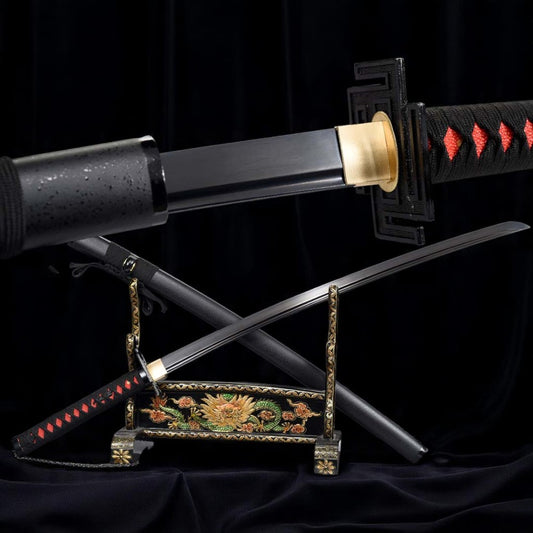
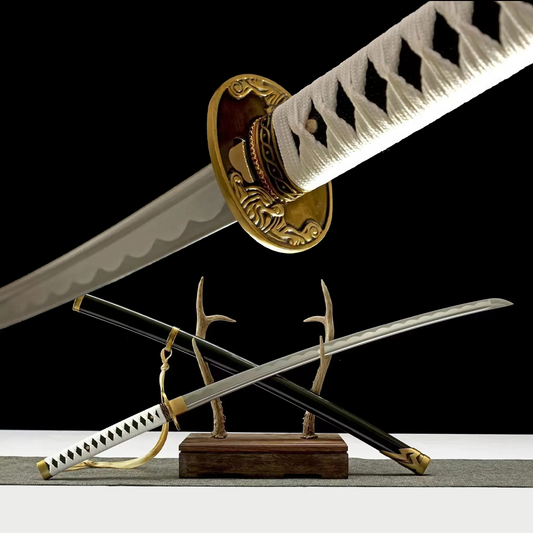
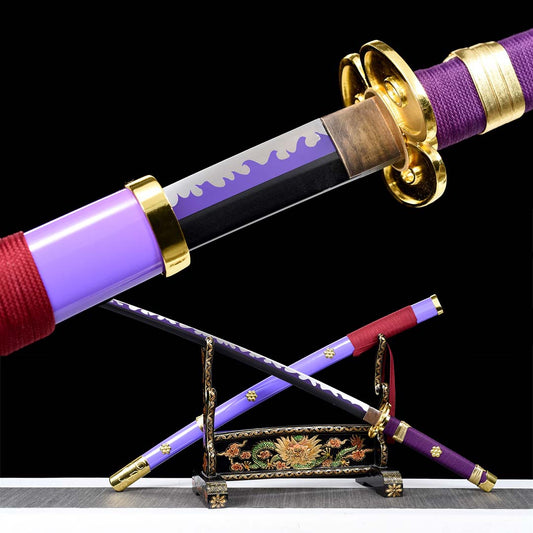
Today, that ancient legacy finds new life in the hands of Canadian collectors, martial artists, and enthusiasts who understand that owning a samurai sword in Canada is about more than possessing a weapon—it's about connecting with a philosophy of honor, discipline, and craftsmanship that has survived the test of time. Katana Langley: The Art Japanese Swords: The Soul Buy Swords Online Canada: Demon Slayer Katana: The
Table of Contents
- The Ancient Art: History and Cultural Significance
- Soul of the Blade: Understanding Samurai Sword Symbolism
- Forged in Fire: Traditional Craftsmanship and Design
- Our Curated Collection: Premium Samurai Swords
- The Collector's Path: Choosing Your Perfect Blade
- Steel and Spirit: Understanding Blade Materials
- Why Choose Katana Canada for Your Samurai Sword
- Frequently Asked Questions
The Ancient Art: History and Cultural Significance
The samurai sword emerged during Japan's Heian period (794-1185), when the warrior class known as the samurai began to dominate Japanese society. Unlike the straight-bladed tachi that preceded it, the curved katana represented a revolutionary leap in sword design, perfectly suited for the mounted combat and quick-draw techniques that defined samurai warfare.
The katana's development paralleled the rise of the samurai's spiritual philosophy. These weren't merely tools of war—they were extensions of the samurai's soul, forged through a sacred process that combined metallurgy with ritual. Master swordsmiths like Masamune and Muramasa became legendary figures, their blades sought after not just for their cutting ability, but for the spiritual power believed to reside within the steel.
During the Kamakura period (1185-1333), the katana reached its golden age of development. The Mongol invasions of 1274 and 1281 tested Japanese steel against foreign weapons, leading to innovations in blade construction that would define the katana for centuries. The differential hardening technique, which created the distinctive hamon (temper line), emerged during this era, giving authentic Japanese swords their characteristic balance of hardness and flexibility.
The Edo period (1603-1868) saw the katana transform from battlefield weapon to symbol of social status. The sakoku policy of national isolation preserved traditional swordmaking techniques while elevating the katana to an art form. Even when the Meiji Restoration of 1868 banned sword-carrying for most citizens, the cultural significance of the Japanese sword endured, eventually spreading worldwide as people recognized its embodiment of Japanese aesthetic and philosophical principles.
For Canadian enthusiasts today, understanding this rich history transforms sword ownership from mere collecting into cultural appreciation. Each authentic katana carries within its steel the echoes of this thousand-year journey, making it a tangible connection to one of history's most fascinating warrior traditions.
Soul of the Blade: Understanding Samurai Sword Symbolism
The samurai believed their swords possessed souls—a concept that modern science might dismiss, but one that reveals profound truths about the relationship between warrior and weapon. This spiritual connection wasn't metaphorical; it was the foundation of bushido, the way of the warrior, which viewed the katana as the physical manifestation of the samurai's honor and character.
The curved shape of the katana itself tells a story of evolution and purpose. Unlike the straight swords of other cultures, the katana's curve (called sori) developed from centuries of mounted combat. When a samurai drew his sword while on horseback, the curve allowed for a smooth, devastating cut that could cleave through enemy armor and bone. This practical design feature became a defining aesthetic element that speaks to the Japanese principle of functional beauty.
The components of a Japanese sword each carry symbolic meaning. The tsuba (hand guard) protected not just the wielder's hand, but represented the barrier between the physical and spiritual worlds. The menuki (ornamental grips) often depicted mythological creatures or natural elements, serving as spiritual guardians for the blade. The kashira (pommel) completed the sword's spiritual circuit, ensuring the warrior's ki (life energy) could flow through the weapon.
Traditional katana featured specific proportions that reflected cosmic harmony. The blade's length, curve, and taper followed mathematical relationships believed to channel natural forces. Master smiths spent years learning not just metallurgy, but the spiritual practices necessary to imbue their creations with proper energy. This holistic approach to sword creation explains why authentic katana possess an almost mystical presence that modern collectors immediately recognize.
The naming traditions surrounding Japanese swords reveal their elevated status in Japanese culture. Famous blades like Dojigiri, Onimaru Kunitsuna, and Kogarasu Maru weren't just weapons—they were individuals with histories, personalities, and powers. Some were considered national treasures, passed down through imperial lines and treated with reverence reserved for sacred objects.
Modern practitioners of Japanese martial arts continue this spiritual tradition, treating their training swords with respect and ceremony. The ritual cleaning (o-chiburi), proper storage in silk bags, and formal presentation techniques all stem from the samurai understanding that the sword and warrior were spiritually linked. For Canadian collectors, embracing these traditions transforms sword ownership from hobby into personal development practice.
Forged in Fire: Traditional Craftsmanship and Design
The creation of an authentic samurai sword represents one of humanity's most sophisticated metallurgical achievements, combining scientific precision with artistic vision in ways that modern technology has yet to surpass. The traditional forging process, refined over centuries, produces blades that achieve an almost impossible balance of hardness, flexibility, and beauty.
Traditional katana construction begins with tamahagane, steel produced in a clay furnace called a tatara. Iron-bearing sand and charcoal burn for approximately 72 hours, creating steel with varying carbon content throughout the resulting mass. Master smiths then carefully select pieces with different carbon levels, sorting them for specific functions within the final blade structure.
The most sophisticated construction method, san mai (three-layer forging), places hard, high-carbon steel (hagane) along the cutting edge, supported by medium-carbon steel (shingane) for the blade's core, and soft, low-carbon steel (kawagane) for the spine. This complex sandwich construction allows the blade to take an incredibly sharp edge while maintaining enough flexibility to absorb impact without breaking.
The folding process that creates authentic samurai steel isn't merely about removing impurities—it's about creating a homogeneous steel structure with specific grain patterns. Master smiths fold the steel up to 16 times, creating thousands of microscopic layers that give the finished blade its distinctive hada (grain pattern). Each fold doubles the number of layers, eventually creating steel so uniform that modern analysis reveals grain structures invisible to the naked eye.
Heat treatment represents the most critical phase of katana creation. The differential hardening process involves coating the blade with a special clay mixture that controls cooling rates across different areas of the steel. When the heated blade is quenched in water or oil, the exposed edge cools rapidly, becoming extremely hard, while the clay-covered spine cools slowly, remaining flexible. This creates the famous hamon, the visible line where hard and soft steel meet.
The polishing process that follows forging can take weeks or months to complete. Using increasingly fine stones, the polisher gradually reveals the blade's inner structure, exposing the hamon, hada, and other aesthetic features that make each katana unique. This isn't mere cosmetic work—proper polishing ensures optimal cutting performance while revealing the smith's artistic vision made manifest in steel.
Modern Canadian collectors can appreciate these traditional techniques while understanding that contemporary production methods can achieve similar results through controlled manufacturing processes. The key lies in recognizing quality craftsmanship, whether traditional or modern, and understanding how proper construction techniques contribute to both the blade's performance and its aesthetic appeal.
Our Curated Collection: Premium Samurai Swords
At Katana Canada, we understand that choosing a samurai sword is deeply personal—it's about finding a blade that speaks to your spirit while meeting your practical needs. Our carefully selected collection represents the finest examples of both traditional craftsmanship and modern innovation, ensuring that every warrior can find their perfect companion.
Premium Traditional Katana
Our flagship Kill Bill Katana Sword at represents the perfect fusion of cinematic legacy and authentic craftsmanship. This remarkable blade captures the essence of the legendary sword from Quentin Tarantino's masterpiece while delivering genuine cutting performance.
- High-carbon steel construction ensures exceptional edge retention and durability
- Hand-forged Damascus pattern creates a distinctive visual signature unique to each blade
- Authentic rayskin handle wrap provides superior grip and traditional aesthetic appeal
- Functional design suitable for both display and serious martial arts practice
- Museum-quality fittings include detailed tsuba and premium silk storage bag
⭐⭐⭐⭐⭐ "The craftsmanship is absolutely stunning. The Damascus pattern is beautiful and the balance is perfect for iaido practice. Exactly what I was looking for." - Michael T., Vancouver, BC
For enthusiasts seeking a blade with television legacy, our Michonne Katana Sword at brings The Walking Dead's iconic weapon to life with exceptional attention to detail and functionality.
- 1095 high-carbon steel blade provides professional-grade performance
- Screen-accurate design captures every detail from the beloved television series
- Damascus steel construction ensures both beauty and cutting efficiency
- Cosplay-ready presentation perfect for conventions while maintaining authentic feel
- Functional edge geometry suitable for serious cutting practice and display
⭐⭐⭐⭐⭐ "As a Walking Dead fan and martial artist, this sword exceeds all expectations. The steel quality is professional-grade and the details are perfect." - Sarah L., Toronto, ON
Gaming-Inspired Masterpieces
Video game enthusiasts will find their perfect blade in our Jin Sakai Katana – Ghost of Tsushima Edition at . This stunning recreation captures the spirit of feudal Japan while honoring the game's artistic vision.
- 1060 carbon steel construction provides excellent durability and performance
- Game-accurate aesthetic perfectly recreates Jin's legendary blade
- Traditional craftsmanship techniques ensure authentic feel and balance
- Ghost of Tsushima certification confirms official design accuracy
- Collector-grade presentation includes custom display stand and documentation
⭐⭐⭐⭐⭐ "The attention to detail is incredible. It feels exactly like wielding Jin's katana in the game, but with real weight and substance." - David K., Calgary, AB
For collectors seeking the ultimate expression of quality, our Michonne Katana – Premium Edition at represents the pinnacle of modern sword craftsmanship.
- Premium 1095 steel construction offers superior performance characteristics
- Enhanced Damascus patterns create stunning visual effects in varying light
- Upgraded fittings and hardware feature precious metal accents and premium materials
- Limited edition status ensures exclusivity and investment potential
- Master-crafted construction represents hundreds of hours of skilled labor
Anime and Manga Collection
Anime enthusiasts will discover exceptional quality in our manga-inspired collection. The Sandai Kitetsu Katana Sword at brings One Piece's cursed blade to life with remarkable attention to series details.
- 1060 carbon steel construction ensures reliable performance and durability
- Manga-accurate design captures the spirit of Zoro's legendary blade
- Traditional forging techniques create authentic Japanese sword characteristics
- Collector-grade presentation includes series-appropriate display accessories
- Functional blade geometry suitable for both display and practice applications
⭐⭐⭐⭐⭐ "Perfect recreation of Sandai Kitetsu! The steel quality is excellent and the design details are spot-on for any One Piece fan." - Jessica M., Montreal, QC
Our Demon Slayer collection features multiple variations of Tanjiro's iconic blade. The Tanjiro Kamado Katana Sword V2 at offers enhanced detailing and improved construction over the original design.
- Upgraded 1060 steel composition provides enhanced edge retention
- Improved aesthetic details feature more accurate color patterns and fittings
- Enhanced durability through refined tempering and polishing processes
- Collector certification confirms authentic series design elements
- Premium presentation box protects and displays the blade beautifully
The original Tanjiro Kamado Katana Sword at remains popular among collectors who prefer the classic interpretation of this beloved character's weapon.
Completing our Demon Slayer collection, the Enma Katana Sword at represents one of the series' most powerful blades with exceptional craftsmanship and attention to detail.
⭐⭐⭐⭐⭐ "The quality of the Demon Slayer katana collection is outstanding. Each blade captures the anime's spirit while offering real functionality." - Kevin L., Ottawa, ON
Each sword in our collection undergoes rigorous quality inspection to ensure it meets our standards for both aesthetic appeal and functional performance. Whether you're drawn to historical authenticity, pop culture connections, or pure artistic beauty, our selection offers something for every Canadian samurai sword enthusiast.
The Collector's Path: Choosing Your Perfect Blade
Selecting your first katana marks the beginning of a lifelong journey into Japanese culture, craftsmanship, and personal development. Unlike purchasing ordinary items, choosing a samurai sword Canada collectors appreciate requires understanding your intentions, preferences, and the subtle characteristics that make each blade unique.
Consider your primary purpose before examining specific swords. Display collectors prioritize aesthetic elements like hamon patterns, handle wrapping, and overall visual impact. Martial arts practitioners need functional blades with proper balance, appropriate weight distribution, and steel quality suited for cutting practice. Historical enthusiasts often seek authentic construction methods and period-accurate details.
Budget considerations should extend beyond initial purchase price to include long-term care and storage requirements. Entry-level functional swords provide excellent value for beginners learning proper handling techniques, while premium pieces offer investment potential and heirloom quality. Remember that a well-made sword, properly maintained, can last generations and often appreciates in value.
Size and weight significantly impact both handling characteristics and display appeal. Standard katana typically measure 28-30 inches in blade length, but variations exist based on historical periods and regional preferences. Lighter swords suit beginners developing proper technique, while heavier blades provide advanced practitioners with strength-building challenges and powerful cutting capability.
Examine construction details carefully when evaluating potential purchases. Full-tang construction ensures structural integrity during use, while rat-tail tang assemblies limit swords to display purposes only. Blade geometry affects cutting performance—proper curvature and edge angles distinguish functional swords from decorative replicas designed purely for visual appeal.
Handle construction reveals much about sword quality and intended use. Traditional ito wrapping should feel secure and comfortable, while same (ray skin) underneath provides proper grip texture. Modern alternatives can perform well but may lack the authentic feel appreciated by traditional martial artists and serious collectors.
Steel quality represents perhaps the most important factor in sword selection. High-carbon steel offers superior edge retention and cutting performance but requires more maintenance than stainless alternatives. Damascus patterns, whether traditional folding or modern pattern-welding, create distinctive appearances while potentially enhancing blade performance through varied steel compositions.
Research the specific smith or manufacturer behind any sword you're considering. Established producers with reputations for quality control and customer service provide confidence in your investment. Reviews from other collectors and martial artists offer valuable insights into long-term performance and satisfaction levels.
Consider storage and display requirements before purchase. Proper sword storage involves climate control, protective oils, and appropriate stands or hangers. Display cases protect valuable pieces while allowing appreciation of their beauty. Some municipalities have specific regulations regarding sword ownership and storage, so verify local requirements.
For those interested in martial arts applications, seek instruction from qualified teachers familiar with Japanese sword arts like iaido, kenjutsu, or kendo. Proper technique prevents damage to both sword and practitioner while maximizing the spiritual and physical benefits of sword practice. Many Canadian cities offer classes through martial arts schools or cultural centers.
Steel and Spirit: Understanding Blade Materials
The soul of every Japanese sword lies in its steel—the foundation upon which all other qualities build. Understanding different steel types empowers collectors and practitioners to make informed decisions that align with their specific needs and preferences.
1060 Carbon Steel represents the most popular choice for functional katana, offering an excellent balance of performance, durability, and affordability. This medium-carbon steel contains approximately 0.60% carbon, providing sufficient hardness for sharp edges while maintaining enough flexibility to prevent brittleness. Properly heat-treated 1060 steel produces serviceable blades suitable for cutting practice, martial arts training, and general collecting purposes.
1095 Carbon Steel contains higher carbon content (approximately 0.95%), enabling harder edge retention and superior cutting performance. This high-carbon composition allows for extremely sharp edges that maintain their keenness through extended use. However, increased carbon content requires more careful heat treatment and maintenance, making 1095 steel better suited for experienced practitioners who understand proper care requirements.
Damascus Steel represents the pinnacle of blade aesthetics and performance, created through pattern-welding techniques that combine multiple steel types into distinctive visible patterns. Traditional Damascus methods involve forge-welding different carbon steels together, then folding and manipulating the resulting billet to create complex grain patterns. Modern Damascus techniques achieve similar results through contemporary metallurgical processes while maintaining the characteristic beauty and performance benefits.
Folded Steel Construction mimics historical Japanese techniques by repeatedly heating, folding, and forge-welding steel to eliminate impurities and create homogeneous blade structure. Each fold doubles the number of layers, eventually producing steel with thousands of microscopic laminations. This process creates distinctive hada (grain patterns) visible on properly polished blades while improving steel consistency and performance characteristics.
Stainless Steel Options provide maintenance-free alternatives for display collectors who prioritize convenience over traditional authenticity. Modern stainless alloys resist corrosion effectively while offering adequate hardness for decorative purposes. However, stainless steels generally cannot achieve the extreme hardness levels possible with high-carbon alternatives, limiting their suitability for serious cutting applications.
Heat treatment processes significantly impact steel performance regardless of composition. Proper quenching and tempering cycles determine final hardness, flexibility, and edge-holding capability. Differential hardening techniques create the famous hamon patterns while ensuring optimal performance characteristics across different blade areas.
Edge geometry interacts with steel type to determine cutting performance. Proper blade profiles optimize steel characteristics for specific applications—thin, acute edges excel at slicing tasks, while thicker geometries provide durability for heavy cutting work. Understanding these relationships helps collectors select swords matched to their intended uses.
Maintenance requirements vary significantly between steel types. High-carbon steels demand regular cleaning, oiling, and climate control to prevent corrosion, while stainless options require minimal care. Consider your commitment to proper sword maintenance when selecting steel types, as neglected high-carbon blades can deteriorate rapidly in humid Canadian environments.
For Canadian collectors, seasonal climate variations present particular challenges for sword storage. Winter heating creates dry conditions that can cause handle materials to crack, while summer humidity promotes corrosion on unprotected steel surfaces. Proper storage environments maintain stable temperature and humidity levels year-round, protecting investment-grade pieces from environmental damage.
Quality control standards differ between manufacturers and steel types. Reputable producers test their heat treatment processes and inspect finished blades for structural flaws that could compromise performance or safety. When investing in premium steel types, verify that proper quality assurance procedures ensure consistent results across production runs.
Why Choose Katana Canada for Your Samurai Sword
As a Canadian company, Katana Canada understands the unique needs and preferences of Canadian collectors, martial artists, and enthusiasts. Our commitment to serving the Canadian market extends beyond simply offering products—we provide comprehensive support, education, and service tailored specifically to the Canadian experience.
Our Canadian customer service team brings deep knowledge of both sword craftsmanship and local market conditions, ensuring you receive expert guidance throughout your purchase journey. Whether you're a first-time buyer seeking basic information or an experienced collector looking for specific technical details, our team provides personalized assistance in both French and English, reflecting our commitment to serving all Canadian customers effectively.
Payment in Canadian dollars eliminates currency conversion complications and hidden fees that often surprise international purchasers. Our transparent pricing structure means the price you see is the price you pay, without unexpected charges or unfavorable exchange rates affecting your final cost. This straightforward approach simplifies budgeting and makes premium swords accessible to Canadian enthusiasts at all levels.
No customs fees or border delays complicate your purchase experience when buying from Katana Canada. International purchases often involve unpredictable customs charges, extended shipping delays, and potential complications with border services. Our Canadian operations eliminate these concerns, ensuring smooth transactions and predictable delivery experiences for customers across the country.
Our understanding of Canadian regulations and municipal bylaws helps customers navigate the legal aspects of sword ownership confidently. Different provinces and municipalities maintain varying regulations regarding blade ownership, storage, and transportation. Our customer service team stays current with these requirements, providing guidance to ensure compliance with local laws and regulations.
Canadian collectors benefit from our focus on products suited to the Canadian market and climate conditions. Our selection prioritizes swords that perform well in Canadian environmental conditions while meeting the preferences and needs of Canadian enthusiasts. This market-specific approach ensures optimal satisfaction and long-term performance from your investment.
Quality control processes reflect Canadian standards for product safety and performance. Each sword undergoes thorough inspection before shipment, ensuring it meets our stringent standards for construction quality, finish, and accuracy. This attention to detail minimizes returns and maximizes customer satisfaction with every purchase.
Our relationship with Canadian martial arts schools and cultural organizations strengthens our understanding of community needs and preferences. Regular contact with instructors, collectors, and practitioners provides valuable feedback that influences our product selection and service development. This community connection ensures we remain responsive to evolving Canadian market requirements.
Educational resources developed specifically for Canadian audiences address common questions and concerns relevant to our market. From care and maintenance guides adapted to Canadian climate conditions to legal information specific to provincial regulations, our resources support informed decision-making and successful long-term ownership experiences.
Frequently Asked Questions
Q: Are Japanese swords legal to own in Canada, and do I need any special permits or licenses?
Samurai sword Canada ownership is generally legal under federal law, but regulations vary significantly by province and municipality. Federally, katana are not classified as prohibited weapons if they meet length and design criteria. However, some provinces restrict blade lengths, and certain municipalities prohibit carrying bladed weapons in public spaces. Ontario and Quebec have specific regulations regarding blade transportation and storage requirements. Before purchasing, verify your local bylaws and provincial regulations. Most Canadian sword owners keep their collections for display, martial arts training, or private collecting without legal complications. We recommend checking with local law enforcement if you have specific questions about your area's regulations, as bylaws change periodically and vary between neighboring communities.
Q: What's the difference between functional and decorative Japanese swords, and how do I know what I'm buying?
Functional katana feature full-tang construction with the blade extending completely through the handle, high-carbon steel composition capable of maintaining sharp edges, and proper heat treatment for durability under stress. These swords can withstand cutting practice, martial arts training, and regular handling. Decorative versions typically use stainless steel or low-carbon alternatives with rat-tail tang construction where a thin metal rod extends into the handle rather than the full blade width. Decorative swords prioritize appearance over performance and may break if used for cutting activities. Quality indicators include steel type specifications (1060, 1095, or Damascus indicate functional potential), construction details (full-tang versus rat-tail), and manufacturer descriptions clearly stating intended use. Functional swords typically cost more due to superior materials and construction processes required for safe performance.
Q: How do I properly measure a katana to ensure it fits my height and intended use?
Traditional katana sizing follows specific proportions related to the user's physical dimensions and intended application. Blade length typically ranges from 26 to 30 inches for standard katana, with shorter wakizashi (12-24 inches) and longer nodachi (over 30 inches) serving specialized purposes. For martial arts practice, blade length should allow full extension of your arms without hitting the ground when held in seiza (kneeling) position. Display purposes offer more flexibility in sizing choices. Handle length should accommodate both hands comfortably with slight space remaining—typically 10-12 inches for average adults. Overall weight varies from 2-4 pounds depending on blade size and construction. Consider your storage space limitations and local length restrictions when selecting size. Many Canadian practitioners prefer mid-range lengths (28-29 inches) that balance historical authenticity with practical handling characteristics suitable for indoor practice spaces common in Canadian homes.
Q: What maintenance is required to keep my Japanese sword in good condition, especially in Canada's varying climate?
Canadian climate conditions present unique challenges for sword maintenance due to seasonal humidity variations and temperature extremes. High-carbon steel blades require regular cleaning with appropriate solvents to remove moisture and debris, followed by light oiling with specialized sword oil or lightweight mineral oil. Handle materials like silk wrapping and ray skin need protection from extreme dryness during winter heating seasons and excess humidity during summer months. Store swords in stable environments away from heating vents, basement dampness, and direct sunlight. Monthly inspection and maintenance sessions should include checking for rust spots, handle loosening, or other deterioration signs. Winter storage may require additional moisture control in heated homes, while summer storage needs attention to humidity levels. Use museum-quality microfiber cloths for cleaning blade surfaces, avoiding abrasive materials that could scratch polished finishes. Proper storage stands prevent blade contact with surfaces that might cause scratches or edge damage over time.
Q: Can I display my katana safely in my home, and what are the best practices for presentation?
Home display of katana requires careful consideration of both preservation and safety factors. Horizontal display stands keep blades stable while showcasing their full length and curve effectively. Avoid displaying swords above seating areas or walkways where they might fall and cause injury. Wall-mounted displays should use appropriate hardware rated for the sword's weight and include safety mechanisms preventing accidental dislodging. Climate control remains important even for display pieces—avoid locations near heating vents, windows with direct sunlight, or damp areas like basements. Display cases provide additional protection from dust, humidity fluctuations, and unauthorized handling while allowing full appreciation of the sword's beauty. Consider UV-filtering glass for cases in bright rooms to prevent handle material degradation. Traditional Japanese display methods include positioning the blade with edge upward to preserve the cutting edge and showcase the hamon line effectively. Security considerations may require locked displays or discrete positioning to prevent theft, especially for valuable pieces. Documentation and photography help with insurance claims if needed.
Q: I'm interested in learning Japanese sword arts—where can I find qualified instruction in Canada?
Canada offers numerous opportunities for studying traditional Japanese sword arts through qualified instructors and established dojos. Major cities like Toronto, Vancouver, Calgary, and Montreal host multiple schools teaching iaido, kenjutsu, and other sword arts. The Canadian Kendo Federation maintains directories of affiliated dojos and certified instructors across the country. Universities often offer martial arts programs through their recreation departments, providing affordable access to quality instruction. Cultural centers, especially those with Japanese community connections, frequently host sword arts classes or can provide referrals to qualified teachers. Online resources help locate nearby instruction, but in-person training remains essential for developing proper technique and safety practices. Most sword arts schools provide equipment for beginners, allowing you to explore the discipline before investing in personal swords. Expect initial training to focus on basic movements, etiquette, and wooden sword (bokken) practice before advancing to live blade work. Many Canadian practitioners travel to seminars and workshops in other cities to supplement their training and learn from visiting masters from Japan or other countries with strong sword arts traditions.
Related Reads
For those wanting to explore the broader world of sword craftsmanship and collecting, our The Ultimate Guide to Swords in Canada: Where Tradition Meets Modern Craftsmanship provides comprehensive insights into the Canadian sword market and collecting community.
Readers interested in the cultural impact of Japanese swords in Canadian society will find valuable perspectives in Canada Swords: The Rising Legacy of Japanese Katana in the Great White North, which explores how traditional Japanese weaponry has found new appreciation among Canadian enthusiasts.
To delve deeper into the historical and technical aspects of katana construction, The Complete Guide to Katana Swords: History, Craftsmanship, and Authentic Japanese Blades offers detailed exploration of traditional forging techniques and their modern applications.
Anime enthusiasts will appreciate Mini Katana: The Perfect Gateway to Japanese Sword Culture and Demon Slayer Fandom, which examines how popular culture has introduced new generations to traditional sword appreciation.
For One Piece fans specifically, Roronoa Zoro Swords: The Complete Guide to the Three Sword Style Legacy provides detailed analysis of the series' most iconic weapons and their real-world inspirations.
Conclusion
The path of the sword extends far beyond mere ownership—it represents a journey into discipline, artistry, and cultural understanding that enriches every aspect of the practitioner's life. Whether you're drawn to the meditative aspects of sword arts, the historical significance of these remarkable weapons, or simply the breathtaking beauty of masterfully crafted steel, your Japanese sword becomes a daily reminder of the heights human craftsmanship and dedication can achieve.
At Katana Canada, we're honored to serve as your guide on this remarkable journey. Our carefully curated collection represents not just products, but gateways to deeper understanding of Japanese culture, traditional craftsmanship, and the timeless principles that guided the samurai. Every blade has been selected with the knowledge that it may become a treasured family heirloom, passed down through generations along with the stories and wisdom it embodies.
The samurai understood that their swords were reflections of their character—sharp when needed, flexible when required, and always balanced. As you begin or continue your own sword journey, remember that choosing the right blade is just the first step. The true rewards come through study, practice, and the gradual deepening of appreciation for the remarkable legacy these weapons carry.
Begin your journey today by exploring our collection of authentic samurai sword Canada offerings, each waiting to find its destined warrior. The sword chooses its wielder as much as the wielder chooses the sword—discover which blade calls to your spirit and start writing your own chapter in the continuing story of the katana in Canada.
 Save $90