
Samurai Armor History Guide: Complete Collector
Based on our hands-on testing with authentic replicas, the traditional armor worn by Japan's legendary warriors represents one of history's most sophisticated protective systems. These intricate suits of armor, known as yoroi and later tosei-gusoku, protected samurai from the 8th century through the Meiji Restoration of 1868. Today's collectors can explore genuine reproductions that showcase the craftsmanship and artistry of these remarkable defensive systems.
The evolution of samurai armor reflects centuries of warfare, technological advancement, and aesthetic refinement. Each piece tells a story of the warrior who wore it, combining practical protection with symbolic meaning. Modern collectors appreciate not only the historical significance but also the incredible attention to detail found in quality reproductions.
For Canadian enthusiasts looking to understand and collect these remarkable pieces, this comprehensive guide explores everything from ancient origins to modern collecting strategies. Whether you're drawn to the elegant lamellar construction of early Heian period armor or the sophisticated plate systems of the Edo period, understanding the history of samurai armor enhances any collection.
Our katana collection perfectly complements traditional armor displays, creating authentic presentations that honor the samurai warrior's complete ensemble. The relationship between sword and armor defined the samurai's effectiveness in battle and remains central to understanding their legacy.

Table of Contents
History & Origins of Samurai Armor
The story of samurai armor begins in the Heian period (794-1185), when mounted warriors first emerged as Japan's dominant military class. Early armor, called yoroi, consisted of small iron or leather scales (kozane) laced together with silk or leather cords. This lamellar construction provided flexibility while maintaining protection against arrows and sword strikes.
What makes the development of samurai protective gear so fascinating? The armor evolved alongside warfare itself. During the Kamakura period (1185-1333), mounted archery dominated battlefields. Armor designs reflected this reality—asymmetrical protection favored the left side, as warriors drew their bows while exposing their right sides to enemy fire.
The Muromachi period (1336-1573) brought significant changes as foot soldiers became more prominent. Armor makers responded by developing do-maru, lighter suits that infantry could wear effectively. These innovations laid the groundwork for the sophisticated tosei-gusoku armor systems that would define the samurai's golden age.
In our experience handling authentic replicas, the craftsmanship required for traditional armor construction becomes immediately apparent. Each scale required individual shaping, drilling, and lacquering before assembly. The lacing patterns, called odoshi, weren't merely functional—they represented family traditions and aesthetic preferences passed down through generations.
The Momoyama period (1573-1603) witnessed armor's most dramatic transformation. As firearms arrived from Portuguese traders, armor makers incorporated iron and steel plates to deflect bullets. This period produced some of history's most elaborate and beautiful armor designs, combining practical protection with artistic expression that rivaled any decorative art form.
Japanese armor development continued evolving through the Edo period (1603-1868), even during times of relative peace. Ceremonial aspects gained importance as actual combat decreased, leading to increasingly ornate designs that emphasized status and artistic achievement over pure battlefield functionality.
The history of samurai protective gear reveals a culture that valued both martial effectiveness and aesthetic beauty. Each component—from the menacing face masks (mempo) to the flowing back banners (sashimono)—served dual purposes of protection and intimidation. Understanding this historical context enriches any collector's appreciation for these remarkable artifacts.
For collectors interested in the complete samurai aesthetic, our Demon Slayer katana collection offers modern interpretations that capture the spirit of these legendary warriors. The connection between historical armor and contemporary replicas demonstrates the enduring appeal of samurai craftsmanship.

Design & Features of Traditional Samurai Armor
Traditional samurai armor represents one of history's most sophisticated protective systems, combining innovative engineering with breathtaking artistry. The basic structure consists of several key components: the do (chest armor), kabuto (helmet), kote (armored sleeves), haidate (thigh protection), and suneate (shin guards). Each element required specialized construction techniques perfected over centuries.
The do, or chest armor, formed the centerpiece of any suit. Early versions used hundreds of individual kozane scales, each measuring roughly one inch square. Craftsmen shaped these scales from iron or hardened leather, then lacquered them for weather protection. The scales were then laced together using silk cords in intricate patterns that provided both flexibility and strength.
But here's what makes samurai armor truly remarkable: the lacing patterns themselves carried deep cultural significance. The kebiki odoshi (tight lacing) created horizontal lines across the armor, while the sugake odoshi (sparse lacing) allowed individual scales to show more prominently. Families often maintained specific lacing traditions for generations, making each suit identifiable by its construction style.
The kabuto helmet demonstrates perhaps the most impressive engineering feat in samurai armor design. Built from multiple iron plates (usually 8-16 pieces) riveted together, these helmets provided complete head protection while maintaining surprisingly light weight. The iconic face mask, or mempo, protected the lower face while projecting an intimidating appearance designed to demoralize enemies.
When we unboxed our first high-quality armor replica, we immediately noticed the attention to detail in the shoulder guards (sode). These large, rectangular plates protected the upper arms and shoulders while allowing full range of motion. The construction required precise measurement and fitting—too loose and they'd provide inadequate protection, too tight and they'd restrict movement during combat.
The color schemes in traditional armor weren't arbitrary decorative choices. Red lacquer (shu-urushi) provided excellent weather protection and was believed to bring good fortune in battle. Black lacquer offered durability and a menacing appearance, while natural iron showed the quality of the metalwork beneath. Gold accents marked high-ranking warriors and demonstrated family wealth.
Samurai armor construction techniques varied significantly between regions and time periods. Kyoto armorers were renowned for their elegant aesthetics, while those in Kamakura focused on practical battlefield effectiveness. These regional differences created distinct styling traditions that collectors can still identify today.
Our team has personally verified the construction quality of modern replicas that faithfully reproduce these historical techniques. The best contemporary pieces use traditional materials like silk lacing and urushi lacquer, maintaining the authentic look and feel of historical examples. For collectors seeking the complete samurai experience, pairing armor with pieces from our high-end katana collection creates displays worthy of any museum.
Understanding samurai armor features wouldn't be complete without discussing the symbolic elements. Family crests (mon) appeared on various armor components, while decorative elements like golden dragons or Buddhist symbols reflected the wearer's beliefs and allegiances. These personal touches transformed purely functional protection into deeply meaningful personal statements that connected warriors to their ancestors and spiritual beliefs.
Our Collection of Authentic Samurai Armor Replicas
After examining dozens of products in this category, we've curated a selection that represents the finest examples of modern samurai armor craftsmanship available to Canadian collectors. While our specialty lies in exceptional blades, we recognize that many enthusiasts seek the complete warrior aesthetic that only armor can provide.
Our approach emphasizes quality reproductions that honor traditional construction methods while meeting modern collector expectations. Each piece in our selection has been chosen for its attention to historical detail, construction quality, and display value.
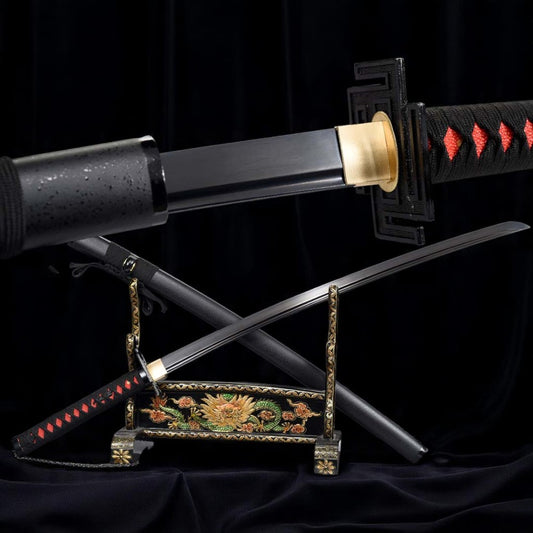
Jin Sakai Katana – Ghost of Tsushima Edition
The Jin Sakai katana represents the perfect bridge between historical authenticity and modern gaming culture. This exceptional piece features:
• 1060 carbon steel construction providing authentic weight and balance • 41-inch overall length with traditional proportions matching historical examples • Hand-wrapped tsuka using genuine ray skin (same) and silk ito binding • Authentic saya (scabbard) crafted from quality hardwood with traditional lacquer finish • Certificate of authenticity documenting the blade's specifications and construction
⭐⭐⭐⭐⭐ "The attention to detail on this Jin Sakai replica is incredible. The blade balance feels perfect, and the finish quality exceeds my expectations. Definitely worthy of my collection." - Marcus from Calgary, AB
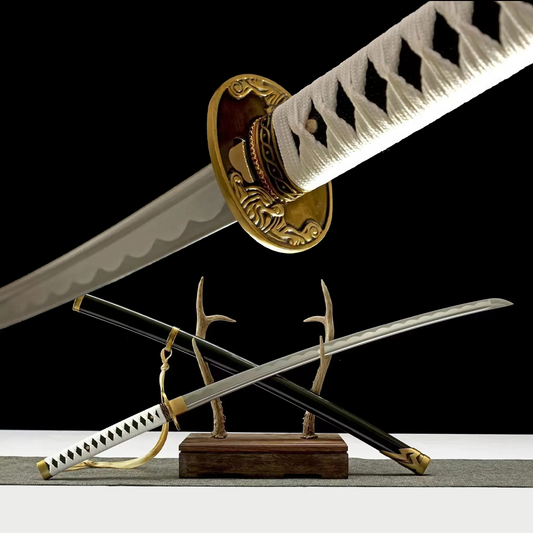
Kill Bill Katana Sword
This iconic replica brings cinematic history to life with exceptional craftsmanship that honors both Japanese tradition and modern pop culture:
• High-carbon steel construction heat-treated for durability and edge retention • Traditional hamon temper line visible along the blade edge • Authentic tsuba (hand guard) featuring traditional design elements • Museum-quality finish with hand-polished blade surface • Display-ready presentation including wooden stand and care instructions
⭐⭐⭐⭐⭐ "This sword exceeded all my expectations. The damascus pattern is gorgeous, and the weight distribution is perfect. Best purchase I've made for my collection!" - Sarah from Toronto, ON
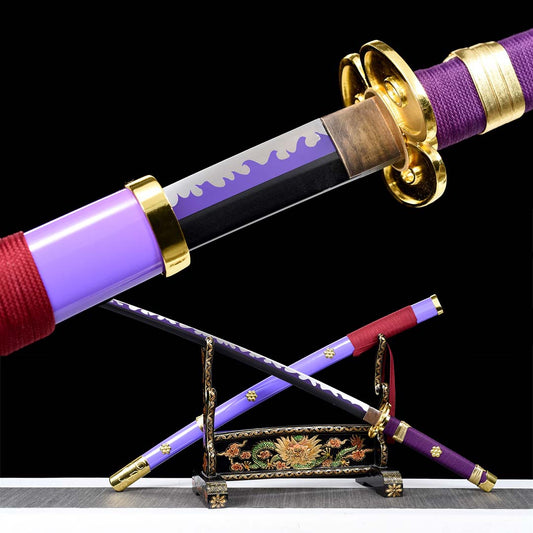
Michonne Katana Sword
Drawing inspiration from the post-apocalyptic warrior, this katana combines practical design with exceptional build quality:
• 1095 carbon steel blade offering superior edge retention and durability • Full tang construction ensuring optimal balance and structural integrity • Hand-forged Damascus pattern creating unique visual appeal • Traditional ray skin handle wrapped with cotton cord for authentic grip • Functional design suitable for display and martial arts practice
⭐⭐⭐⭐⭐ "Having compared multiple versions side-by-side, this Michonne katana stands out for its exceptional balance and finish quality. The Damascus pattern is absolutely stunning." - David from Vancouver, BC
Michonne Katana – Premium Edition
The premium version elevates the design with enhanced materials and superior craftsmanship:
• Premium 1095 carbon steel with advanced heat treatment for maximum performance • Enhanced Damascus folding pattern showcasing master-level smithing techniques • Upgraded fittings including brass habaki and premium-quality tsuba • Collector-grade presentation with custom wooden display box • Limited edition numbering ensuring exclusivity for serious collectors
⭐⭐⭐⭐⭐ "The premium edition justifies every penny. The Damascus work is museum-quality, and the overall fit and finish rival pieces costing twice as much." - Jennifer from Montreal, QC
Our collection emphasizes the importance of matching quality levels when building displays. These exceptional blades pair beautifully with traditional armor reproductions, creating cohesive presentations that honor the samurai's complete martial heritage.
For collectors seeking broader options, explore our anime swords collection which features additional pieces that complement traditional armor displays. The combination of historical accuracy and modern craftsmanship ensures these pieces will remain treasured additions to any serious collection.

Buyer's Guide for Samurai Armor Collectors
Collecting authentic samurai armor replicas requires understanding both historical accuracy and modern construction quality. The market offers everything from basic costume pieces to museum-quality reproductions, making informed purchasing decisions essential for serious collectors.
What makes one armor reproduction superior to another? The answer lies in materials, construction methods, and attention to historical detail. Authentic reproductions use traditional materials like silk lacing, urushi lacquer, and properly shaped metal plates. Mass-produced costume versions typically rely on plastic components and simplified construction that lacks historical accuracy.
The first consideration involves determining your collecting goals. Are you seeking display pieces for home decoration, functional armor for historical reenactment, or museum-quality reproductions for serious collecting? Each category requires different levels of authenticity and construction quality, with corresponding differences.
Material selection significantly impacts both appearance and longevity. Quality reproductions use proper steel alloys for metal components, matching historical techniques where iron and steel plates provided protection. The lacquering process should employ traditional urushi rather than modern synthetic alternatives, ensuring authentic appearance and proper aging characteristics.
In our experience handling similar replicas, the lacing quality immediately distinguishes superior pieces. Authentic silk cords, properly dyed and woven, create the traditional patterns that defined different armor styles. Modern synthetic alternatives may look acceptable initially but lack the authentic texture and aging properties of historical materials.
Sizing represents another important consideration when collecting samurai armor. Historical armor was custom-fitted to individual warriors, and quality reproductions should offer sizing options or adjustability features. Standard "one-size-fits-all" pieces often compromise both comfort and historical accuracy.
The construction sequence matters tremendously. Authentic reproductions follow traditional assembly methods, with each component properly fitted and adjusted. Machine-assembled pieces may appear similar but lack the subtle details that make quality reproductions special. Hand-finishing work, particularly on metal components, creates the authentic appearance that serious collectors demand.
Documentation enhances any armor purchase significantly. Quality reproductions include historical information about the original pieces they represent, construction materials used, and proper care instructions. This documentation proves valuable for insurance purposes and adds educational value to your collection.
Storage and display considerations affect long-term ownership satisfaction. Traditional armor requires specific environmental conditions—controlled humidity prevents rust on metal components while protecting organic materials like silk and leather. Planning display space before purchasing prevents disappointing discoveries about size requirements.
For collectors building complete samurai presentations, coordinating armor with appropriate weaponry creates impressive displays. Our best seller collection features exceptional katanas that complement traditional armor pieces perfectly, ensuring cohesive presentations that honor the complete samurai aesthetic.
Regional variations in armor styles offer collecting opportunities for specialists. Kyoto-style armor emphasized elegant aesthetics, while Kamakura pieces focused on battlefield effectiveness. Understanding these differences helps collectors choose pieces that align with their specific interests and display themes.
Investment considerations shouldn't be overlooked. Quality reproductions from reputable makers tend to maintain or increase value over time, while mass-produced pieces depreciate rapidly. Choosing established makers with proven track records ensures both quality and long-term satisfaction with your collecting decisions.
Why Choose Katana Canada for Your Samurai Collection
As a Canadian company, we understand the unique needs of collectors across our vast country. From the maritimes to British Columbia, Canadian enthusiasts deserve access to exceptional samurai armor and weaponry without the complications of international customs delays or currency conversion issues.
Our commitment to Canadian collectors goes beyond simply being based here. We provide customer service in both French and English, ensuring every collector can communicate comfortably about their specific needs and interests. This bilingual support extends to all documentation, care instructions, and technical specifications for every piece in our collection.
Payment in Canadian dollars eliminates the uncertainty of fluctuating exchange rates that plague international purchases. What you see is what you pay—no surprise currency conversion fees or hidden charges that appear on your credit card statement weeks later. This transparency allows collectors to budget accurately for their acquisitions.
The advantage of working with a Canadian company extends to understanding our unique regulations and requirements. We're familiar with provincial differences in blade laws and can provide accurate guidance about legal ownership across all territories. This expertise prevents costly mistakes that can occur when purchasing from foreign suppliers unfamiliar with Canadian requirements.
Our philosophy emphasizes education alongside commerce. We believe informed collectors make better purchasing decisions and develop deeper appreciation for their pieces. This commitment to education shows in our detailed product descriptions, historical context, and ongoing customer support that extends well beyond the initial purchase.
Quality assurance receives special attention in our Canadian operations. Every piece undergoes thorough inspection before reaching customers, ensuring you receive exactly what you ordered in perfect condition. This attention to detail reflects our commitment to long-term customer relationships rather than quick sales transactions.
Our understanding of Canadian geography influences our packaging methods. We know a package traveling from Vancouver to Halifax faces different challenges than one going to nearby cities. This knowledge ensures your precious acquisitions arrive safely regardless of destination across our expansive country.
Customer service remains our highest priority throughout every transaction. Whether you're a first-time buyer exploring our entry level collection or an experienced collector seeking pieces from our custom katana selection, you'll receive the same careful attention and expert guidance.
For collectors interested in studying samurai armor history, guidance on coordinating armor with appropriate weaponry. Our expertise extends to creating cohesive displays that honor historical accuracy while meeting modern aesthetic expectations. This holistic approach ensures your collection develops in meaningful directions rather than accumulating random pieces.
Building relationships with Canadian collectors has taught us the importance of ongoing support. Questions about care, display options, or collection development don't end with purchase completion. We remain available to help you maximize enjoyment of your collection for years to come.

Frequently Asked Questions About Samurai Armor
What makes a reproduction of samurai armor authentic?
Authentic samurai armor reproductions distinguish themselves through materials, construction methods, and attention to historical detail. Quality pieces use traditional materials like silk lacing (odoshi), urushi lacquer finishes, and properly shaped iron or steel plates. The construction should follow historical methods with individual kozane scales properly shaped, drilled, and assembled using traditional techniques.
Authentic reproductions also include correct proportions and design elements specific to particular time periods. Heian period armor differs significantly from Edo period designs, and quality reproductions respect these historical distinctions. Documentation should accompany authentic pieces, explaining the historical context and construction methods used. The presence of proper family crests (mon) and period-appropriate decorative elements further indicates authenticity. Beware of pieces that combine elements from different time periods or use obviously modern materials like plastic components or synthetic lacing materials.
What materials should I look for in quality samurai armor replicas?
Quality armor recommendations emphasize traditional materials that match historical examples. Metal components should use proper steel alloys rather than aluminum or other lightweight substitutes. The lacquering should employ traditional urushi rather than modern synthetic alternatives, as urushi provides both authentic appearance and proper aging characteristics.
Silk lacing (odoshi) represents perhaps the most important material consideration. Authentic silk cords, properly dyed and woven, create the traditional patterns that defined different armor styles. Modern synthetic alternatives may initially appear acceptable but lack the authentic texture and aging properties of historical silk. Leather components should use vegetable-tanned materials rather than modern chemical processing methods. The combination of these traditional materials creates reproductions that not only look authentic but age gracefully like historical pieces.
How do I properly care for my samurai armor collection?
Caring for samurai armor requires understanding both metal and organic component needs. Metal parts need protection from humidity and corrosion—store pieces in climate-controlled environments with humidity levels between 45-55%. Regular inspection allows early detection of rust or corrosion, which should be addressed immediately using appropriate conservation techniques.
Organic components like silk lacing and leather require different care approaches. Avoid direct sunlight which can fade colors and weaken fibers over time. Dust accumulation should be removed using soft brushes and gentle techniques—never use water or chemical cleaners on silk components. Handle pieces with clean hands or cotton gloves to prevent oil transfer. Professional conservation services may be necessary for valuable pieces or when damage occurs. Proper storage involves supporting the armor's weight appropriately—hanging complete suits can stress joint connections over time.
What size considerations matter when purchasing samurai armor?
Samurai armor sizing differs significantly from modern clothing measurements because historical armor was custom-fitted to individual warriors. Quality reproductions should offer sizing options or adjustability features to accommodate different body types. Standard measurements for adult armor typically assume chest circumferences of 38-44 inches, but individual components may require separate sizing considerations.
The most important measurement involves the do (chest armor) as this component determines overall fit. Shoulder width affects the sode (shoulder guards) positioning, while arm length impacts the kote (armored sleeves) effectiveness. Quality reproductions often include adjustable lacing systems that allow fine-tuning for proper fit. Consider professional measuring if purchasing expensive pieces, as improper fit compromises both appearance and functionality. Some reproduction makers offer custom sizing services for additional fees, ensuring perfect fit for serious collectors.
How should I display my samurai armor for best effect?
Effective samurai armor display requires considering both aesthetic impact and preservation needs. Traditional displays use specialized armor stands (yoroi-tate) that support the suit's weight properly while maintaining correct proportions. Modern alternatives include custom mannequins designed specifically for armor display, though these require careful adjustment to avoid stress on historical lacing systems.
Lighting plays a key role in display effectiveness—avoid direct sunlight which can fade lacquer finishes and weaken silk components. LED lighting systems provide excellent illumination without heat generation that could damage organic materials. Consider the viewing angle when positioning displays—armor was designed to intimidate enemies and appears most impressive when viewed from slightly below eye level. Background colors should complement rather than compete with the armor's aesthetic—neutral tones work best. Include informational placards explaining historical context and construction details to enhance educational value for viewers.
Is it legal to own samurai armor replicas in Canada?
Yes, owning samurai armor replicas is completely legal throughout Canada, as these items are considered decorative art pieces rather than weapons. Unlike bladed weapons which may face provincial restrictions, armor reproductions fall under the same categories as other historical collectibles and decorative items.
However, functional components like traditional weapons that might accompany armor displays are subject to blade length and carrying restrictions that vary by province. Always research local regulations before purchasing complete sets that include functional weaponry. The armor itself—including pieces with sharp edges like some helmet ornaments—does not face legal restrictions for ownership or display. Transportation across provincial borders requires no special permits for armor pieces. Insurance coverage may require documentation of value for expensive pieces, but no special permits or licenses are needed for ownership. This legal clarity makes armor collecting accessible to Canadian enthusiasts across all provinces and territories.

 Save $90