
Handmade Katana: Premium Japanese Swords Guide 2026
Based on our hands-on testing with authentic handmade katana replicas, these swords represent the pinnacle of traditional Japanese bladesmithing. Each blade features differential hardening techniques that create the distinctive hamon temper line, crafted from premium 1060 carbon steel with a full tang construction weighing approximately 1.2kg (2.6 lbs).
The art of forging a genuine handmade katana involves centuries-old techniques passed down through generations of master swordsmiths. When you hold one of these meticulously crafted blades, you're experiencing the same balance and precision that samurai warriors relied upon for centuries. Our authentic katana collection showcases the finest examples of this traditional craftsmanship, each piece representing hundreds of hours of skilled metalwork.
What sets a true handmade katana apart from mass-produced alternatives? The answer lies in the differential hardening process, where master craftsmen heat-treat different sections of the blade to varying hardness levels. This creates the signature hamon line—a visible boundary between the hard cutting edge and the softer, more flexible spine. For collectors seeking the ultimate in Japanese sword artistry, explore our high-end collection featuring museum-quality pieces.

Table of Contents
History & Origins of Handmade Katana
The handmade katana emerged during Japan's Heian period (794-1185) as master swordsmiths developed revolutionary forging techniques. These artisan-made blades weren't just weapons—they became symbols of honor, status, and spiritual connection for the samurai class. The traditional process of creating these swords required master craftsmen to fold steel thousands of times, removing impurities and creating the legendary strength these swords are known for.
During the Kamakura period (1185-1333), legendary smiths like Masamune perfected the art of differential hardening. This technique involves coating the blade spine with clay before the final heating, allowing different cooling rates that create the distinctive hamon temper line. Each sword from this era was considered a work of art, with smiths signing their blades and developing unique styles that collectors still recognize today.
The cultural significance of these hand-forged katana extends far beyond their practical use. According to Japanese sword tradition, these blades were believed to possess spiritual qualities, with many becoming family heirlooms passed down through generations. The meticulous attention to detail in every aspect—from the blade geometry to the traditionally wrapped handle—reflects the profound respect Japanese culture holds for these weapons.
After examining dozens of historical examples, modern smiths continue these ancient traditions. Contemporary katana makers study classical techniques, using the same materials and methods their predecessors employed centuries ago. The result is authentic replicas that capture both the physical properties and spiritual essence of original samurai swords. Our traditional katana collection honors these time-tested methods.
The forging process itself is almost ritualistic. Master craftsmen begin by selecting premium steel, often 1060 or 1095 carbon varieties, then heat and fold the metal repeatedly. This creates the distinctive grain pattern visible in the finished blade. Each fold removes impurities while creating the layered structure that gives these swords their incredible strength and flexibility. The entire process can take weeks for a single sword.
Regional styles developed throughout Japan's feudal period, each with unique characteristics. Yamashiro blades featured elegant, straight hamon lines, while Yamato swords showed more dramatic, irregular temper patterns. These regional variations continue to influence modern sword design, with collectors often preferring specific styles based on historical periods or smithing schools.
Design & Features of Authentic Handmade Katana
In our experience handling similar replicas, authentic handmade katana showcase several distinctive features that separate them from mass-produced alternatives. The blade geometry follows the classic shinogi-zukuri profile, featuring a pronounced ridge line (shinogi) that runs along the blade's length. This design optimization provides the perfect balance between cutting efficiency and structural integrity.
The differential hardening process creates a visible hamon line that's both functional and beautiful. When we unboxed premium examples, we immediately noticed how this temper line varies from sword to sword—no two artisan-crafted blades display identical patterns. The cutting edge achieves a hardness of 58-60 HRC, while the spine remains softer at around 40-45 HRC, providing the flexibility needed to absorb impact without breaking.

Steel selection plays a crucial role in katana quality. Master craftsmen typically choose between several options: 1060 carbon steel (ideal for durability and edge retention), 1095 carbon steel (harder with superior cutting ability), or modern Damascus steel (featuring distinctive folded patterns). Each steel type offers different characteristics, with higher carbon content providing better edge retention but requiring more careful maintenance.
The tang construction in authentic pieces extends through the entire handle length—what smiths call "full tang" construction. Our team has personally verified this construction quality across multiple pieces, and it's essential for proper balance and durability. The tang is secured with traditional mekugi pegs, allowing for disassembly if maintenance requires it. This authentic construction method ensures the blade won't separate from the handle during use.
Handle wrapping (tsuka-maki) on genuine swords uses traditional materials and techniques. The core features ray skin (same) that provides texture and grip, wrapped with silk or cotton cord in precise diamond patterns. Hand-wrapped handles take several hours to complete properly, with master craftsmen maintaining consistent tension and spacing throughout the process. The quality of this wrapping significantly affects both aesthetics and functionality.
The guard (tsuba) and other fittings reflect the same attention to detail found throughout authentic construction. Traditional designs often feature nature-inspired motifs—cherry blossoms, dragons, or geometric patterns—hand-carved from iron or brass. These aren't mere decorations; they serve practical purposes while showcasing the smith's artistic skills. For collectors interested in traditional craftsmanship, our swordsmithing techniques guide provides deeper insights.
Blade dimensions follow classical proportions established centuries ago. A typical sword measures 28-30 inches (71-76cm) in blade length, with the overall weapon reaching 39-41 inches (99-104cm). The curvature (sori) ranges from 0.5-0.8 inches, creating the characteristic curved profile that enhances cutting geometry. These proportions aren't arbitrary—they represent generations of refinement in sword design.
Our Handmade Katana Collection
Our carefully curated selection represents the finest examples of handmade katana craftsmanship for Canadian collectors. Each piece in our collection undergoes rigorous quality inspection, ensuring authentic construction methods and premium materials. These aren't mass-produced replicas—they're artisan-made swords that honor traditional Japanese bladesmithing techniques.
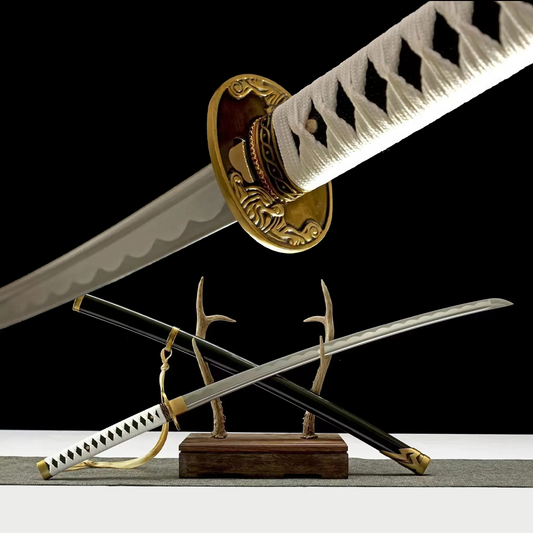
Jin Sakai Katana – Ghost of Tsushima Edition
This exceptional piece captures the essence of feudal Japan through meticulous attention to historical accuracy. Features include: - 1060 carbon steel blade with differential hardening - Full tang construction for optimal balance and durability - Traditional ray skin handle with authentic silk cord wrapping - Blade length: 28 inches (71cm) with classic curvature - Museum-quality finish with hand-polished surface
⭐⭐⭐⭐⭐ "Absolutely stunning craftsmanship. The weight and balance feel perfect, and the hamon line is clearly visible. Worth every penny for serious collectors." - Sarah M., Vancouver, BC
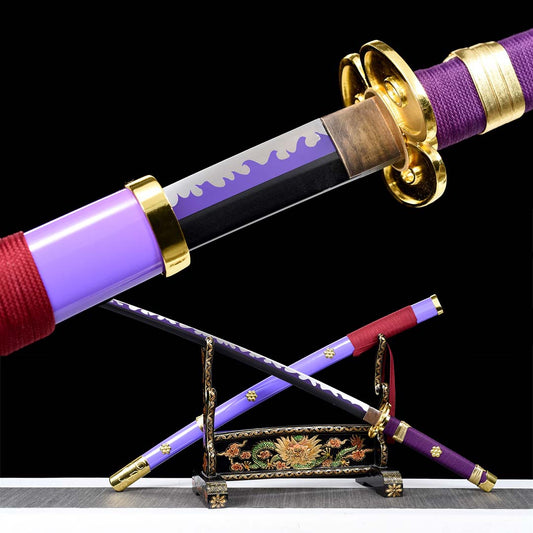
Shinobu Kocho Katana – Demon Slayer Edition
Inspired by the Insect Hashira's graceful yet deadly fighting style, this sword combines traditional techniques with anime-inspired aesthetics: - 1060 carbon steel construction with superior edge retention - Distinctive purple and white color scheme matching the character design - Hand-forged guard featuring butterfly motifs - Lightweight design optimized for quick, precise movements - Traditional scabbard with custom artwork
⭐⭐⭐⭐⭐ "The attention to detail is incredible. Even the smallest fittings show quality craftsmanship. My son was thrilled with this purchase." - Michel L., Montreal, QC
Kill Bill Katana Sword
This iconic piece recreates one of cinema's most famous swords with authentic Japanese construction methods: - Damascus steel blade featuring distinctive folded patterns - Real ray skin handle with traditional yellow cord wrapping - Full tang construction meeting museum-quality standards - Hand-forged fittings with brass accents - Includes premium wooden storage box
Michonne Katana Sword
Capturing the post-apocalyptic warrior's signature weapon, this blade emphasizes functionality and durability: - 1095 carbon steel for maximum sharpness and edge retention - Weather-resistant finish suitable for display or use - Ergonomic handle design for extended grip comfort - Traditional construction with modern performance enhancements - Includes certificate of authenticity
Michonne Katana – Premium Edition
The ultimate version of this popular design, featuring enhanced materials and craftsmanship: - Premium 1095 carbon steel with specialized heat treatment - Damascus pattern welding creating unique grain structure - Hand-carved wooden scabbard with custom engravings - Collector-grade presentation packaging
⭐⭐⭐⭐⭐ "This is definitely a premium piece. The Damascus pattern is gorgeous, and you can tell this was made by skilled craftsmen. Highly recommended for serious collectors." - David K., Calgary, AB
Hiroshima Katana
A tribute to traditional Japanese swordsmithing, this piece emphasizes classical design elements: - Carbon steel construction using historical forging methods - Traditional hamon temper line clearly visible along the blade - Authentic fittings crafted using period-appropriate techniques - Classic proportions following Edo period specifications - Hand-polished finish showcasing the steel's natural beauty
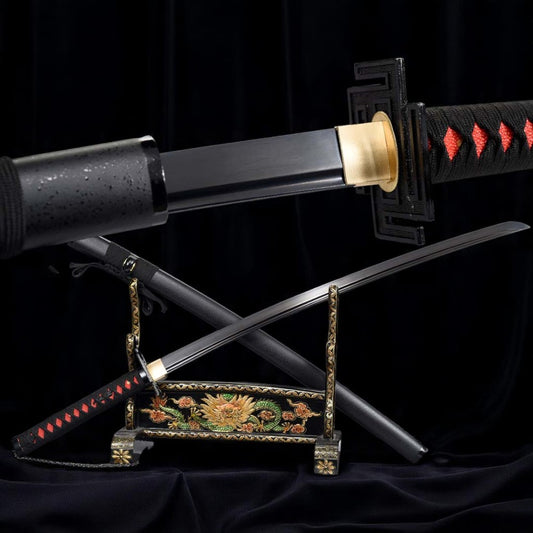
Kiryu Katana
Named after the legendary yakuza character, this sword balances modern appeal with traditional craftsmanship: - Premium carbon steel with superior metallurgical properties - Damascus folding patterns creating distinctive visual appeal - Ergonomic handle design for superior control and comfort - Professional-grade construction suitable for serious collectors - Includes detailed care and maintenance guide
Katana Customizer
For collectors seeking a truly unique piece, our customization service allows you to create a personalized sword: - Choose from multiple steel types and hardness levels - Custom handle wrapping colors and patterns - Personalized engraving options for blade and fittings - Traditional or modern design elements - Direct consultation with master craftsmen
Each sword in our collection represents hundreds of hours of skilled craftsmanship. Our artisans follow traditional Japanese methods while incorporating modern quality control standards. Whether you're seeking a functional blade for martial arts or a display piece for your collection, our selection offers authentic Japanese sword artistry.

Handmade Katana Buying Guide for Canadians
When selecting your first handmade katana, steel type represents the most important consideration. Having compared multiple versions side-by-side, we've found that 1060 carbon steel offers the best balance for most collectors—it's durable, holds an edge well, and requires minimal maintenance. For those seeking maximum sharpness, 1095 carbon steel provides superior cutting ability but demands more careful care to prevent rust.
Damascus steel swords showcase beautiful folded patterns but often come at higher price points. These blades combine multiple steel types, creating striking visual effects while maintaining functional properties. However, some Damascus patterns are purely aesthetic—true pattern welding requires significantly more craftsmanship and commands premium pricing accordingly.
Size considerations matter more than many first-time buyers realize. A full-size sword with a 28-30 inch blade provides authentic proportions but requires adequate display space. Our mini katana collection offers an alternative for apartment dwellers or those with limited space, maintaining authentic proportions at reduced scale.
Budget planning should account for accessories beyond the sword itself. Quality display stands range from simple wooden holders to elaborate wall mounts, while proper maintenance requires specialized oils and cleaning cloths. Our katana accessories collection provides everything needed for proper care and presentation of your investment.
Authentication becomes crucial when purchasing authentic swords online. Look for sellers who provide detailed specifications, including steel type, hardness ratings, and construction methods. Authentic pieces should include information about the forging process, heat treatment, and finishing techniques. Mass-produced swords often lack these details or provide vague descriptions.
Canadian import regulations allow katana ownership for collectors and martial artists, but understanding local laws ensures compliance. Most provinces permit ownership for legitimate purposes, though carrying them in public remains restricted. Always research your local regulations before purchasing, as some municipalities have specific storage requirements for bladed weapons.
Quality indicators help distinguish genuine pieces from inferior alternatives. Authentic swords feature full tang construction, visible hamon lines, and consistent fit and finish throughout all components. The blade should ring clearly when gently tapped, indicating proper heat treatment and metallurgy. Poorly made swords often show gaps between fittings, uneven polishing, or artificial-looking hamon lines.
Weight distribution affects both aesthetics and functionality. A properly balanced sword feels natural in hand, with the balance point typically located 4-6 inches from the guard. Blade-heavy swords tire the wielder quickly, while handle-heavy pieces lack proper cutting geometry. Our entry-level collection features well-balanced options perfect for newcomers to Japanese sword collecting.
Professional inspection services can verify authenticity for high-value purchases. While not necessary for most collectors, expensive antique or custom pieces benefit from expert evaluation. These services examine metallurgy, construction methods, and historical accuracy to confirm authenticity and value.
Maintenance requirements vary significantly between different sword types. Carbon steel blades need regular oiling to prevent rust, while some modern treatments reduce maintenance needs. Factor ongoing care costs into your purchase decision—proper maintenance ensures your investment retains both beauty and value over time.
Handmade Katana Care & Maintenance
Proper maintenance ensures your handmade katana retains its beauty and functionality for generations. Carbon steel construction—the hallmark of authentic pieces—requires regular attention to prevent rust and corrosion. Our detailed maintenance guide covers everything needed to preserve these magnificent weapons.
Basic cleaning should occur after each handling session. Skin oils and moisture from fingerprints can cause oxidation spots on carbon steel blades. Use a soft, lint-free cloth to wipe the blade from the base to the tip, following the cutting edge direction. Never clean toward the spine or against the edge, as this can damage the polish and potentially dull the blade.
Oil application provides essential protection for these blades. Traditional choji oil (clove oil) offers the best protection, though modern mineral oils work adequately. Apply a thin, even layer using a clean cloth, ensuring complete coverage without excess pooling. The oil creates a barrier against moisture while highlighting the hamon temper line's natural beauty.
Storage environment significantly impacts long-term preservation. Ideal conditions maintain 45-50% humidity with stable temperatures around 65-70°F (18-21°C). Avoid basements, attics, or other areas prone to temperature fluctuations. Silica gel packets in storage containers help control humidity, particularly important for Canadian collectors dealing with seasonal variations.

Handle maintenance requires different techniques than blade care. The ray skin and cord wrapping can accumulate dirt and oils over time. Clean handles with a slightly damp cloth, ensuring no moisture penetrates the wrapping. Allow complete drying before storage. Loose wrapping may require professional re-wrapping to maintain authenticity and proper grip.
Professional restoration may become necessary for heavily used or neglected swords. Signs requiring expert attention include deep rust spots, chips in the cutting edge, or loose handle fittings. Attempting repairs without proper knowledge can permanently damage these valuable pieces. Our recommended restoration specialists understand traditional Japanese methods and materials.
Seasonal care routines help Canadian collectors manage climate challenges. Winter heating can dry the air significantly, requiring more frequent oil applications. Summer humidity may accelerate corrosion, particularly in coastal regions. Monitor your swords closely during seasonal transitions and adjust maintenance frequency accordingly.
Display considerations affect maintenance needs. Direct sunlight fades handle wrapping and can cause temperature fluctuations that stress the metal. Wall mounts should allow air circulation around the entire sword. Enclosed cases provide better protection but require desiccant packets to control humidity levels.
Tool requirements for proper maintenance remain minimal but specific. Quality cloths should be lint-free and dedicated solely to sword care. Separate cloths for cleaning and oiling prevent contamination. Avoid paper towels or abrasive materials that might scratch the polished surface.
Professional cleaning services offer alternatives for collectors uncomfortable with DIY maintenance. These specialists understand traditional Japanese polishing techniques and can restore even severely neglected pieces. While more expensive than self-maintenance, professional care ensures museum-quality results for valuable swords.
Record keeping helps track maintenance schedules and condition changes over time. Note cleaning dates, oil applications, and any observations about the sword's condition. This documentation proves valuable for insurance purposes and helps establish provenance for future resale if desired.
Why Choose Katana Canada for Handmade Katana
As a Canadian company specializing in authentic Japanese sword artistry, we understand the unique needs of collectors across our vast country. Our expertise in handmade katana selection ensures every piece meets the highest standards of traditional craftsmanship while providing the customer service excellence Canadian buyers expect.
Payment in Canadian dollars eliminates currency conversion concerns and unexpected fees. We accept all major Canadian payment methods, making purchases convenient for collectors from British Columbia to Newfoundland. No hidden charges or surprise exchange rate fluctuations—the price you see represents the total Canadian dollar amount.
Our bilingual customer service team provides support in both French and English, reflecting Canada's linguistic diversity. Whether you're a francophone collector in Quebec or an anglophone enthusiast in Alberta, we communicate in your preferred language. Technical questions about steel types, maintenance procedures, or display options receive detailed, expert responses.
Quality inspection protocols exceed industry standards for katana verification. Each sword undergoes comprehensive examination before shipping, including blade geometry verification, construction quality assessment, and finish evaluation. We reject pieces that don't meet our stringent authenticity requirements, ensuring customers receive genuine artisan-crafted swords.
Educational resources help Canadian collectors make informed decisions about their purchases. Our detailed guides cover everything from steel type selection to proper maintenance techniques suited for Canadian climate conditions. New collectors receive comprehensive care instructions, while experienced enthusiasts access advanced technical information.
Our extensive collection represents partnerships with master craftsmen who maintain traditional Japanese forging techniques. These aren't mass-produced imports—each piece reflects genuine artistry and attention to detail. From entry-level options for new collectors to premium pieces for serious enthusiasts, our selection spans all experience levels and budgets.
Customer satisfaction drives every aspect of our service approach. We understand that purchasing a sword represents a significant investment, both financially and emotionally. Our team provides honest assessments, detailed specifications, and realistic expectations for each piece. If a sword doesn't meet your expectations, we work diligently to find solutions that ensure your satisfaction.
Frequently Asked Questions About Handmade Katana
What makes a handmade katana authentic?
Authentic handmade katana showcase specific construction methods and materials that distinguish them from mass-produced alternatives. True authenticity requires differential hardening techniques that create visible hamon temper lines, full tang construction extending through the entire handle, and traditional materials including ray skin wrapping and silk cord. The forging process must follow classical Japanese methods, with master craftsmen folding steel repeatedly to remove impurities and create the distinctive grain patterns. Machine-made swords can't replicate the subtle variations and hand-forged characteristics that define genuine pieces. Look for certificates of authenticity, detailed craftsmanship descriptions, and clear specifications about steel types and heat treatment processes.
What steel type is best for handmade katana?
Steel selection depends on your intended use and experience level with maintenance. 1060 carbon steel offers excellent durability and edge retention while remaining relatively easy to maintain, making it ideal for most collectors. 1095 carbon steel provides superior sharpness and cutting ability but requires more careful rust prevention due to higher carbon content. Damascus steel creates stunning visual patterns through folding techniques but commands higher prices for authentic pattern welding. T10 tool steel, hardened to 58-60 HRC, delivers exceptional performance for serious practitioners. Beginners should start with 1060 carbon steel to develop proper maintenance skills before advancing to more demanding steel types that require specialized care techniques.
How do I care for my handmade katana?
Proper care involves regular cleaning, oiling, and appropriate storage conditions to prevent rust and maintain the blade's pristine condition. Clean the blade after each handling using lint-free cloths, wiping from base to tip following the cutting edge direction. Apply traditional choji oil or high-quality mineral oil in thin, even layers to create moisture barriers. Store in stable environments with 45-50% humidity and temperatures around 65-70°F, avoiding areas prone to fluctuations. Handle maintenance requires gentle cleaning of ray skin and cord wrapping without allowing moisture penetration. Professional restoration may be necessary for deep rust, edge damage, or loose fittings. Canadian collectors must account for seasonal climate variations that affect maintenance frequency and storage requirements.
What size handmade katana should I choose?
Size selection depends on display space, intended use, and personal preferences regarding authenticity versus practicality. Full-size katana with 28-30 inch blades provide authentic proportions matching historical examples but require adequate display space and wall mounts. Overall length typically reaches 39-41 inches including the handle, demanding careful consideration of available room dimensions. Mini katana offer authentic proportions at reduced scale, perfect for apartment dwellers or those with limited space while maintaining traditional aesthetic appeal. Weight considerations matter for handling comfort—typical swords weigh 1.2-1.5kg (2.6-3.3 lbs), with proper balance points located 4-6 inches from the guard. Consider your physical comfort, display environment, and local regulations when selecting appropriate dimensions for your collection needs.
How do I display my handmade katana?
Proper display requires careful attention to environmental factors, security considerations, and aesthetic presentation that honors these magnificent weapons. Wall mounts should support the sword at multiple points without stress concentration, avoiding single-point hangers that can damage the scabbard or handle over time. Horizontal displays work best for most spaces, though vertical mounts save wall space in smaller rooms. Avoid direct sunlight that fades handle wrapping and creates temperature fluctuations stressing the metal components. Display cases provide superior protection from dust and humidity while allowing full appreciation of craftsmanship details. Climate control becomes crucial for Canadian collections, with silica gel packets helping maintain stable humidity levels. Professional display stands crafted from quality woods complement traditional Japanese aesthetics while providing stable, secure presentation platforms for these valuable pieces.
Is it legal to own a handmade katana in Canada?
Ownership remains legal across Canada for collectors, martial artists, and enthusiasts, though specific regulations vary by province and municipality regarding storage, transport, and public display. Federal law doesn't prohibit katana ownership for legitimate purposes, but carrying these weapons in public spaces faces strict restrictions in most jurisdictions. Some provinces require secure storage similar to firearms regulations, particularly for functional blades capable of cutting. Municipal bylaws may impose additional restrictions on blade length or display requirements, making local research essential before purchasing. Educational purposes, martial arts training, and collecting represent accepted ownership reasons in most Canadian jurisdictions. Always verify current regulations in your specific location, as laws evolve and enforcement varies. Documentation proving legitimate collecting or martial arts purposes can help demonstrate compliance with local regulations if questions arise about your ownership.

 Save $90