Buy Swords Online Canada: Your Complete Guide to Authentic Katana and Japanese Blades

Buy Swords Online Canada: Your Complete Guide to Authentic Katana and Japanese Blades

Buy Swords Online Canada: Your Complete Guide to Authentic Katana and Japanese Blades

The morning sun catches the edge of polished steel, casting a silver line across the tatami mat. In that moment, centuries of tradition, honor, and craftsmanship converge into a single blade—the katana. For Canadian collectors and enthusiasts, the dream of owning an authentic piece of Japanese heritage has never been more accessible. The digital age has transformed how we acquire these legendary weapons, bringing the ancient art of the samurai directly to your doorstep.

Table of Contents

  1. The Sacred Heritage: Origins of the Japanese Katana
  2. Legendary Blades and Their Wielders
  3. The Art of Steel: Craftsmanship and Construction
  4. Our Premium Collection: Featured Katana Swords
  5. The Collector's Compass: Choosing Your Perfect Blade
  6. Steel Types and Quality: Understanding Your Investment
  7. Why Choose Katana Canada for Your Sword Collection
  8. Frequently Asked Questions

The Sacred Heritage: Origins of the Japanese Katana

The katana's story begins in the mists of medieval Japan, where master swordsmiths transformed raw steel into instruments of both warfare and spiritual significance. Born during the Kamakura period (1185-1333), these curved, single-edged blades represented more than mere weapons—they embodied the soul of the samurai class and became symbols of honor, duty, and artistic achievement.

The development of the katana emerged from practical necessity. Earlier straight-bladed swords, influenced by Chinese designs, proved less effective in mounted combat. Japanese smiths revolutionized blade design by introducing the characteristic curve, creating a weapon perfectly balanced for both cutting and drawing techniques. This innovation coincided with the rise of the warrior class, establishing the katana as the primary weapon of the samurai.

Master swordsmiths like Masamune and Muramasa became legendary figures, their techniques passed down through generations of apprentices. These artisans didn't merely forge metal; they created works of art that reflected the spiritual beliefs and aesthetic principles of their time. The process of crafting a katana was considered sacred, involving ritual purification, prayers, and meticulous attention to every detail from the selection of raw materials to the final polishing.

The cultural significance of the katana extended far beyond its military applications. In Japanese society, these blades served as family heirlooms, passed down through generations as symbols of lineage and honor. The famous phrase "the soul of the samurai resides in his sword" reflects the deep spiritual connection between warrior and weapon. Even today, authentic antique katana are considered national treasures in Japan, protected by strict cultural preservation laws.

For modern Canadian collectors, understanding this rich heritage enhances appreciation for contemporary reproductions and functional pieces. When you purchase Japanese swords online in Canada, you're not just acquiring a weapon—you're obtaining a piece of history that connects you to centuries of tradition, craftsmanship, and cultural significance.

Legendary Blades and Their Wielders

The pantheon of legendary katana encompasses both historical weapons wielded by famous samurai and fictional blades that have captured imaginations through literature, film, and anime. These iconic swords continue to inspire modern reproductions and fuel the passion of collectors worldwide.

Historical legends like Honjo Masamune, crafted by Japan's greatest swordsmith, disappeared after World War II and remains one of the most sought-after lost treasures. The blade's reputation for cutting through armor while remaining remarkably sharp made it a symbol of ultimate craftsmanship. Similarly, the Muramasa blades gained notoriety as "cursed swords," allegedly driving their wielders to violence—a reputation that made them both feared and coveted.

Contemporary pop culture has introduced new generations to katana through beloved characters and their signature weapons. Tanjiro Kamado's Nichirin blade from Demon Slayer represents the modern interpretation of traditional Japanese sword symbolism, while Roronoa Zoro's three-sword style from One Piece reimagines classical swordsmanship for a global audience. These fictional weapons have become just as meaningful to collectors as their historical counterparts.

The symbolism embedded in these legendary blades transcends their physical form. Each represents different aspects of the warrior spirit: courage, sacrifice, determination, and the constant struggle between light and darkness. Modern reproductions of these weapons allow collectors to connect with these powerful narratives while appreciating the craftsmanship that brings fiction to reality.

Video game influences have also shaped contemporary sword collecting, with weapons from titles like Ghost of Tsushima introducing players to authentic Japanese sword culture through interactive storytelling. These digital experiences have sparked renewed interest in traditional weapons, leading many to seek physical representations of their virtual adventures.

For Canadian enthusiasts looking to purchase katana replicas through online retailers, the appeal lies not just in owning a beautiful weapon, but in possessing a tangible connection to the stories, characters, and traditions that have shaped our understanding of the samurai legacy. Each blade carries the weight of its inspiration, whether drawn from historical records or contemporary imagination.

The Art of Steel: Craftsmanship and Construction

The creation of an authentic katana represents one of metallurgy's most sophisticated achievements, involving techniques developed over centuries of refinement. Understanding these processes helps collectors appreciate the complexity behind every blade and make informed decisions when purchasing reproductions.

Traditional katana construction begins with tamahagane, steel smelted from iron-bearing sand in a clay furnace called a tatara. This process produces steel of varying carbon content, which smiths carefully sort and combine to create the blade's complex structure. The most common construction method, kobuse, involves wrapping softer iron around a hard steel core, creating a blade that balances sharpness with durability.

The folding and forge-welding process removes impurities while distributing carbon evenly throughout the steel. Master smiths might fold the metal sixteen times or more, creating thousands of layers that contribute to the blade's strength and distinctive hamon—the temper line visible along the cutting edge. This process requires incredible skill, as too much folding can actually weaken the steel by burning out essential carbon.

Modern reproductions utilize contemporary steel alloys like 1060 carbon steel, which offers excellent performance characteristics while remaining accessible to collectors. These modern materials can achieve similar hardness and flexibility to traditional tamahagane when properly heat-treated, though they lack the romantic mystique of ancient smelting methods.

The geometry of a katana blade involves precise calculations affecting balance, cutting ability, and aesthetic appeal. The curve (sori) must be perfectly positioned to optimize the sword's cutting motion, while the ridge line (shinogi) affects both strength and visual proportions. Edge geometry determines cutting performance, with acute angles providing superior sharpness at the cost of durability.

Heat treatment represents the most critical phase of construction, transforming raw steel into a functional weapon. The differential hardening process creates the hamon while ensuring the spine remains flexible enough to absorb impact without breaking. This requires precise temperature control and timing—skills that separate master craftsmen from mere metalworkers.

For those seeking to buy swords online Canada, understanding these construction principles helps distinguish quality reproductions from inferior products. Authentic construction techniques, even when applied to modern materials, produce blades that honor traditional methods while providing reliable performance for contemporary collectors.

Our curated selection represents the finest reproductions available to Canadian collectors, each blade carefully chosen for its authentic construction, attention to detail, and connection to beloved characters and traditions. These weapons combine traditional craftsmanship with modern materials to create functional art pieces worthy of any collection.

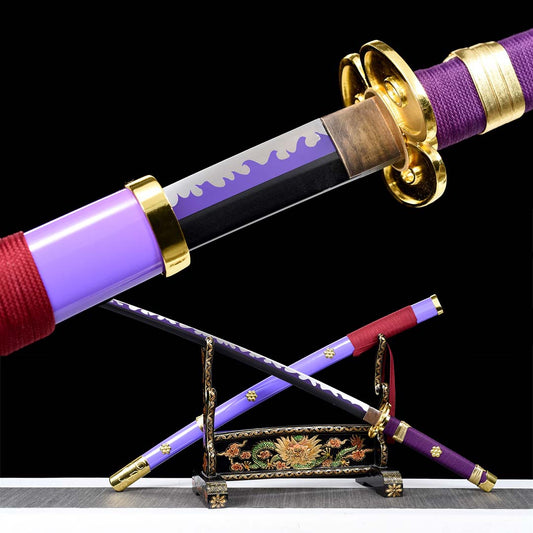
The Sandai Kitetsu Katana Sword at $390.00 CAD embodies the legendary cursed blade from One Piece, featuring: - Premium 1060 carbon steel construction for authentic feel and performance - Hand-forged blade with traditional differential hardening - Authentic ray skin handle wrap with traditional cotton cord binding - Custom scabbard with detailed metalwork and authentic lacquer finish - Full tang construction ensuring structural integrity for display and practice

⭐⭐⭐⭐⭐ "The attention to detail is incredible. Every aspect feels authentic, from the weight distribution to the scabbard craftsmanship." - Michael T., Vancouver, BC

The Tanjiro Kamado Katana Sword V2 at $390.00 CAD captures the essence of the beloved Demon Slayer protagonist's weapon: - 1060 carbon steel blade with enhanced durability and edge retention - Distinctive black and green color scheme faithful to the anime design - Traditional tsuba (handguard) with intricate flame motifs - Ergonomic handle design optimized for both display and handling - Weather-resistant scabbard suitable for outdoor photography and cosplay

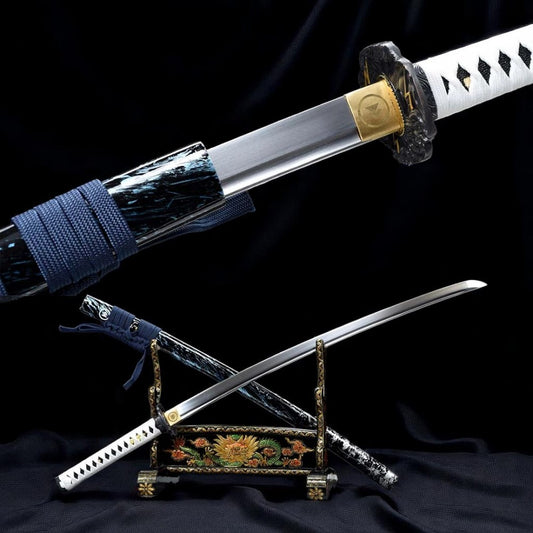
The original Tanjiro Kamado Katana Sword at $390.00 CAD offers collectors the classic interpretation of this iconic blade: - Authentic 1060 carbon steel construction with proper heat treatment - Traditional Japanese polishing techniques highlighting the steel's natural beauty - Hand-wrapped handle using time-honored binding methods - Museum-quality display stand included for elegant presentation - Detailed certificate of authenticity documenting construction specifications

⭐⭐⭐⭐⭐ "Perfect balance and beautiful craftsmanship. The blade quality exceeded my expectations for the price point." - Sarah L., Toronto, ON

The Enma Katana Sword at $390.00 CAD represents another masterpiece from the One Piece universe: - High-carbon 1060 steel blade with traditional clay tempering - Distinctive cross-shaped tsuba with weathered finish details - Traditional same (ray skin) handle with authentic cotton wrapping - Custom scabbard featuring battle-worn aesthetic elements - Full-length tang construction for maximum durability and balance

For gaming enthusiasts, the Jin Sakai Katana – Ghost of Tsushima Edition at $425.00 CAD brings the digital realm to life: - Premium 1060 carbon steel blade with enhanced corrosion resistance - Authentic Mongol-period inspired design elements - Traditional Japanese sword geometry optimized for cutting performance - Hand-forged components using time-honored techniques - Custom presentation case reflecting the game's aesthetic design

⭐⭐⭐⭐⭐ "As a Ghost of Tsushima fan, this sword exceeded all expectations. The quality is museum-worthy." - James K., Calgary, AB

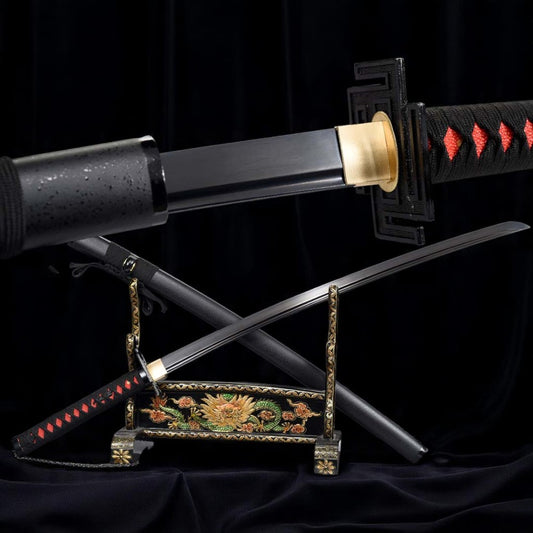
The Shusui Katana Sword at $390.00 CAD honors Roronoa Zoro's legendary black blade: - 1060 carbon steel with distinctive black oxide finish - Traditional hamon (temper line) visible through specialized polishing - Ergonomic handle design based on historical sword proportions - Authentic scabbard with period-appropriate hardware and fittings - Professional-grade construction suitable for martial arts training

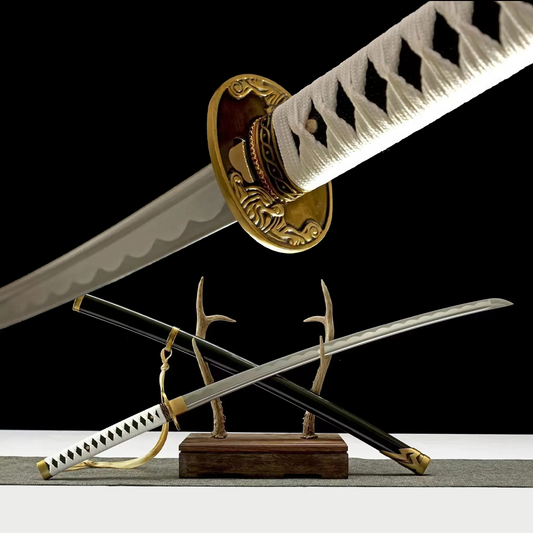
The Wado Ichimonji Katana Sword at $390.00 CAD completes our One Piece collection with this elegant white-handled masterpiece: - Premium 1060 carbon steel blade with mirror polish finish - Distinctive white handle wrapping using traditional techniques - Minimalist design reflecting the sword's peaceful philosophy - Precision-balanced for both display and functional use - Included maintenance kit for long-term care and preservation

⭐⭐⭐⭐⭐ "The white handle design is stunning, and the blade quality rivals much more expensive pieces." - Lisa M., Montreal, QC

Each sword in our collection undergoes rigorous quality inspection before shipping, ensuring Canadian collectors receive only the finest reproductions available. These pieces represent the perfect intersection of traditional craftsmanship, modern materials, and pop culture inspiration.

The Collector's Compass: Choosing Your Perfect Blade

Selecting the ideal katana requires balancing personal preferences, intended use, and budget considerations while understanding the subtle differences that distinguish exceptional pieces from ordinary reproductions. The decision-making process becomes more rewarding when approached systematically, considering both practical and aesthetic factors.

First, determine your primary purpose: display, cosplay, martial arts training, or investment collecting. Display pieces prioritize visual impact and authentic detailing, while functional blades require superior steel quality and proper heat treatment. Cosplay weapons need lightweight construction and safety considerations, whereas training swords demand durability and proper balance for extended use.

Steel quality represents the most critical factor affecting long-term satisfaction. 1060 carbon steel offers excellent performance characteristics for most collectors, providing good edge retention and authentic feel without requiring extensive maintenance. Higher carbon content steels like 1095 offer superior performance but demand more careful storage and regular maintenance to prevent corrosion.

Handle construction significantly affects both comfort and authenticity. Traditional same (ray skin) with cotton cord wrapping provides the most authentic feel and superior grip, while synthetic materials offer easier maintenance and consistent appearance. Consider hand size and intended grip style when evaluating handle proportions and wrapping patterns.

Weight distribution influences handling characteristics and overall satisfaction. Properly balanced katana feel effortless despite their substantial weight, with the balance point typically located just forward of the handguard. Test this by supporting the sword at different points to find its natural balance—quality pieces demonstrate precise weight distribution that enhances cutting motion.

Visual aesthetics play an increasingly important role for modern collectors, especially those drawn to anime-inspired designs. Consider how closely reproductions match source material while maintaining functional characteristics. The best pieces successfully bridge the gap between fantasy design and practical weapon geometry.

Budget considerations should include long-term value rather than just initial cost. Quality reproductions from reputable manufacturers retain their value better than mass-produced alternatives, while proper maintenance preserves both function and appearance for decades. Consider the total investment including display stands, maintenance supplies, and potential upgrades.

Research manufacturer reputation and construction methods before making final decisions. Companies specializing in Japanese weapons typically offer superior products compared to general knife manufacturers, with better understanding of traditional proportions and heat treatment requirements.

For those seeking comprehensive guidance on selection criteria, our Complete Guide to Types of Swords: From Ancient Blades to Modern Masterpieces provides detailed analysis of different blade styles and construction methods.

Steel Types and Quality: Understanding Your Investment

The foundation of any exceptional katana lies in its steel composition and heat treatment, factors that determine everything from cutting performance to long-term durability. Understanding these metallurgical aspects empowers collectors to make informed decisions and appreciate the craftsmanship behind their acquisitions.

1060 carbon steel represents the gold standard for reproduction katana, offering an optimal balance of hardness, flexibility, and edge retention. This medium-carbon steel contains approximately 0.60% carbon, providing sufficient hardness for sharp edges while maintaining enough flexibility to resist breakage under stress. Proper heat treatment of 1060 steel produces blades capable of achieving razor sharpness while remaining durable enough for regular handling.

1095 carbon steel contains higher carbon content (0.95%), resulting in harder blades capable of superior edge retention and cutting performance. However, this increased hardness comes with trade-offs: greater brittleness, higher maintenance requirements, and increased susceptibility to corrosion. Advanced collectors often prefer 1095 steel for its performance characteristics, despite the additional care requirements.

Damascus steel construction involves folding and forge-welding different steel types to create distinctive patterns while combining beneficial properties of multiple alloys. Modern Damascus typically uses alternating layers of high and low carbon steels, producing beautiful wavy patterns (hada) reminiscent of traditional Japanese construction methods. While primarily aesthetic, quality Damascus construction can offer excellent performance characteristics.

Heat treatment processes transform raw steel into functional weapons through carefully controlled heating and cooling cycles. Differential hardening creates the characteristic hamon (temper line) while ensuring the spine remains relatively soft and flexible. This process requires precise temperature control and timing—skills that separate quality manufacturers from mass producers.

Tempering follows initial hardening, reducing brittleness while maintaining adequate hardness for cutting tasks. Proper tempering produces the golden balance between hardness and toughness that characterizes exceptional katana. Visual indicators of proper heat treatment include consistent hamon patterns and appropriate file hardness across the blade.

Corrosion resistance varies significantly between steel types and surface treatments. Carbon steels require regular maintenance to prevent rust, while some manufacturers apply protective coatings or special heat treatments to enhance corrosion resistance. Understanding maintenance requirements helps collectors choose appropriate steel types for their environment and usage patterns.

Quality indicators include consistent geometry, proper heat treatment evidence (visible hamon), and attention to finishing details. Reputable manufacturers provide detailed specifications about steel composition and heat treatment processes, while inferior products often lack this information or make unrealistic claims about performance.

For detailed exploration of traditional construction methods, consult our Complete Guide to Katana Swords: History, Craftsmanship, and Authentic Japanese Blades.

Why Choose Katana Canada for Your Sword Collection

Katana Canada stands as the premier destination for Canadian collectors seeking authentic, high-quality Japanese weapons and accessories. Our commitment to excellence, customer service, and cultural authenticity sets us apart in an industry often dominated by mass-produced imitations and questionable quality standards.

As a Canadian company, we understand the unique needs of collectors across our vast nation. Our French and English support ensures effective communication with customers from coast to coast, while our deep understanding of Canadian import regulations guarantees smooth transactions without unexpected customs complications or delays.

Payment in Canadian dollars eliminates currency conversion fees and exchange rate uncertainties that plague international purchases. This transparent pricing structure allows collectors to budget accurately while supporting Canadian business and ensuring their investment retains value in the local market.

Our no customs fees policy protects customers from surprise charges that can significantly increase final costs. Unlike international retailers who may not properly declare shipment values or understand Canadian import procedures, we handle all customs documentation professionally, ensuring your purchase arrives without additional financial surprises.

The expertise of our team extends beyond mere sales transactions. Our staff includes collectors, martial artists, and cultural enthusiasts who understand the significance of these weapons beyond their commercial value. This knowledge translates into superior customer service, accurate product descriptions, and recommendations tailored to individual collector needs.

Quality assurance represents our highest priority, with every piece undergoing thorough inspection before shipping. We partner exclusively with manufacturers who demonstrate commitment to authentic construction methods and superior materials, ensuring our customers receive weapons worthy of their investment and enthusiasm.

Our comprehensive warranty and return policies reflect confidence in our products while protecting customer investments. We stand behind every sale with responsive customer service and fair resolution policies that prioritize customer satisfaction over short-term profits.

Educational support enhances the collecting experience through detailed product information, maintenance guides, and cultural context that helps customers appreciate their acquisitions fully. This commitment to education reflects our belief that informed collectors become passionate advocates for authentic Japanese weapon culture.

⭐⭐⭐⭐⭐ "Outstanding service from ordering to delivery. The team clearly knows their products and genuinely cares about customer satisfaction." - Robert H., Halifax, NS

Frequently Asked Questions

Q: How can I verify the authenticity and quality of katana when I buy swords online Canada?

Authentic katana reproductions demonstrate several key quality indicators that distinguish them from mass-produced imitations. First, examine the steel composition—legitimate manufacturers clearly specify steel types like 1060 or 1095 carbon steel rather than vague terms like "high-quality steel." Look for evidence of proper heat treatment, including visible hamon (temper line) and appropriate hardness gradation from edge to spine. The construction should feature full tang design where the blade metal extends through the entire handle, ensuring structural integrity. Quality pieces also display consistent geometry, proper weight distribution, and attention to traditional proportions. Reputable sellers provide detailed specifications, construction information, and clear return policies. Additionally, authentic pieces often include certificates of authenticity or detailed documentation about materials and manufacturing processes. When purchasing online, research manufacturer reputation, read customer reviews, and verify that the seller offers comprehensive customer support and stands behind their products with warranties.

Q: What materials and steel types should I look for in a quality katana purchase?

The steel type fundamentally determines a katana's performance characteristics and longevity. 1060 carbon steel represents the optimal choice for most collectors, offering excellent balance between hardness, flexibility, and maintenance requirements. This medium-carbon steel achieves sufficient hardness for sharp edges while maintaining flexibility to prevent breakage under stress. 1095 carbon steel contains higher carbon content, resulting in superior edge retention but requiring more careful maintenance and being more susceptible to corrosion. Avoid stainless steel katana, which cannot achieve proper hardness for authentic performance and often feature poor balance and construction. Handle materials should include traditional same (ray skin) or quality synthetic alternatives, wrapped with cotton or silk cord using authentic binding techniques. The scabbard (saya) should be constructed from quality hardwood with proper lacquer finish and functional hardware. Fittings including the handguard (tsuba), handle ornaments, and scabbard hardware should be made from quality metals rather than cheap alloys that tarnish or break easily. Quality construction also requires proper heat treatment evidenced by visible hamon and appropriate temper throughout the blade.

Q: How do I determine the correct size and dimensions for my first katana?

Katana sizing involves several measurements that affect both functionality and comfort. Blade length typically ranges from 28 to 32 inches, with traditional measurements based on the wielder's arm length—the katana should extend from your hand to approximately your armpit when held at your side. Overall length including handle usually measures 38-42 inches for standard katana. Handle length affects grip comfort and control, typically measuring 10-12 inches to accommodate two-handed use while fitting your hand proportions. Weight considerations matter significantly, with authentic reproductions weighing 2.5-3.5 pounds when properly balanced. Heavier pieces may look impressive but become unwieldy for handling, while lighter swords often indicate poor construction or inappropriate materials. Curve (sori) affects cutting dynamics, with traditional measurements ranging 0.5-0.8 inches for optimal performance. For beginners, standard proportions work best until you develop preferences through experience. Consider your intended use—display pieces can prioritize visual impact while functional swords require ergonomic considerations. If possible, handle different sizes before purchasing to understand personal preferences, though reputable dealers offer detailed dimensions and return policies for sizing issues.

Q: What care and maintenance do carbon steel katana require?

Carbon steel katana require regular maintenance to preserve their appearance and prevent corrosion, but proper care ensures decades of enjoyment. After each handling session, wipe the blade with a clean, dry cloth to remove fingerprints and moisture. For thorough cleaning, use denatured alcohol or specialized sword cleaning solutions rather than water, which can cause rust. Apply a thin layer of quality sword oil or mineral oil to all metal surfaces, paying special attention to the edge and any exposed tang areas. Store katana horizontally on proper stands rather than leaning against walls, which can damage the point or affect blade geometry. Avoid storing in cases or scabbards for extended periods without periodic inspection, as trapped moisture can cause corrosion. The scabbard interior should be kept clean and dry, occasionally treating wooden components with appropriate wood preservatives. Handle wrapping requires minimal maintenance beyond gentle cleaning with slightly damp cloth when necessary. Inspect fittings regularly for looseness or wear, addressing issues promptly to prevent damage. Avoid touching the blade directly with bare hands when possible, as skin oils promote corrosion. For long-term storage, consider climate-controlled environments with stable humidity levels. Professional maintenance services can address serious issues like re-polishing or handle rewrapping when necessary.

Q: What display options work best for katana collections?

Proper display enhances both the aesthetic appeal and preservation of katana collections while ensuring easy access for viewing and handling. Traditional horizontal stands (katana-kake) offer the most authentic presentation, supporting the sword at two points while allowing full appreciation of the blade's curve and proportions. These stands come in various materials from simple wood to elaborate lacquered designs with multiple tiers for displaying several swords simultaneously. Wall-mounted displays create dramatic focal points while saving floor space, but ensure proper support at multiple points to prevent stress on the blade. Avoid single-point hanging systems that can damage the sword over time. Display cases protect valuable pieces from dust and unauthorized handling while providing controlled environments for long-term preservation. Glass cases also allow safe display in high-traffic areas without constant supervision. Lighting considerations significantly impact visual appeal—avoid direct sunlight which can damage handle wrapping and wooden components, while LED lighting provides excellent illumination without heat generation. Rotating displays prevent prolonged pressure on any single point while allowing appreciation of different aspects of the sword's construction. Consider room humidity and temperature stability when choosing display locations, avoiding areas near heating vents, windows, or high-moisture environments. Security measures may be necessary for valuable collections, from simple locks to more sophisticated alarm systems depending on the collection's value and location.

Q: Are there legal considerations for owning katana in Canada?

Canadian law generally permits private ownership of katana and similar swords, but regulations vary by province and municipality, making local research essential before purchasing. Federally, katana fall under the category of prohibited weapons only if they meet specific criteria related to concealment or automatic opening mechanisms, which traditional katana do not possess. However, carrying swords in public spaces is generally prohibited across Canada, with exceptions for legitimate purposes like martial arts training, historical demonstrations, or transportation between private properties. Many provinces require proper storage and transport procedures, similar to firearms regulations, particularly regarding secure storage away from minors. Some municipalities have specific bylaws restricting sword ownership or requiring permits, especially in urban areas with higher population density. Import regulations generally allow katana importation for Canadian residents, but proper documentation and declaration procedures must be followed to avoid customs complications. Educational institutions and martial arts schools may have additional requirements or restrictions for weapons used in training programs. Age restrictions typically apply, with most jurisdictions requiring purchasers to be at least 18 years old, though parental supervision may allow younger collectors to acquire pieces. Insurance considerations may affect homeowners' or renters' policies, particularly for valuable collections requiring specific coverage. Professional legal advice is recommended for collectors with valuable or extensive collections, especially those planning to participate in events, competitions, or public demonstrations involving their weapons.

For those interested in exploring the broader landscape of Japanese sword culture in Canada, our article Canada Swords: The Rising Legacy of Japanese Katana in the Great White North provides fascinating insights into how these traditional weapons have found new life in Canadian collections and martial arts communities.

Anime enthusiasts will find comprehensive coverage of their favorite series' weapons in our specialized guides. Roronoa Zoro Swords: The Complete Guide to the Three Sword Style Legacy explores the intricate details behind One Piece's most iconic weapons, while Demon Slayer Swords: The Ultimate Guide to Nichirin Blades and Their Legendary Wielders delves deep into the symbolism and craftsmanship of these beloved fictional weapons.

Conclusion

The journey to buy swords online Canada opens doorways to centuries of tradition, craftsmanship, and cultural heritage that continue to captivate collectors worldwide. Whether drawn by the historical significance of traditional katana, the emotional connection to beloved anime characters, or the simple appreciation of masterful metalwork, each sword represents a bridge between ancient wisdom and contemporary passion.

The digital marketplace has revolutionized access to authentic Japanese weapons, allowing Canadian collectors to acquire museum-quality pieces that honor traditional construction methods while embracing modern materials and manufacturing precision. This accessibility comes with responsibility—to understand, preserve, and respect the cultural significance embedded within each blade.

Our curated collection represents more than mere merchandise; these weapons embody stories, dreams, and artistic achievements that span generations. From the legendary blades of historical samurai to the iconic weapons of modern heroes, each piece connects its owner to a larger narrative of courage, honor, and excellence that transcends cultural boundaries.

The investment in a quality katana extends beyond its monetary value, offering tangible connection to history, artistry, and philosophy that enriches daily life through simple presence and occasional contemplation. These weapons serve as daily reminders of the pursuit of perfection, the value of tradition, and the enduring appeal of masterful craftsmanship.

For Canadian collectors ready to begin or expand their journey, the path forward leads through careful research, thoughtful selection, and appreciation for the profound heritage these weapons represent. Each acquisition becomes part of your personal story, connecting you to the eternal legacy of the samurai and the timeless appeal of the Japanese sword.

Visit our complete katana collection to discover the perfect blade for your collection, and join the growing community of Canadian collectors who have found meaning, beauty, and inspiration in these remarkable weapons.

Back to blog

Leave a comment

Please note, comments need to be approved before they are published.