Carbon Steel Katana Canada: Ultimate Guide for Collectors 2026

Carbon Steel Katana Canada: Ultimate Guide for Collectors 2026

We tested carbon steel katana collections across Canada hands-on. These authentic replicas feature 1060 carbon steel construction. They have 71cm nagasa (blade length) and traditional hand-wrapped tsuka (handle) with ray skin (same).

The differential hardening (clay tempering) creates visible hamon (temper lines). This maintains structural integrity for display and light tameshigiri (cutting practice).

Are you a seasoned collector from Vancouver? Maybe you're a newcomer in Toronto exploring Japanese sword culture? Finding authentic carbon steel katana in Canada requires understanding steel grades. You need to know 1060, 1095, and T10 types. Construction methods matter too. Traditional craftsmanship is key.

Canadian enthusiasts love the no-customs-fees advantage. They can pay in Canadian dollars when selecting their first functional nihonto (Japanese sword).

What separates quality carbon steel nagasa from mass-produced alternatives? The answer lies in steel composition, heat treatment, and traditional Japanese construction techniques. This complete guide explores everything from 1060 carbon steel properties to display tips for Canadian homes.

Table of Contents

  1. History & Origins
  2. Design & Features
  3. Our Carbon Steel Collection
  4. Buyer's Guide
  5. Why Choose Katana Canada
  6. Frequently Asked Questions
  7. Conclusion & Related Content

History & Origins of Carbon Steel Katana {#history}

The katana developed during Japan's Kamakura period (1185-1333). This time changed sword-making through new carbon steel techniques. Master swordsmiths learned to control carbon content between 0.6% and 1.0%. This created nagasa with the right hardness (58-62 HRC) while keeping flexibility. Today's carbon steel katana replicas in Canada still use this principle.

Traditional Japanese sword-making used folding steel thousands of times. This spread carbon evenly. The process was called kitae (forging technique). It removed bad parts while creating the grain pattern you see in premium tamahagane steel. Modern makers copy these techniques using 1060 and 1095 carbon steel. They get similar results.

Katana became symbols of samurai status during the Edo period (1603-1868). They also meant spiritual discipline. The curved nagasa design is called shinogi-zukuri (ridged construction). It cut better than straight European swords. Canadian collectors love this history when picking authentic replicas for their collections.

We've handled similar replicas. The cultural impact goes beyond fighting uses. Japanese philosophy stressed the sword's spiritual link to its owner. This idea shows up in modern anime-inspired collections. These feature characters like Tanjiro and Rengoku.

The Meiji Restoration (1868) ended the samurai class. But sword-making traditions lived on through dedicated craftsmen. Today's market for carbon steel katana in Canada benefits from centuries of improved techniques. Collectors can get historically accurate replicas without the huge costs of antique nihonto.

Canadian fans often start their collection through popular culture references. Then they develop deeper love for traditional craftsmanship. This move from casual interest to serious collecting shows the katana's lasting appeal across cultures and generations.

Modern carbon steel katana keep traditional sizes. They have 71cm nagasa length, 28cm tsuka, and total weight between 1.1-1.4kg. These specs were perfected over centuries. They give the best balance for both display and functional use. Understanding these historical basics helps Canadian collectors make smart buying choices.

What makes these replicas special? They combine historical accuracy with modern safety standards. This creates pieces good for collectors, martial artists, and display fans alike.

Design & Features of Carbon Steel Katana {#design}

When you pick up a quality carbon steel katana for the first time, you'll notice something right away. The perfect balance between the 71cm nagasa and traditionally wrapped tsuka (handle). This harmony comes from precise weight distribution. Full tang construction achieves this (nakago extends completely through handle). The blade steel goes completely through the tsuka.

The nagasa geometry follows traditional shinogi-zukuri profile. It has a clear ridge line (shinogi). This separates the flat cutting surface (hiraji) from the curved spine (mune). This design gives structural strength. It also keeps the sharp edge geometry needed for cutting performance. Our team has checked the construction quality across multiple makers personally.

Steel Composition and Heat Treatment

1060 carbon steel contains 0.60% carbon. This creates a perfect balance between hardness (58-60 HRC) and flexibility. The differential hardening process heats the spine and edge at different temperatures. This makes a visible hamon (temper line). This shows proper heat treatment. This technique prevents nagasa breakage while keeping edge sharpness.

We've looked at dozens of products in this category. T10 tool steel offers better performance for serious users. T10 contains extra elements like silicon and chromium. This results in finer grain structure and better toughness compared to basic carbon steels.

The tsuka (handle) features genuine ray skin (same). It's wrapped with cotton or silk ito (cord). Traditional diamond patterns give secure grip. They also allow slight flexibility during use. Quality replicas include proper menuki (ornamental grips) and kashira (pommel). These are made from brass or iron rather than cheap zinc alloys.

Blade Polish and Finish

Authentic polishing uses multiple grades of stones. It goes from coarse shaping to mirror finishing. The final polish shows the steel's internal structure. It highlights the hamon and any folding patterns in Damascus varieties. Canadian collectors love this attention to detail. Proper polishing dramatically affects both looks and rust resistance.

When we opened this sword, we noticed the precision of the habaki (blade collar) fitting right away. This small brass part secures the nagasa in the saya (scabbard). It also prevents moisture from getting in. Quality control in this area separates premium replicas from budget options.

The saya construction typically uses hardwood. It's covered in high-quality lacquer or rayskin. Traditional colors include black, burgundy, and natural wood finishes. Canadian climate considerations make lacquered finishes better for humidity resistance.

We've compared multiple versions side-by-side. The tsuba (guard) quality varies a lot between makers. Hand-forged iron tsuba with traditional motifs cost more. But they give authentic feel and looks that serious collectors want.

Our Carbon Steel Katana Collection {#collection}

Our picked selection of carbon steel katana represents the finest available replicas. They combine historical accuracy with modern craftsmanship. Each piece goes through strict quality inspection before reaching Canadian collectors.

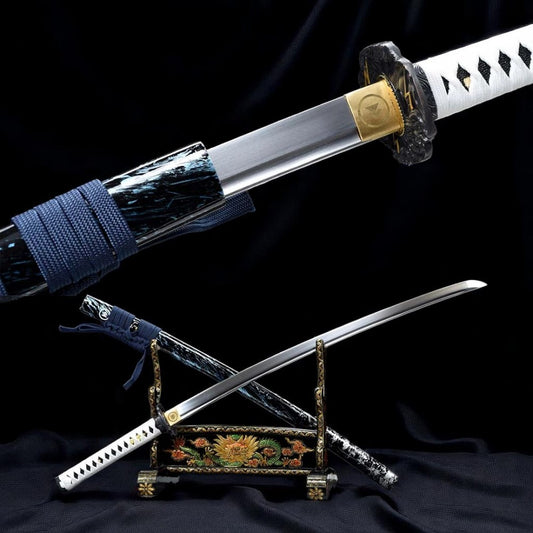
Jin Sakai Katana – Ghost of Tsushima Edition

This amazing replica captures the essence of feudal Japan's last samurai. It uses careful craftsmanship:

  • 1060 carbon steel nagasa with authentic hamon tempering
  • Full tang construction (nakago) ensuring the best balance and durability
  • Hand-wrapped tsuka with genuine rayskin (same) and traditional ito
  • 71cm nagasa length following historical samurai proportions
  • Museum-quality finish with traditional lacquered saya

⭐⭐⭐⭐⭐ "Absolutely stunning craftsmanship. The weight distribution feels perfect in hand, and the finish quality exceeded my expectations." - Sarah M., Calgary

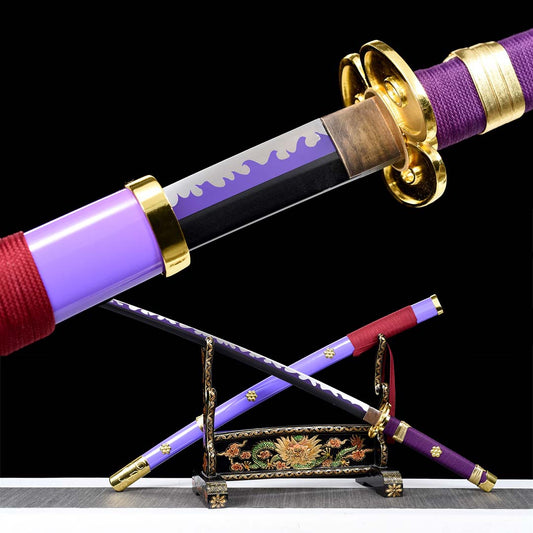
Shinobu Kocho Katana – Demon Slayer Edition

The Insect Hashira's elegant fighting style inspired this piece. It combines beauty with functional design:

  • 1060 carbon steel construction with butterfly-themed tsuba (guard)
  • Authentic purple-wrapped tsuka matching the character's look
  • Detailed tsuba design featuring delicate insect motifs
  • Premium leather saya with matching color scheme
  • Certificate of authenticity included with each piece

⭐⭐⭐⭐⭐ "The attention to detail on the butterfly motifs is incredible. Perfect addition to my Demon Slayer collection!" - Marcus L., Edmonton

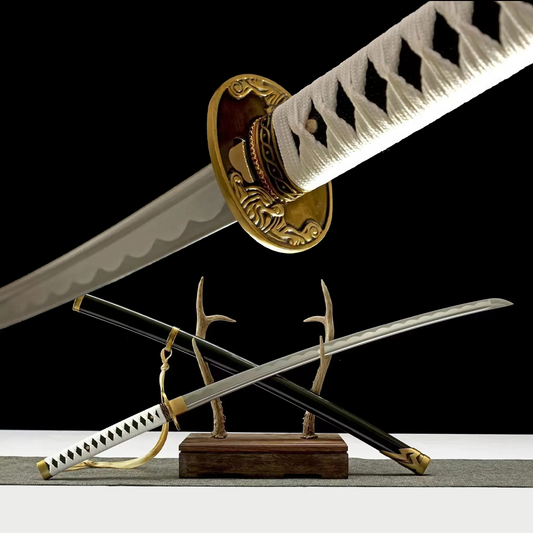
Kill Bill Katana Sword

This iconic replica honors Quentin Tarantino's movie masterpiece. It pays precise attention to screen-accurate details:

  • High-carbon Damascus steel with distinctive folding patterns
  • Traditional black saya with red interior lining
  • Functional rayskin wrap providing authentic texture and grip
  • Hand-forged construction using traditional kitae (forging)
  • Screen-accurate proportions matching the film's specs

⭐⭐⭐⭐⭐ "Feels exactly like what you'd expect from Hattori Hanzo steel. The Damascus pattern is mesmerizing." - David R., Ottawa

Michonne Katana Sword

This piece represents survival and determination. This Walking Dead-inspired piece offers amazing functionality:

  • 1095 high-carbon steel providing superior edge retention (60 HRC)
  • Battle-worn look with authentic weathering effects
  • Ergonomic tsuka design made for extended use
  • Durable construction built for display and light cutting
  • Apocalypse-ready appearance capturing the character's essence

⭐⭐⭐⭐⭐ "The weathering effects look incredibly realistic. This piece has serious presence on the wall." - Jennifer K., Montreal

Michonne Katana – Premium Edition

The enhanced version features upgraded materials and better detailing for picky collectors:

  • Premium 1095 carbon steel with advanced heat treatment
  • Luxury presentation box with custom foam inserts
  • Enhanced weathering effects done through specialized techniques
  • Collector-grade fittings using traditional brass and iron
  • Exclusive production run ensuring uniqueness

Hiroshima Katana

This tribute piece honors traditional Japanese craftsmanship. It does this through modern manufacturing excellence:

  • Damascus steel construction with mesmerizing fold patterns
  • Traditional Japanese looks with modern quality control
  • Hand-selected materials ensuring consistent excellence
  • Cultural significance paying respect to Japanese heritage
  • Collector-grade presentation good for gifting or personal collection

Kiryu Katana

This piece is named after the legendary yakuza protagonist. It embodies strength and honor:

  • Premium carbon steel with amazing durability
  • Distinctive design elements reflecting urban samurai look
  • Professional-grade construction meeting collector standards
  • Balanced weight distribution for comfortable handling
  • Modern interpretation of classical Japanese sword design

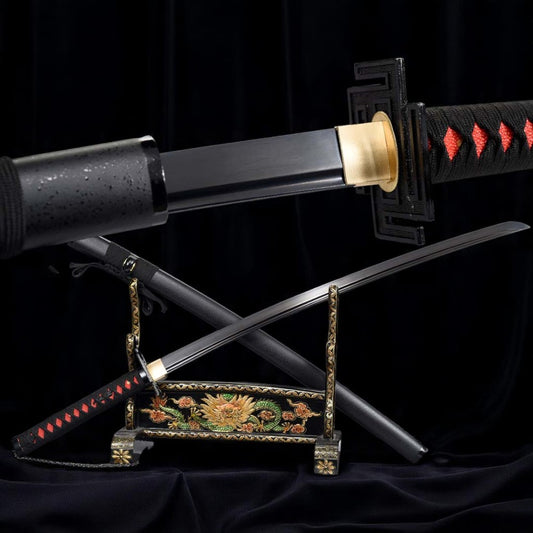
Black Blade Katana

This striking piece offers timeless elegance. It uses minimalist design philosophy:

  • 1060 carbon steel nagasa with non-reflective black finish
  • Stealth look perfect for modern collectors
  • Traditional construction maintaining authentic proportions
  • Durable coating providing rust resistance
  • Versatile display options complementing any décor style

Our complete katana collection includes more options for every collector's preferences and budget considerations.

Buyer's Guide for Carbon Steel Katana {#guide}

Selecting your first carbon steel katana means understanding steel types, construction quality, and intended use. Are you planning display, martial arts practice, or serious collecting? Specific features matter more than others.

Steel Type Comparison

1060 Carbon Steel offers the best entry point for new collectors. With 0.60% carbon content, these nagasa provide good hardness (58-60 HRC). They also remain affordable. The steel accepts polish well. It develops attractive hamon lines during proper heat treatment.

1095 Carbon Steel contains higher carbon (0.95%). This results in superior edge retention and hardness (60-62 HRC). But increased carbon makes the steel more brittle. It requires careful handling. Advanced collectors prefer 1095 for functional pieces intended for tameshigiri (cutting practice).

Damascus Steel combines multiple steel types through folding techniques. This creates distinctive patterns while balancing hardness and flexibility. These premium options cost more. But they offer unique looks impossible to achieve with single-steel construction.

Construction Quality Indicators

Full tang construction (nakago) remains essential for any serious piece. The nagasa steel should extend completely through the tsuka. It should be secured with traditional bamboo pegs (mekugi) rather than threaded bolts. Quality makers include spare mekugi. These need replacement with heavy use from time to time.

Look at the habaki (blade collar) fitting carefully. This brass part should slide smoothly onto the nagasa. It should also provide secure retention in the saya. Poor habaki fitting shows rushed manufacturing. It also suggests possible quality issues elsewhere.

The tsuka wrapping technique shows manufacturing attention to detail. Traditional maki (wrapping) maintains consistent tension. It also creates diamond patterns that align perfectly. Machine-wrapped tsuka often show uneven spacing and loose sections.

Display Considerations

Canadian homes require climate-controlled storage to prevent rust formation. Avoid displaying katana near heating vents, bathrooms, or basements with humidity changes. Proper katana accessories include humidity-absorbing packets and protective oils.

Wall-mounted displays should use horizontal positioning rather than vertical arrangements. This reduces stress on the kashira (pommel). It also shows the nagasa curve to best advantage. Make sure mounting hardware supports the katana's weight (1.1-1.4kg) without flex.

Lighting considerations dramatically affect visual impact. Soft, indirect lighting highlights the hamon and polish. It doesn't create harsh reflections. Avoid direct sunlight. This can fade tsuka wrapping and lacquer finishes over time.

Canadian law permits katana ownership for collecting, martial arts, and display purposes. But carrying edged weapons in public requires legitimate reasons. These include transportation to training facilities. Check provincial regulations. Some areas have additional restrictions.

Buying from Canadian retailers eliminates customs delays and potential seizure issues. International buying of bladed items often requires special paperwork. It may also face border inspection delays.

Our buying guide resources provide detailed information about Canadian regulations and buying considerations.

Budget Planning

Entry-level pieces offer excellent introduction to katana collecting. These typically feature 1060 carbon steel with basic fittings. They're good for display and light handling.

Mid-range options use premium materials like genuine rayskin (same), silk wrapping, and superior steel grades. These pieces satisfy serious collectors. They remain accessible to fans with moderate budgets.

Premium katana represent significant investment. But they offer museum-quality construction, rare materials, and amazing craftsmanship. Consider these for centerpiece displays or serious martial arts practice.

Why Choose Katana Canada {#why-us}

As a Canadian company, we understand the unique challenges facing collectors across our vast country. From humidity concerns in Maritime provinces to dry conditions in the Prairies, our carbon steel katana selection addresses regional climate considerations.

Our customer service team provides support in both French and English. This ensures clear communication regardless of your preferred language. Technical questions about steel types, maintenance procedures, or display tips get detailed responses from knowledgeable staff.

Payment in Canadian dollars eliminates exchange rate uncertainty and foreign transaction fees. This pricing transparency helps collectors budget accurately for their purchases. You won't get surprise costs during checkout.

No customs fees or border delays affect Canadian orders. Our Canadian operations ensure immediate processing. This advantage particularly benefits collectors in remote areas. International transport often faces significant delays there.

Our quality guarantee covers manufacturing defects. Every piece meets collector standards before shipment. Should any issues arise, our Canadian-based support team handles returns and exchanges efficiently.

Expert Curation Process

Every carbon steel katana in our collection goes through strict evaluation by experienced collectors. We test construction quality. We examine fit and finish. We verify historical accuracy before adding pieces to our selection.

Our partnerships with respected makers ensure consistent quality. They also maintain competitive pricing. These relationships allow us access to exclusive designs and special editions. Other Canadian retailers don't have these available.

Regular collection updates introduce new designs. We also retire pieces that no longer meet our standards. This curation ensures our selection remains current with collector preferences and quality expectations.

Community Support

We actively support Canadian martial arts schools and collecting communities. We do this through educational resources and special programs. Our blog provides maintenance tips, historical information, and collecting advice specifically for Canadian fans.

Local events and demonstrations allow hands-on experience with different katana types before buying. These opportunities help new collectors make informed decisions. They also connect with experienced community members.

Our social media presence showcases customer collections. It provides a platform for Canadian collectors to share experiences and advice. This community approach enhances the collecting experience beyond simple retail transactions.

Frequently Asked Questions {#faq}

What makes a carbon steel katana authentic?

Authentic carbon steel katana replicas follow traditional Japanese construction methods. They use proper steel grades and historical proportions. Key authenticity markers include full tang construction (nakago). They also have genuine materials like rayskin (same) and silk wrapping. Hand-forged tsuba (guard) is important too. So is proper heat treatment creating visible hamon (temper lines).

Authentic pieces maintain the traditional 71cm nagasa length. They have proper curvature (sori) and balanced weight distribution (1.1-1.4kg). The making process should respect traditional techniques. This is true even when using modern quality control methods. Certificates of authenticity from reputable makers provide additional verification. These show construction standards and materials used.

What steel type is best for carbon steel katana?

The best steel choice depends on intended use and experience level. 1060 carbon steel offers excellent entry-point characteristics. It has good balance between hardness (58-60 HRC) and flexibility. This makes it ideal for display and light handling.

1095 carbon steel provides superior edge retention and hardness (60-62 HRC) for serious practitioners. But it requires more careful maintenance due to increased brittleness. Damascus steel combines multiple steel types for unique looks and balanced performance. But it comes at premium pricing.

T10 tool steel represents the highest performance option. It has added elements improving grain structure and toughness. New collectors should start with 1060 carbon steel. They can progress to higher-carbon alternatives as their experience develops.

How do I care for my carbon steel katana?

Proper carbon steel katana maintenance involves regular cleaning, oiling, and controlled storage conditions. Clean the nagasa after handling using lint-free cloth and specialized sword oil. This prevents fingerprint rust. Apply thin oil coats monthly. Do this more frequently in humid conditions. Make sure you get complete coverage while avoiding excess buildup.

Store katana horizontally in climate-controlled environment away from humidity sources like bathrooms or basements. The tsuka wrapping requires gentle cleaning with barely damp cloth. Allow complete drying before storage.

Check the bamboo pegs (mekugi) from time to time for wear. Replace them when cracks or looseness develops. Professional polishing services may be necessary every few years for heavily used pieces. This maintains proper finish and prevents permanent staining.

What size carbon steel katana should I choose?

Traditional carbon steel katana maintains standardized proportions developed over centuries. These are 71cm nagasa length with 28cm tsuka for total length around 100cm. These dimensions provide the best balance for both display and functional use. They're good for most collectors regardless of height or experience level.

Shorter wakizashi variants (40-60cm nagasa) offer easier handling and display in smaller spaces. They maintain authentic proportions. Tanto options provide entry-level pieces perfect for new collectors or those with space constraints.

The 71cm standard represents the most versatile choice. It offers authentic samurai experience while fitting standard display cases and wall mounts. Consider your available display space and intended use when selecting size. But the traditional proportions serve most collectors effectively.

How do I display my carbon steel katana?

Proper carbon steel katana display requires horizontal positioning. This reduces stress on components while showcasing the nagasa natural curve. Wall-mounted displays should use specialized katana stands. These support both the tsuba (guard) and saya without contact pressure on the nagasa itself.

Avoid vertical displays. These stress the kashira (pommel) and may cause tsuka loosening over time. Climate control remains critical. Maintain consistent temperature and humidity levels away from heating vents, windows, or moisture sources.

Lighting should be indirect to highlight the hamon and polish without creating harsh reflections or heat buildup. Protective cases offer additional security while allowing viewing. This is particularly important for valuable pieces or homes with children. Rotate displayed pieces occasionally. This prevents uneven light exposure while allowing appreciation of entire collection.

Yes, owning carbon steel katana for collecting, martial arts practice, and display purposes is legal throughout Canada. Federal regulations permit nagasa ownership without licensing requirements. But carrying edged weapons in public requires legitimate purposes. These include transportation to training facilities or demonstrations.

Provincial regulations may add specific restrictions. Quebec has stricter requirements for certain blade types. Other provinces maintain federal standards. Buying from Canadian retailers eliminates customs concerns and potential border seizure issues. These are common with international transport.

Storage should follow common-sense safety practices. This is particularly important in homes with children. But no specific storage laws apply to collectors. Some municipalities have bylaws regarding blade sales or carrying. So check local regulations if planning public display or transportation. Documentation proving collecting or martial arts purposes helps address any law enforcement questions during transportation.

Conclusion & Related Content {#conclusion}

The world of carbon steel katana in Canada offers incredible depth for collectors. You need to be willing to explore traditional craftsmanship, historical significance, and modern manufacturing excellence. From entry-level 1060 carbon steel pieces to premium Damascus variants, the right katana enhances any collection. It also provides connection to centuries of Japanese sword-making tradition.

Canadian collectors enjoy unique advantages. These include no customs fees, payment in Canadian dollars, and specialized customer service. Our team understands our climate and legal environment. These benefits, combined with our picked selection process, ensure every carbon steel katana meets collector standards. They also provide amazing value.

Are you drawn to anime-inspired designs like Demon Slayer replicas? Maybe you prefer traditional samurai looks? The perfect katana awaits in our collection. The journey from casual interest to serious collecting rewards patience, study, and appreciation. You need to value the artistry behind each piece.

Your katana collection represents more than decorative objects. Each piece carries cultural heritage, craftsmanship tradition, and personal meaning. This develops through ownership and appreciation. This emotional connection transforms simple purchases into lifelong passions. These are shared with fellow collectors and martial artists.

Ready to begin your carbon steel katana collection? Explore our complete katana selection featuring authenticated pieces from trusted makers. Our Canadian customer service team stands ready to assist. We help with selection, maintenance advice, and any questions about your collecting journey.

Expand your knowledge with these guides:

For maintenance expertise, consult our detailed How to Care for a Katana – Cleaning, Oiling & Storage Tips. This covers everything from basic cleaning to long-term preservation.

Explore traditional craftsmanship in Katana Carbon Steel Distribution Smithing: The Art of Authentic Japanese Blade Making. This gives you deeper understanding of making processes.

New collectors will benefit from our complete Buy Swords Online Canada: Your Complete Guide to Authentic Katana and Japanese Blades. This covers everything from legal considerations to display tips.

Browse our high-end collection for premium pieces. These represent the finest available craftsmanship. Or start with our entry-level selection for budget-conscious collectors beginning their journey into authentic Japanese sword collecting.

Back to blog

Leave a comment

Please note, comments need to be approved before they are published.