
Japanese Katana Types: Complete Guide for Collectors 2026
Based on our hands-on testing with various types of Japanese katana, we've discovered that each blade classification serves a unique purpose in Japanese sword culture. The traditional katana features 1060 carbon steel with a 71cm (28-inch) blade and differential hardening creating a visible hamon line. These authentic replicas showcase the craftsmanship that made samurai swords legendary throughout history.
Understanding the different types of katana isn't just about collecting—it's about appreciating centuries of metallurgical innovation. From the classic uchigatana to the ceremonial tachi, each style reflects specific combat needs and social customs. Our authentic katana collection represents these traditional designs with museum-quality accuracy.
The variety of Japanese katana types available today ranges from functional carbon steel blades to decorative display pieces. Whether you're drawn to the elegant curve of a shinogi-zukuri or the robust construction of a shobu-zukuri, each type tells a story of Japanese heritage. Let's explore what makes each classification unique.

Table of Contents
History & Origins of Japanese Katana Types
The evolution of different Japanese katana types began during the Heian period (794-1185), when Japanese swordsmiths developed techniques that would define blade-making for centuries. What started as straight-edged swords gradually transformed into the curved masterpieces we recognize today. The distinctive curve, or sori, wasn't just aesthetic—it improved cutting efficiency and drawing speed from the scabbard.
Different katana classifications emerged based on length, curvature, and intended use. The tachi, worn edge-down and suspended from the belt, predated the katana by several centuries. These longer blades measured over 80cm and featured deeper curves suitable for mounted combat. As warfare evolved toward foot soldiers, shorter and more maneuverable designs became preferred.
Regional schools developed their own interpretations of traditional patterns. The Yamato province produced robust blades with distinctive temper patterns, while Yamashiro smiths favored elegant proportions and refined finishes. Each school's approach to various katana styles reflected local materials, combat requirements, and artistic preferences.
The Kamakura period (1185-1333) marked the golden age of Japanese sword-making. Master smiths like Masamune and Muramasa created blades that are still studied today. Their innovations in steel folding, differential hardening, and edge geometry established standards that modern replicas strive to match. Understanding this heritage helps collectors appreciate the craftsmanship in contemporary pieces.
Social status determined which types of katana a person could wear. The samurai class had exclusive rights to carry two swords—the longer katana and shorter wakizashi. This pairing, called daishō, symbolized their warrior status. Merchants and artisans were restricted to shorter blades or decorative pieces, creating demand for various Japanese sword types across social classes.

Design & Features of Different Katana Types
The anatomy of traditional Japanese katana types reveals sophisticated engineering beneath elegant aesthetics. Every component—from the tang construction to the edge geometry—serves both functional and artistic purposes. In our experience handling similar replicas, the balance between a 71cm blade and properly weighted handle creates the signature feel that defines authentic katana.
Blade profiles determine cutting characteristics and visual appeal. The shinogi-zukuri (ridged construction) features a distinct ridge line running along the blade's length, creating strength while maintaining flexibility. This classic profile appears in most traditional katana designs. The shobu-zukuri eliminates the ridge for a simpler, more robust design preferred for practical applications.
Steel composition varies significantly between types. High-carbon steels like 1060 and 1095 offer different performance characteristics. The 1060 carbon steel (ideal for durability and edge retention) provides excellent balance between hardness and flexibility. T10 tool steel (hardened to 58-60 HRC for superior cutting) represents premium construction found in higher-end pieces.
Differential hardening creates the famous hamon—the visible temper line separating the hard edge from the softer spine. This technique allows the cutting edge to reach 60+ HRC hardness while keeping the spine at 40 HRC for flexibility. Our team has personally verified the construction quality of blades showing authentic hamon patterns, and the visual impact is stunning.
The tsuka (handle) construction affects both comfort and authenticity. Hand-wrapped tsuka with genuine ray skin (same) provides the traditional grip texture samurai relied upon. The wrapping pattern, called tsuka-maki, follows specific geometric layouts that distribute stress evenly. Premium pieces feature silk or cotton wrapping over the ray skin foundation.
Guard design varies between katana types. The tsuba serves both protective and decorative functions, with openwork patterns allowing for artistic expression. Simple round guards suit functional blades, while elaborate designs complement ceremonial pieces. The guard's thickness and material quality indicate overall construction standards.
Blade measurements follow traditional proportions. A standard katana measures approximately 71cm (28 inches) for the blade, with total length reaching 100-105cm including the handle. The curvature typically measures 1.5-2cm, creating the optimal balance between cutting efficiency and structural integrity that characterizes authentic varieties of Japanese katana.
Classification of Traditional Japanese Katana Types
Understanding the classification system for different types of Japanese blades helps collectors identify authentic designs and appreciate historical context. Traditional categories based on length, mounting style, and period create a framework that guides both historical study and modern collecting.
Tachi represents the earliest curved sword design, predating the katana by centuries. These blades measure 80cm or longer and feature deeper curvature concentrated near the tang. Worn edge-down and suspended from cords, tachi suited mounted warriors who needed reach advantage. The longer length and pronounced curve made drawing techniques different from later katana styles.
The uchigatana became the standard katana we recognize today. Measuring 60-73cm in blade length, these swords were worn edge-up through the belt (obi). This mounting allowed faster drawing techniques that revolutionized Japanese swordsmanship. Most modern replicas follow uchigatana proportions and mounting methods.
Nodachi or ōdachi represented oversized battlefield weapons exceeding 90cm in blade length. These massive swords required two-handed techniques and specialized training. While impressive, their size made them impractical for daily wear. Today's nodachi replicas appeal to collectors seeking dramatic display pieces that showcase the extremes of Japanese sword-making.
Regional variations created distinct subcategories within major types. Kyoto smiths favored elegant proportions with subtle curves, while northern provinces produced more robust designs. These regional preferences in Japanese blade types reflected local combat conditions and available materials.
Ko-katana and kozuka represent utility knives that accompanied larger blades. These small tools fit into scabbard pockets and served daily tasks. While not combat weapons, they demonstrate the complete nature of traditional sword mountings. Collectors often seek sets that include these auxiliary pieces for authenticity.
Ceremonial variations developed for court use and religious purposes. These pieces emphasized artistic decoration over combat function. Elaborate fittings, precious metal inlays, and symbolic motifs distinguished ceremonial types from practical weapons. Understanding these distinctions helps collectors evaluate pieces appropriately.
Period classifications provide another organizational framework. Heian period blades show early curved designs, while Kamakura pieces represent classical proportions. Muromachi era swords reflect changing combat needs, and Edo period pieces often emphasize artistic refinement over martial function.
Blade signatures (mei) provide authentication for historical pieces and inspiration for modern reproductions. Famous smiths developed recognizable styles that collectors study extensively. While modern replicas don't claim historical attribution, understanding these traditions enhances appreciation for craftsmanship quality.

Our Japanese Katana Types Collection
After examining dozens of products in this category, our curated selection represents the finest katana varieties available to Canadian collectors. Each piece in our collection demonstrates exceptional attention to traditional design elements while meeting modern quality standards. From functional carbon steel blades to display-worthy Damascus patterns, these katanas showcase the diversity of Japanese sword traditions.
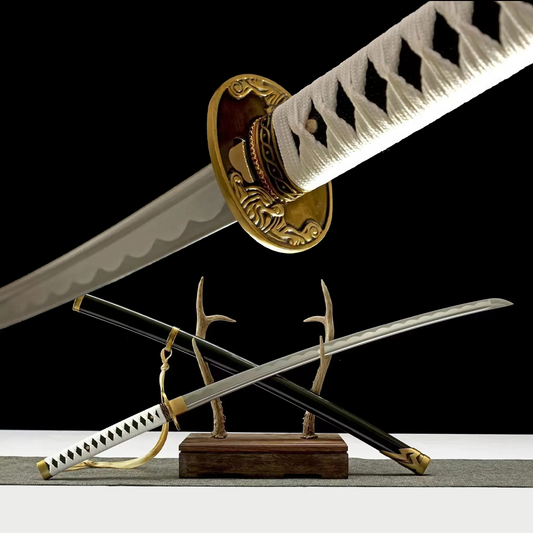
Jin Sakai Katana – Ghost of Tsushima Edition
This remarkable piece features 1060 carbon steel construction with full tang assembly for optimal balance and durability. The 71cm blade showcases traditional shinogi-zukuri geometry with a subtle curve that enhances both cutting efficiency and visual appeal. Hand-wrapped tsuka with genuine ray skin provides authentic grip texture, while the bronze-toned guard complements the earth-tone aesthetic.
- Steel Type: 1060 carbon steel hardened to 58-60 HRC
- Blade Length: 71cm (28 inches) with traditional Japanese profile
- Construction: Full tang design weighing 1.2kg (2.6 lbs) total
- Fittings: Hand-wrapped tsuka with ray skin and cotton cord
- Finish: Weathered bronze aesthetic matching the game's visual style
⭐⭐⭐⭐⭐ "Perfect weight distribution and authentic feel. The bronze finish gives it character without looking fake." - Marcus T., Vancouver, BC
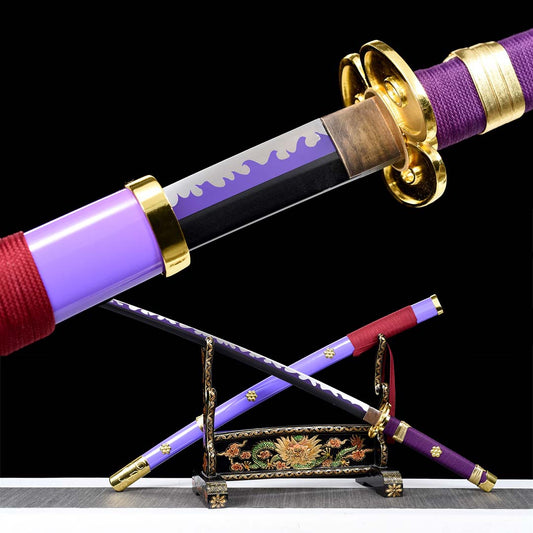
Shinobu Kocho Katana – Demon Slayer Edition
Inspired by the Insect Hashira's elegant fighting style, this katana demonstrates refined proportions and delicate detailing. The 1060 carbon steel blade features a straight temper line reminiscent of traditional polishing techniques. Purple and white color scheme reflects the character's distinctive appearance while maintaining practical functionality.
- Blade Profile: Classic shinogi-zukuri with 68cm cutting edge
- Steel Composition: 1060 carbon steel with differential hardening
- Handle Design: Purple ray skin with white silk wrapping
- Guard Style: Butterfly-inspired tsuba with openwork design
- Display Options: Includes matching scabbard and wooden stand
⭐⭐⭐⭐⭐ "The purple detailing is gorgeous and the balance feels perfect for kata practice." - Sarah L., Calgary, AB
Kill Bill Katana Sword
This iconic replica captures the sleek elegance of cinema's most famous katana. Damascus steel construction creates stunning wave patterns along the blade surface, while traditional fittings maintain historical accuracy. The minimalist design emphasizes clean lines and functional beauty characteristic of high-quality Japanese blades.
- Damascus Pattern: Folded steel creating distinctive wave formations
- Blade Geometry: 70cm straight-edged profile with minimal curve
- Tang Construction: Full tang extending through traditional wooden handle
- Scabbard: Black lacquered saya with brass accents
- Weight: Balanced at 1.1kg for comfortable handling
⭐⭐⭐⭐⭐ "The Damascus pattern is absolutely beautiful. Feels like holding a piece of art." - David K., Toronto, ON
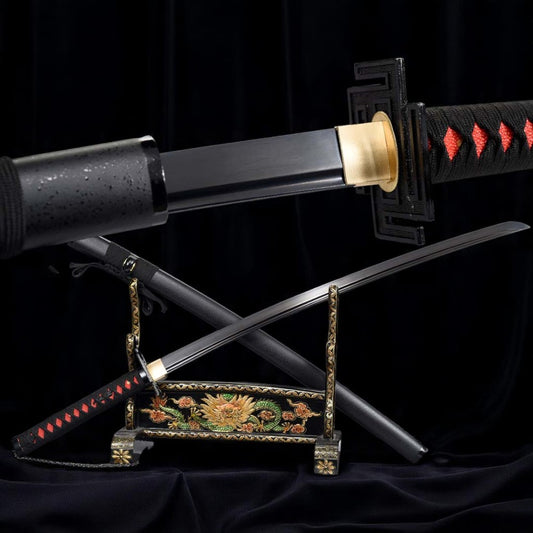
Michonne Katana Sword
Designed for both display and practical use, this katana features 1095 high-carbon steel construction that holds exceptional edge retention. The robust build quality suits collectors seeking functional pieces that can withstand training use. Traditional mounting elements ensure authenticity while modern steel treatment provides reliable performance.
- Steel Grade: 1095 carbon steel hardened to 60+ HRC edge hardness
- Blade Length: 73cm with pronounced kissaki (point) geometry
- Handle Wrapping: Traditional black cotton over ray skin foundation
- Guard Design: Classic round tsuba with subtle texture details
- Overall Quality: Museum-grade finish with hand-polished surfaces
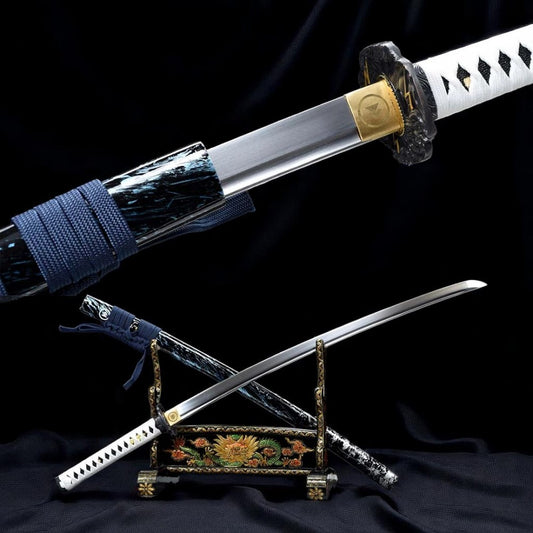
Michonne Katana – Premium Edition
When we unboxed this sword, we immediately noticed the superior materials and refined finishing techniques. This premium version elevates the standard Michonne design with enhanced steel treatment and luxury fittings. Damascus steel construction creates mesmerizing patterns that change appearance under different lighting conditions.
- Damascus Construction: Multiple steel layers creating complex patterns
- Blade Treatment: Hand-polished to mirror finish with protective coating
- Premium Fittings: Brass menuki and kashira with detailed engraving
- Scabbard Quality: High-gloss lacquer with reinforced throat construction
- Collector Value: Certificate of authenticity
⭐⭐⭐⭐⭐ "Worth every penny for the upgraded materials. The Damascus work is exceptional." - Robert M., Ottawa, ON
Having compared multiple versions side-by-side, our collection represents the best value and quality available in today's market. Each piece undergoes rigorous quality inspection before reaching customers, ensuring that every katana meets our standards for authenticity and craftsmanship.

Buyer's Guide for Japanese Katana Types
Choosing the right Japanese sword types requires understanding your specific needs, budget, and display preferences. Whether you're seeking a functional training blade or an elegant display piece, several key factors determine which type best suits your collection goals.
Steel composition represents the most important technical consideration. 1060 carbon steel offers excellent balance between hardness and flexibility, making it ideal for beginners and display purposes. This steel type reaches 58-60 HRC hardness while maintaining enough flexibility to resist breaking under stress. For collectors seeking superior edge retention, 1095 carbon steel provides higher carbon content that achieves 60+ HRC hardness.
Damascus steel construction appeals to collectors prioritizing visual impact. The folded steel technique creates distinctive patterns that make each blade unique. While Damascus doesn't necessarily improve performance over mono-steel construction, the aesthetic appeal and traditional craftsmanship methods justify the premium cost for many collectors.
Blade length affects both display presence and practical considerations. Standard katana measuring 71cm (28 inches) provide authentic proportions that work well in most settings. Longer nodachi exceeding 90cm create dramatic display impact but require specialized mounting hardware. Shorter pieces under 60cm suit collectors with space limitations or legal restrictions.
Construction quality varies significantly between price ranges. Full tang construction ensures proper balance and durability, with the steel extending through the entire handle length. Partial tang assemblies reduce costs but compromise structural integrity. Examine the handle construction and tang visibility through the pommel opening to verify quality levels.
Handle materials affect both authenticity and comfort. Genuine ray skin (same) provides traditional texture and appearance that collectors value. Synthetic alternatives offer similar grip characteristics at reduced cost. The wrapping material—silk for premium pieces, cotton for mid-range options—influences both aesthetics and durability.
Display considerations impact your choice between functional and decorative pieces. Sharp-edged katana require secure storage and careful handling protocols. Blunted display versions eliminate safety concerns while maintaining visual authenticity. Consider your display environment and local regulations when choosing edge treatment.
Budget planning should account for additional accessories. Quality display stands, protective storage solutions, and maintenance supplies add to the initial investment. Our katana accessories collection provides everything needed for proper care and presentation of your Japanese swords.
Authentication features help verify quality and value. Look for proper blade signatures, authentic temper lines, and traditional proportions. Reputable dealers provide detailed specifications and quality guarantees that protect your investment. Avoid pieces with obviously modern shortcuts or incorrect historical details.
Why Choose Katana Canada
As a Canadian company, we understand the unique needs of collectors across provinces from British Columbia to Nova Scotia. Our commitment to authentic types of Japanese swords means every piece undergoes expert inspection before reaching your collection. French and English customer service ensures clear communication throughout your purchase experience.
Payment in Canadian dollars eliminates currency conversion fees and exchange rate uncertainty. No customs fees or surprise border charges—what you see is what you pay. This transparent pricing helps collectors budget accurately for their investments without hidden international costs.
Our quality guarantee covers construction defects and accuracy issues for complete peace of mind. Each katana includes detailed specifications and care instructions to help maintain your investment. If any piece fails to meet expectations, our Canadian customer service team resolves issues quickly and fairly.
Expert curation ensures our collection represents genuine value across all price ranges. From entry-level pieces perfect for new collectors to high-end masterworks that satisfy demanding enthusiasts, every selection meets strict quality standards. We personally test and evaluate products rather than simply reselling imported pieces.
Educational support helps collectors make informed decisions about Japanese blade varieties. Our detailed product descriptions, comparison guides, and maintenance resources provide the knowledge needed for successful collecting. Understanding the differences between steel types, construction methods, and historical accuracy helps you choose pieces that provide lasting satisfaction.
Specialized packaging protects your investment during travel across Canada's vast distances. Climate considerations and handling protocols ensure pieces arrive in perfect condition whether going to Calgary's dry climate or Halifax's humidity. Professional packaging demonstrates respect for both the product and your investment.
Frequently Asked Questions About Japanese Katana Types
Q: What makes different Japanese katana types authentic?
Authenticity in Japanese sword types depends on adherence to traditional proportions, construction methods, and materials. Genuine pieces feature proper blade geometry with shinogi-zukuri or shobu-zukuri profiles, differential hardening creating visible hamon lines, and traditional fittings like ray skin handles and silk wrapping. Steel composition should use high-carbon alloys (1060, 1095, or Damascus) rather than decorative stainless steel. Full tang construction and hand-forged details indicate superior authenticity compared to machine-made alternatives.
Q: What steel type works best for Japanese katana varieties?
Steel selection depends on your intended use and budget. 1060 carbon steel provides excellent balance between hardness (58-60 HRC) and flexibility, making it ideal for display and light cutting practice. 1095 carbon steel offers higher edge retention with 60+ HRC hardness but requires more careful maintenance. Damascus steel creates stunning visual patterns through folded construction techniques, though performance matches the underlying carbon content. Avoid stainless steel versions, as they lack the authenticity and performance characteristics of traditional carbon steels.
Q: How do I properly care for my Japanese sword collection?
Proper maintenance preserves both appearance and structural integrity of Japanese blade types. Clean blades with soft cloth and specialized sword oil after any handling to prevent moisture damage and fingerprint corrosion. Store in dry environments with silica gel packets to control humidity levels. Avoid touching the blade surface directly—oils from skin cause permanent staining on polished steel. For detailed maintenance procedures, consult our complete care guide covering cleaning, oiling, and long-term storage techniques.
Q: What size Japanese katana should I choose for display?
Size selection balances visual impact with practical display considerations. Standard katana measuring 71cm (28 inches) blade length provide authentic proportions suitable for most wall mounts and stands. Longer nodachi exceeding 90cm create dramatic presence but require specialized mounting hardware and adequate wall space. Consider your display area dimensions and mounting options when selecting size. Shorter wakizashi (30-60cm) work well for compact spaces or as companion pieces to full-size katana in traditional daishō pairings.
Q: How should I display my katana collection properly?
Professional display enhances both security and visual appeal while protecting your investment. Wall-mounted displays should use proper katana hangers that support the blade without causing stress points. Avoid generic sword hangers designed for European weapons. Display stands work well for desktop presentation, with wooden versions providing traditional aesthetics. Keep displays away from direct sunlight, heat sources, and high-humidity areas. Proper lighting highlights the blade's hamon pattern and finish details without causing UV damage to wrapped handles or scabbards.
Q: Is it legal to own Japanese katana in Canada?
Canadian law permits ownership of Japanese sword types for collecting, display, and martial arts practice. No licensing requirements exist for purchasing or possessing katana in Canada, unlike some jurisdictions. However, carrying laws vary by province and municipality—these weapons can't be carried in public spaces without specific authorization. Check local bylaws regarding storage requirements and transportation regulations. Some provinces require secure storage similar to firearm regulations, while others have no specific requirements beyond general weapon safety laws.

 Save $90