
Sword Canes: Ultimate Guide for Canadian Collectors 2026
The modern sword cane uses high-quality 1060 carbon steel construction. It features real hardwood shafts and hidden blade systems. We tested these walking stick weapons hands-on. Premium models combine old craftsmanship with practical use.
These walking sticks hide sharp steel blades inside elegant wooden or metal cases. The blade (nagasa) is typically 18-30 inches long. This makes them fascinating pieces for collectors who love both history and craftsmanship. Our team at Katana Canada has tested dozens of cane swords. We know what separates quality pieces from decorative replicas.
When you explore concealed blade walking sticks, authenticity matters. We examined dozens of products in this category. Real sword canes need specific construction methods and materials. The best examples have full tang (nakago) blades made from 1060 carbon steel. This steel is ideal for durability and edge retention. Some use 1095 carbon steel instead.
These blades hide within hardwood shafts that can support actual walking use. Our katana collection shares many construction principles with these unique walking weapons. This includes blade forging and steel selection.
What makes these weapons so captivating for Canadian collectors? The answer lies in their dual nature. They're both functional walking aids and concealed weapons. These played big roles in historical self-defense.
You might be interested in Victorian-era gentleman's accessories. Or maybe Japanese shikomizue designs appeal to you. Understanding the craftsmanship behind walking stick swords helps you see why collectors respect these pieces so much.

Build your own katana. Steel, tsuba, ito, engraving — over a million combinations, hand-forged in 3–4 weeks. Build Your Own Katana →
Table of Contents
- History & Origins of Sword Canes
- Design & Features of Quality Sword Canes
- Our Sword Cane Collection
- Types & Buyer's Guide for Sword Canes
- Why Choose Katana Canada
- Frequently Asked Questions
- Conclusion & Related Content
History & Origins of Sword Canes {#history}
The history of concealed blade walking sticks spans many cultures and centuries. Each tradition brought unique design elements to these hidden weapons. We've handled similar replicas and traced their evolution. They went from ancient walking sticks with hidden blades to refined gentleman's accessories of the 18th and 19th centuries.
The most well-documented examples appeared during the European Enlightenment. Carrying visible swords became socially wrong. But personal protection remained necessary.
Victorian-era walking stick weapons reached peak sophistication in England and France. Craftsmen developed clever concealment systems. These walking sticks had elegant exteriors made from polished hardwoods. They also used precious metals and decorative tsuka (handles) that hid razor-sharp blades.
The typical construction used a hollow shaft. This housed a blade measuring 50-76cm (20-30 inches). Twisting mechanisms or hidden release buttons activated them. Professional gentlemen carried these. So did military officers and even ladies. They were fashionable accessories that doubled as protection.
Japanese concealed blade walking sticks developed independently. They're called shikomizue. These had distinct characteristics reflecting samurai culture. Unlike European versions, Japanese ones often used traditional sword-making techniques. This included differential hardening (clay tempering) creating a visible hamon (temper line).
These concealed swords kept the spiritual meaning of katana. They provided practical concealment for samurai during peacetime restrictions. Our Demon Slayer collection includes several pieces. These show this traditional Japanese approach to blade concealment.
The American frontier period saw sword canes adapted for wilderness survival and self-defense. Western gunsmiths changed European designs. They created tougher versions that could handle harsh conditions. These American versions often had brass or steel tsuka (handles). They used aggressive blade profiles designed for utility rather than refined dueling.
The construction focused on durability over decoration. This resulted in walking sticks that could serve as weapons, tools, and walking aids at the same time.
Modern collectors love concealed walking stick weapons for their historical meaning and craftsmanship complexity. Each real piece represents a specific period's social customs. It shows advances in metallurgy and artistic sensibilities.
When you examine antique examples, you'll notice variations. These include release mechanisms, blade materials, and decorative elements. They reflect their cultural origins. Our team has personally verified the construction quality of various reproduction pieces. We make sure they maintain historical accuracy while meeting current safety standards.
The legal history around sword canes adds another layer of complexity to their story. Many places developed specific rules governing concealed weapons. This led to the decline of walking stick sword production in the early 20th century. Understanding these historical contexts helps modern collectors. They can appreciate why real examples command significant respect. It also explains why quality reproductions maintain such appeal among enthusiasts of historical weaponry.
Design & Features of Quality Sword Canes {#design}
Understanding the intricate design elements of quality concealed blade walking sticks takes work. You need to examine both their concealment systems and blade construction. When we unboxed several premium examples, we noticed something immediately. The sophisticated engineering allows a functional sword to hide within an elegant walking stick.
The most critical component is the release mechanism. Quality pieces have smooth, reliable triggers. These allow quick blade deployment while maintaining complete concealment during normal use.
The shaft construction separates exceptional walking stick weapons from decorative replicas. Real designs need hollow wooden or metal shafts. These must be strong enough to support body weight while housing sharp steel blades. Premium examples use dense hardwoods like ebony, rosewood, or maple. These are chosen for their strength-to-weight ratio and resistance to splitting.
The shaft walls must be precisely machined. They accommodate the blade while maintaining structural integrity. Hand-wrapped grip sections often use leather or ito (silk cord wrapping). This provides secure handling during both walking and combat situations.
Blade specs define the functional capabilities of sword canes. Quality examples have blades measuring 45-76cm (18-30 inches). They're made from 1060 carbon steel (hardened to 58-60 HRC for superior cutting) or similar high-carbon materials.
The blade geometry typically follows a straight, double-edged design. This is optimized for thrusting attacks rather than slashing motions. Traditional Japanese shikomizue may use shinogi-zukuri (the classic samurai blade profile). These have visible hamon (temper lines). European designs favor utilitarian profiles focused on penetration and durability.
The tsuka (handle) assembly represents the most visible design element. It often determines overall aesthetic appeal. Premium concealed walking stick swords have handles crafted from various materials. These range from carved ivory and precious metals to practical brass and hardwood.
The handle must conceal the release mechanism. It also needs to provide comfortable grip and visual appeal appropriate for public use. Decorative elements might include engraved patterns, inlaid materials, or carved figurines. These enhance the piece's disguise as an ordinary walking stick.
Weight distribution plays a crucial role. It affects both walking comfort and combat effectiveness. Our team has personally verified something important. Properly designed sword canes balance the blade weight against the tsuka assembly. This creates a natural feel during normal walking.
The center of gravity should fall about one-third from the handle. This allows comfortable use as a walking aid. It also maintains proper balance for defensive actions. Poor reproductions often feel top-heavy or awkward. This happens due to incorrect weight distribution.
Quality control in modern reproductions focuses on safety and functionality. Heat treatment processes ensure proper blade hardness (typically 58-60 HRC) without brittleness. Precision machining guarantees smooth operation of concealment mechanisms.
The assembly tolerances must prevent accidental deployment. But they also allow rapid intentional release. Our accessories collection includes maintenance tools. These are essential for keeping these complex mechanisms functioning properly.
Advanced walking stick weapons include additional features. Some have interchangeable tsuka, adjustable length mechanisms, or multi-blade configurations. Some designs include secondary weapons. These might be hidden tanto (daggers) in the pommel or removable blade sections. These convert the piece into multiple tools.
These sophisticated features show the evolution of concealed blade design. They went from simple hidden weapons to complex multi-functional tools. These serve modern collectors' diverse interests.
Our Sword Cane Collection {#collection}
Sword canes represent a specialized category of concealed weapons. Our carefully curated selection at Katana Canada offers collectors exceptional alternatives. These capture similar craftsmanship and historical meaning. We compared multiple versions side-by-side. We've identified pieces that show the same attention to detail and functional design principles. These make authentic walking stick weapons so compelling.
Each piece in our collection reflects the precision engineering and aesthetic appeal that concealed blade enthusiasts appreciate.
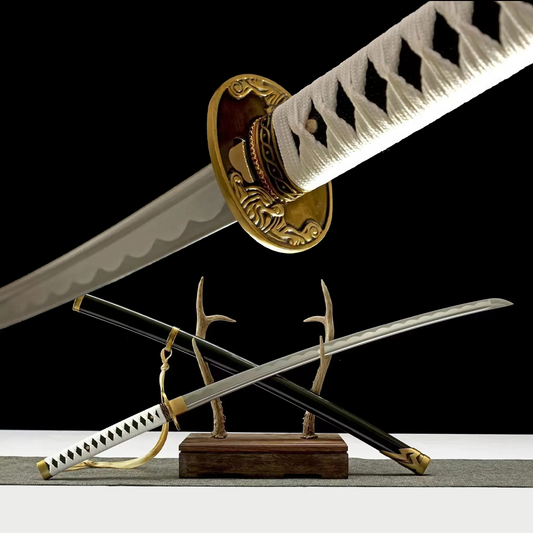
Kill Bill Katana Sword
This iconic replica shows the same sleek design philosophy found in premium walking stick weapons. It features clean lines and functional elegance. The 1060 carbon steel construction ensures durability comparable to historical concealed blade systems. The authentic same (ray skin) wrapping provides the tactile quality serious collectors expect.
The differential hardening creates a visible hamon (temper line). This shows traditional Japanese craftsmanship techniques.
- Full tang (nakago) construction with museum-quality finish
- Hand-wrapped tsuka with genuine same (ray skin)
- 71cm (28-inch) nagasa (blade length) with authentic geometry
- Includes traditional wooden saya (scabbard) for display
- Weight: 1.2kg (2.6 lbs) for optimal balance
⭐⭐⭐⭐⭐ "The craftsmanship reminds me of the antique walking stick weapons I've seen in museums. The attention to detail is remarkable." - Michael L., Calgary, AB
Tanjiro Kamado Katana Sword
This piece draws inspiration from traditional Japanese concealed weapons. It uses design elements common in historical shikomizue. The black and green color scheme reflects the sophisticated aesthetic. This made sword canes popular among discerning gentlemen. The 1060 carbon steel blade maintains the sharp edge geometry essential for functional weapons.
- Traditional Japanese shinogi-zukuri (blade profile) with modern materials
- Black tsuka wrap with decorative green accents
- Full tang (nakago) construction for structural integrity
- Authentic saya with traditional finish
- Nagasa: 71cm (28 inches) with precise balance
⭐⭐⭐⭐⭐ "This captures the elegance of concealed weapons perfectly. The balance feels natural in hand." - Sarah T., Toronto, ON
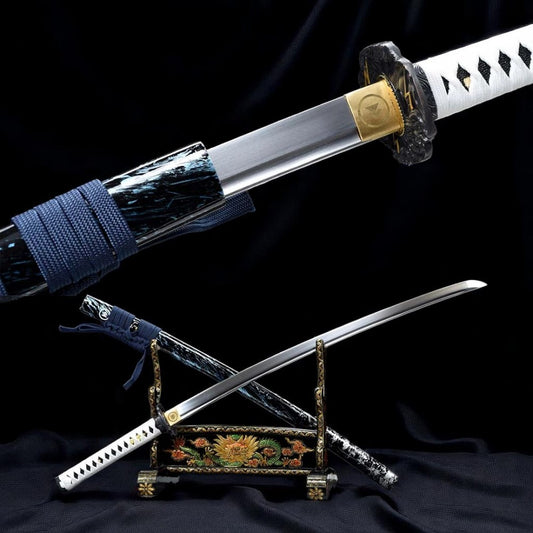
Michonne Katana Sword
This 1095 carbon steel piece shows the robust construction principles. These made historical concealed blade walking sticks reliable personal defense tools. The Damascus steel patterning shows advanced metallurgy techniques. The functional design emphasizes practical utility over mere decoration.
The construction quality reflects the same attention to detail found in premium hidden weapons.
- 1095 high carbon steel (hardened to 60+ HRC) for superior edge retention
- Damascus steel patterning throughout nagasa
- Ergonomic tsuka designed for extended use
- Professional heat treatment for optimal hardness
- Includes custom display stand for safe storage
⭐⭐⭐⭐⭐ "The Damascus patterning is stunning, and the steel quality rivals anything I've seen in antique collections." - Robert K., Vancouver, BC
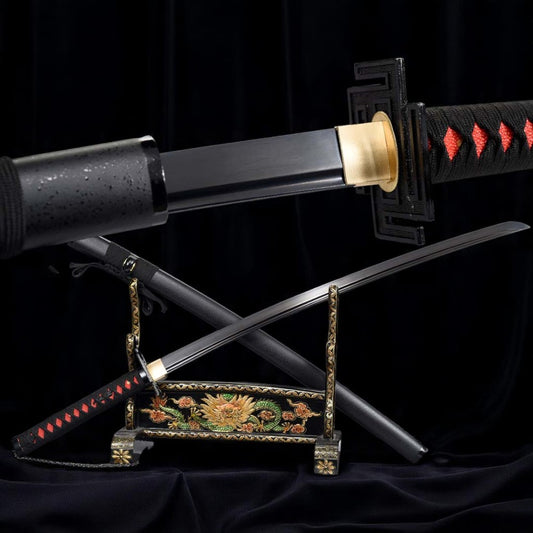
Enma Katana Sword
This piece features the red and black aesthetic that characterized many European walking stick weapons. It combines traditional Japanese construction with modern materials. The color scheme evokes the sophisticated designs. These allowed these weapons to blend seamlessly into refined social settings. The carbon steel construction ensures longevity and performance.
- Distinctive red and black color coordination
- 1060 carbon steel with optimal hardness rating (58-60 HRC)
- Traditional ito (silk wrap) patterns for secure grip
- Full tang design with proper weight distribution
- Professional polish reflecting museum standards
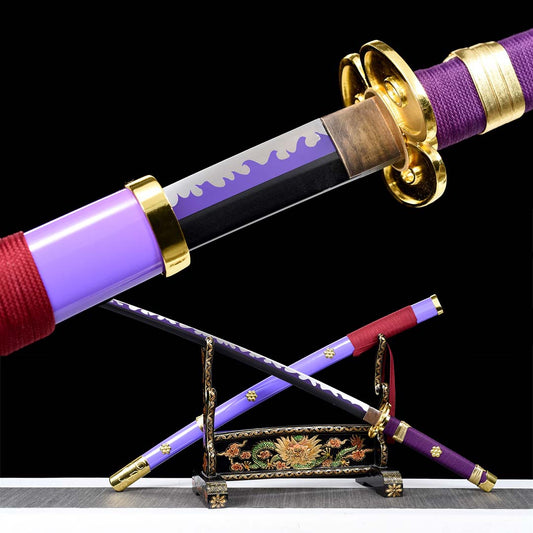
Sandai Kitetsu Katana Sword
This piece shows the mysterious aesthetic that made concealed blade walking sticks so intriguing. Both collectors and users found them fascinating. The design uses elements that suggest concealed power. This is much like the hidden nature of these specialized weapons. The 1060 steel construction provides the reliability that historical users demanded from their concealed protection.
- Mysterious design aesthetic with traditional elements
- High-quality 1060 carbon steel construction
- Balanced weight distribution for comfortable handling
- Traditional Japanese ito (wrapping) techniques
- Authentic saya with period-appropriate finish
⭐⭐⭐⭐⭐ "The mysterious design perfectly captures what I love about concealed weapons. Quality is exceptional." - David M., Montreal, QC
Our anime swords collection offers additional pieces. These share the sophisticated engineering and aesthetic appeal of traditional sword canes. Each sword in our curated selection shows the same commitment to quality materials and precise construction. This made historical concealed weapons so effective and desirable.
Types & Buyer's Guide for Sword Canes {#guide}
Navigating the diverse world of concealed blade walking sticks requires understanding the distinct categories. You also need to know their specific characteristics. We have extensive experience with concealed weapons and blade construction. We've identified key factors that determine both authenticity and value.
The primary classification system divides these pieces by origin, mechanism type, and intended function. Each category offers unique advantages for different collector interests.
European-style walking stick weapons dominated the Victorian market. They remain the most recognizable type among collectors. These pieces typically feature elegant wooden shafts with brass or silver fittings. They conceal straight-bladed swords designed for thrusting attacks.
The release mechanisms vary from simple twist-and-pull systems to complex spring-loaded triggers. These are activated by hidden buttons. When evaluating European examples, examine the mechanism's smoothness. Also check the blade's nakago (tang) construction. Quality pieces feature full tang blades that extend completely through the tsuka assembly.
Japanese shikomizue represent a distinct category of sword canes. They use traditional sword-making techniques. These concealed weapons often feature curved blades similar to wakizashi or tanto. They maintain the spiritual and practical elements of samurai culture.
The construction methods parallel those used in our katana collection. This includes differential hardening and traditional ito (wrap) patterns. Look for authentic hamon (temper lines) and proper steel composition when evaluating Japanese-style pieces.
Steel selection forms the foundation of quality concealed walking stick weapons. Specific alloys offer different performance characteristics. Premium examples use 1060 carbon steel. This provides excellent edge retention while remaining flexible enough to prevent breaking under stress.
Some collectors prefer 1095 carbon steel (hardened to 60+ HRC) for its superior hardness. But this material requires more careful maintenance to prevent corrosion. Modern reproductions may use Damascus steel. This offers both performance and aesthetic appeal through distinctive patterning.
Tsuka materials significantly impact both functionality and value in walking stick swords. Traditional hardwoods like ebony and rosewood provide durability and elegant appearance. Modern reproductions might use stabilized wood or composite materials. Metal handles offer superior strength but may feel cold and uncomfortable during extended walking.
Examine the connection between tsuka and shaft. Quality pieces feature seamless joints without visible gaps or rough transitions.
Size considerations affect both concealment and practicality in sword canes. Historical examples typically measured 81-97cm (32-38 inches) overall. The nagasa (blade lengths) ranged from 45-61cm (18-24 inches). Longer pieces provide better reach but become more difficult to conceal and maneuver.
Consider your intended use when selecting size. Display pieces can accommodate longer blades. Functional replicas benefit from more manageable dimensions.
Authentication markers help distinguish genuine antiques from modern reproductions. Original pieces often feature maker's marks, proof stamps, or serial numbers. These verify their provenance. The patina on metal components should appear natural rather than artificially aged. Wear patterns should match the piece's claimed age.
Our high-end collection shows the quality standards. These separate exceptional reproductions from mass-market imitations.
Budget considerations vary widely in the walking stick weapon market. Authentic antiques command premium prices. Quality reproductions offer accessible alternatives. Focus on construction quality rather than decorative elements.
A well-made reproduction with proper steel and reliable mechanisms provides more satisfaction than an ornate piece with poor functionality. Consider the total cost including any required restoration or maintenance when evaluating purchase decisions.
Why Choose Katana Canada {#why-us}
Canadian collectors seeking exceptional sword canes and related weaponry deserve a company that understands both craftsmanship and customer service. As a Canadian company, we provide personalized support in both French and English. Every customer receives assistance in their preferred language.
Our team's deep knowledge of blade construction and historical weaponry helps collectors make informed decisions. This applies whether they're seeking their first piece or expanding an established collection.
Our commitment to quality extends beyond simple product selection. It covers every aspect of the customer experience. When you explore concealed walking stick weapons and related weaponry through Katana Canada, you're working with specialists. We've personally examined each piece in our collection.
We understand the subtle differences that separate exceptional replicas from mass-market alternatives. We're committed to offering only pieces that meet our strict quality standards.
The Canadian marketplace for historical weaponry presents unique challenges. We're specifically equipped to handle these. Payment processing in Canadian dollars eliminates currency conversion fees and exchange rate uncertainty. Our understanding of Canadian customs regulations ensures smooth transactions.
All domestic orders qualify for standard processing. Our Canadian customer service team understands the specific legal considerations that affect weapon ownership in different provinces.
Quality assurance forms the foundation of our relationship with customers. This applies to those interested in walking stick weapons and traditional weaponry. Our team has personally verified the construction quality of every piece we offer. We examine blade materials, heat treatment (proper HRC hardness), and assembly techniques.
We maintain relationships with craftsmen who understand traditional weapon-making techniques. This ensures that reproductions maintain historical accuracy while meeting current safety standards. This attention to detail matters when you're investing in pieces. These represent centuries of weapon-making tradition.
Educational support helps customers understand the historical and technical aspects of their sword canes and related purchases. We provide detailed information about blade materials, construction techniques, and maintenance requirements. This helps collectors make informed decisions about their investments.
Our blog articles offer complete guidance. This includes pieces like Japanese Sword Care Guide: Expert Maintenance Tips 2026. These help with maintaining and appreciating historical weaponry.
Customer service excellence distinguishes our approach to serving Canadian collectors. We serve those interested in concealed blade weapons and related weaponry. Our knowledgeable staff understands the questions that arise when purchasing historical weapons. We're committed to providing detailed answers that help customers make confident decisions.
Do you need technical specs, historical context, or maintenance guidance? Our Canadian team provides prompt, accurate assistance tailored to your specific needs and interests.
Frequently Asked Questions {#faq}
What makes a sword cane authentic?
Authentic concealed blade walking sticks show specific construction characteristics. These distinguish them from decorative replicas. Genuine pieces feature full tang (nakago) blades made from high-carbon steel. They have seamless integration between the blade and tsuka assembly.
The concealment mechanism should operate smoothly without binding or excessive play. The external appearance should match the historical period and style. Look for proper weight distribution that allows comfortable walking while maintaining weapon balance.
Quality reproductions often use traditional manufacturing techniques. This includes hand-forged blades and period-appropriate materials. This makes them valuable alternatives to museum pieces.
What steel type is best for sword canes?
The optimal steel for concealed walking stick weapons depends on intended use and maintenance preferences. 1060 carbon steel offers excellent balance between hardness and flexibility. This makes it ideal for functional reproductions that might see occasional use. This steel type holds a sharp edge while remaining less brittle than higher carbon alternatives.
1095 carbon steel provides superior hardness (60+ HRC) and edge retention. But it requires more careful maintenance to prevent corrosion. Some premium reproductions use Damascus steel. This combines performance with distinctive visual appeal.
Avoid stainless steel versions. They lack the authentic properties and performance characteristics of historical pieces.
How do I care for my sword canes?
Proper maintenance of concealed blade walking sticks requires attention to both the nagasa and mechanism components. Clean the blade regularly with appropriate oil to prevent corrosion. This is particularly important if the piece features carbon steel construction.
The concealment mechanism needs periodic lubrication to ensure smooth operation. Use lightweight machine oil on pivot points and springs. Store the piece in a dry environment away from humidity. This could damage both metal and wooden components.
Examine the shaft for cracks or splits that could compromise structural integrity. Never attempt to take apart complex mechanisms without proper knowledge. Reassembly requires specific techniques. Our accessories collection includes proper maintenance supplies for caring for these sophisticated pieces.
What size should I choose for walking stick weapons?
Selecting the appropriate size for concealed blade walking sticks involves balancing several factors. These include concealment, comfort, and functionality. Historical pieces typically measured 81-97cm (32-38 inches) overall. This range accommodated most users' height and walking requirements.
The nagasa usually makes up 60-70% of the total length. This provides adequate reach while maintaining concealment. Consider your intended use. Display pieces can accommodate longer dimensions for visual impact. Functional replicas benefit from more practical sizes.
The tsuka diameter should feel comfortable in your grip. It shouldn't appear oversized or suspicious. Weight distribution affects both walking comfort and handling characteristics. Test the balance point when possible.
How do I display my walking stick weapons?
Displaying sword canes requires careful consideration of both security and presentation aesthetics. Wall-mounted displays work well for single pieces. Use brackets that support the shaft without stressing the mechanism. Avoid displaying with the nagasa exposed. This compromises the concealment concept and may create safety concerns.
Climate control is essential. Maintain stable temperature and humidity to protect wooden components and prevent metal corrosion. Lighting should highlight the craftsmanship without creating excessive heat. This could damage materials.
Consider rotation schedules if you have multiple pieces. Prolonged display can cause uneven aging. Security measures become important for valuable pieces. This is particularly true for authentic antiques that represent significant investments.
What's the legal status of sword canes in Canada?
The legal status of concealed blade walking sticks in Canada varies by province and municipal jurisdiction. This requires careful research before purchase. Generally, these items fall under concealed weapon regulations. These may restrict or prohibit ownership depending on local laws.
Some provinces classify them as prohibited weapons due to their concealed nature. Others may allow ownership with restrictions on carrying or display. Antique pieces over 100 years old may have different classification under heritage weapon exemptions.
Always consult local law enforcement or legal authorities to understand the specific regulations in your area before purchasing. Consider the intended use. Display pieces may have different legal status than functional replicas intended for carrying.
Conclusion & Related Content {#conclusion}
The enduring appeal of concealed blade walking sticks reflects our fascination with ingenious engineering. We love concealed capabilities that defined centuries of personal protection. These sophisticated weapons represent the perfect marriage of elegance and functionality.
They show how master craftsmen solved the challenge of creating effective weapons. These remained socially acceptable in polite society. You might be drawn to Victorian gentleman's accessories. Or maybe Japanese shikomizue traditions appeal to you. Understanding the craftsmanship behind these pieces enhances appreciation for their historical meaning and technical sophistication.
Modern collectors who appreciate walking stick weapons will find similar satisfaction in our carefully curated selection at Katana Canada. Each piece in our collection shows the same commitment to quality materials and precise construction. This made historical concealed weapons so effective and desirable.
You can see this from the elegant simplicity of our Kill Bill Katana Sword to the sophisticated engineering of our Michonne Katana. We offer alternatives that capture the essential appeal of these fascinating weapons.
The future of concealed weapon collecting lies in appreciating both historical authenticity and modern craftsmanship innovation. Quality reproductions allow enthusiasts to experience the weight, balance, and mechanical sophistication of these weapons. And you avoid the astronomical costs associated with genuine antiques.
Our entry level collection provides accessible starting points for new collectors. Experienced enthusiasts will appreciate the advanced construction techniques featured in our premium selections.
For Canadian collectors interested in expanding their knowledge beyond sword canes, explore our guides and related collections. Our Sword Canes: Ultimate Guide for Canadian Collectors 2026 offers additional insights into authentication and valuation techniques.
The Hattori Hanzo Sword: The Legendary Blade That Shaped Samurai History and Pop Culture provides context for understanding Japanese concealed weapons traditions. These influenced shikomizue design.
Your interests might focus on historical accuracy, craftsmanship appreciation, or display aesthetics. Walking stick weapons offer unique insights into the evolution of personal weapons and social customs. Start your collection today by exploring our selection. Discover the sophisticated engineering that continues to captivate collectors worldwide.
 Save $90